



The click of stilettos on marble floors is giving way to the soft whisper of leather flats in America’s most prestigious law firms. After decades of sky-high heels dominating corporate corridors, ballet flats are staging a remarkable comeback in legal circles, driven by changing workplace priorities and a new generation of lawyers who refuse to sacrifice comfort for credibility.
The shift represents more than just a fashion trend. It signals a fundamental change in how professional women approach power dressing, challenging long-held assumptions about authority and appearance in the conservative world of corporate law.
The Comfort Revolution Meets Legal Tradition
Corporate law firms, traditionally bastions of conservative dress codes, are witnessing an unprecedented embrace of ballet flats among their female attorneys. Partners at white-shoe firms from Cravath Swaine & Moore to Skadden Arps report seeing a marked increase in sleek, professional flats replacing the towering heels that once defined power dressing.
“The twelve-hour days, the constant travel, the pressure to be on your feet presenting to clients – it’s changed how we think about professional footwear,” explains Sarah Martinez, a senior associate at a top Manhattan firm. “Ballet flats let me focus on my legal arguments instead of foot pain.”
The timing coincides with broader workplace wellness initiatives. Law firms increasingly recognize that employee comfort directly impacts performance and retention. When associates can walk confidently between courtrooms, conference rooms, and client meetings without wincing, their professional presence actually strengthens.
Premium brands have responded with sophisticated offerings that bridge the gap between comfort and corporate formality. Tod’s, Ferragamo, and Repetto now create ballet flats specifically designed for boardroom environments, featuring structured silhouettes, quality leather, and subtle hardware details that command respect in any legal setting.
Health Concerns Drive Professional Choices
The medical community’s growing awareness of heel-related injuries has influenced this footwear evolution. Podiatrists regularly treat lawyers for conditions ranging from plantar fasciitis to stress fractures – ailments directly linked to years of wearing high heels during long workdays.
Dr. Amanda Chen, a Manhattan-based podiatrist whose clientele includes numerous law firm partners, reports a significant shift in her patients’ footwear consultations. “Five years ago, I was treating heel damage. Now I’m helping prevent it,” she notes. “Ballet flats, when properly constructed, distribute weight evenly and reduce strain on the forefoot.”
This health-conscious approach aligns with the broader wellness movement in corporate America. The same firms investing in standing desks and meditation rooms are recognizing that appropriate footwear contributes to employee wellbeing and productivity. Some firms have even begun including ergonomic footwear guidelines in their professional development programs.
The trend parallels similar movements in other high-pressure industries. Finance executives are increasingly choosing physical therapist-approved footwear, while tech companies have long embraced comfort-first professional attire.

Style Evolution in Conservative Environments
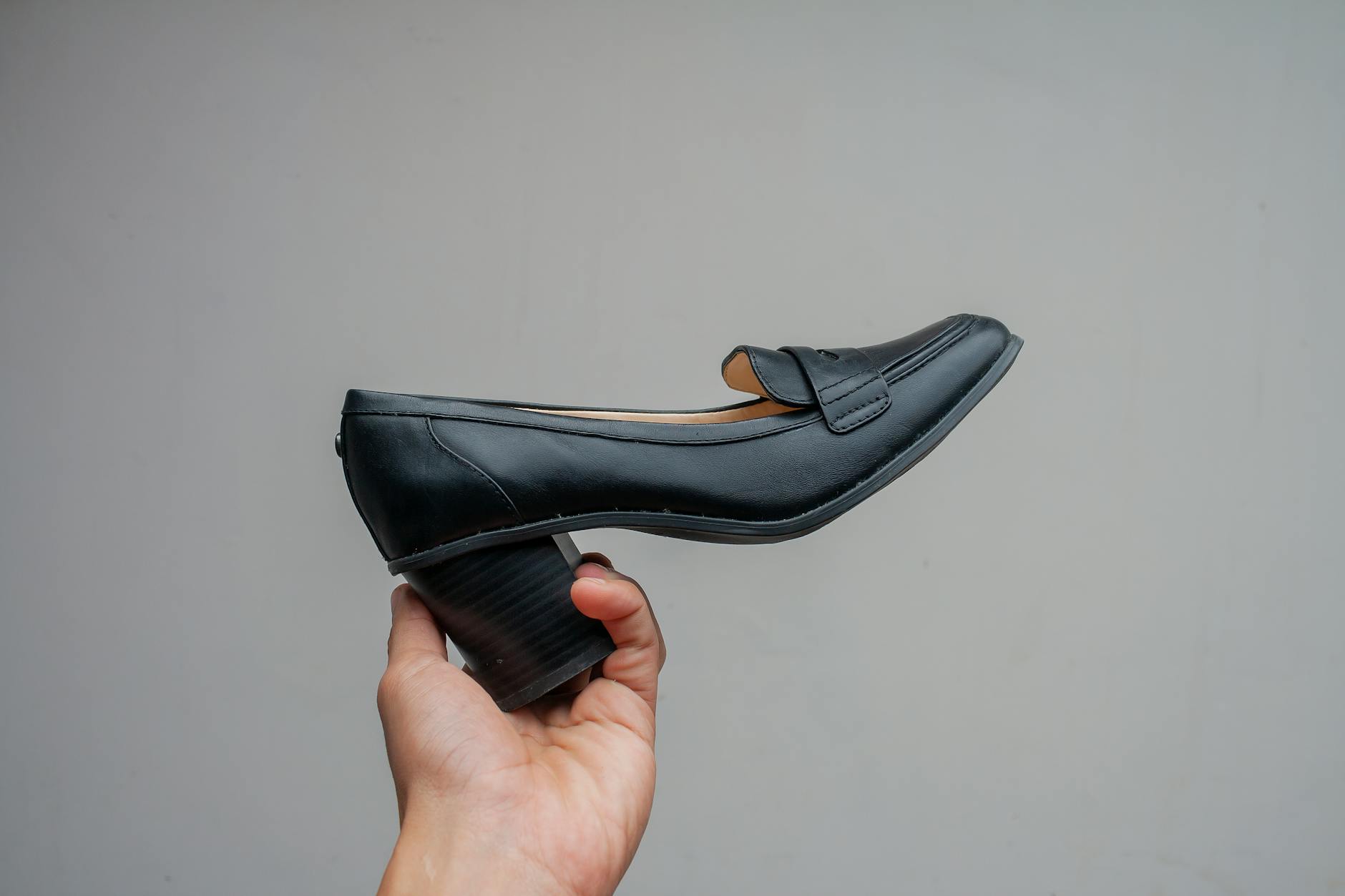
The ballet flat’s return required a significant style evolution to meet corporate law’s exacting standards. Today’s professional flats bear little resemblance to the casual versions popular in previous decades. They feature pointed toes for a sleek silhouette, premium leather construction, and architectural details that convey sophistication.
Color choices have expanded beyond basic black to include rich burgundy, classic navy, and sophisticated metallics. These options allow lawyers to coordinate with their existing professional wardrobes while expressing subtle personal style within conservative dress code parameters.
“The key is choosing flats that look intentional, not default,” advises Rachel Kim, a fashion consultant who works with major law firms on professional image training. “A well-crafted ballet flat in quality leather reads as a confident choice, not a compromise.”
The styling approach has become more sophisticated as well. Legal professionals pair structured flats with tailored pantsuits, pencil skirts, and sheath dresses, creating polished looks that maintain authority while prioritizing comfort. The combination proves that professional gravitas doesn’t require physical discomfort.
Generational Shifts Shape Workplace Norms
Millennial and Gen Z lawyers entering the profession bring different expectations about work-life balance and professional presentation. Having grown up with more casual workplace norms, they question traditional assumptions about power dressing and status symbols.
“Our clients care about our legal expertise, not our heel height,” says Jennifer Walsh, a recently promoted partner at a Washington D.C. firm. “This generation is redefining what professional confidence looks like.”
The change is particularly pronounced in litigation, where lawyers spend considerable time on their feet during trial preparation and courtroom appearances. Young attorneys report feeling more confident and focused when wearing comfortable, professional flats during depositions and oral arguments.
Law school career services offices have adapted their professional wardrobe guidance accordingly. Where previous generations received strict heel requirements, current students learn about appropriate flat alternatives that maintain professional standards while supporting long-term foot health.
Market Response and Future Outlook
Luxury footwear brands have responded aggressively to this market shift. Manolo Blahnik, traditionally known for stilettos, now offers a dedicated line of professional flats. Jimmy Choo has introduced architectural ballet flats designed specifically for boardroom environments. These premium options prove that comfort and luxury can coexist in professional footwear.
The innovation extends to materials and construction techniques. Memory foam insoles, arch support systems, and moisture-wicking linings appear in flats designed for professional environments. These technical advances address the specific demands of legal careers while maintaining the aesthetic standards required in corporate settings.
Industry observers predict this trend will continue expanding as workplace wellness becomes increasingly prioritized. Podiatrist-designed professional shoes are already replacing traditional options across corporate America, suggesting a broader shift toward health-conscious professional attire.
The ballet flat’s corporate law comeback represents more than changing fashion preferences. It signals a maturing professional culture that values substance over outdated symbols, wellness over tradition, and authentic confidence over performative power dressing. As this trend continues evolving, expect to see even more innovation in professional footwear that serves the modern lawyer’s complex needs.
Frequently Asked Questions
Are ballet flats appropriate for corporate law firms?
Yes, when well-crafted in quality leather with structured silhouettes, ballet flats meet professional standards while providing comfort for long workdays.
What makes professional ballet flats different from casual ones?
Professional ballet flats feature pointed toes, premium leather construction, arch support, and sophisticated details that convey authority in corporate settings.