




Ballet companies worldwide are trading their traditional pointe shoe suppliers for unexpected partners: major sneaker brands. This surprising collaboration between classical dance institutions and streetwear giants is reshaping both industries in ways no one anticipated.
The shift began quietly in rehearsal studios, where dancers started wearing modified athletic shoes during training sessions. Now, prestigious companies like American Ballet Theatre and Royal Opera House have formalized partnerships with brands including Nike, Adidas, and Puma to develop specialized footwear that bridges the gap between classical technique and modern performance science.
The Science Behind the Collaboration
Traditional pointe shoes, while iconic, present significant challenges for professional dancers. Each pair costs between $80-100, lasts only a few performances, and provides minimal shock absorption. The repetitive impact from jumping and landing places enormous stress on dancers’ feet, ankles, and knees – issues that sneaker brands have spent decades solving for athletes.
Dr. Sarah Mitchell, a podiatrist who works with several major ballet companies, explains the appeal: “Ballet dancers are essentially elite athletes performing on their toes. The biomechanical demands are extraordinary, yet their footwear technology hasn’t evolved significantly in centuries.”
Nike’s collaboration with Netherlands Dance Theatre introduced the first hybrid ballet-athletic shoe in 2019, featuring their signature Air cushioning system adapted for dance-specific movements. The partnership yielded surprising insights – ballet dancers generate forces up to seven times their body weight during grand jetés, comparable to basketball players landing from dunks.
Adidas followed with their “Danse” line, developed alongside Paris Opera Ballet. Their Boost foam technology, typically found in running shoes, was reimagined to provide energy return during relevés and échappés while maintaining the precise floor contact dancers require.
Changing the Economics of Dance
The financial implications extend beyond individual dancers to entire companies. Professional ballet dancers typically use 100-150 pairs of pointe shoes annually, creating substantial costume budgets. Sneaker brand partnerships are restructuring these economics entirely.
Under traditional sponsorship deals, companies like Puma provide custom-designed dance sneakers for rehearsals, contemporary pieces, and even modified pointe work. This arrangement reduces footwear costs while giving brands access to a previously untapped market of dancers and dance enthusiasts.
Boston Ballet’s partnership with New Balance exemplifies this new model. The company receives specialized training shoes for their 50-member corps, while New Balance gains insights into foot mechanics and movement patterns that inform their broader athletic footwear development. The collaboration has produced three limited-edition releases that sell to dance students and crossover fashion consumers.
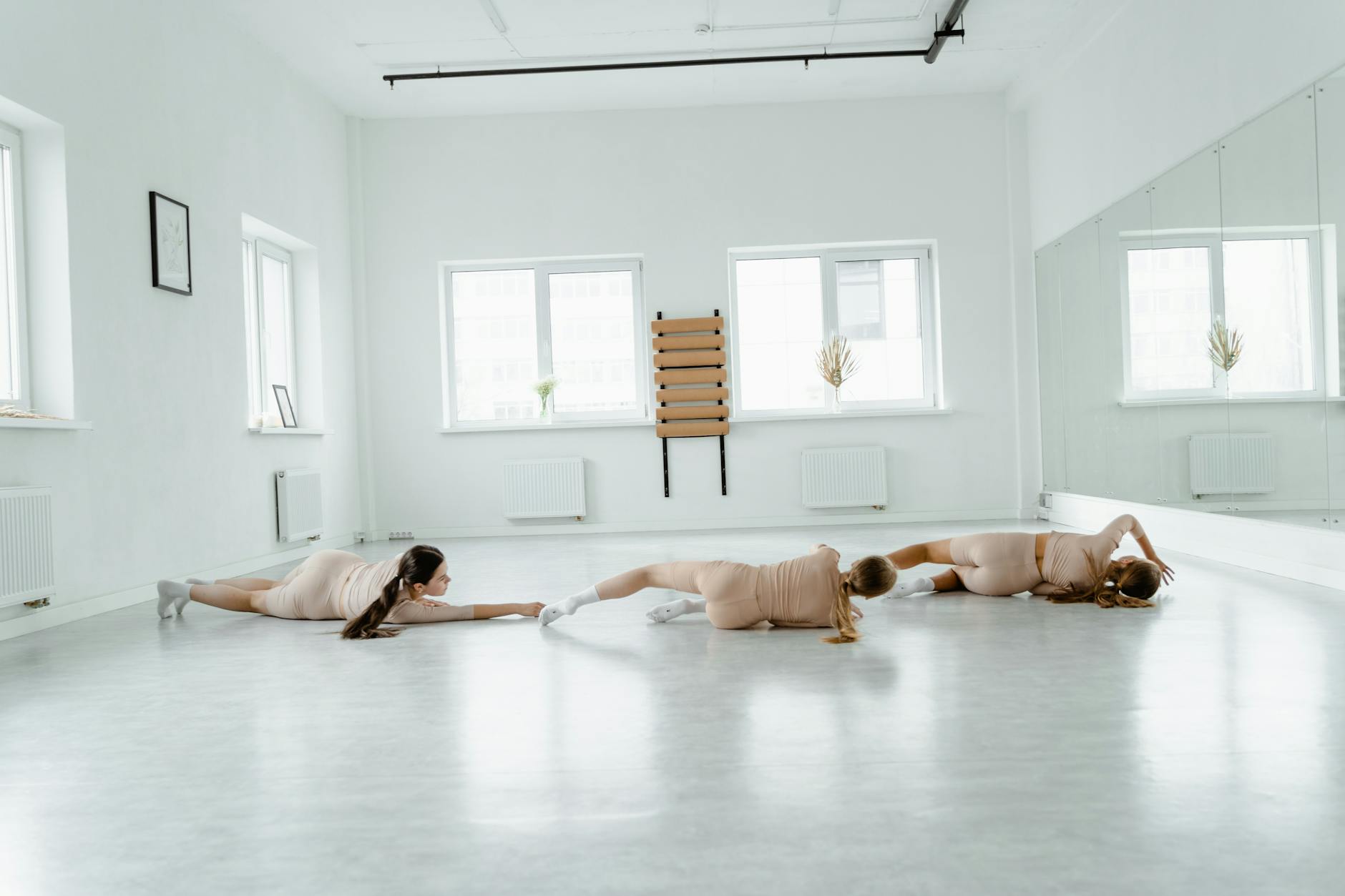
Miami City Ballet took a different approach, partnering with Allbirds to create sustainable dance shoes using merino wool and eucalyptus fibers. The environmentally conscious collaboration aligns with younger dancers’ values while addressing the waste problem inherent in traditional pointe shoe consumption.
Street Style Meets Stage Performance
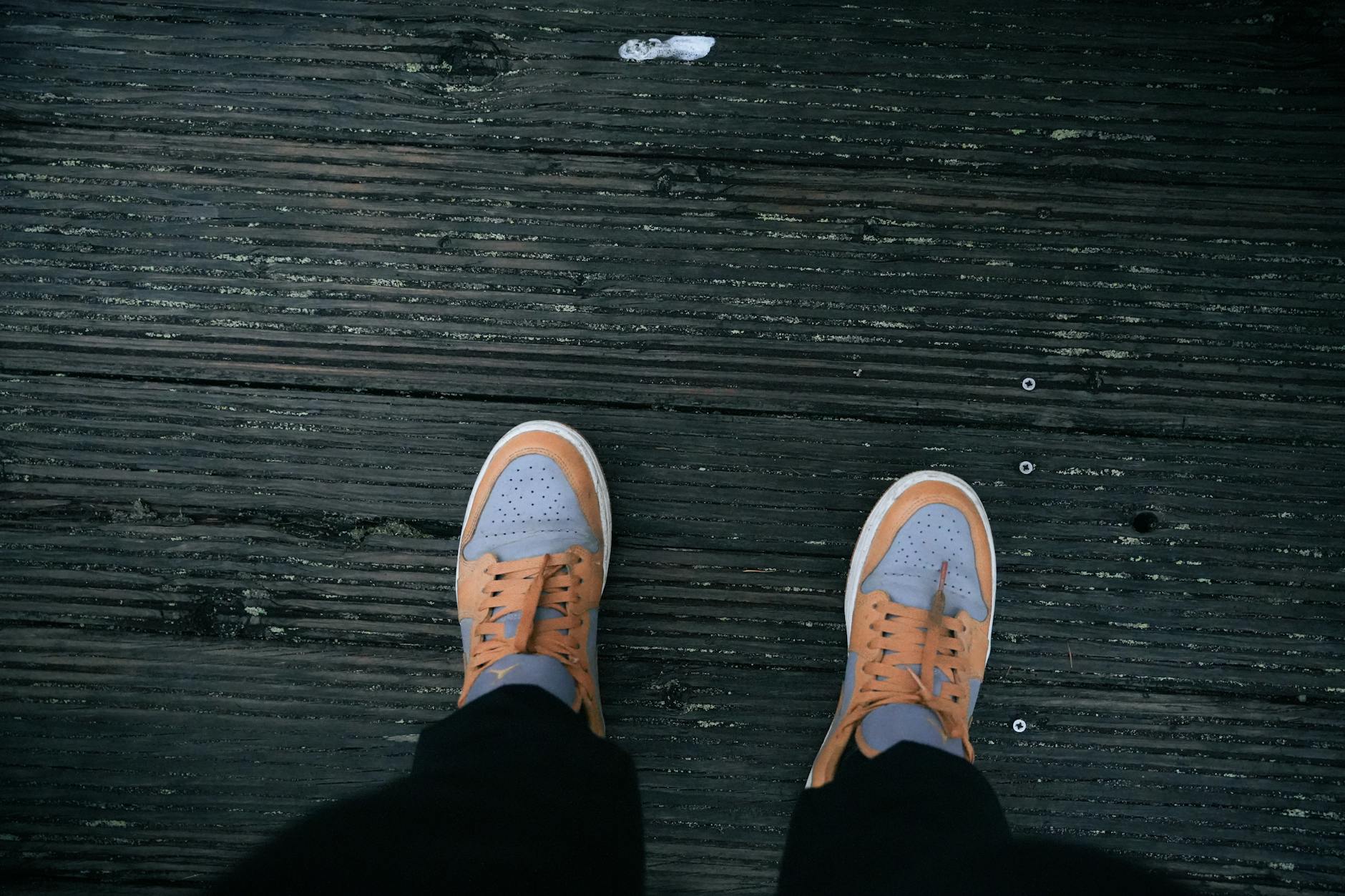
The aesthetic fusion is perhaps the most visible aspect of these collaborations. Rehearsal studios now showcase dancers in sleek, minimalist sneakers that wouldn’t look out of place in high-end streetwear boutiques. This visual shift is influencing dancewear fashion more broadly.
Contemporary choreographers are embracing the new footwear possibilities. Justin Peck’s recent work for New York City Ballet features sequences specifically designed around the grip and flexibility of dance-specific sneakers, creating movement vocabulary that wouldn’t be possible in traditional shoes.
The crossover appeal extends to dance fashion consumers. Limited-edition releases from these collaborations regularly sell out within hours, attracting sneakerheads who appreciate the technical innovation and dance enthusiasts seeking professional-grade training gear. Resale prices often exceed original retail by 300-500%.
Social media has amplified the trend’s visibility. Professional dancers sharing training footage in branded athletic shoes reach audiences far beyond traditional ballet demographics. Instagram posts featuring behind-the-scenes rehearsal moments in stylish sneakers generate significantly more engagement than formal performance photos.
Like the evolution happening in other specialized footwear areas, podiatrists are designing custom orthotics for luxury brands, bringing medical expertise to fashion footwear development.
Innovation in Motion Technology
The technical innovations emerging from ballet-sneaker collaborations are finding applications across athletic footwear. Converse’s work with Alvin Ailey American Dance Theater led to breakthroughs in multi-directional grip patterns that improve performance for basketball players making quick pivots.
Motion capture technology used to analyze dancers’ movements is informing next-generation sneaker design. The precise foot positioning required for ballet creates data sets that reveal previously unknown stress patterns and impact distributions. This information helps engineers design better shoes for runners, tennis players, and other athletes whose sports involve complex footwork.
Several collaborations now incorporate smart textile technology. Under Armour’s partnership with Dance Theatre of Harlem includes sensors embedded in training shoes that track foot pressure, balance distribution, and landing impact. This data helps dancers prevent injuries while providing Under Armour with unprecedented insights into human movement mechanics.
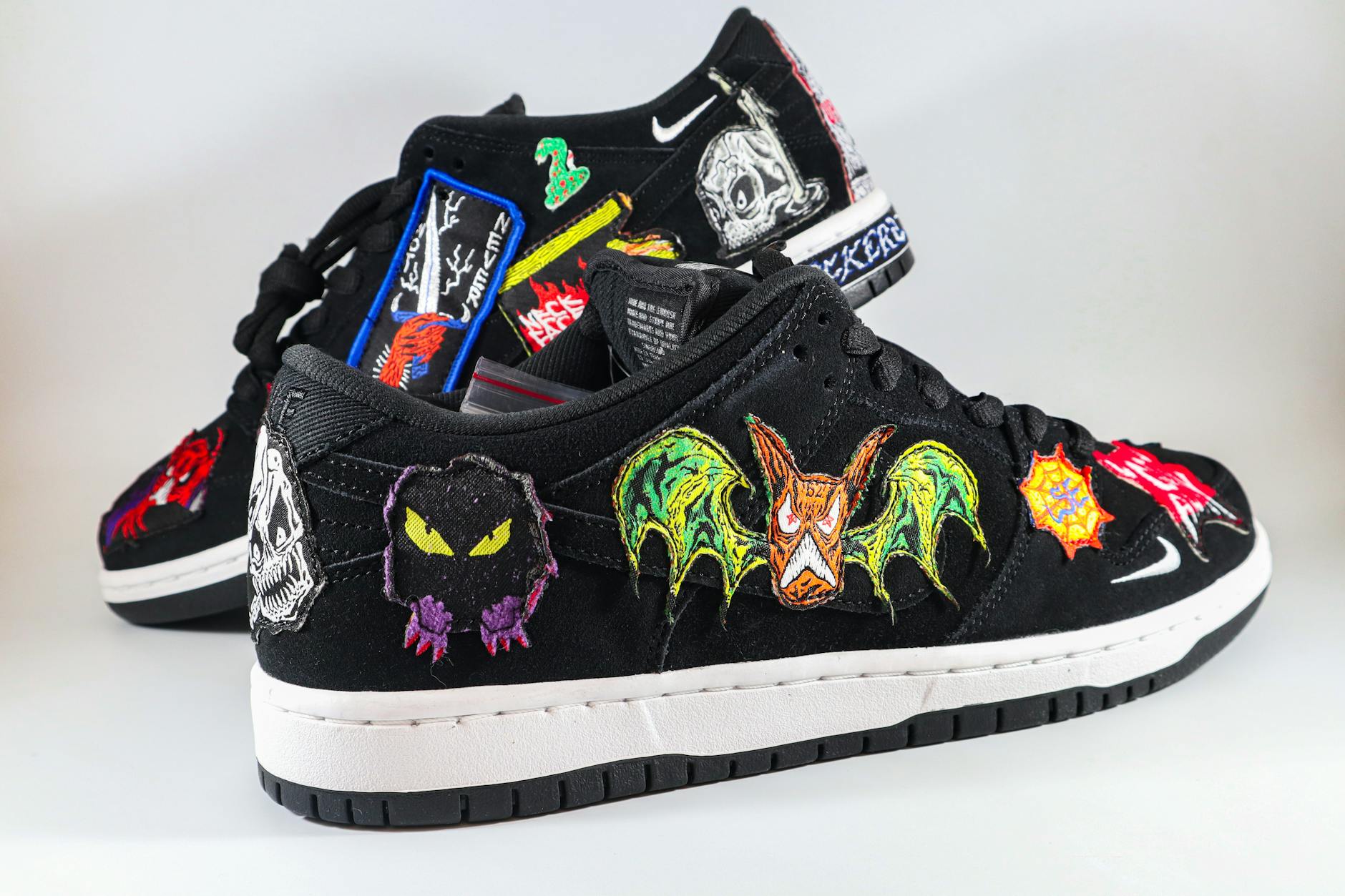
The innovations aren’t limited to performance enhancement. Sustainability concerns are driving development of biodegradable dance shoes and recycling programs for used athletic dance footwear. These initiatives appeal to environmentally conscious consumers while addressing the waste issues created by frequent shoe replacement in professional dance.
The Future of Dance Footwear
Industry analysts predict ballet-sneaker collaborations will expand significantly over the next five years. Major brands are establishing dedicated dance divisions, hiring former professional dancers as consultants, and investing in dance-specific research facilities.
The success of these partnerships is encouraging exploration of other traditional performance footwear markets. Early discussions are underway between athletic brands and opera companies, theater groups, and even symphony orchestras seeking comfort solutions for long performances.
As dance techniques continue evolving and audiences embrace more casual, athletic aesthetics, the line between traditional dance footwear and high-performance sneakers will likely blur further. The result promises to benefit dancers’ health, companies’ budgets, and consumers seeking the perfect fusion of style and function.
Frequently Asked Questions
Why are ballet companies working with sneaker brands?
To develop better footwear that reduces injury risk, lasts longer than traditional pointe shoes, and provides superior cushioning and support for dancers.
Do professional dancers wear sneakers during performances?
Primarily during rehearsals and contemporary pieces, though some companies are incorporating athletic-inspired shoes into certain performance works.