



A Collaboration Rooted in the Amazon
French footwear brand Veja and Brazilian label Misci have joined forces on a sneaker built around one of the Amazon’s most distinctive raw materials: leather sourced from the pirarucu, a large freshwater fish native to the Amazon river. The collaboration reworks Veja’s existing Paulistana retro silhouette, applying the fish-derived material to a design that already carried a distinctly South American identity.
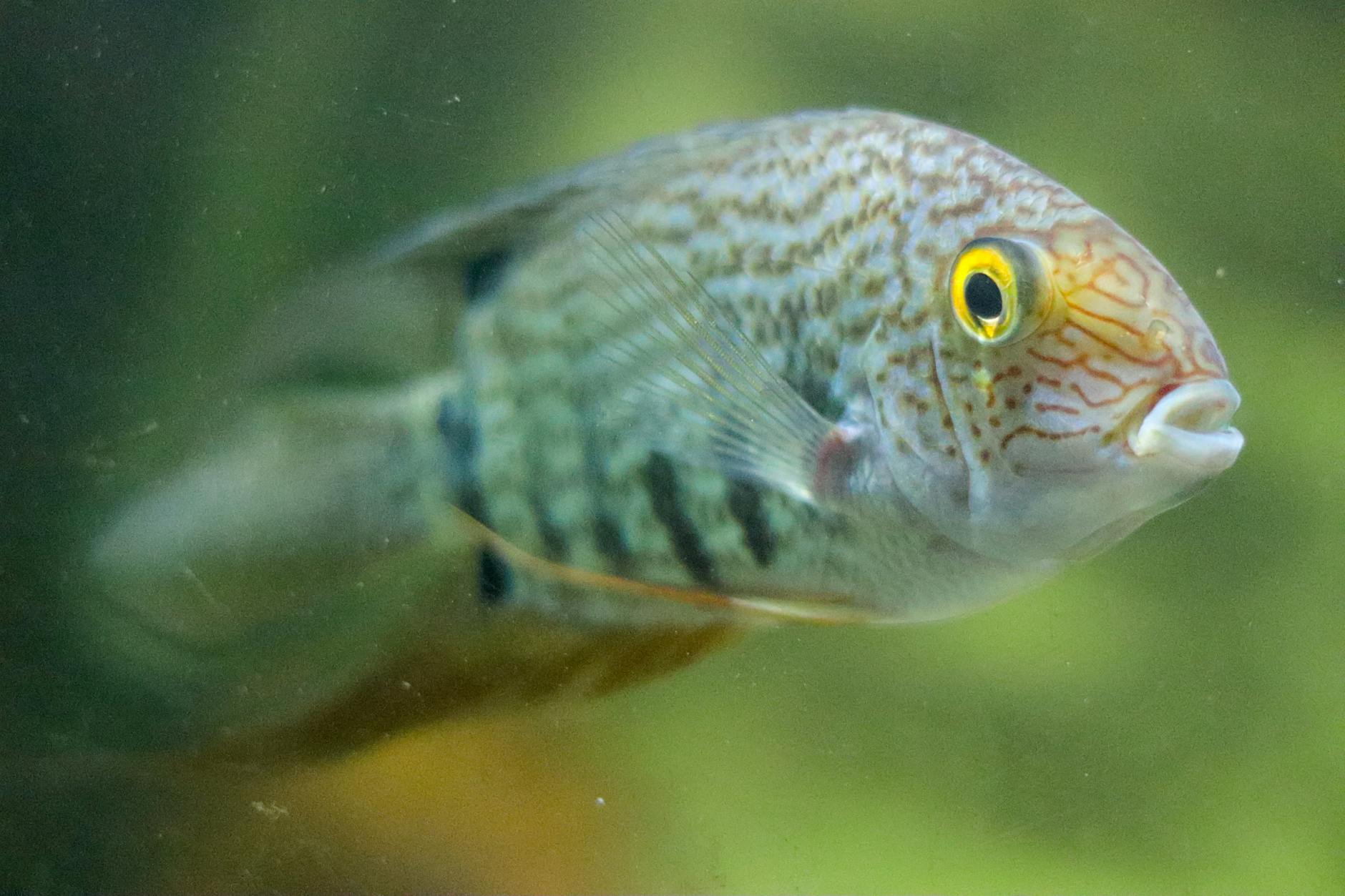
The pirarucu is not an obscure catch – it ranks among the largest freshwater fish in the world, and its scaled skin produces a leather with a texture unlike anything pulled from conventional bovine sources. Using it in a sneaker context pushes the conversation about material sourcing into territory that most footwear brands have yet to seriously explore.
What the Paulistana Brings to the Table
Veja’s Paulistana model was already a nod to São Paulo and the broader Brazilian design sensibility that the Paris-based company has woven into its identity since its founding. The retro profile gives the collaboration a grounded starting point – not a blank canvas, but a silhouette with existing cultural weight. Layering pirarucu leather onto that framework ties the shoe’s aesthetic origin to its material one, both pointing back to Brazil and, more specifically, to the Amazon basin.
Misci, a Brazilian brand, brings local design authority to the project. The partnership positions the collaboration as something developed with geographic and material specificity in mind, rather than an exotic material dropped onto an otherwise generic sneaker shell. That distinction matters when the sourcing story is this central to what the shoe is.
Pirarucu leather has been gaining attention in sustainable and luxury material circles for several years. The fish is farmed in parts of the Amazon region, and regulated harvesting has made its skin available as a byproduct of food production – meaning the leather does not require a separate animal to be raised or slaughtered solely for hide. That supply chain logic is part of why designers and brands working in the sustainability space have started to take it seriously as a viable alternative material.
Material Sourcing as Design Statement
There is an argument to be made that the most interesting thing about this sneaker is not the silhouette but the skin it wears. Pirarucu scales leave a visible pattern in the leather, giving finished goods a surface quality that reads immediately as non-standard. On a sneaker, that texture functions as both a design feature and a signal – a way of making the material’s origin legible to anyone looking closely enough to ask about it.
Veja has built a significant portion of its brand reputation on supply chain transparency, sourcing materials from Brazil and prioritizing organic cotton and sustainably harvested rubber from the Amazon. Adding pirarucu leather to that portfolio is consistent with the direction the company has been moving, though it also marks a step into animal-derived material at a moment when the footwear industry is simultaneously debating the long-term role of leather – fish-based or otherwise – in sustainable product lines.
Where This Fits in the Footwear Landscape
Sneaker collaborations between footwear companies and apparel or lifestyle brands are standard practice at this point, but the material angle here gives the Veja-Misci project a specific hook that separates it from the standard co-branded drop. The Paulistana was not Veja’s most high-profile model before this announcement, which means the collaboration is doing some of its work by drawing attention to a silhouette that might otherwise remain in the background of the brand’s catalog.
For Misci, the pairing offers access to Veja’s distribution and international visibility. The Brazilian label brings design identity and regional credibility; Veja brings the sneaker infrastructure and a consumer base that has already demonstrated willingness to pay attention to where and how a shoe is made. The exchange is straightforward, but the execution depends on whether the shoe itself delivers on the material’s visual promise.
Fish leather as a footwear material is not entirely new – salmon skin has appeared in high-end accessories and niche sneaker releases for years – but pirarucu presents a different scale, literally and figuratively. The fish can grow to over 10 feet in length, producing large sections of hide that are more adaptable to the panel construction required in footwear than smaller fish species. That practical advantage is part of why it has attracted attention beyond novelty applications.
What remains to be seen is how the finished product holds up against the standards consumers apply to premium sneakers – durability, comfort, consistency of material quality across production runs. Exotic leathers have historically faced skepticism in performance-adjacent categories, not because of aesthetic shortcomings but because of questions around how they age, how they respond to moisture, and whether they can be produced at a scale that supports anything beyond a limited release.
Veja and Misci have not announced pricing or a release date as of this writing. The collaboration centers on the Paulistana silhouette with pirarucu leather as its defining material – and whether that combination finds an audience may depend less on the sustainability narrative and more on whether someone picks it up, looks at the surface of that fish skin, and decides they cannot put it back down.