



A Beauty Standard Born Far From Here
When Ukrainian women were forced to leave their country following the outbreak of war, they carried their routines, their standards, and their professional skills with them. Among everything they brought across borders, one detail has caught the attention of nail clients from New York to Los Angeles: a particular approach to the manicure that Ukrainian women have long treated not as a luxury but as a baseline expectation.
Now, that standard is spreading across the globe – and inside the United States, it is building a devoted following fast enough that the term “Ukrainian manicure” has become its own searchable category in beauty culture.
What Exactly Is a Ukrainian Manicure?
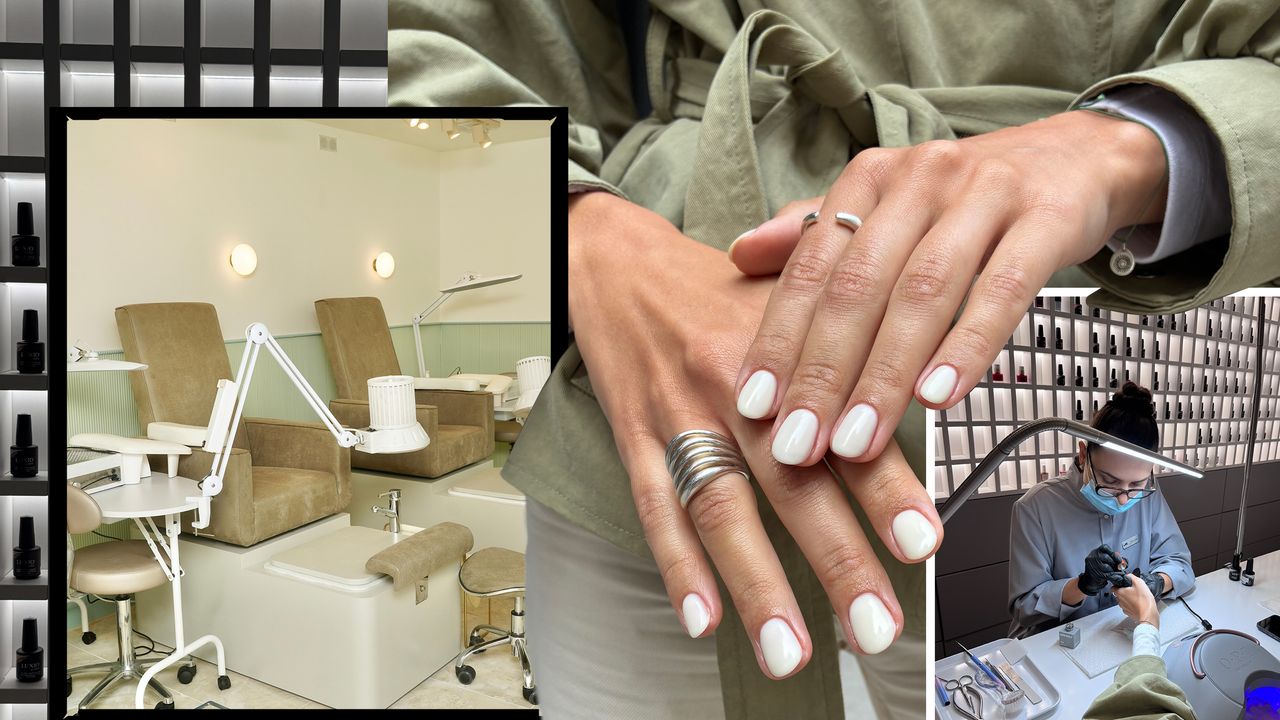
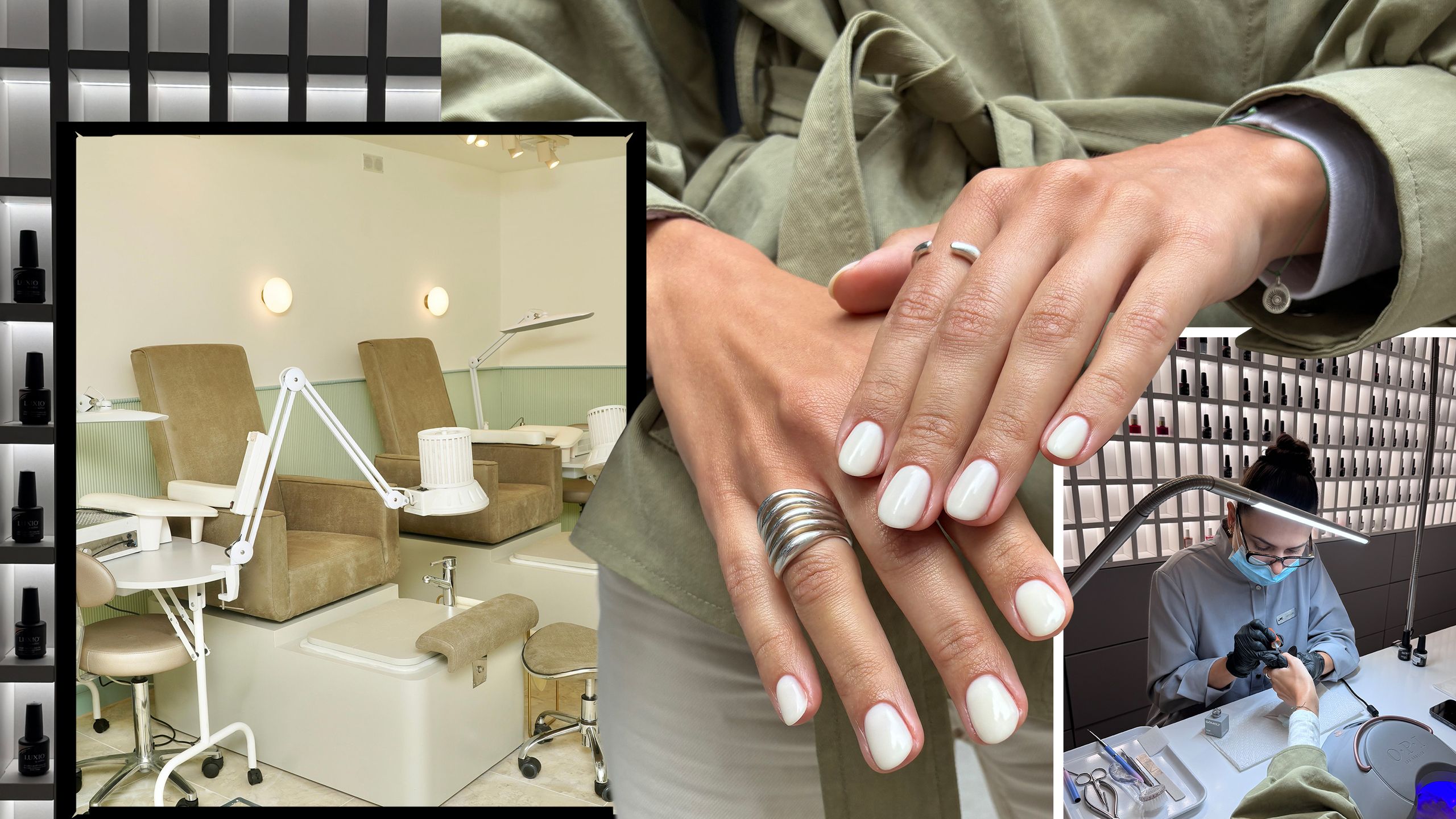
The Ukrainian manicure is a dry technique, which immediately sets it apart from the traditional soak-and-clip approach most American clients grew up with. Rather than softening the skin around the nail in water, the technician works on completely dry hands using an electric file – a tool that, in Ukrainian nail culture, is handled with a level of precision that borders on clinical. The result is an exceptionally clean nail bed, sharply defined cuticles, and an edge that holds longer because the surface beneath the polish has been properly prepared.
Ukrainian nail technicians train for this work seriously. Back in Ukraine, nail care is treated with the same professional rigor applied to cosmetology or esthetics in the West – formal education, technique certification, and continued skill development are standard, not optional. That foundation shows in the finished product. The cuts are closer. The shaping is more exacting. The polish application sits flatter and lasts longer because the prep work underneath it is done at a higher level of detail than most American clients have encountered at a standard nail salon.
The aesthetic that results tends toward the clean and precise rather than the decorative. Cuticle skin is removed rather than pushed back, leaving a longer-looking nail plate with a naturally neat border. Clients often describe the finish as looking almost graphic – like the nail was designed rather than simply painted. For anyone accustomed to cuticles that creep back within days of a salon visit, the difference is noticeable immediately.
Why Displacement Brought It Here
The geographic spread of the Ukrainian manicure is directly tied to the displacement of Ukrainian women after the war began. Many of those women were trained nail technicians – professionals who had built entire careers around this exacting standard. As they resettled across Europe and, eventually, in the United States, they brought their technique into new markets. Some opened their own studios. Others joined existing salons. Word moved from client to client, often through social media, where before-and-after videos of the cuticle work alone were enough to generate serious attention.
That migration pattern created something unusual in the beauty industry: a technique transfer that happened organically, through the movement of skilled workers rather than through a brand campaign or a trend cycle driven by celebrity. The clients finding Ukrainian nail technicians in American cities are largely doing so through direct referral, personal research, or the kind of social media discovery that skips traditional editorial coverage entirely.
The Demand Is Real and Growing
American nail clients have historically accepted a fairly wide margin of inconsistency – uneven cuticle removal, polish that lifts at the edges within a week, shaping that shifts appointment to appointment depending on who picks up the file. The Ukrainian manicure, with its dry-method precision and its training-backed consistency, is landing with clients who have grown impatient with that inconsistency. Once someone experiences the technique, returning to the standard American approach feels like a visible downgrade.
Salons that have added Ukrainian-trained technicians to their rosters are reporting that those technicians often develop the longest client waitlists. The demand is not being manufactured – it is arriving because the results are measurably different, and clients are noticing.
The popularity also touches something beyond pure aesthetics. There is an element of cultural visibility involved. Ukrainian women, navigating enormous disruption, have carried their professional identity into new countries and built clientele on the strength of a skill that predates the war by decades. The manicure itself did not change because the location did. The standard traveled intact.
For American clients, that means access to a technique that was previously confined to a country most of them had never visited. A nail appointment has become, quietly, a point of connection to a culture under enormous pressure – not through symbolic gesture, but through something as concrete and repeatable as the way a cuticle is cut and a nail plate is finished.
What happens to that standard as demand scales – as more salons try to market the term without the training behind it – is the question no one in the industry has answered yet.