




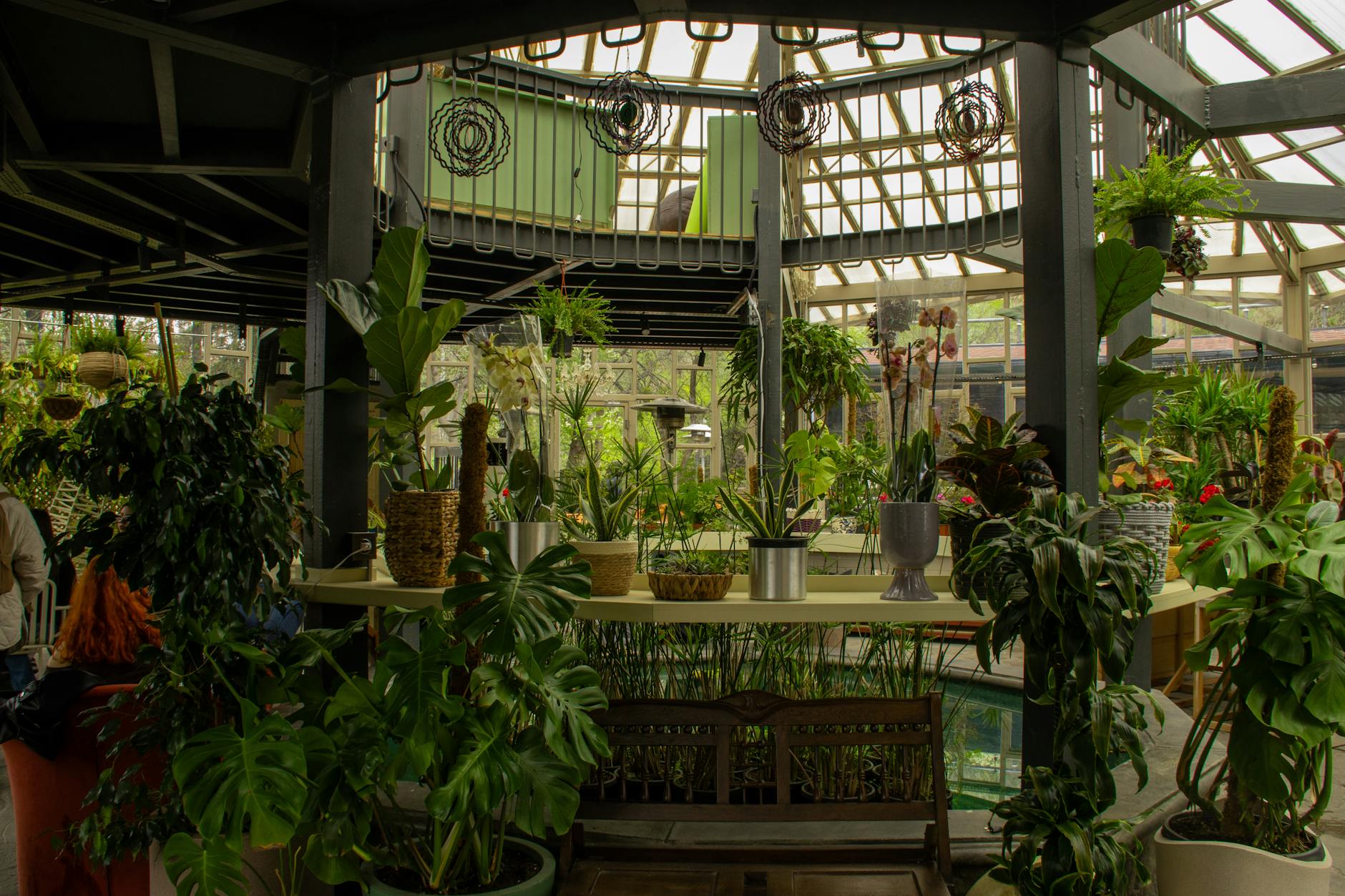
Orchids cascade from steel beams while models navigate between towering palms and exotic blooms. Fashion’s latest obsession isn’t another exclusive venue – it’s the working botanical greenhouse, where living collections provide backdrops more dramatic than any constructed set.
This year, designers from New York to London have discovered that active greenhouse spaces offer something traditional venues cannot: an ever-changing, breathing environment that transforms throughout each season. Unlike sterile gallery spaces or predictable hotel ballrooms, these venues pulse with life, humidity, and the unpredictable beauty of nature in cultivation.
The trend gained momentum when several independent designers began booking greenhouse spaces at botanical gardens, arboretums, and even commercial plant nurseries. What started as budget-conscious venue hunting has evolved into a deliberate artistic choice, with established fashion houses now competing for greenhouse bookings months in advance.
The Appeal of Living Architecture
Working greenhouses provide fashion with its most authentic sustainable backdrop. While brands increasingly trumpet environmental consciousness, showing collections among actively growing plants offers visual proof of commitment beyond marketing speak. The spaces themselves tell stories of cultivation, growth, and seasonal change that resonate with fashion’s own cycles.
The structural elements of greenhouses – curved glass panels, exposed steel frameworks, and industrial ventilation systems – create geometric patterns that complement fashion photography and video production. The interplay of natural light filtering through glass and foliage produces the kind of organic lighting effects that cost thousands to recreate in studios.
More importantly, these venues challenge traditional fashion presentation formats. Models must navigate uneven pathways, step around irrigation systems, and work with natural obstacles that force more authentic movement. The constraint breeds creativity, pushing choreographers and designers to reimagine how clothes move through space.
Practical Challenges and Creative Solutions
Working with active greenhouse facilities requires unprecedented coordination between fashion teams and horticulture staff. Shows must work around watering schedules, temperature controls, and the needs of living collections that cannot simply be moved or adjusted for photography.
Sound systems compete with ventilation fans and water features. Runway layouts follow the natural pathways between plant beds rather than traditional straight lines. Lighting designers must work with existing greenhouse infrastructure, often incorporating grow lights and natural skylights into their schemes.
The humidity levels that keep tropical plants thriving can wreak havoc on hair, makeup, and certain fabrics. Fashion teams have adapted by developing greenhouse-specific beauty protocols and selecting materials that respond well to moisture-rich environments. Some designers now specifically create collections designed to look their best in high-humidity conditions.
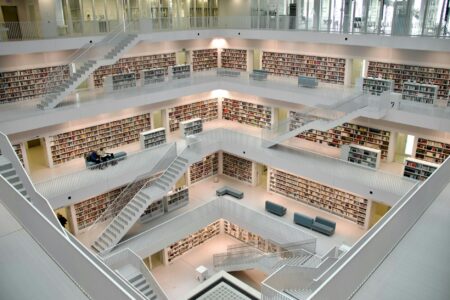
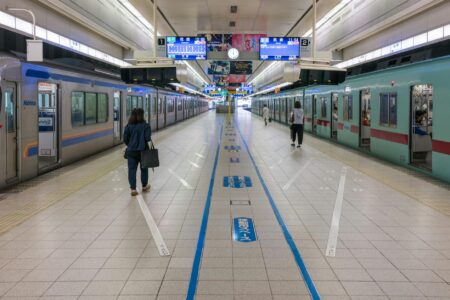
Similar venue innovations are emerging across fashion capitals. Fashion weeks are moving to historic train stations, capitalizing on the drama of active transportation hubs and their architectural grandeur.
The Instagram Effect and Media Impact
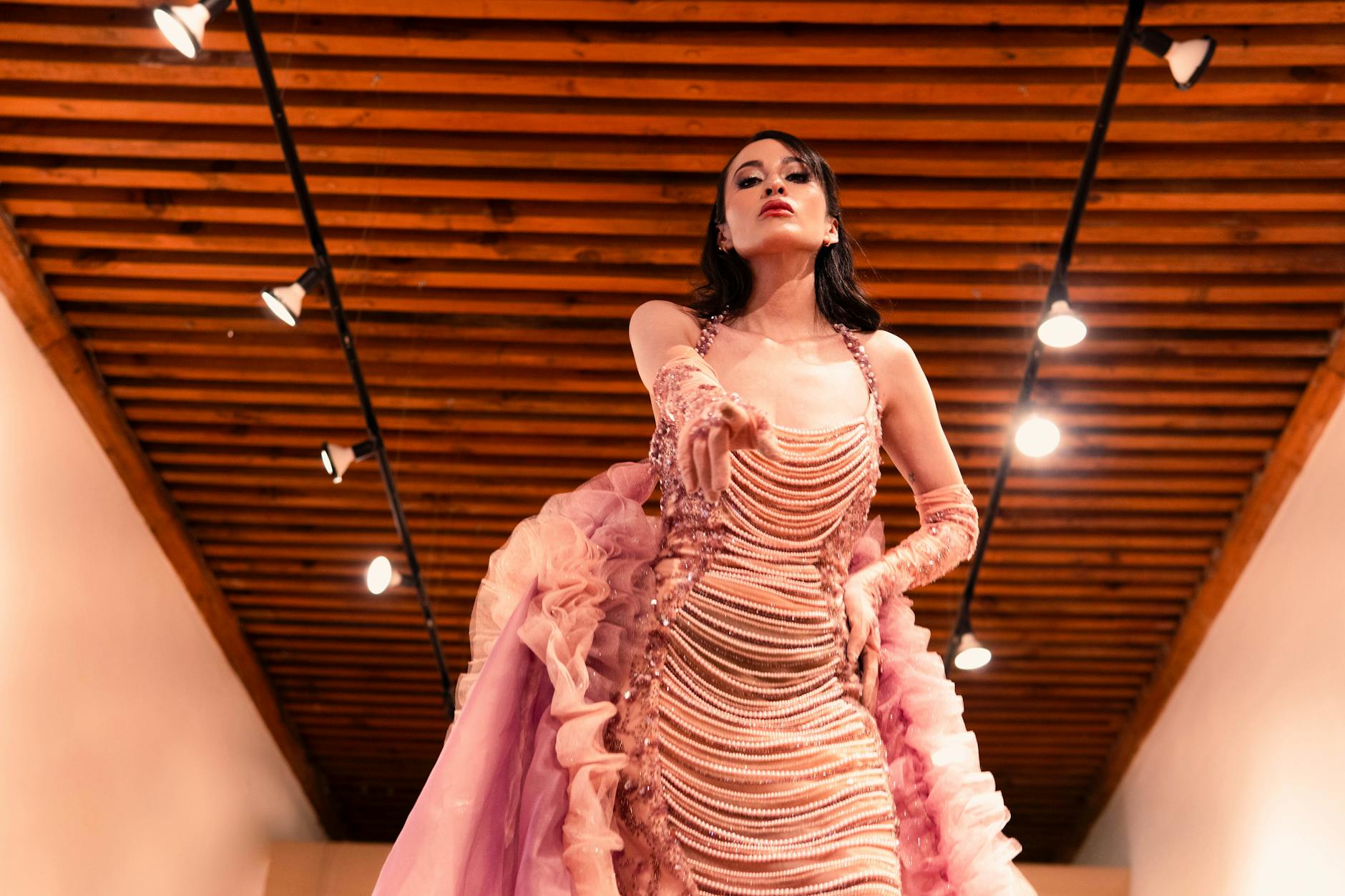
Greenhouse shows generate exceptional social media content. The lush backgrounds provide natural frames for fashion photography, while the unexpected juxtaposition of couture against working agricultural spaces creates shareable moments that traditional venues struggle to match.
Fashion photographers report that greenhouse environments offer unlimited shooting angles and natural backdrops that change throughout the day as light conditions shift. The interplay between cultivated beauty – both botanical and sartorial – produces images with depth and texture that flat backgrounds cannot provide.
Live streaming from greenhouse venues has proven particularly effective, as viewers become invested in the environment itself. Comments frequently focus as much on plant identification and greenhouse architecture as on the clothing being presented. This broader engagement extends fashion’s reach beyond traditional style audiences into gardening, architecture, and sustainability communities.
Media coverage of greenhouse shows typically receives higher engagement rates than conventional venue reports. The novelty factor draws attention, but the visual richness keeps audiences engaged longer than standard runway photography.
Industry Adoption and Future Implications
Major botanical institutions report increased inquiries from fashion brands seeking to book greenhouse spaces for shows, launches, and brand collaborations. Some facilities have begun designating specific greenhouse sections for events, installing permanent power supplies and improved access routes while maintaining their horticultural functions.
Commercial nurseries and plant retailers have emerged as unexpected fashion venues, with some developing event capabilities specifically to serve the fashion industry. This creates new revenue streams for horticultural businesses while providing fashion with more venue options beyond traditional botanical gardens.
The greenhouse trend connects to fashion’s broader movement toward authentic environmental engagement. Rather than simply using nature-themed decorations or sustainable materials, showing in actual growing spaces demonstrates tangible connection to botanical systems and agricultural processes.
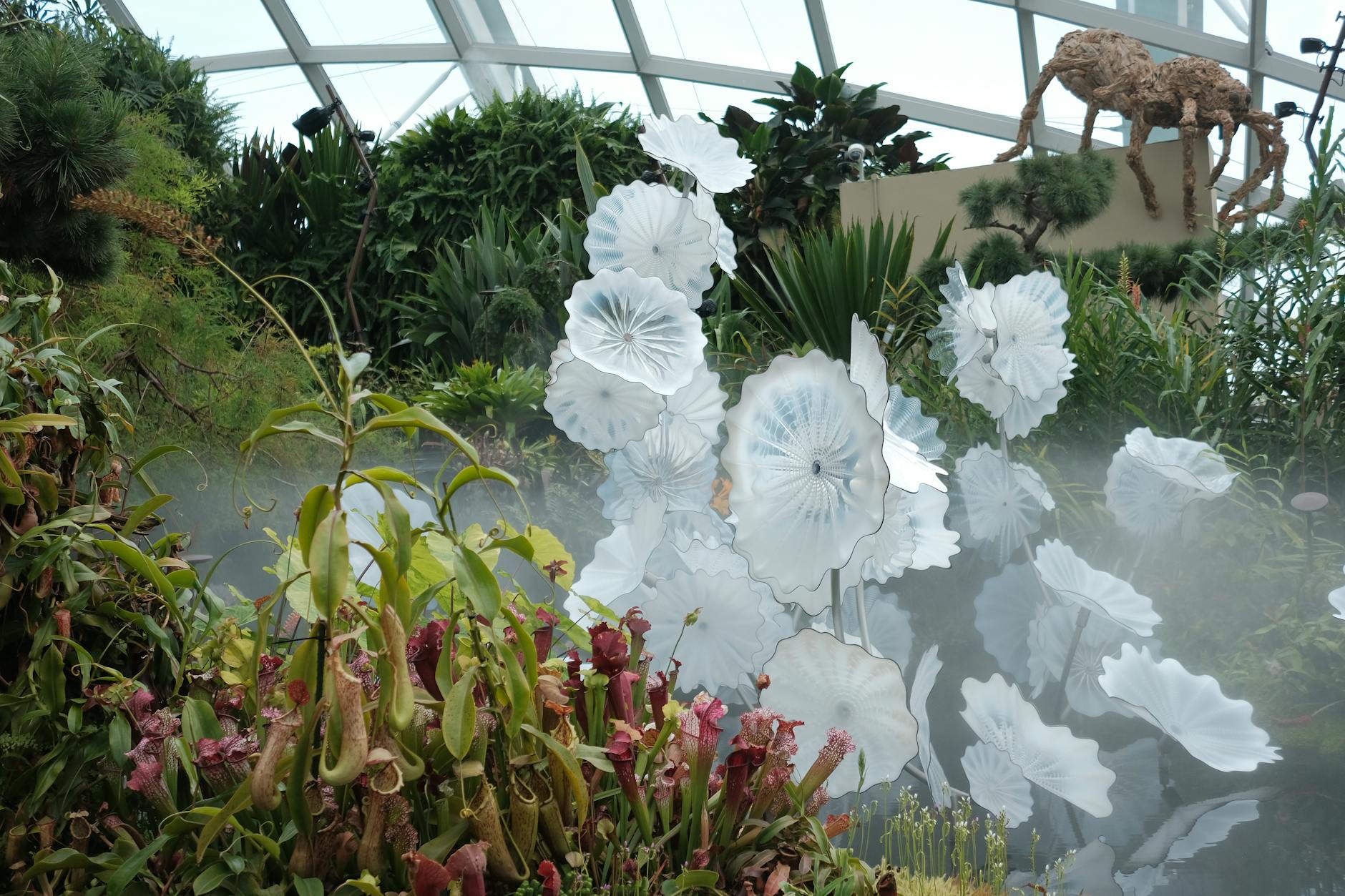
The greenhouse venue trend represents more than aesthetic novelty – it signals fashion’s recognition that authentic environmental engagement requires more than symbolic gestures. As sustainability moves from marketing message to operational necessity, the industry increasingly seeks venues and partnerships that demonstrate genuine environmental integration.
Working greenhouses offer fashion something rare: venues that improve with use, growing more beautiful as their primary function thrives. Unlike constructed sets that deteriorate or traditional venues that remain static, greenhouse spaces evolve constantly, offering different experiences with each season and each show.
The success of greenhouse fashion shows suggests the industry’s future lies not in controlling environments but in adapting to them, creating fashion experiences that work with natural systems rather than against them.
Frequently Asked Questions
Why are fashion shows moving to botanical greenhouses?
Greenhouses offer sustainable backdrops, dramatic natural lighting, and authentic environmental settings that align with fashion’s sustainability messaging.
What challenges do greenhouse venues present for fashion shows?
High humidity affects hair and makeup, uneven pathways require careful choreography, and shows must work around plant care schedules and greenhouse operations.