




The grease stains have been scrubbed away, the tool pockets repurposed for smartphones, and the heavy-duty zippers now close over designer t-shirts instead of work uniforms. Mechanic coveralls, once relegated to auto shops and factory floors, are commanding attention on fashion runways and city streets worldwide.
What started as practical workwear has evolved into one of fashion’s most unexpected success stories. From Balenciaga’s $2,000 interpretations to vintage Dickies selling for premium prices on resale platforms, the utilitarian jumpsuit has found new life among fashion’s elite. The transformation speaks to a broader cultural shift toward authenticity and function-first design that’s reshaping how we dress.
From Workshop to Runway: The Luxury Makeover
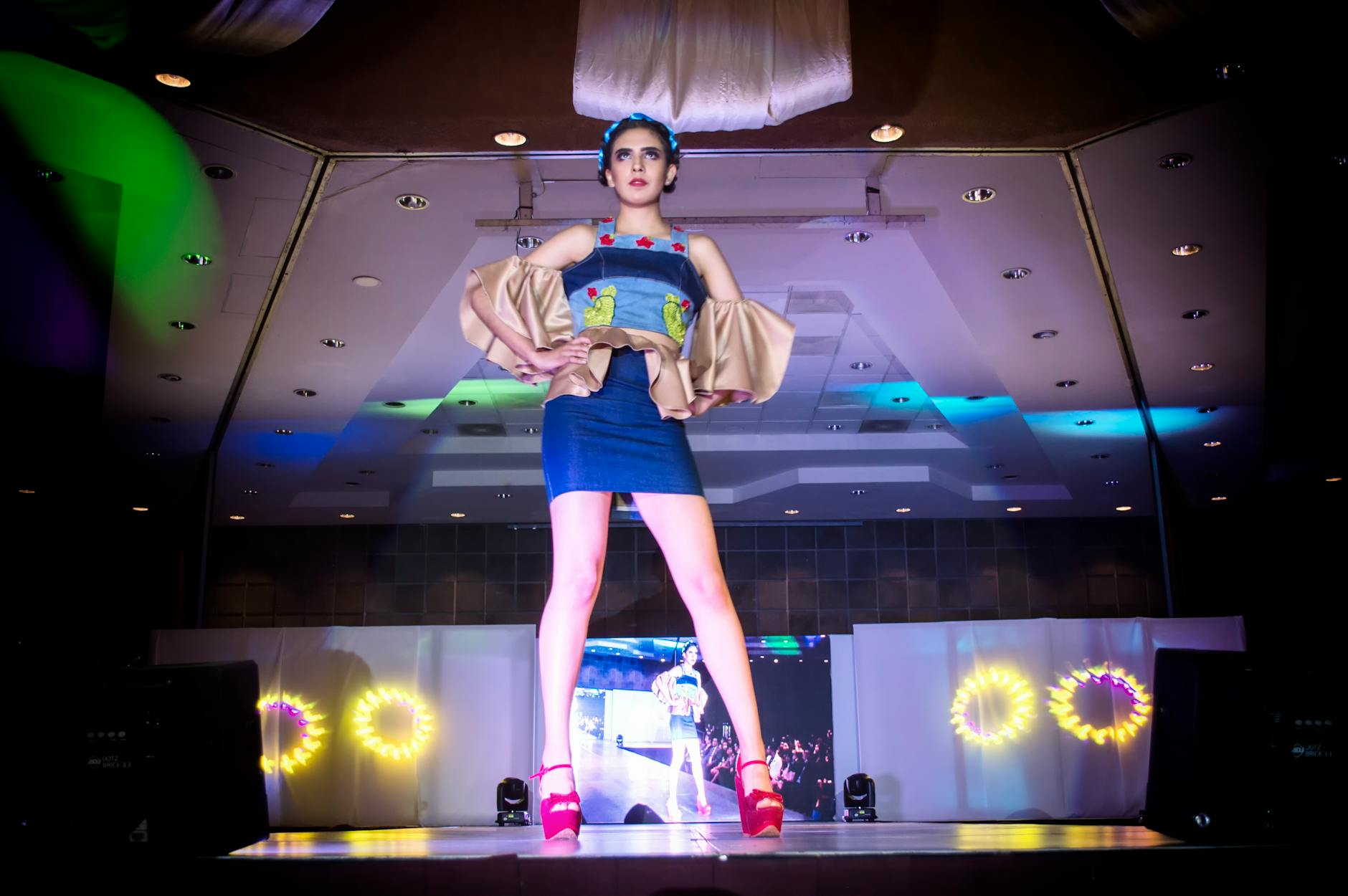
High-end fashion houses have embraced the coverall silhouette with surprising enthusiasm. Bottega Veneta’s recent collections featured sleek leather versions that retained the classic front zip and chest pockets while elevating the garment with premium materials. Prada’s take incorporated their signature nylon, transforming the industrial aesthetic into something distinctly modern and refined.
The appeal lies in the coverall’s inherent practicality merged with contemporary minimalism. Unlike traditional workwear adaptations that strip away functional elements, luxury coveralls often enhance them. Extra pockets become design features, reinforced knees add visual interest, and utilitarian hardware serves as unexpected jewelry.
Isabel Marant’s workshop-inspired pieces have become particularly coveted, selling out within hours of release. The French designer’s ability to capture the authentic spirit of workwear while infusing it with effortless Parisian style has resonated with fashion insiders who appreciate both form and function. Her coveralls maintain the relaxed fit and practical details that make the garment genuinely useful, not just aesthetically pleasing.
Celebrity adoption has accelerated the trend’s mainstream acceptance. Hailey Bieber has been photographed multiple times in vintage Carhartt coveralls, styled with designer accessories and sneakers that cost more than most people’s monthly rent. Her approach demonstrates how the garment can bridge different fashion worlds, pairing blue-collar functionality with luxury finishing touches.
The Vintage Market Explosion
Original workwear coveralls have become hot commodities on resale platforms, with vintage Dickies and Carhartt pieces commanding prices that would surprise their original wearers. Well-worn coveralls with authentic patina and fading sell for significantly more than pristine versions, as buyers seek the credibility that comes with genuine wear patterns.
The vintage market’s enthusiasm for authentic workwear reflects a broader desire for clothes with history and character. Unlike fast fashion’s synthetic perfection, these garments tell stories through their scuffs and stains. Collectors specifically seek pieces from defunct gas stations, repair shops, and manufacturing companies, treating name patches and company logos as badges of authenticity.
This trend mirrors the broader movement toward vintage workwear becoming status symbols across different professional environments. What was once purely functional clothing has gained cultural cachet through scarcity and nostalgia for American manufacturing heritage.
Specialized dealers now curate vintage workwear collections with the same attention to provenance and condition typically reserved for luxury handbags. They educate customers about different manufacturers, fabric weights, and historical details that determine value. A 1950s mechanic’s coverall with original patches and hardware can sell for ten times its contemporary equivalent’s price.
Street Style and Social Media Influence
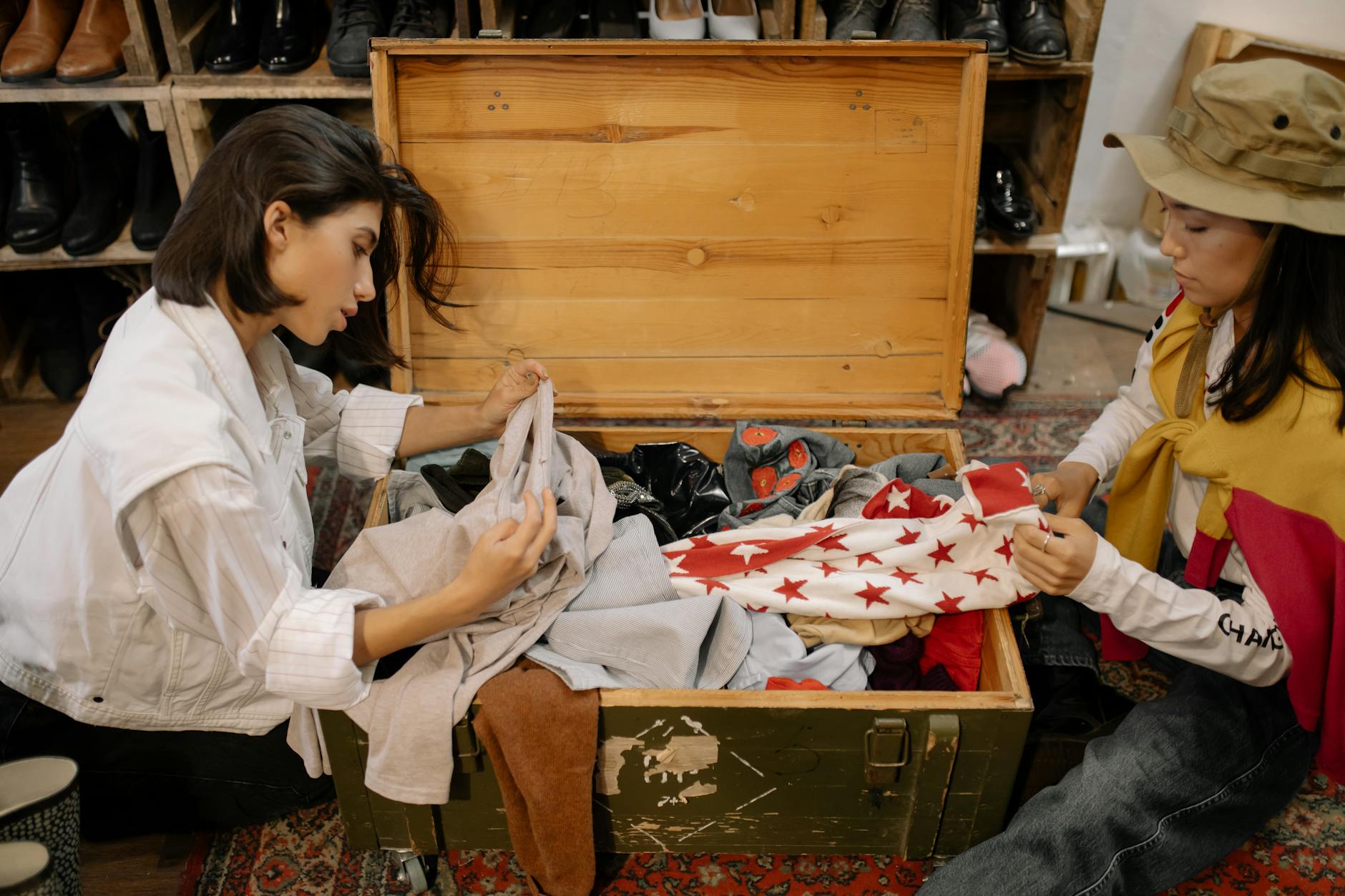
Instagram and TikTok have played crucial roles in popularizing mechanic coveralls beyond fashion week attendees. Influencers discovered the garment’s photogenic qualities – the clean lines photograph well, the numerous pockets create interesting silhouettes, and the utilitarian aesthetic projects an image of authenticity that resonates with younger audiences.
The coverall’s versatility makes it ideal for content creation. Style influencers demonstrate multiple ways to wear the same piece: belted for a fitted silhouette, layered over turtlenecks for cooler weather, or paired with heels for unexpected contrast. This adaptability provides the variety that social media demands while maintaining the consistent aesthetic that builds brand identity.
Street style photographers at fashion weeks worldwide have documented the trend’s evolution from novelty to staple. Early adopters wore obviously new, pristine coveralls that appeared costume-like. Current interpretations show more sophistication, with wearers choosing pieces that appear genuinely functional and pairing them with accessories that enhance rather than contradict the utilitarian theme.
The garment’s gender-neutral nature has contributed to its widespread adoption. Unlike many fashion trends that target specific demographics, coveralls work equally well on different body types and personal styles. This inclusivity aligns with contemporary fashion’s move toward less restrictive, more democratic clothing choices.
The Psychology of Dressing Down
The coverall trend reflects broader cultural changes around work, status, and authenticity. As traditional office environments become less common and remote work normalizes casual dress, the boundaries between work clothes and lifestyle wear continue to blur. Wearing mechanic coveralls signals appreciation for honest labor and practical design in an increasingly digital world.
This shift parallels the acceptance of cargo pants in business casual settings, where function-first design challenges conventional professional dress codes. Both trends suggest that contemporary fashion values competence and practicality over traditional formality.
Psychologically, wearing workwear provides a connection to tangible productivity in an era dominated by abstract digital labor. The physical reality of pockets designed for tools and fabrics built for durability offers comfort to people whose daily work rarely produces visible results. It’s fashion as fantasy, allowing desk workers to temporarily inhabit the identity of people who fix things with their hands.
The trend also represents a form of aspirational dressing, but instead of aspiring upward toward luxury, it aspires toward authenticity and competence. In a culture that increasingly values practical skills and self-sufficiency, dressing like someone who can repair engines becomes a form of borrowed credibility.
The future of mechanic coveralls in fashion appears secure, with both luxury brands and mainstream retailers expanding their workwear-inspired offerings. As sustainability concerns drive consumers toward durable, versatile clothing, the coverall’s practical advantages align perfectly with evolving purchase priorities. The garment that once symbolized blue-collar labor has been recontextualized as a solution for modern life’s demands for both style and functionality.
This transformation suggests that fashion’s next innovations may come not from inventing new silhouettes, but from reimagining existing functional clothing for contemporary needs. The mechanic coverall’s journey from workshop to runway demonstrates that authenticity, when properly translated, can become fashion’s most powerful currency.
Frequently Asked Questions
Why are mechanic coveralls becoming popular in fashion?
They represent authentic, functional design that aligns with contemporary values of practicality and sustainability while offering versatile styling options.
How much do vintage mechanic coveralls cost?
Vintage coveralls with authentic wear patterns can sell for significantly more than new versions, with rare pieces commanding premium prices on resale platforms.