




Winter’s New Secret Weapon
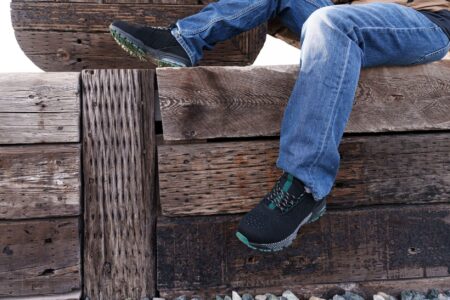
Fashion influencer Sarah Chen was halfway up a snow-covered mountain in Colorado when her feet went completely numb. Despite wearing designer winter boots that cost more than most people’s monthly rent, the cold cut straight through to her bones. That experience led her to discover heated insoles – battery-powered foot warmers that slip inside any shoe or boot.
“I thought I had to choose between looking good and staying warm,” Chen says. “These insoles changed everything.” Her Instagram post about heated insoles garnered 50,000 likes and sparked dozens of comments from followers asking where to buy them.
Chen isn’t alone. Heated insoles are quietly revolutionizing how outdoor fashion enthusiasts approach cold-weather dressing. What started as equipment for extreme athletes and outdoor workers has crossed into mainstream fashion, driven by a generation that refuses to compromise style for comfort.
From Function to Fashion Statement
Heated insoles work through rechargeable lithium-ion batteries that power thin heating elements embedded in flexible material. Users control temperature through smartphone apps or simple button controls. Most models offer 6-10 hours of heat on a single charge, with temperature settings ranging from mild warmth to intense heat.
The technology isn’t new – heated insoles have existed for decades in industrial and military applications. What’s changed is the design. Modern versions are slim enough to fit in dress shoes, stylish boots, and even high-end sneakers without altering the fit or appearance.
Brands like ThermaCELL, Hotronic, and Warmawear now offer insoles specifically marketed to fashion-conscious consumers. They feature sleek designs, wireless connectivity, and packaging that looks more like premium electronics than outdoor gear.
“We’re seeing customers who would never set foot in a camping store,” says Marcus Rivera, who manages outdoor retail at several upscale sporting goods stores. “They want technical performance in their everyday shoes.”
The heated insole market has grown significantly over the past three years, according to outdoor industry reports. Online searches for “heated insoles” spike every October and remain elevated through March, with the strongest interest coming from urban areas rather than traditional outdoor recreation markets.
Celebrity Endorsement and Social Media Buzz
Professional skier and fashion icon Mikaela Shiffrin mentioned heated insoles in a podcast interview about her off-season training gear. Within weeks, several models and influencers posted about trying them during winter fashion shoots and city walks.
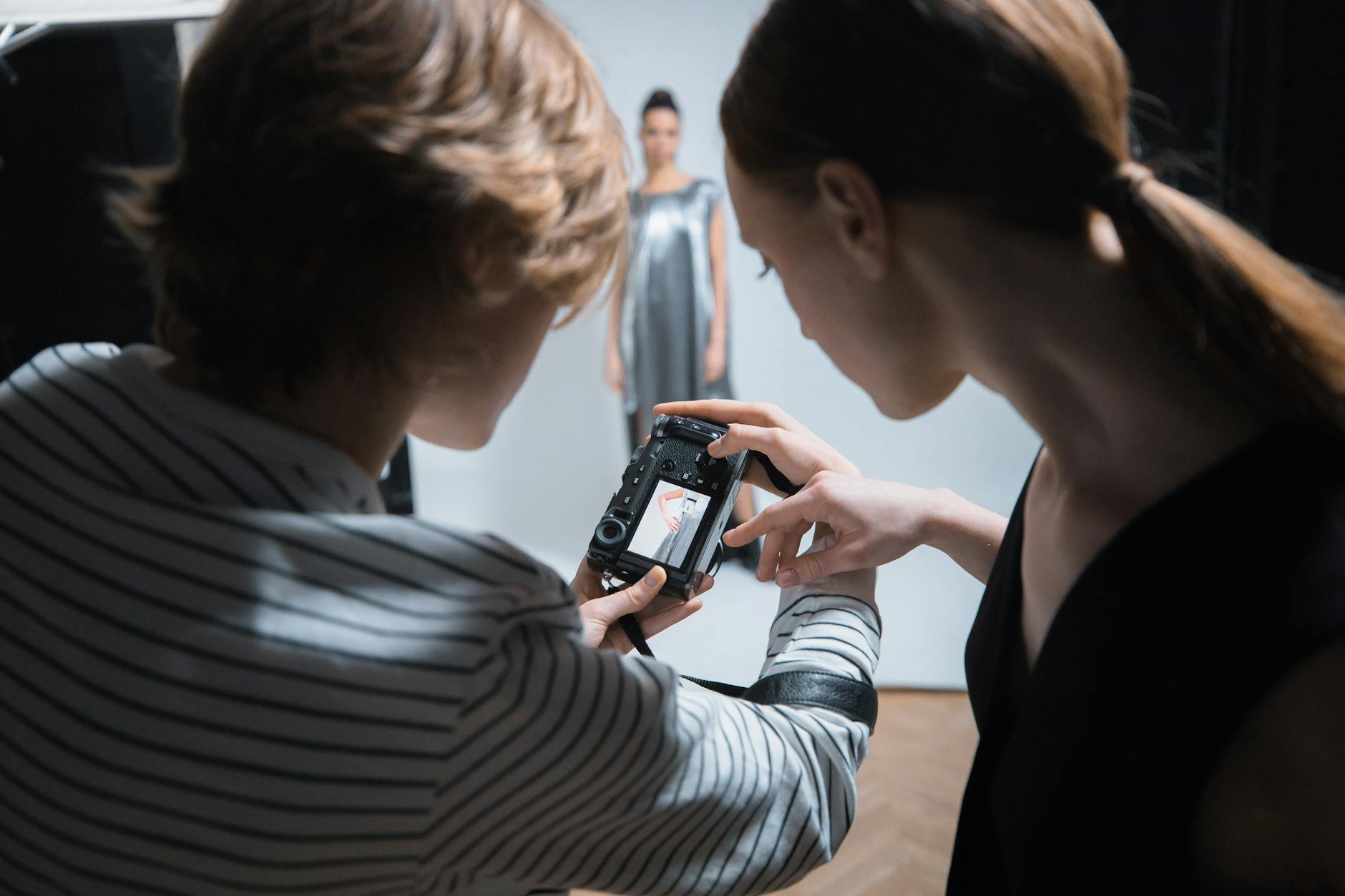
The appeal extends beyond just warmth. Fashion photographers report that heated insoles allow models to work longer during outdoor winter shoots, maintaining natural poses and expressions instead of suffering through cold-induced discomfort.
“It’s changed how we approach winter campaigns,” says commercial photographer Jake Matthews. “Models can focus on the clothes and the shot instead of fighting hypothermia.”
Social media platforms show thousands of posts tagged with variations of “heated insoles,” often paired with outfit photos and fashion content. The comments reveal a community sharing tips about which insoles work best with specific shoe brands and styles.
The trend aligns with broader changes in fashion priorities. Just as podiatrists are designing custom orthotics for luxury brands, heated insoles represent the intersection of health, comfort, and style that defines modern fashion sensibilities.
Technical Innovation Meets Street Style
Recent innovations address fashion-specific concerns that earlier heated insoles ignored. New models feature ultra-thin profiles that don’t create bulk in fitted shoes. Some brands offer different heating zones – heel and toe warmth without heating the arch area that might make feet sweat.
Wireless charging cases disguised as leather accessories let users recharge insoles discreetly during long days out. Premium versions include moisture-wicking materials and antimicrobial treatments that address hygiene concerns.
The technology has caught attention from traditional footwear brands. Several major shoe companies are reportedly developing built-in heating systems for their premium lines, though none have announced specific launch dates.
Fashion retailers are starting to stock heated insoles alongside regular accessories. Department stores that never carried outdoor gear now feature dedicated displays for heated insoles, often positioned near designer boots and luxury outerwear.
“It’s become another layer of the winter wardrobe,” explains retail analyst Jennifer Park. “Like thermal underwear, but for your feet.”
Color options have expanded beyond basic black to match fashion sensibilities. Some brands offer insoles in multiple colors to coordinate with specific shoes, while others focus on creating insoles that work invisibly inside light-colored or open-styled footwear.
The Future of Footwear Technology
Industry experts predict heated insoles represent just the beginning of technological integration in everyday footwear. Development continues on thinner batteries, more efficient heating elements, and smart features that learn individual temperature preferences.
Some prototypes include GPS tracking, step counting, and pressure mapping – essentially turning heated insoles into comprehensive foot health monitors. These features appeal to the same consumers driving demand for other health-focused fashion technologies.
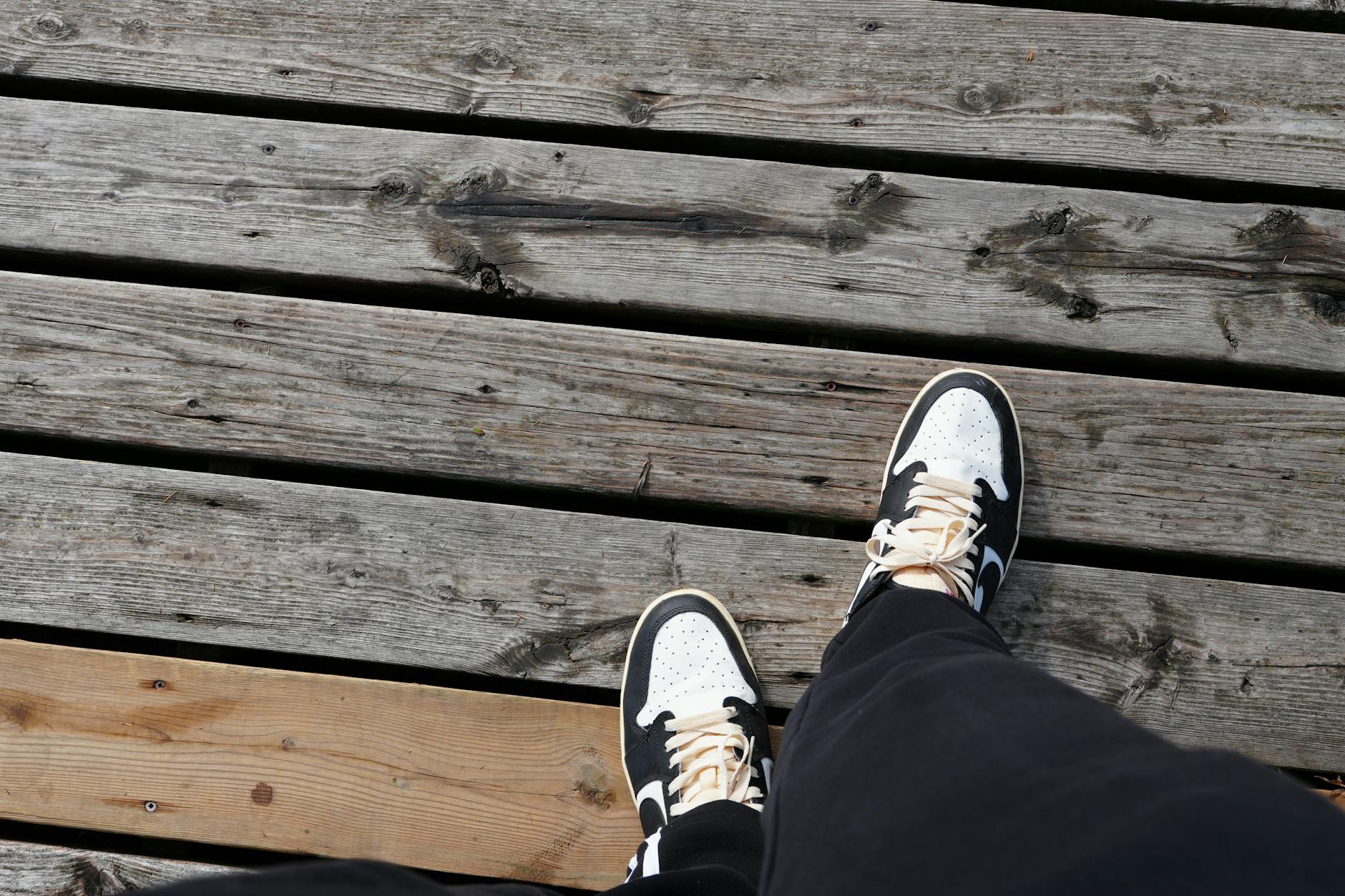
The success of heated insoles has opened conversations about other technological additions to fashion accessories. Similar battery-powered warming technology is appearing in gloves, scarves, and even jacket linings designed for everyday wear rather than extreme sports.
Fashion week coverage increasingly includes mentions of the technical gear that makes outdoor shows possible. As climate change creates more unpredictable weather patterns, the demand for adaptable fashion solutions continues growing.
The heated insole trend reflects a fundamental shift in how consumers think about fashion versus function. Rather than choosing between looking good and feeling comfortable, modern consumers expect both. This expectation drives innovation across the fashion industry, from physical therapist-designed heels changing corporate style to technical fabrics in luxury clothing.
As temperatures drop and fashion months continue, heated insoles are establishing themselves as more than a temporary trend. They represent the future of fashion technology – invisible, effective, and essential for anyone who refuses to let weather dictate their style choices.
Frequently Asked Questions
How long do heated insoles last on a single charge?
Most heated insoles provide 6-10 hours of warmth on a single charge, depending on temperature settings and battery capacity.
Can heated insoles fit in regular fashion shoes?
Yes, modern heated insoles are designed to be thin enough for dress shoes, boots, and sneakers without affecting fit or appearance.