


Personal branding has evolved far beyond LinkedIn headshots and elevator pitches. Today’s executives, influencers, and entrepreneurs are hiring fragrance consultants to craft signature scents that become part of their professional identity. This emerging service sector combines olfactory psychology with strategic personal marketing, creating invisible yet powerful brand extensions that linger long after business meetings end.
The practice gained momentum during the pandemic as virtual interactions dominated professional life. When face-to-face meetings resumed, many sought ways to make more memorable impressions. Fragrance consultants bridge the gap between luxury perfumery and corporate strategy, developing custom scents that align with personal brand values and professional goals.
The Science Behind Scent and Memory
Fragrance consultants leverage decades of research linking smell to memory formation and emotional response. The olfactory bulb connects directly to the limbic system, the brain region responsible for emotion and memory. This biological pathway makes scent one of the most powerful triggers for recall and association.
Dr. Rachel Herz’s research at Brown University demonstrated that scent-triggered memories are more emotional and vivid than those prompted by other senses. Fragrance consultants apply this science to personal branding, creating scent profiles that enhance professional memorability.
The process typically begins with extensive consultation about career goals, personality traits, and brand positioning. Consultants analyze factors like industry culture, target audience, and desired professional perception. Tech executives might receive recommendations for clean, minimalist scents that convey innovation and precision, while creative professionals could explore more complex, artistic compositions.
Leading fragrance consultant Sarah Chen, based in New York, reports working with everyone from startup founders to Fortune 500 CEOs. Her clients undergo personality assessments and brand audits before scent development begins. The process mirrors traditional brand development, examining values, mission, and market positioning through an olfactory lens.
Custom Scent Development Process
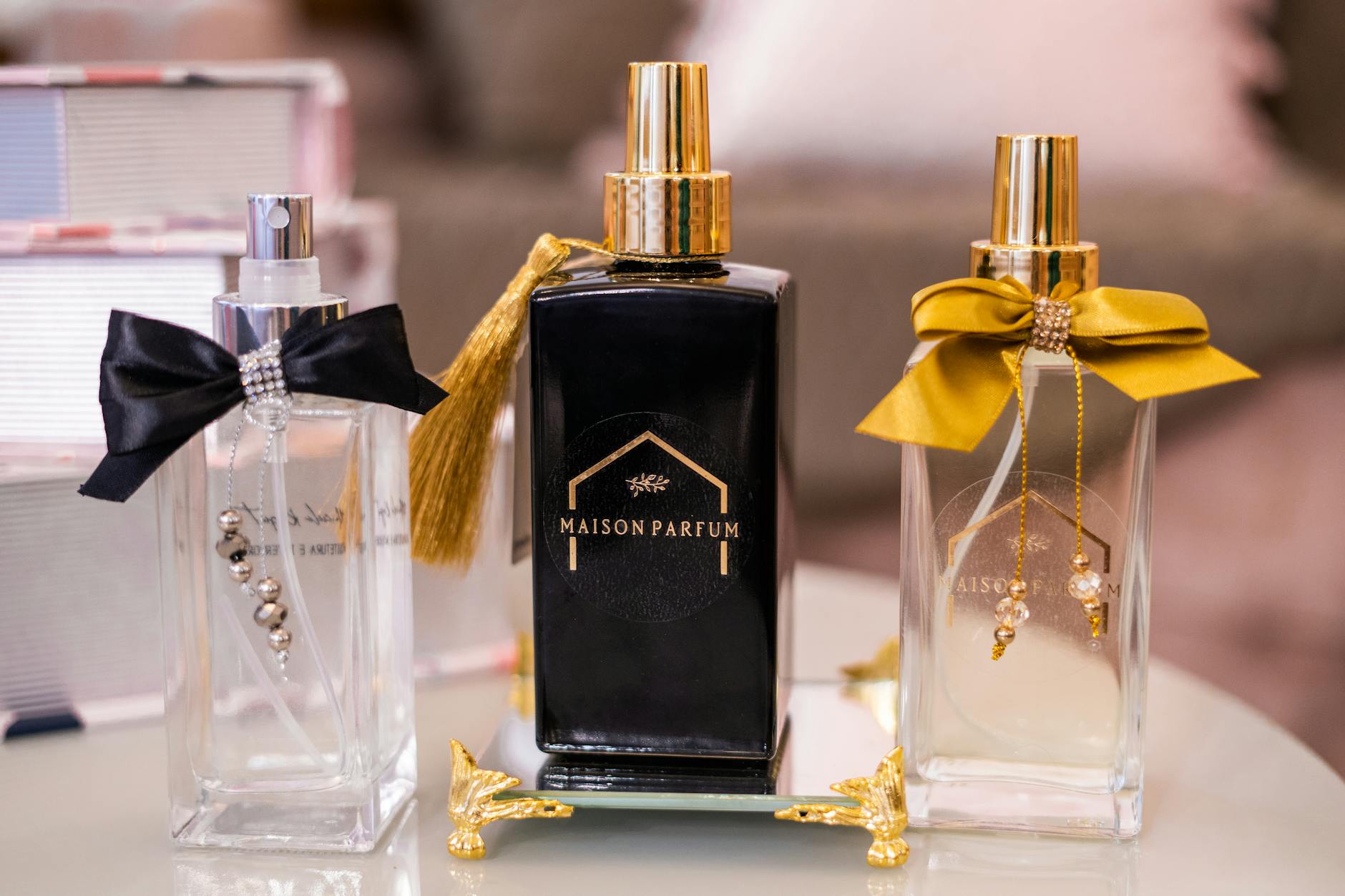
Professional fragrance consultation extends far beyond selecting department store perfumes. The service involves creating entirely custom compositions tailored to individual brand strategies. Consultants work with master perfumers and fragrance houses to develop unique formulations that can’t be purchased elsewhere.
The development timeline typically spans three to six months. Initial consultations establish scent preferences, lifestyle factors, and professional requirements. Many clients request different formulations for various contexts – lighter compositions for daytime meetings and more complex blends for evening events or industry galas.
Consultants consider practical factors beyond brand alignment. Scent longevity, projection levels, and seasonal variations all influence formulation decisions. Executives traveling frequently need compositions that perform consistently across different climates and humidity levels.
Quality ingredients drive pricing in this sector. Natural essential oils, rare botanicals, and artisanal extraction methods command premium fees. Clients investing in signature scent development often view the expense as brand marketing rather than personal luxury, categorizing fees alongside other professional development costs.

Industry Applications and ROI
Different industries embrace scent branding with varying degrees of acceptance and strategy. Real estate professionals lead adoption rates, recognizing how signature scents can influence property showings and client relationships. Luxury goods executives follow closely, understanding sensory marketing’s importance in premium positioning.
Tech industry adoption reflects the sector’s growing attention to personal branding. As tech CEOs increasingly hire professional wardrobe therapists, many extend their brand development efforts to include olfactory elements. Silicon Valley consultants report particular interest in scents that convey innovation without overwhelming the typically casual tech workplace culture.
Healthcare and finance sectors approach scent branding more conservatively. Professionals in these fields often request subtle compositions that enhance presence without seeming unprofessional. Consultants develop lighter formulations that project confidence while maintaining appropriate workplace boundaries.
Measuring return on investment proves challenging but not impossible. Clients track metrics like meeting recall rates, follow-up response times, and relationship development speed. Several consultants survey client contacts anonymously to gauge scent impact on professional perception and memorability.
Fragrance consultant Maria Rodriguez in Los Angeles maintains detailed case studies tracking client outcomes. Her data suggests that executives with signature scents report 23% higher rates of follow-up meetings and 18% faster deal closure times, though she acknowledges multiple variables influence these results.
Market Growth and Accessibility
The fragrance consultation industry mirrors trends in other personal branding services. Like wealthy families hiring personal color analysis consultants, scent branding initially attracted ultra-high-net-worth individuals before expanding to broader professional markets.
Virtual consultation options emerged during the pandemic and continue growing. Consultants ship scent samples and conduct video sessions to serve clients nationwide. This accessibility expansion brings services to mid-level executives and entrepreneurs who previously couldn’t access in-person consultation.
Subscription models offer more affordable entry points. Monthly scent boxes provide curated selections aligned with professional goals and seasonal considerations. These services lack full customization but offer professional-grade compositions at accessible price points.
Corporate group packages represent another growth area. Companies engage fragrance consultants for executive teams, creating cohesive yet individually tailored scent profiles. This approach ensures brand consistency while accommodating personal preferences and professional requirements.

The fragrance consultation industry projects continued expansion as personal branding becomes increasingly sophisticated. Artificial intelligence integration promises more precise scent-personality matching, while sustainable ingredient sourcing responds to growing environmental consciousness among professional clients.
Future developments likely include workplace scent etiquette training and industry-specific scent protocols. As this field matures, professional standards and certification programs will emerge to ensure service quality and ethical practices. The intersection of neuroscience, psychology, and personal branding suggests fragrance consultation will become as common as executive coaching in high-level professional development strategies.
Frequently Asked Questions
How much do fragrance consultants charge for personal branding services?
Fees vary widely from subscription services around $100 monthly to custom scent development ranging from $5,000 to $25,000 depending on complexity and ingredients.
How long does it take to develop a signature scent for personal branding?
Professional fragrance consultation typically takes 3-6 months from initial consultation through final formulation and testing phases.