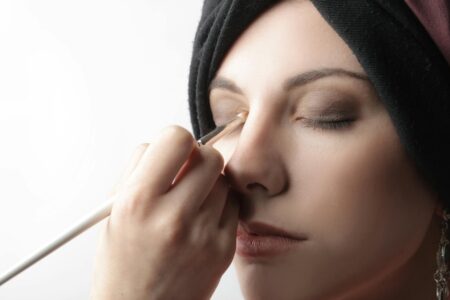





The thousand-year-old beauty secrets of Ayurveda are conquering Western medicine cabinets, with ancient face oils now outselling retinol serums at major beauty retailers. What began as a niche wellness trend has evolved into a mainstream skincare revolution, as consumers abandon harsh chemicals for time-tested botanical formulations rooted in traditional Indian medicine.
The surge reflects a broader shift toward natural, holistic beauty approaches. Major brands like Herbivore Botanicals, Sunday Riley, and The Ordinary have launched Ayurvedic-inspired face oil collections, while luxury retailers report triple-digit growth in sales of traditional ingredients like marula, bakuchi, and turmeric-infused oils. Beauty insiders credit social media wellness influencers and celebrity endorsements for bringing ancient wisdom to modern vanity tables.
This transformation represents more than a passing trend. As consumers become increasingly ingredient-conscious and seek alternatives to synthetic skincare, Ayurvedic face oils offer a compelling blend of natural efficacy and cultural authenticity that resonates with today’s wellness-focused beauty enthusiasts.

Ancient Wisdom Meets Modern Science
Ayurvedic face oils draw from India’s 5,000-year-old medical system, which emphasizes balance between mind, body, and spirit. Unlike conventional skincare that targets specific concerns with isolated compounds, Ayurvedic formulations work holistically, addressing skin health through constitutional balance rather than symptom suppression.
The traditional approach categorizes individuals into three doshas: Vata (dry, mature skin), Pitta (sensitive, inflammatory-prone skin), and Kapha (oily, congestion-prone skin). Each dosha requires different botanical combinations to restore equilibrium. Vata types benefit from nourishing oils like sesame and almond, while Pitta constitutions respond to cooling ingredients like coconut and sunflower oil. Kapha types need lighter, warming oils such as jojoba and grapeseed.
Modern dermatology increasingly validates these ancient principles. Clinical studies confirm that traditional Ayurvedic ingredients possess proven anti-inflammatory, antioxidant, and antimicrobial properties. Bakuchi oil, derived from Psoralea corylifolia seeds, contains bakuchiol – a natural retinol alternative that stimulates collagen production without irritation. Turmeric provides curcumin, a potent anti-inflammatory compound that reduces redness and promotes healing.
The integration extends beyond ingredients to application methods. Traditional Ayurvedic facial massage techniques, incorporating marma points (vital energy centers), enhance oil absorption while promoting lymphatic drainage. These practices align with current beauty trends emphasizing facial massage tools and lymphatic drainage techniques that estheticians now incorporate into professional treatments.
Celebrity Endorsements Drive Mainstream Adoption
High-profile advocates have accelerated Ayurvedic face oil adoption across diverse demographics. Gwyneth Paltrow regularly features Ayurvedic skincare on Goop, while Deepika Padukone has launched her own line of traditional Indian beauty products. Priyanka Chopra Jonas frequently discusses her family’s Ayurvedic beauty traditions in interviews, introducing Western audiences to ingredients like neem and brahmi.
The celebrity influence extends to professional athletes and wellness personalities. Tennis champion Venus Williams incorporates Ayurvedic oils into her recovery routine, while wellness influencer Sahara Rose has educated millions about dosha-based skincare through her podcast and social media platforms. These endorsements lend credibility to ancient practices while making them accessible to mainstream consumers.
Beauty editors at major publications have embraced the trend, with Vogue, Harper’s Bazaar, and Allure featuring extensive coverage of Ayurvedic skincare routines. The editorial attention has translated to retail success, with Sephora reporting that Ayurvedic face oil sales increased 240% over the past two years. Ulta Beauty has expanded its natural beauty sections to accommodate growing demand for traditional formulations.

The social media impact cannot be understated. Instagram and TikTok content creators regularly demonstrate traditional oil application techniques, generating millions of views and driving product discovery. The visual nature of oil application – with its massage techniques and glowing results – translates particularly well to short-form video content, creating viral beauty moments that traditional advertising cannot replicate.
Product Innovation and Market Expansion
Beauty companies are investing heavily in Ayurvedic research and development, creating hybrid formulations that combine traditional ingredients with modern delivery systems. Drunk Elephant has incorporated bakuchiol into its vitamin C serums, while Tatcha has developed cleansing oils inspired by Japanese and Indian beauty traditions. These innovations make ancient ingredients more accessible to consumers familiar with conventional skincare routines.
Startup brands specializing in Ayurvedic beauty have secured significant venture capital funding. iYURA, Sahajan, and Forest Essentials have expanded internationally, bringing authentic formulations to Western markets. These companies often partner with traditional Ayurvedic practitioners and source ingredients directly from organic farms in India, ensuring authenticity while meeting international safety standards.
The premium market has embraced luxury Ayurvedic formulations, with brands like Kama Ayurveda and Shankara creating high-end products that rival European luxury skincare in packaging and price points. These offerings appeal to consumers seeking exclusive, culturally rich beauty experiences that go beyond basic skincare functionality.
Customization has become a key differentiator, with several brands offering dosha-based consultations and personalized oil blends. This approach aligns with the broader trend toward personalized skincare based on individual biological markers, creating a bridge between ancient wisdom and modern precision medicine.
Regulatory Challenges and Quality Concerns
The rapid growth of Ayurvedic face oils has raised important quality and safety questions. Unlike pharmaceutical products, botanical skincare ingredients face limited regulatory oversight, creating opportunities for substandard products to enter the market. The FDA does not pre-approve cosmetic products, placing responsibility on manufacturers to ensure safety and efficacy.
Traditional Ayurvedic preparations sometimes contain heavy metals or other contaminants that can cause skin reactions or health issues. Reputable brands invest in third-party testing and certified organic sourcing, but consumers must research manufacturers carefully. The lack of standardization in Ayurvedic formulations means that products marketed with similar names may contain vastly different ingredient concentrations and qualities.
Professional dermatologists express cautious optimism about the trend while emphasizing the importance of patch testing and gradual introduction. Some traditional ingredients can cause photosensitivity or allergic reactions, particularly in individuals with sensitive skin. The personalized dosha approach, while culturally authentic, may not align with individual skin needs determined through dermatological assessment.
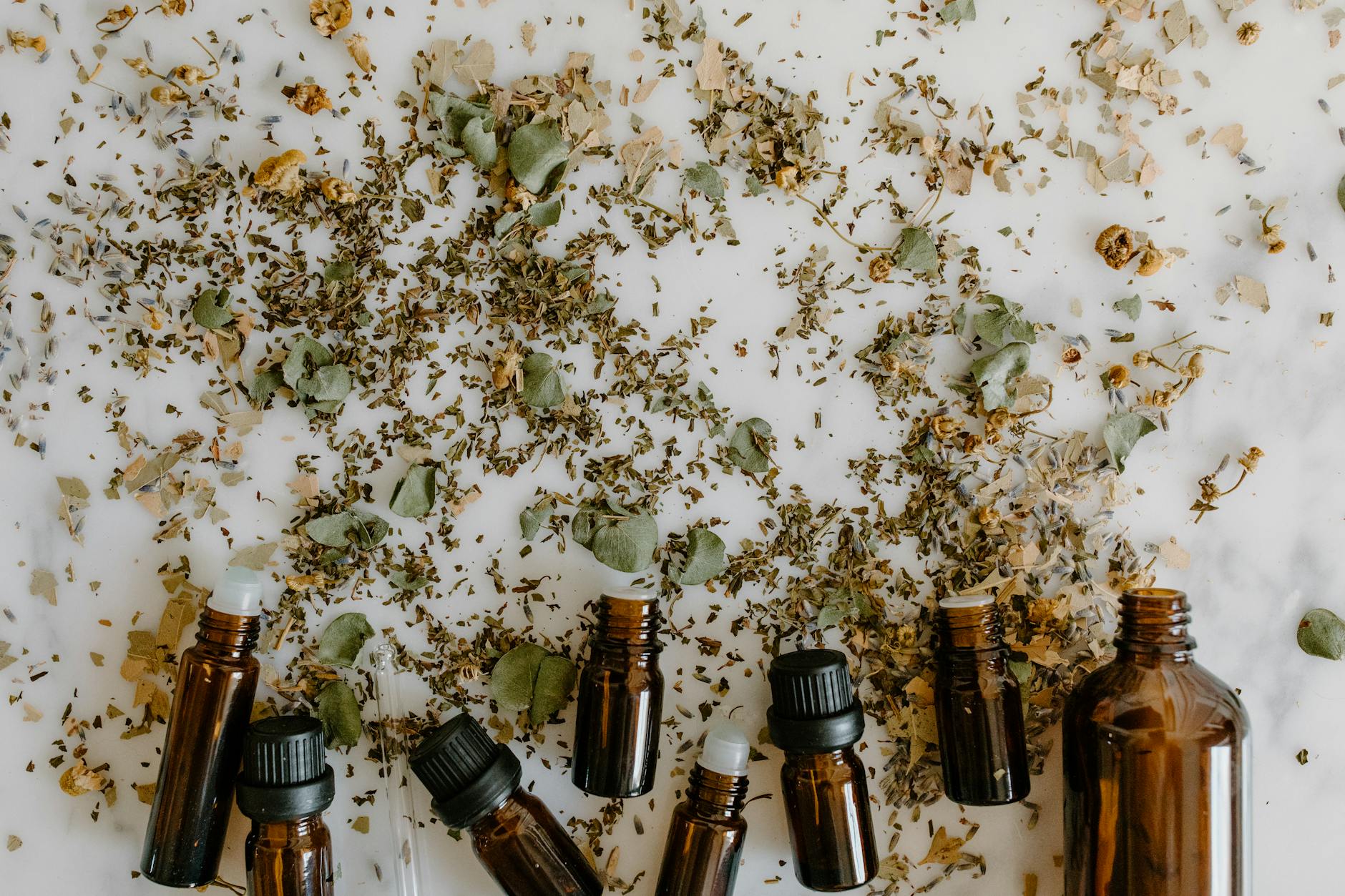
Quality control extends to sourcing and supply chain transparency. Ethical considerations around ingredient procurement, fair trade practices, and environmental sustainability have become increasingly important to conscious consumers. Brands that provide detailed information about their sourcing practices and support traditional farming communities often command premium prices and stronger customer loyalty.
The Future of Ancient Beauty
The integration of Ayurvedic face oils into Western skincare represents a fundamental shift toward holistic beauty approaches that prioritize long-term skin health over quick fixes. As consumers become more educated about ingredients and their origins, demand for authentic, traditional formulations will likely continue growing.
Technology will play an increasing role in making Ayurvedic principles more accessible and precise. Apps that help determine dosha types through digital questionnaires, AI-powered ingredient matching, and virtual consultations with Ayurvedic practitioners are emerging to bridge ancient wisdom with modern convenience.
The success of Ayurvedic face oils may pave the way for other traditional beauty systems to gain Western acceptance. Traditional Chinese Medicine, African botanical traditions, and indigenous beauty practices from various cultures contain untapped potential for skincare innovation.
As the beauty industry continues evolving toward sustainability and wellness, Ayurvedic face oils offer a compelling model for products that honor cultural heritage while meeting contemporary consumer needs. The thousand-year track record of these formulations, combined with growing scientific validation, positions traditional Indian beauty wisdom as a lasting influence on global skincare trends rather than a passing fad.
Frequently Asked Questions
What are Ayurvedic face oils and how do they work?
Ayurvedic face oils are traditional Indian skincare formulations based on dosha types that work holistically to balance skin rather than targeting specific concerns.
Are Ayurvedic face oils safe for sensitive skin?
While generally natural, some Ayurvedic ingredients can cause reactions. Always patch test and consult a dermatologist, especially for sensitive skin types.