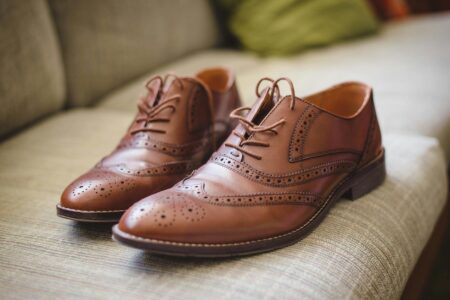





Platform shoes are stepping back into boardrooms, law offices, and corporate headquarters across America. After decades relegated to nightclub dance floors and runway shows, the towering footwear has found new legitimacy among working professionals seeking both height and style in their daily uniforms.
The shift represents more than just fashion cyclicality. Modern platform designs have evolved far beyond the chunky, unstable versions of the 1970s and 1990s, incorporating ergonomic features and sophisticated aesthetics that meet professional dress codes while delivering the confidence boost that comes with added inches.
Major footwear brands have responded to growing workplace demand with refined platform collections. Brands like Stuart Weitzman, Cole Haan, and Naturalizer now offer platform pumps, oxfords, and loafers with heights ranging from subtle one-inch lifts to more dramatic three-inch platforms. These designs prioritize stability and comfort, featuring wider heel bases, cushioned insoles, and arch support technology.
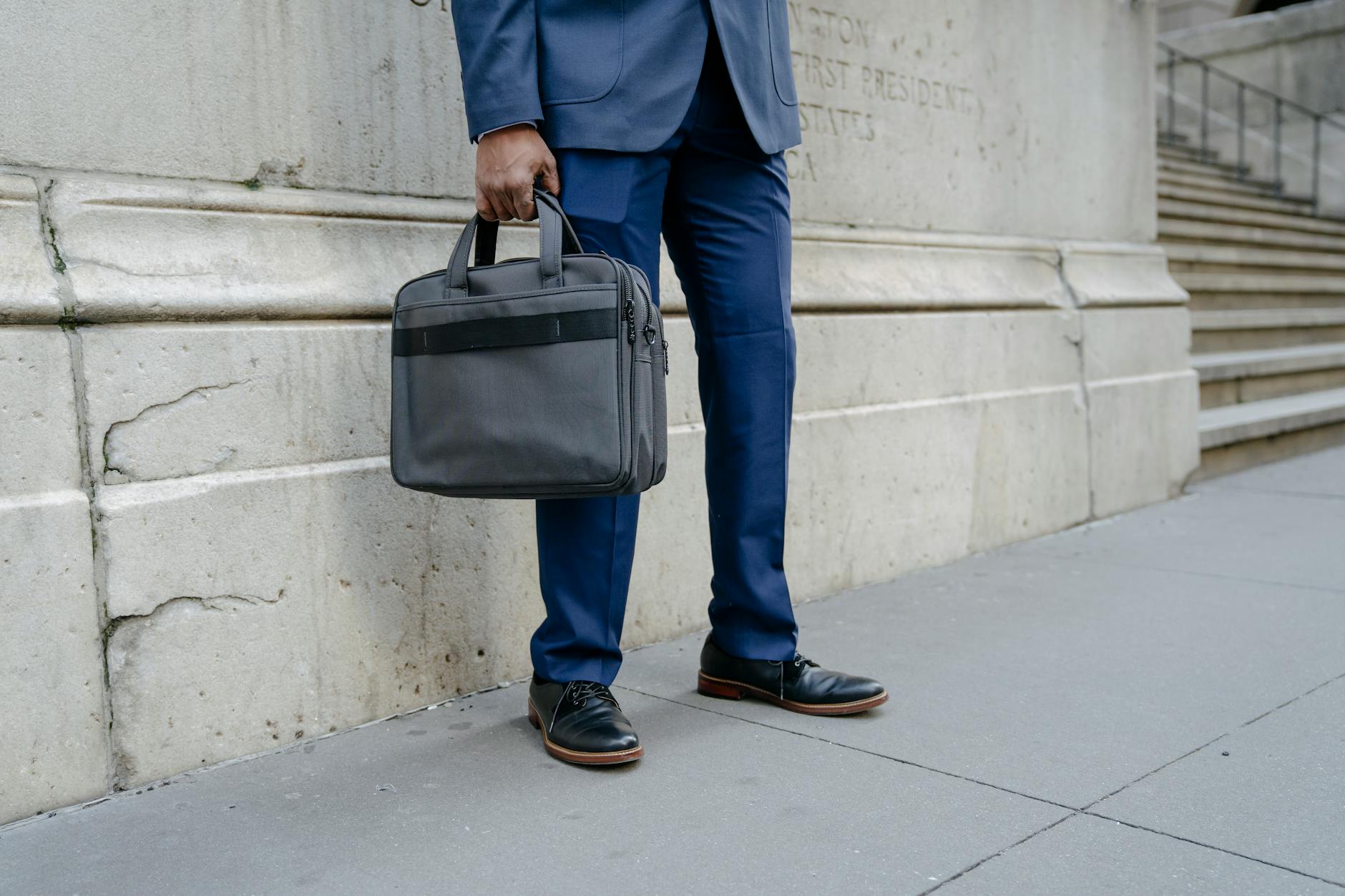
The Psychology of Height in Professional Settings
Research consistently shows that height correlates with perceived authority and competence in workplace environments. A recent study by the University of North Carolina found that taller individuals are more likely to be promoted and command higher salaries. For many professionals, particularly women who statistically face height disadvantages in leadership roles, platform shoes offer a practical solution to level the playing field.
“I gained three inches and immediately noticed colleagues taking me more seriously in meetings,” says Sarah Martinez, a marketing director at a Fortune 500 company who switched to platform heels six months ago. “It sounds superficial, but the psychological impact is real – both for how others perceive me and how I carry myself.”
Corporate stylist Jennifer Walsh has observed the trend among her executive clients. “Platforms give women presence in rooms dominated by taller men,” she explains. “But the key is choosing sophisticated styles that enhance rather than distract from their professional image.”
The height advantage extends beyond perception to practical benefits. Taller stature can improve visibility during presentations, create better camera angles for video conferences, and provide psychological confidence during negotiations or public speaking engagements.
Modern Platform Technology Meets Workplace Demands
Today’s professional platforms bear little resemblance to their predecessors. Advanced materials and construction techniques have addressed historical concerns about comfort and stability that once made platforms impractical for long workdays.
Memory foam insoles, shock-absorbing midsoles, and anatomically designed foot beds now standard in premium platform shoes. Brands utilize lightweight materials like carbon fiber and advanced polymers to reduce overall shoe weight while maintaining structural integrity. Anti-slip outsoles provide traction on polished office floors, while flexible materials accommodate natural foot movement throughout extended wear periods.
The aesthetic evolution has been equally dramatic. Contemporary workplace platforms feature sleek silhouettes, premium leather uppers, and refined hardware that seamlessly integrate into professional wardrobes. Color palettes focus on classic blacks, browns, and neutrals that coordinate with business attire, while subtle textures and finishes add visual interest without crossing into unprofessional territory.

Several innovative features specifically target workplace needs. Some designs incorporate removable lifts that allow height adjustment based on the day’s activities. Others feature convertible elements that transform from conservative office wear to elevated evening styles. Quick-drying materials and antimicrobial treatments address hygiene concerns during busy workdays.
Industry Adoption Across Professional Sectors
The platform shoe revival has gained traction across diverse professional industries, each adapting the trend to specific workplace cultures and requirements.
Legal professionals have embraced understated platform oxfords and conservative pumps that add height while maintaining courtroom appropriateness. Law firms report that junior associates and partners alike appreciate the confidence boost during depositions, trials, and client presentations. The traditional black and brown color schemes align perfectly with legal profession dress codes.
Healthcare workers have gravitated toward platform clogs and sneakers that combine height benefits with comfort requirements for long shifts. Medical professionals particularly value the improved ergonomics and reduced foot fatigue that quality platform designs provide during extended periods of standing and walking.
Financial services professionals favor sleek platform loafers and pointed-toe pumps that project authority during client meetings and boardroom presentations. The polished aesthetics complement formal business attire while providing the height advantage that can enhance credibility in high-stakes financial negotiations.
Creative industries have shown more experimental adoption, incorporating designer platforms with unique textures, colors, and architectural elements. Marketing agencies, design firms, and media companies embrace platforms as both functional tools and creative expression within more relaxed dress codes.
Even traditionally conservative fields like accounting and consulting have witnessed gradual platform adoption, though typically in more subdued styles that maintain professional appearances while delivering practical benefits.
Styling Platforms for Professional Success
Successfully incorporating platforms into professional wardrobes requires strategic styling choices that emphasize sophistication over spectacle. Fashion experts recommend starting with moderate heel heights and classic silhouettes before experimenting with more dramatic designs.
Proportion becomes crucial when styling platform shoes with business attire. Tailored trousers should hit at appropriate lengths to showcase the shoes without overwhelming the overall look. Hemlines require adjustment to maintain professional proportions, with many professionals consulting alterations specialists to achieve optimal fits.
Color coordination remains essential for professional credibility. Black platforms offer maximum versatility, pairing seamlessly with most business attire. Brown and cognac options provide warmth while maintaining professionalism. Bold colors and patterns should be reserved for creative industries or carefully considered accent pieces.
The rise of business casual dress codes has expanded platform possibilities, allowing for more relaxed interpretations including platform sneakers and casual loafers. However, traditional formal environments still require classic pump and oxford styles in conservative colors and materials.
Similar to how compression socks became street style’s latest statement piece, platforms demonstrate how functional footwear can successfully transition into fashion-forward professional wear when properly executed.
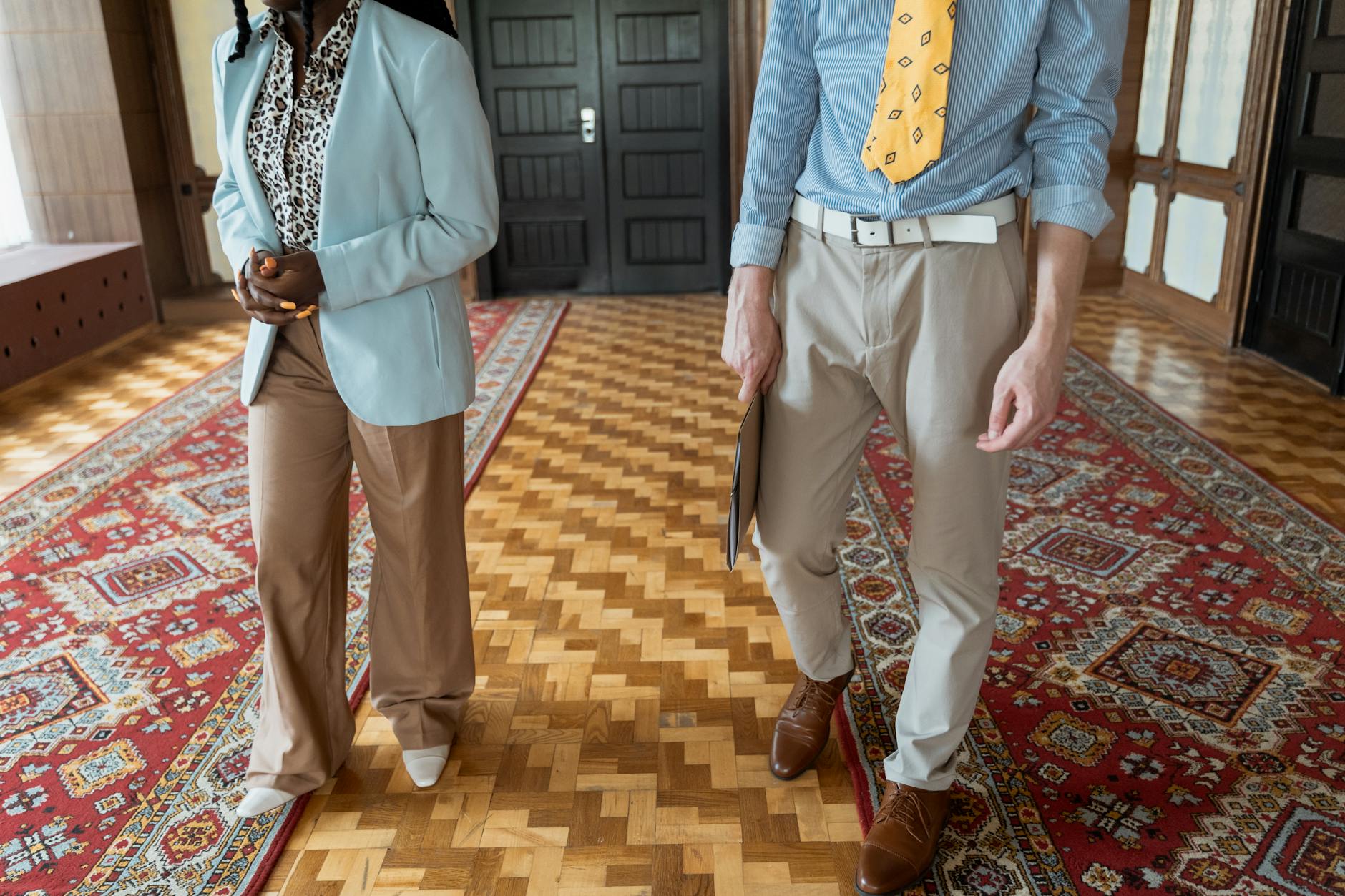
Future of Platforms in Professional Fashion
The professional platform trend shows strong momentum heading into 2024, with footwear brands continuing to invest in workplace-appropriate designs that balance style, comfort, and functionality. Emerging technologies promise even more sophisticated solutions for working professionals seeking height advantages without sacrificing comfort or professional appearance.
Smart materials and 3D printing technologies may soon enable customized platform shoes tailored to individual foot shapes and workplace requirements. Sustainable materials are becoming increasingly important to environmentally conscious professionals, driving innovation in eco-friendly platform construction using recycled and renewable materials.
The normalization of platforms in professional settings reflects broader workplace evolution toward greater style diversity and individual expression within professional boundaries. As remote work and hybrid schedules reshape traditional office culture, professionals have more flexibility to experiment with footwear choices that boost confidence and personal style.
Industry observers predict continued growth in the professional platform market, particularly among younger professionals who view height-enhancing footwear as practical career tools rather than fashion statements. This pragmatic approach to professional dressing suggests that platforms will maintain their workplace presence well beyond current trend cycles.
The return of platform shoes to professional settings represents more than nostalgic fashion revival – it demonstrates how thoughtful design innovation can transform previously impractical styles into legitimate workplace staples that serve both functional and psychological needs for today’s ambitious professionals.
Frequently Asked Questions
Are platform shoes appropriate for professional work environments?
Yes, modern platform shoes feature sophisticated designs and conservative styles that meet professional dress code requirements while providing height benefits.
How do platform shoes benefit professionals in the workplace?
Platforms provide height advantages that can enhance perceived authority, improve confidence, and create better presence during meetings and presentations.