





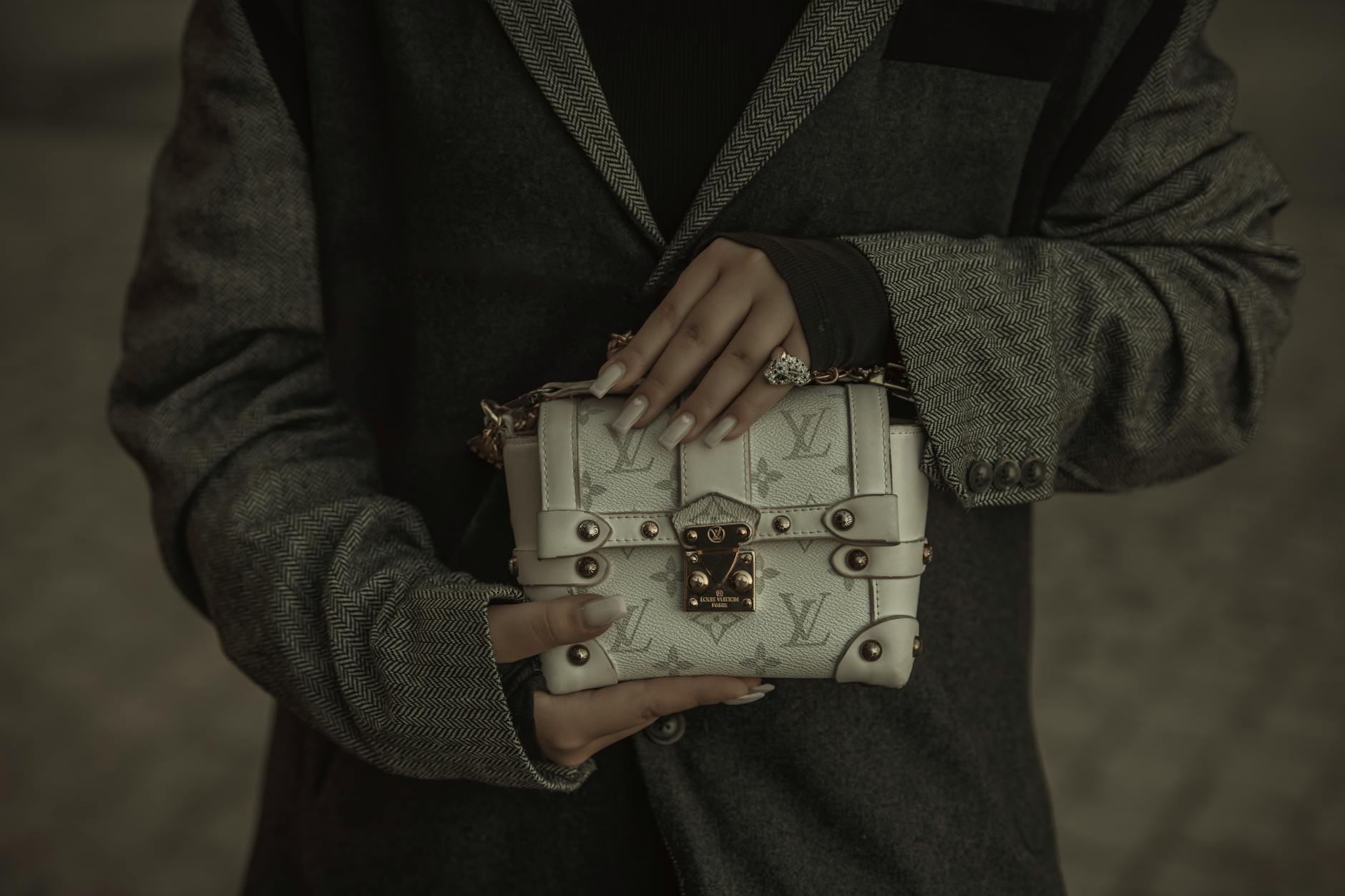
Millennial shoppers are abandoning logo-heavy designer pieces for understated luxury that speaks in whispers rather than shouts. The quiet luxury movement has transformed how an entire generation approaches premium fashion, prioritizing craftsmanship and timeless design over brand recognition and status symbols.
This shift represents more than a fashion trend – it signals a fundamental change in values among millennials who came of age during the 2008 financial crisis and now face economic uncertainty, climate concerns, and a desire for authenticity. Brands like The Row, Lemaire, and Toteme have become the new status symbols, their minimalist aesthetics and quality construction attracting consumers who once coveted Louis Vuitton monograms and Gucci logos.

The Psychology Behind Stealth Wealth
Millennials are embracing what fashion insiders call “stealth wealth” – luxury items that signal sophistication to those in the know while remaining invisible to casual observers. This approach reflects a generation that values experiences over possessions and prefers to invest in pieces that will last decades rather than seasons.
The movement gained momentum during the pandemic when remote work made flashy accessories feel unnecessary. Consumers began gravitating toward comfortable, well-made basics that could transition seamlessly from Zoom calls to weekend errands. Brands like Everlane and COS saw significant growth during this period, offering elevated essentials without obvious branding.
Social media has paradoxically fueled this anti-logo trend. While platforms like Instagram once rewarded conspicuous consumption, algorithm changes and oversaturation have made subtlety more appealing. Fashion influencers increasingly showcase capsule wardrobes and investment pieces, earning more engagement than traditional haul content.
The psychological appeal extends beyond mere aesthetics. Quiet luxury allows wearers to signal their taste and financial success without appearing materialistic or out of touch. In an era of growing wealth inequality, this discretion feels more socially acceptable than overt displays of wealth.
How Brands Are Adapting to Demand
Traditional luxury houses are scrambling to adapt to this shift in consumer preference. Celine under Hedi Slimane has embraced minimalism, while Bottega Veneta’s “When you know, you know” campaign perfectly captures the quiet luxury ethos. These brands are investing heavily in craftsmanship stories and heritage narratives rather than celebrity endorsements.
Emerging designers are seizing the opportunity to challenge established luxury players. Gabriela Hearst focuses on sustainable luxury with impeccable tailoring, while Khaite has built a devoted following with its refined leather goods and cashmere pieces. These brands command premium prices without relying on recognizable logos or seasonal trends.
Direct-to-consumer brands have particularly benefited from this movement. Companies like Cuyana and Reformation have built entire business models around quality over quantity, offering transparent supply chains and timeless designs. Their marketing emphasizes cost-per-wear calculations and longevity rather than newness and exclusivity.
Department stores are also adjusting their buying strategies. Nordstrom and Net-a-Porter have expanded their offerings of contemporary brands that embody quiet luxury principles, while luxury resale platforms like The RealReal report growing demand for understated pieces from brands like Lemaire and Ganni.
The Economic Impact of Mindful Spending
This shift toward quiet luxury reflects millennials’ approach to financial planning and spending priorities. Having witnessed multiple economic crises, this generation tends to research purchases extensively and calculate long-term value rather than impulse buying trendy items.
The average millennial now spends more on individual pieces but buys fewer items overall. This “investment dressing” approach has created opportunities for mid-luxury brands positioned between fast fashion and traditional luxury houses. Brands like Staud, Nanushka, and By Far have thrived by offering elevated designs at accessible luxury price points.
Rental and resale markets have also benefited from this mindset shift. Millennials increasingly view clothing ownership as flexible, renting special occasion pieces through services like Rent the Runway while building core wardrobes of versatile, high-quality basics. This approach allows them to experiment with luxury brands without the full financial commitment.
The quiet luxury movement has also influenced how brands approach pricing and positioning. Companies are focusing on storytelling around materials, construction methods, and brand heritage rather than celebrity associations or seasonal campaigns. This shift requires different marketing investments but often results in higher customer loyalty and repeat purchases.
Looking Forward: Sustainability Meets Style
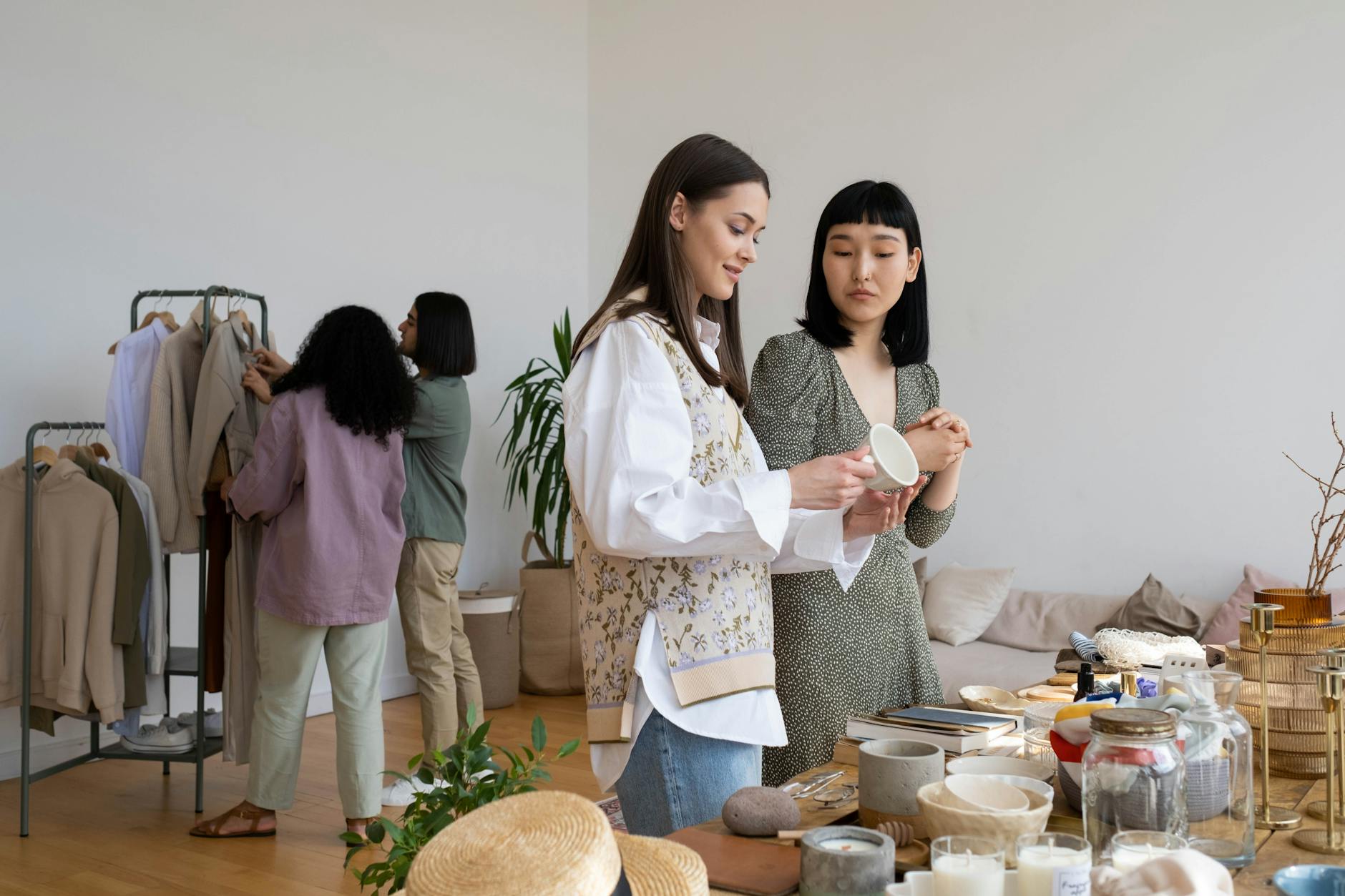
As quiet luxury continues to gain momentum, sustainability has become increasingly important to millennial consumers. Brands that can demonstrate environmental responsibility alongside exceptional quality are positioning themselves for long-term success in this market.
The movement is also influencing adjacent categories beyond clothing. Home goods, beauty products, and even travel experiences are embracing quiet luxury principles, emphasizing quality, sustainability, and understated elegance over flashy branding or trend-driven designs.
Technology brands are taking notice as well. Apple’s emphasis on premium materials and minimalist design has long embodied quiet luxury principles, while newer companies like Koio and Allbirds are applying similar approaches to footwear and accessories.
The quiet luxury movement represents more than a fashion trend – it signals a fundamental shift in how millennials define success and express their values through consumption. As this generation enters their peak earning years, their preference for understated quality over obvious luxury will likely reshape the entire fashion industry for decades to come.
Frequently Asked Questions
What is quiet luxury fashion?
Quiet luxury refers to high-quality, well-crafted clothing and accessories that don’t display obvious logos or branding, emphasizing understated elegance over flashy status symbols.
Why are millennials choosing quiet luxury?
Millennials prefer quiet luxury due to their focus on sustainability, value for money, and desire for timeless pieces that reflect sophistication without appearing materialistic.