



A Cult Film’s Wardrobe Still Haunts the Runway
Thirty years after its release, The Craft holds a grip on fashion, beauty, and girlhood that no studio executive could have planned. The 1996 horror film – built around four teenage witches navigating power, identity, and suburban cruelty – wasn’t pitched as a style document. It became one anyway. Dark lip colors, Catholic schoolgirl uniforms worn with deliberate irreverence, silver rings stacked to the knuckle: the visual language of that film has cycled back through trend reports so many times that it no longer feels like nostalgia. It feels like a standing vocabulary.
Harper’s Bazaar spoke with the film’s actors, producer, and director about how The Craft was made and why it still connects – a conversation timed to the movie’s 30th anniversary.
What they described wasn’t just a production history. It was an account of how a low-budget genre film accidentally built the aesthetic blueprint that goth-adjacent, witchcore, and dark feminine fashion trends keep returning to.
What the Film Was Actually Built From
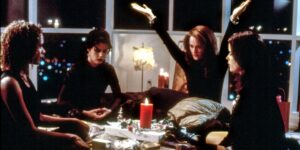
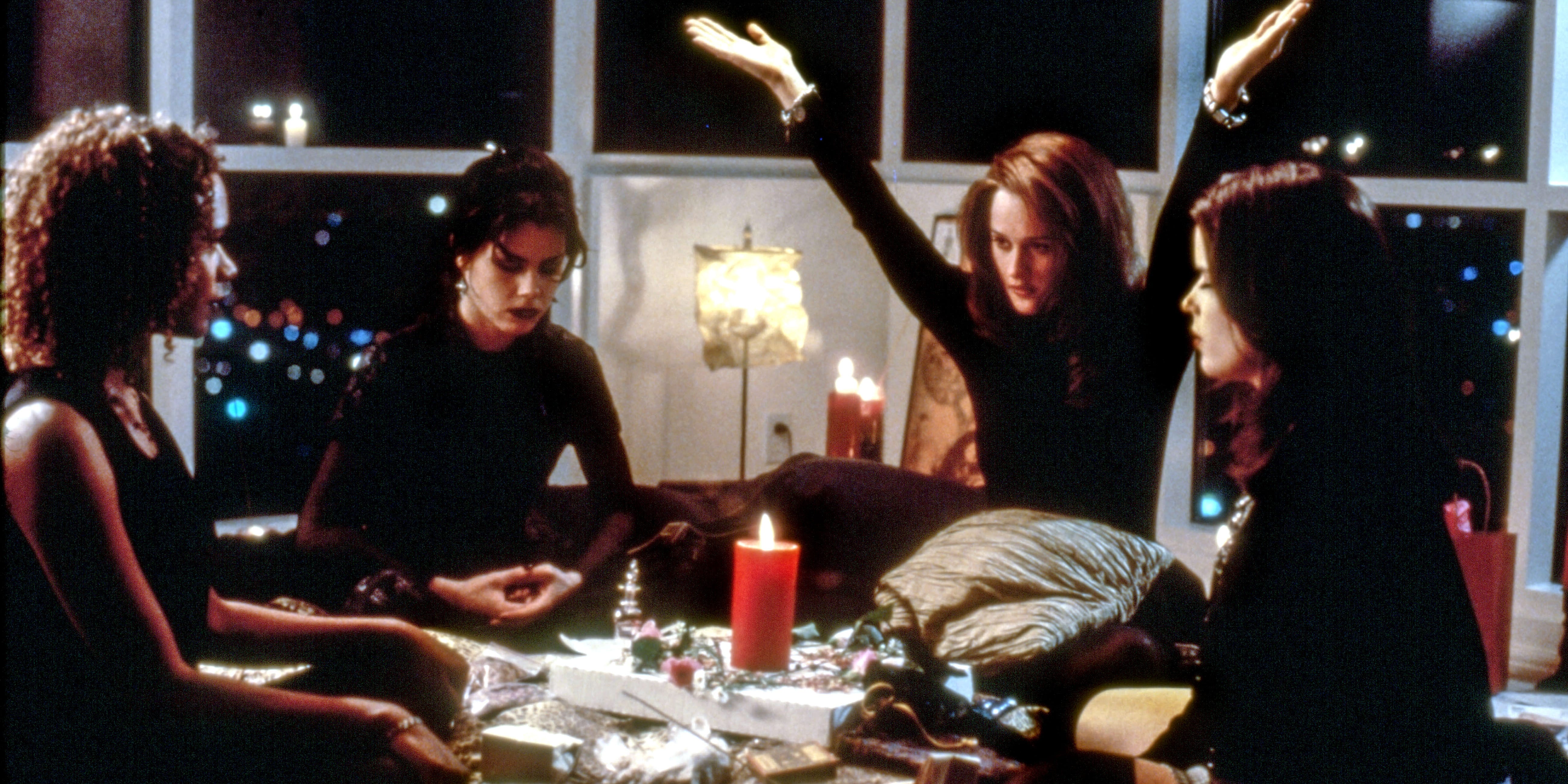
Director Andrew Fleming and producer Douglas Wick developed The Craft at Columbia Pictures during a period when teen horror was not considered prestige material. The film’s budget was modest, its subject matter – four high school girls practicing witchcraft in Los Angeles – treated by the studio as a commercial bet rather than a cultural statement. Robin Tunney, Fairuza Balk, Neve Campbell, and Rachel True were cast as the coven, and the production leaned hard into the visual contrast between Catholic school conformity and the deliberate chaos the girls introduced into that structure. Balk, who had a pre-existing interest in occult practice, brought a specificity to her character Nancy that the costume and makeup departments mirrored in her styling: heavier, darker, more layered than her co-stars, charting a hierarchy of rebellion through wardrobe alone.
The costuming built a clear internal grammar. Nancy dressed like someone who had nothing to perform for and everything to prove. Sarah, played by Tunney, started closer to conventional and migrated visually toward the group as her power grew. That drift – from pastel and pressed to darkened and adorned – tracked with the film’s actual dramatic arc, making the clothes do narrative work that the dialogue didn’t have to carry. This is exactly the kind of costuming that ages well: functional, character-specific, never decorative for its own sake.
Fairuza Balk has spoken about her personal connection to Wiccan practice informing her performance, and that authenticity extended to how her character was presented physically. The heavy eyeliner, the layered black, the particular way jewelry was used as armor rather than accessory – these weren’t costume department inventions applied from the outside. They emerged from a character logic that the actors and creative team built together, which is part of why the imagery has held.
Why the Aesthetic Keeps Returning
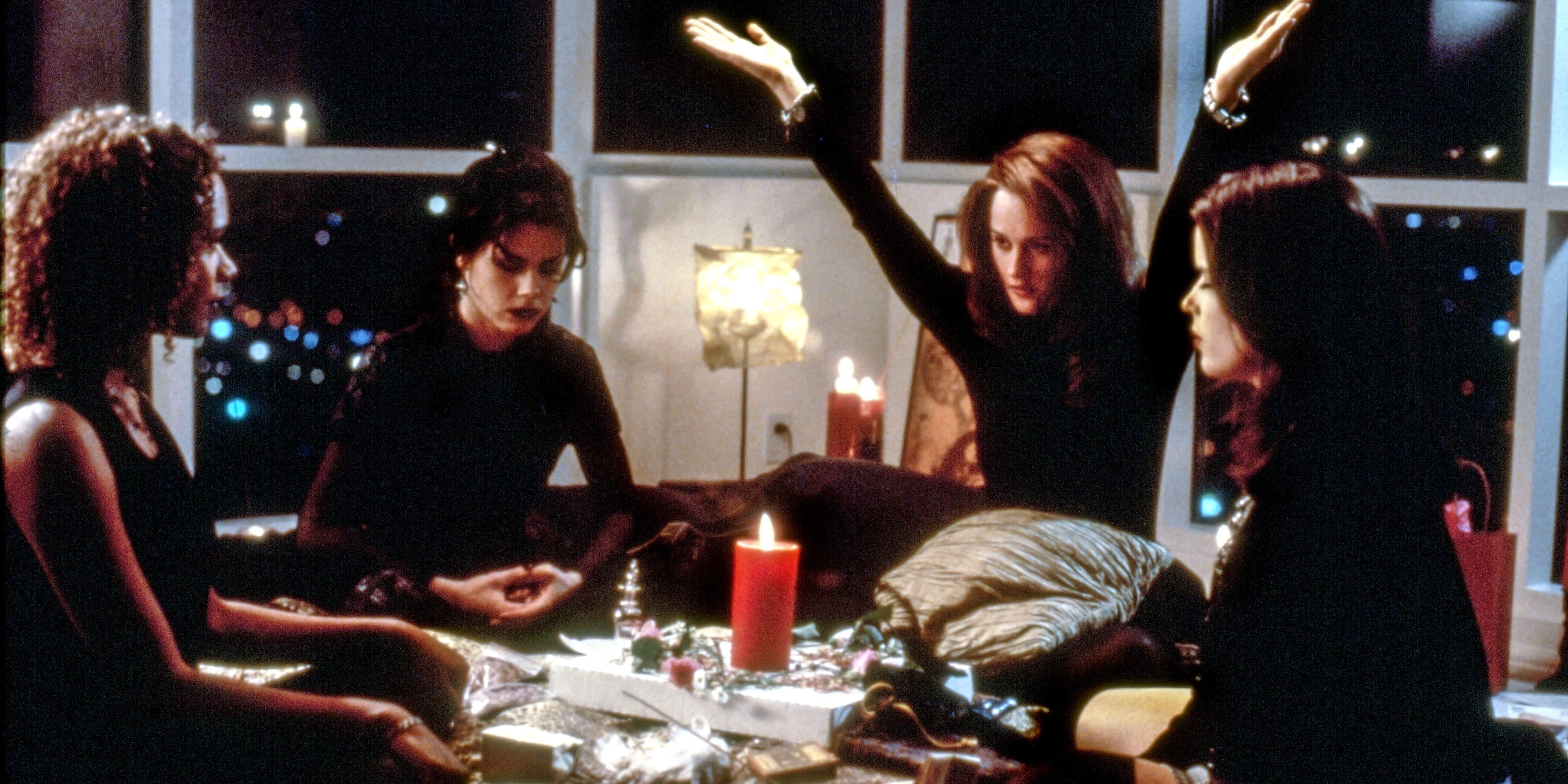
The 30th anniversary conversation surfaced something specific: the people who made The Craft didn’t anticipate the film becoming a touchstone for teenage girls, particularly for girls who felt displaced from mainstream femininity. Robin Tunney, Neve Campbell, Rachel True, and Fairuza Balk were playing characters who used aesthetics as a form of social resistance – not glamour, not aspiration in any conventional sense, but a deliberate refusal of whatever the school’s social hierarchy required them to look like. That refusal is exactly what gets re-discovered by each new generation of teenagers who find the film, and it’s exactly what keeps feeding back into fashion.
The witchcore and dark feminine aesthetics that circulated heavily across TikTok and Instagram between 2020 and 2024 – black maxi skirts, chunky boots, layered silver jewelry, deep berry lips – trace a direct line back to what Fleming’s production established in 1996. Brands including Lazy Oaf, Killstar, and various independent labels have explicitly cited the film’s visual register. The references are rarely disguised. A film that cost relatively little and was marketed as a teen horror property has functioned for three decades as a mood board that the fashion industry keeps raiding.
What sustains that influence is less about any single garment and more about the total attitude the film constructed around dressing. The characters in The Craft dressed against something. Their clothes communicated refusal, group membership, and escalating power simultaneously. Fashion cycles back to that combination because it’s genuinely rare – most screen costuming aspires to aspiration, to clothes the audience wants to own. The Craft built clothes the audience wanted to become through. That’s a different proposition, and it explains why the film’s visual identity survived long after its box office run ended.
The Beauty Dimension That Gets Less Credit
Separate from clothing, the makeup work in The Craft established a specific dark beauty template that has been as influential as anything the wardrobe department produced. The film ran against the mid-nineties mainstream – which leaned toward sheer glosses, bronzed skin, and the sun-washed California aesthetic that dominated the decade’s beauty advertising – and built its central characters around deep, almost theatrical lip colors, stark eye makeup, and a deliberate pallor. In 1996, that combination read as outsider coding. In retrospect, it was ahead of what the broader beauty industry would eventually monetize through the goth and alternative beauty categories that exploded commercially in the 2010s.
Rachel True’s character Rochelle and Neve Campbell’s Bonnie operated at a slightly lighter register than Balk’s Nancy, but the production maintained an internal consistency: none of the four women in the coven were styled toward approachability. The beauty choices closed them off, drew a perimeter around the group. That is an unusual directive for a film featuring young women, and it’s part of why the imagery aged in the direction it did – away from dated, toward referenced.
The current generation of beauty editors and makeup artists who grew up with The Craft on rotation are now old enough to be setting the terms of what gets featured in editorials and campaign shoots. The film’s influence doesn’t have to be stated explicitly anymore; it operates as shared fluency. When dark lips return for a third or fourth time in as many years, the conversation about why keeps looping back to the same mid-nineties source material.
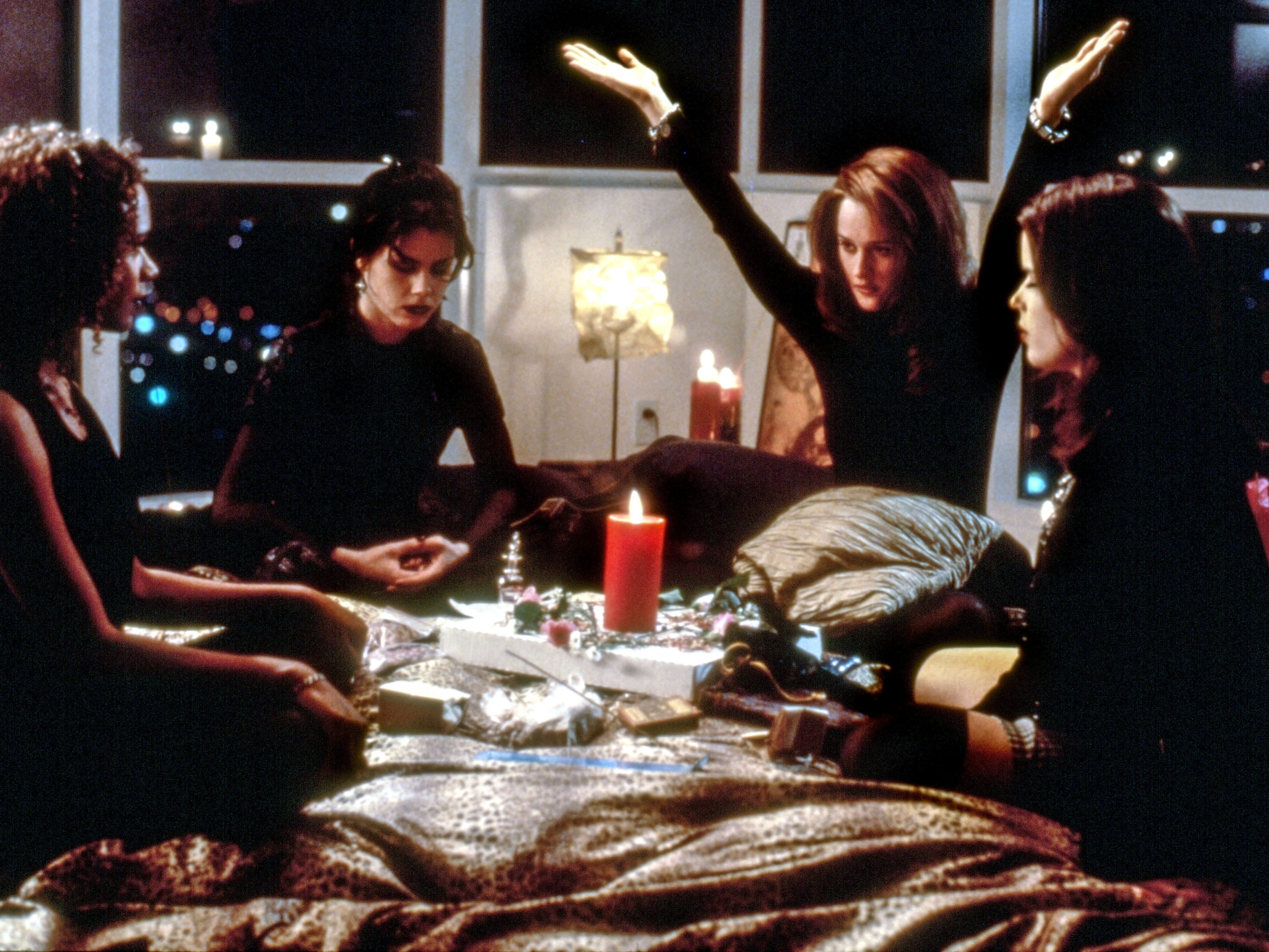
Thirty years out, the actors, producer, and director who made The Craft are being asked to account for something they built without knowing they were building it – a film that handed a generation of girls a visual language for refusing to be legible on anyone else’s terms, and that the fashion industry has been quietly profiting from ever since. Fairuza Balk bought an occult shop called Pan Pan Magickal in Los Angeles during the production and later sold it. The shop is gone. The eyeliner stayed.