





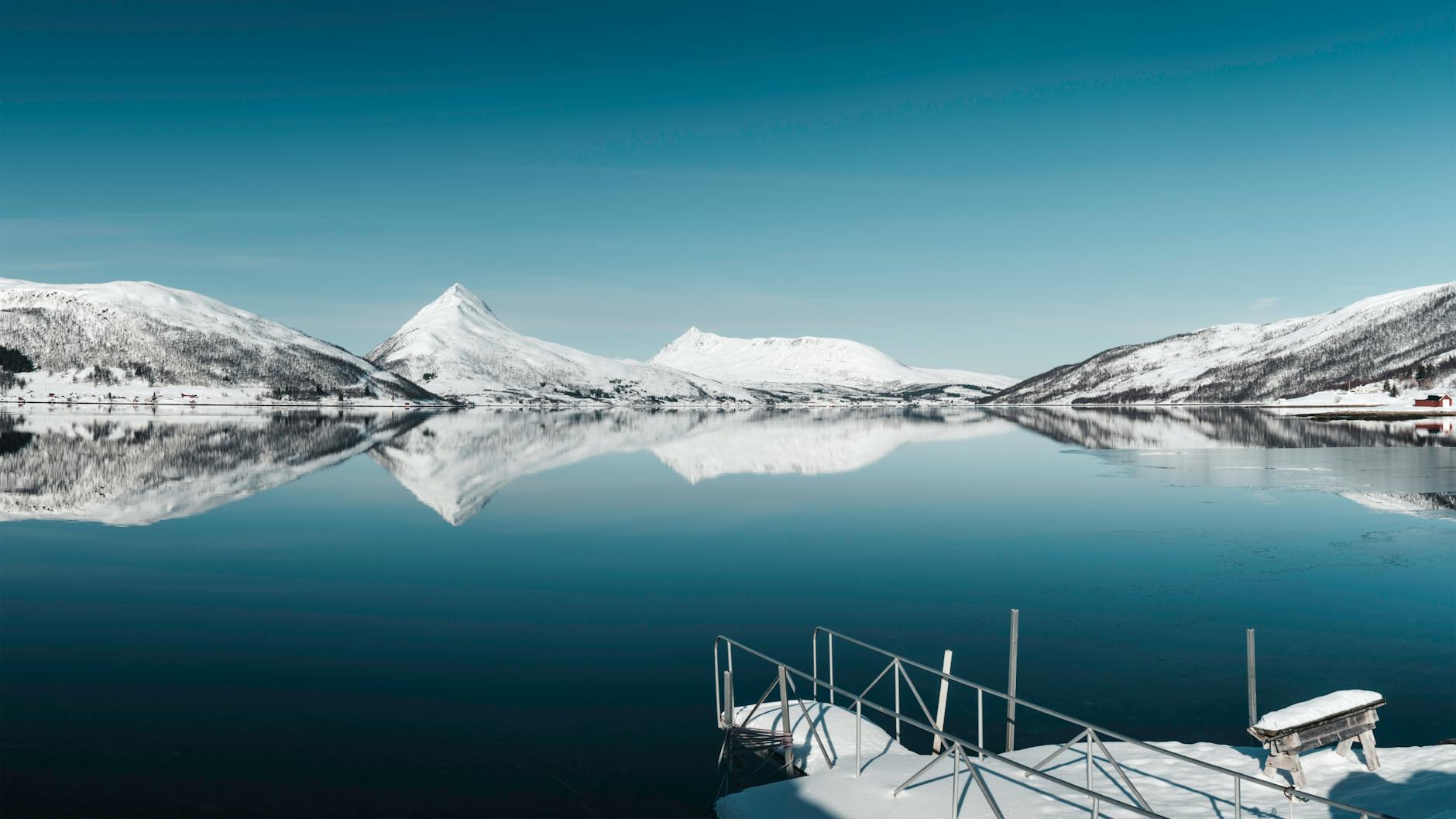
Stockholm Fashion Week shattered conventional runway expectations this season, hosting the world’s first ice hotel fashion shows at the renowned Icehotel in Jukkasjärvi, 200 kilometers north of the Arctic Circle. Models strutted across frozen catwalks carved from pure ice while guests wrapped in luxury furs watched collections unfold at minus 5 degrees Celsius.
The groundbreaking venue collaboration transformed the Icehotel’s main hall into a crystalline runway space, complete with ice sculptures serving as backdrop elements and LED lighting systems embedded within the frozen architecture. Swedish Fashion Council partnered with the iconic hotel to create an experience that merged Nordic design heritage with contemporary fashion innovation.
Arctic Luxury Meets High Fashion
The sub-zero shows featured collections from emerging Scandinavian designers alongside established Swedish fashion houses. Acne Studios opened the first evening with a winter collection emphasizing technical outerwear and sculptural silhouettes that seemed perfectly suited to the glacial environment. Models navigated the slippery ice runway in specially designed footwear with micro-spikes, creating an entirely new category of runway logistics.
“The ice hotel setting forced us to reimagine everything about presenting fashion,” explained Stockholm Fashion Week creative director Anna Teurnell. “Models needed special training for walking on ice, designers had to consider how fabrics would behave in extreme cold, and we developed new lighting techniques to work with the translucent ice walls.”
The venue’s natural acoustics created an ethereal atmosphere as the sounds of footsteps on ice mixed with specially composed soundtracks. Guests received thermal blankets and hot lingonberry drinks between shows, turning practical necessities into part of the luxury experience.
Sustainable Runway Innovation
The ice hotel shows aligned with Stockholm Fashion Week’s growing emphasis on environmental consciousness. Unlike traditional runway spaces that require extensive construction and demolition, the Icehotel venue utilizes naturally occurring ice harvested from the nearby Torne River. After the fashion week concludes, the ice runway will naturally melt and return to the river system.
This sustainable approach follows trends seen at other major fashion weeks, such as London Fashion Week’s embrace of community gardens as runway venues. The Stockholm initiative takes environmental integration further by working within the Arctic ecosystem rather than against it.
Several participating designers incorporated ice-inspired elements into their collections, including Filippa K’s translucent fabric overlays and Our Legacy’s collaboration with local Sami artisans on traditional cold-weather techniques. The extreme venue conditions challenged designers to prove their garments’ functionality alongside aesthetic appeal.
Global Fashion Weeks Push Venue Boundaries
Stockholm’s arctic experiment represents the latest in fashion week venue innovation. Major fashion capitals are increasingly moving away from traditional runway spaces to create memorable experiences that generate social media engagement and cultural conversation.
The ice hotel shows build on Stockholm’s reputation for design innovation while highlighting Sweden’s unique geographical assets. Unlike Paris Fashion Week’s digital AR runway experiences, Stockholm chose to emphasize physical, sensory immersion in an extraordinary natural environment.
International buyers and press who traveled to the remote location reported that the extreme venue created unprecedented intimacy between audience and collections. The shared experience of enduring sub-zero temperatures while witnessing fashion innovation fostered a sense of community rarely achieved in traditional runway settings.
Industry veterans noted similarities to early 2000s fashion week experiments but emphasized that today’s sustainability requirements and social media landscape create different pressures and opportunities for unconventional venues.
Economic Impact and Future Plans
The ice hotel partnership generated significant tourism revenue for northern Sweden’s Lapland region during typically slower winter months. Hotel bookings in Kiruna and surrounding areas increased by 40 percent during fashion week, with many international visitors extending stays to experience Northern Lights and Arctic activities.
Swedish Tourism Board estimates the fashion week generated approximately 15 million SEK in regional economic impact through accommodation, dining, transportation, and local shopping. The success has prompted discussions about making the ice hotel shows an annual Stockholm Fashion Week tradition.
Several international fashion weeks have already reached out to explore similar partnerships with unique local venues. The Icehotel collaboration demonstrates how fashion events can showcase regional culture and geography while creating distinctive brand experiences that transcend traditional runway presentations.
Stockholm Fashion Week organizers are reportedly in early discussions with other Swedish venues including underground mine facilities in Kiruna and glass igloos in Abisko National Park. The goal is establishing Stockholm as the global leader in extreme venue fashion presentations, leveraging Sweden’s dramatic natural environments to create unforgettable fashion experiences that celebrate both design innovation and environmental consciousness.
Frequently Asked Questions
Where were the Stockholm Fashion Week ice hotel shows held?
The shows took place at the Icehotel in Jukkasjärvi, located 200 kilometers north of the Arctic Circle in Swedish Lapland.
How did models walk on ice runways safely?
Models wore specially designed footwear with micro-spikes and received training for walking on slippery ice surfaces.