



When Exhaustion Has a Location
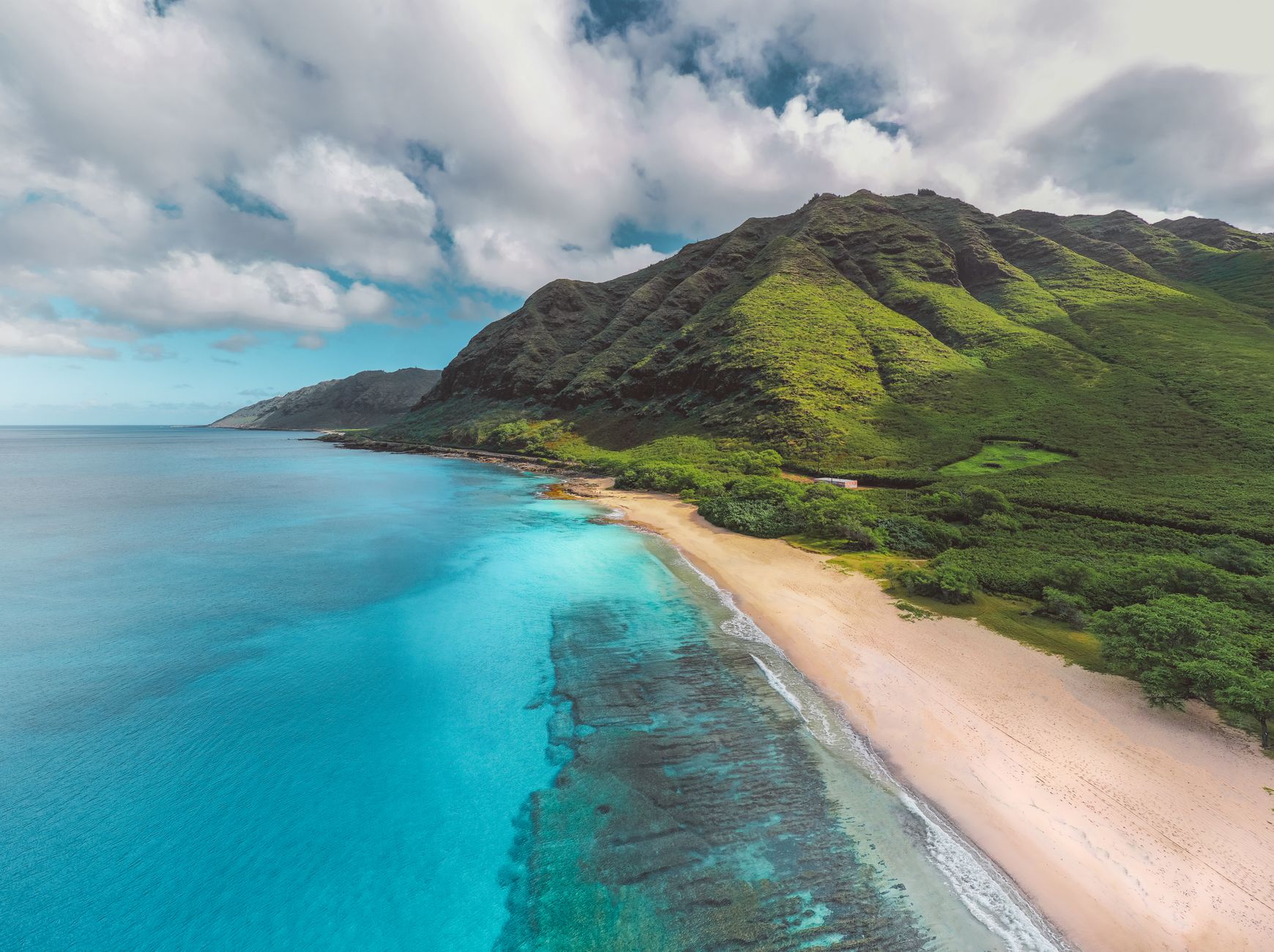
Lānaʻi is the kind of Hawaiian island that people describe in lowered voices, like they’re guarding something. Not the beaches you’ve already seen on someone else’s Instagram, not the resort corridors packed with matching luggage – something quieter and harder to name. Having visited other islands in the archipelago multiple times, the writer and newly appointed SVP of Brand & Content at R29Unbothered had saved Lānaʻi specifically for a moment that warranted it. Six months into a demanding new role, carrying chronic pain that had slowly rearranged the architecture of daily life, that moment had arrived.
The destination in question was Sensei Lānaʻi, A Four Seasons Resort – a wellness retreat positioned in the island’s upcountry, far enough from anywhere to mean it. The trip wasn’t booked on impulse. It was built in collaboration with Sensei’s wellbeing team, shaped around two people who needed the same thing from different angles: a fiancée also deep in a professional stretch that had left little room for anything resembling stillness. The itinerary was constructed to meet them exactly where they were.
What Six Months Without a Day Off Actually Looks Like
The signs of burnout rarely announce themselves dramatically. More often they show up in the small, embarrassing details – the same book carried from room to room for weeks, the same page read four nights running without a single sentence landing. That was the reality. Not collapse, not crisis, but a kind of low-grade erosion that’s easy to rationalize when the job is genuinely good and the exhaustion feels earned.
The new role at R29Unbothered had delivered exactly what it promised: new skills, new access, the particular satisfaction of working inside an industry observed from the outside for years. The whirlwind was satisfying. It was also relentless. And underneath it, quieter and more complicated, was the ongoing management of chronic pain – something that doesn’t pause for career milestones or editorial deadlines, something that had been reorganizing priorities without permission.
The goals for Lānaʻi were written out with unusual specificity: surrender to nature, stay off the phone, finish the book, and leave with more concrete knowledge about the body than existed at departure. Not vague restoration. Actual information. Sensei’s structure – the pairing of science-backed wellness programming with genuine seclusion – made it feel like the right place to get some.
That clarity of intention matters more than most travel writing admits. Wellness retreats absorb whatever you bring to them. Arriving without a question to answer tends to produce a pleasant enough time that dissolves within two weeks of returning to the inbox. Arriving with something specific to find out is a different proposition entirely, and the Sensei wellbeing team’s ability to build around that specificity rather than override it with a generic program was, by every account here, the point of difference.
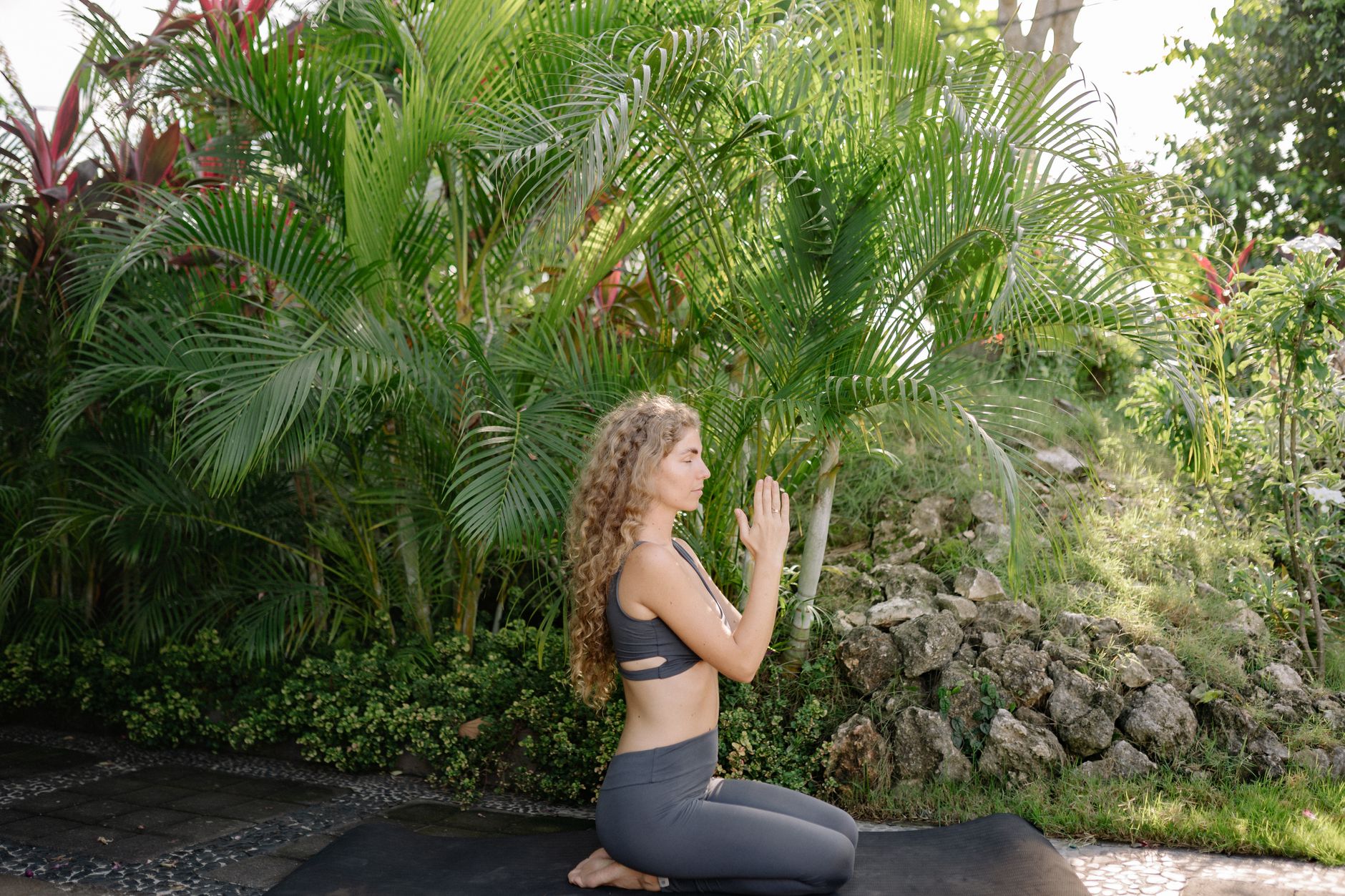
The Retreat, the Upcountry, the Seclusion
Sensei Lānaʻi sits in the island’s upcountry – elevated, cooler, removed from the coastline energy that defines most Hawaiian hospitality. The resort operates under a wellness philosophy that pairs data and nature rather than treating them as opposites, which suited the specific ask: understand the body better, not just rest it.
The fiancée joined with parallel needs from a parallel professional stretch – not identical circumstances but the same underlying deficit. Building a trip for two people who are both depleted, rather than defaulting to one person’s recovery program with the other tagging along, required the kind of customization that Sensei’s wellbeing team apparently handles as standard practice rather than an exception.
What Came in the Bag
The packing list said something about the mindset going in. Vintage silk and linen pieces chosen for their ability to transition across contexts – from something structured enough to feel intentional to something loose enough to disappear into. Nothing performative, nothing that required maintenance.
EltaMD UV Daily Hydration+ SPF 50 made the list as a non-negotiable. Not a vacation swap, not a travel-size concession – the same product used daily, brought because skin protection doesn’t take time off in Hawaii, where UV exposure is not theoretical. For anyone managing a health condition that already demands constant body awareness, the small act of maintaining consistent protective habits while traveling carries more weight than it might otherwise. The routine itself becomes an anchor. Chronic conditions have a way of reshaping even the smallest personal rituals, and keeping some of them intact while everything else shifts is its own kind of self-knowledge.
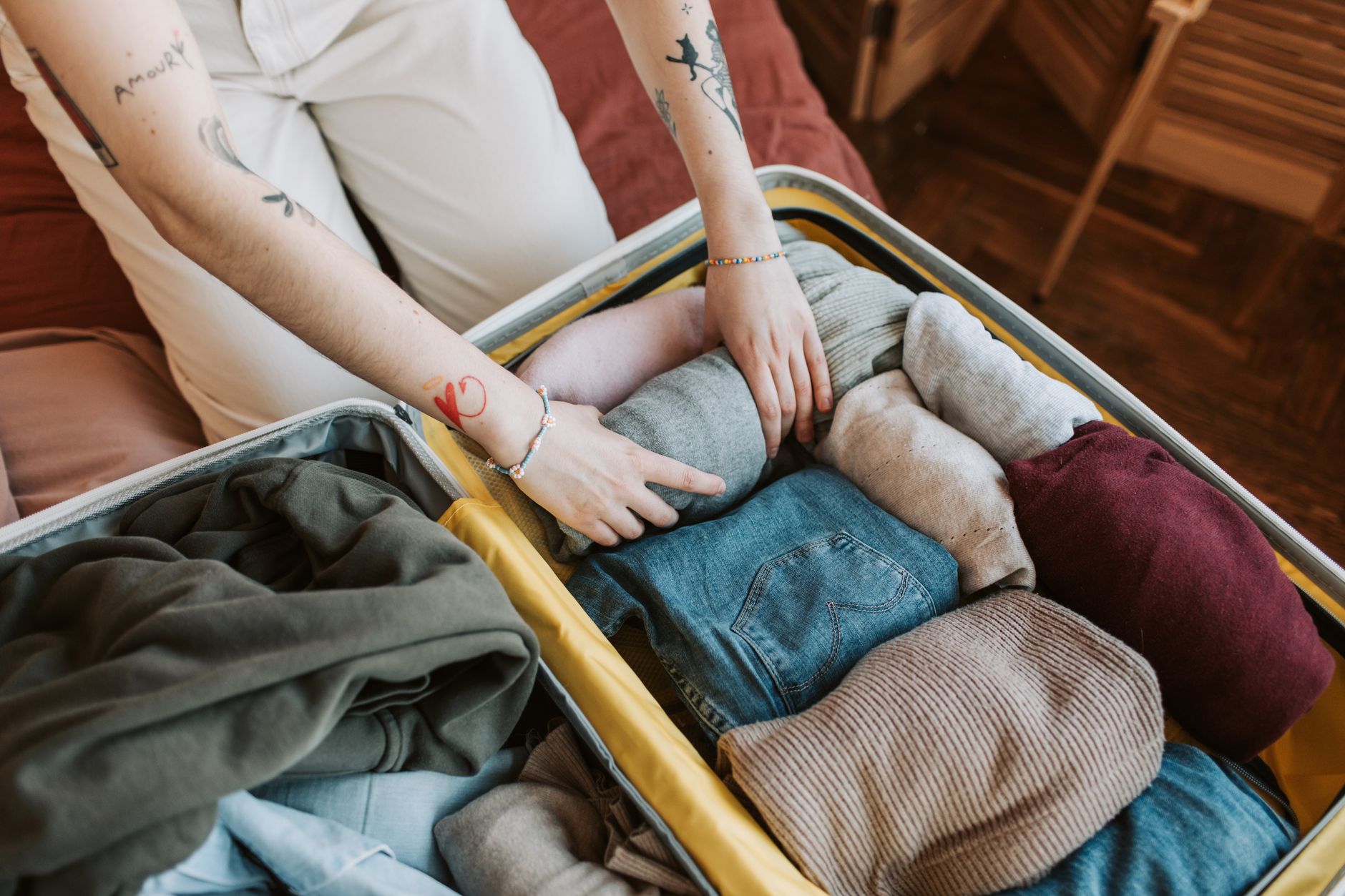
What the trip was ultimately reaching toward – a baseline, or the memory of having one – is something most people don’t think to look for until it’s been missing long enough to feel permanent. Six months of no days off, a new job that demanded everything, chronic pain as background noise: none of it individually constitutes a crisis. Together, it constitutes a life that needed a hard stop and a clear question. Whether Lānaʻi’s upcountry quiet and Sensei’s data-grounded wellness programming could deliver actual answers rather than the impression of them is exactly what remained to be found out.