



Being Heumann, the film based on Judy Heumann’s memoir of the same name, is now streaming on Apple TV. Ruth Madeley plays Heumann, one of America’s most important disability activists, and the film puts her life on screen for a much wider audience than the book reached.
Casting matters here.
A fashion magazine might seem an odd place to discuss a biographical film about civil rights, but the two subjects overlap more than they first appear to. Clothing is how people announce themselves in public, and for disabled people that announcement has often been complicated by buildings, buses and dress codes that were never designed with them in mind. Heumann spent her life fighting over who gets to enter a room. What she wore when she got there is a smaller question, but a real one.
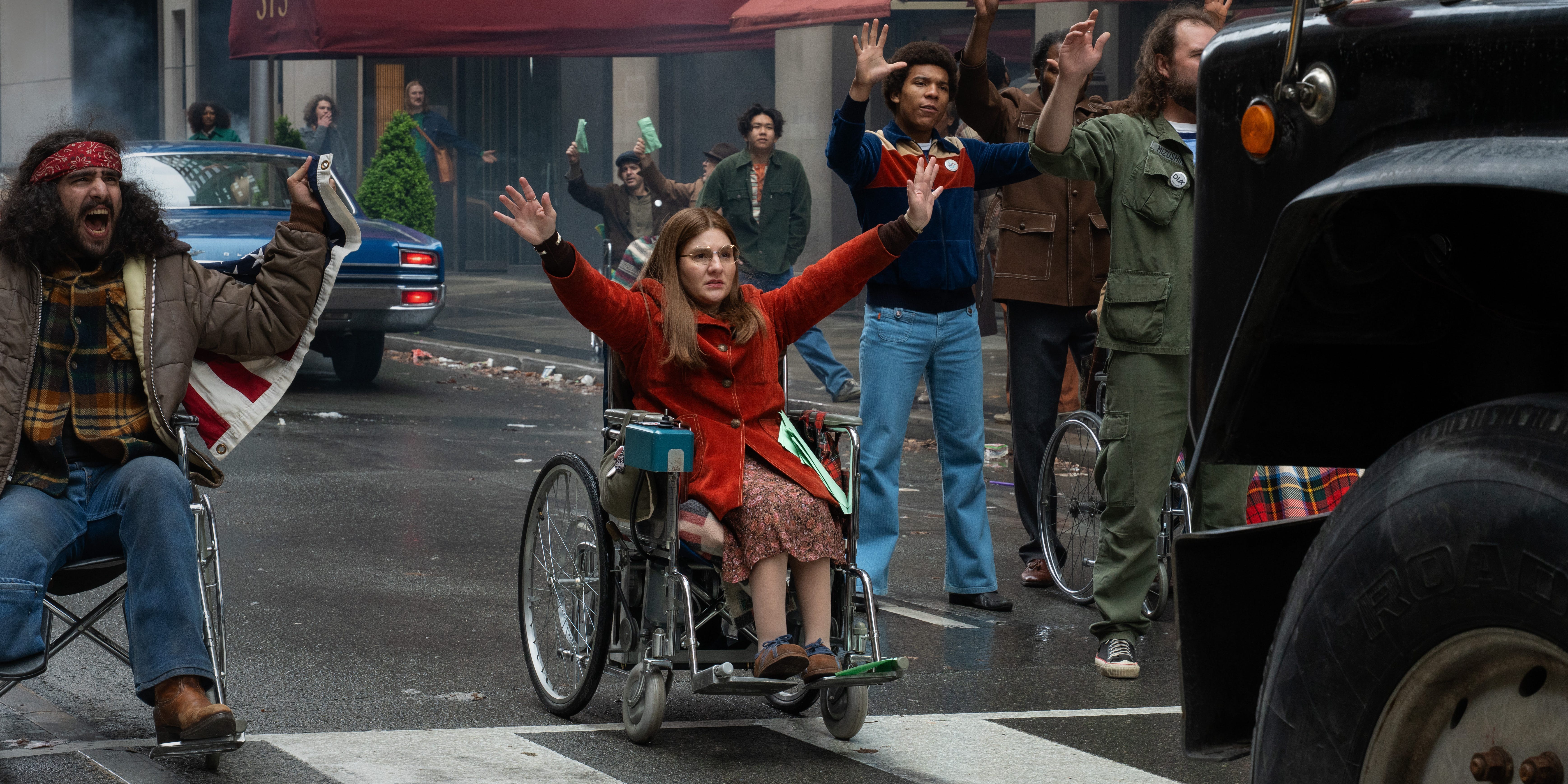
The Woman Behind the Memoir
Judy Heumann contracted polio as a small child and used a wheelchair for the rest of her life. When she was a child, a New York school refused to admit her, a decision rooted in the idea that a disabled student was a liability rather than a pupil. She later sued the city’s Board of Education over its refusal to license her as a teacher. That sequence, exclusion followed by a lawsuit, set the pattern for a career spent turning personal rejection into public argument.
Her best-known moment came in 1977, when protesters occupied a federal building in San Francisco for nearly a month to demand that regulations enforcing Section 504 of the Rehabilitation Act be signed. Section 504 barred discrimination against disabled people in programs receiving federal funding. Heumann was among the sit-in’s leaders. She later worked inside government, serving in the Clinton administration at the Department of Education and as a special adviser on international disability rights at the State Department under Obama. She died in 2023.
Her memoir, Being Heumann, appeared in 2020 and gave readers the unpolished version of that résumé: the stubbornness, the anger, the humor and the long stretches when the work did not feel like it was going anywhere. The film takes its title and its source from that book. Adapting a memoir is always a gamble, because the author’s voice has to survive being handed to someone else. Turning that voice over to an actor who understands from lived experience what it means to be stared at and talked over raises the odds that it will.
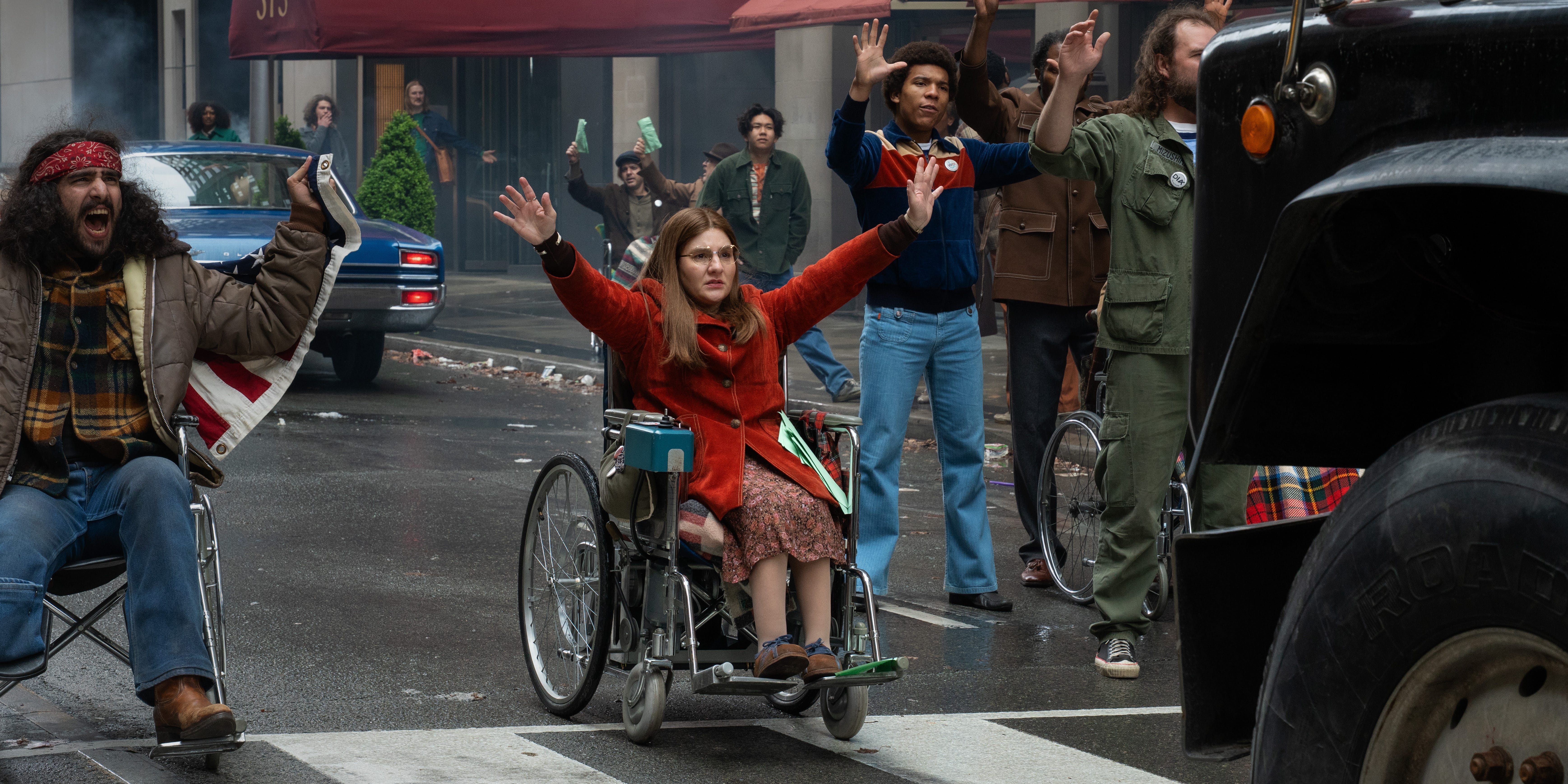
Why Madeley Is the Right Face for the Role
Ruth Madeley is a British actor who uses a wheelchair. She has been vocal about the thin pipeline of roles for disabled performers, and she is best known for screen work in which her disability was not the whole of the character. Being Heumann asks something different of her, because Heumann’s disability was inseparable from her politics. Playing her means carrying a real person’s public image, one that many viewers will already know from photographs and archival footage.
That is where the fashion lens becomes useful. Period biography lives or dies on small visual choices: the cut of a collar, the width of a lapel, the way a jacket sits over the back of a chair. Costume for a wheelchair user is a different technical problem than costume for a standing actor. Hems pool, sleeves catch, and a coat that looks sharp on a hanger can bunch badly when the wearer is seated all day. A production that treats those details as an afterthought produces a character who looks like a mannequin placed in a chair. One that treats them as design problems produces someone who looks dressed.
Disabled consumers have been making this argument for years, and the industry has started to answer, though unevenly. Adaptive lines have grown, with magnetic closures, seated-fit trousers and easier fastenings becoming more common, but the runway and the screen are still far behind the shop floor. Seeing a disabled woman dressed with intention in a prominent streaming release does something advertising campaigns rarely manage, because it shows ordinary clothing choices in the middle of a story rather than as a statement about accessibility. Heumann herself never treated her presence in a room as a performance. A film about her gets to show the same thing at scale.
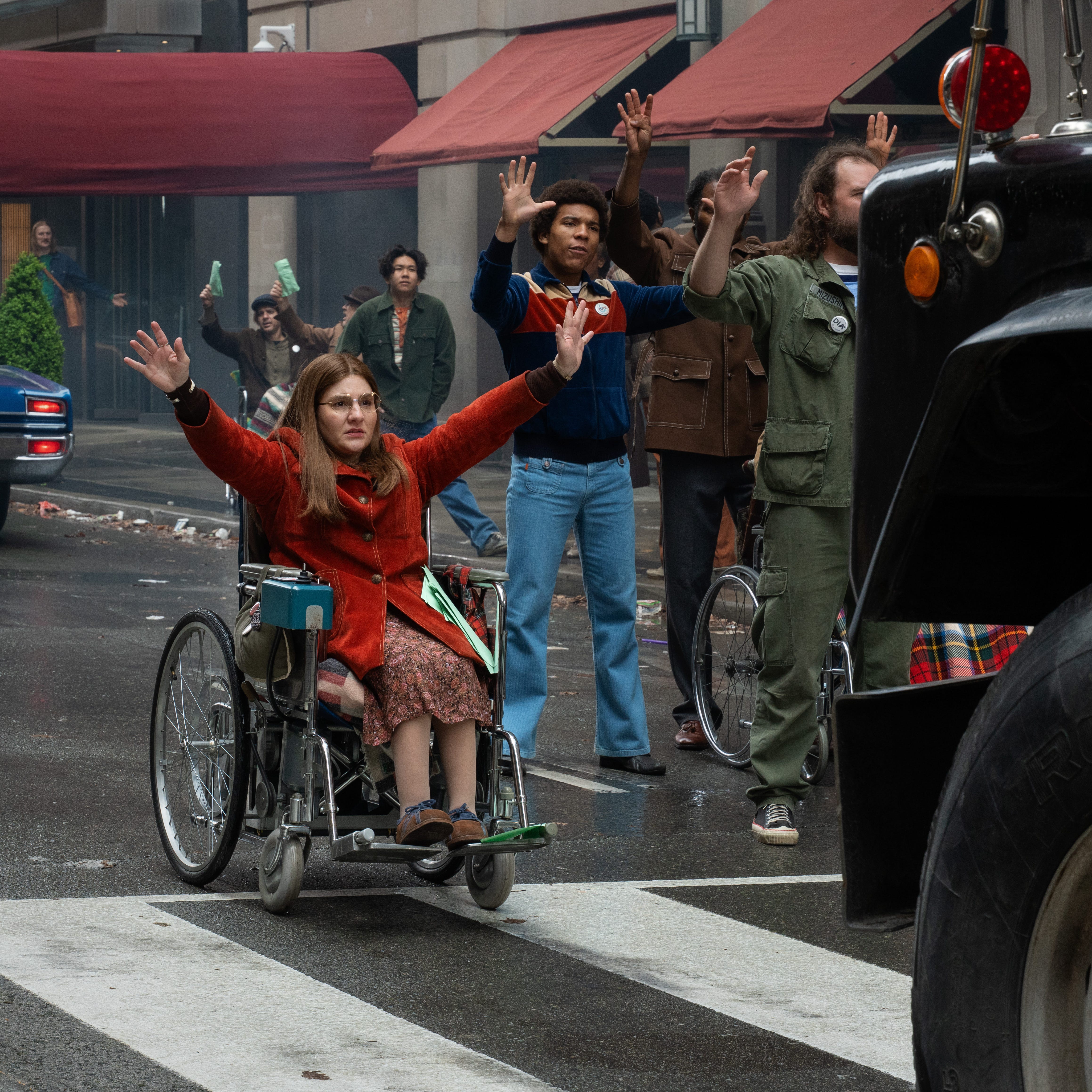
Being Heumann is streaming on Apple TV now, and Madeley is in nearly every frame of the argument it makes: who is allowed into the room, and who gets to be seen once they are inside it.