





Paris Fashion Week transformed into a digital playground this season as major fashion houses unveiled groundbreaking augmented reality runway experiences. The traditionally exclusive front-row seats expanded beyond physical venues, allowing global audiences to witness collections through immersive AR technology that overlays digital fashion elements onto real-world environments.
The shift represents fashion’s most significant technological leap since live streaming began over a decade ago. While pandemic-era digital shows focused on accessibility, this season’s AR integration creates entirely new storytelling possibilities for designers and unprecedented engagement opportunities for fashion enthusiasts worldwide.
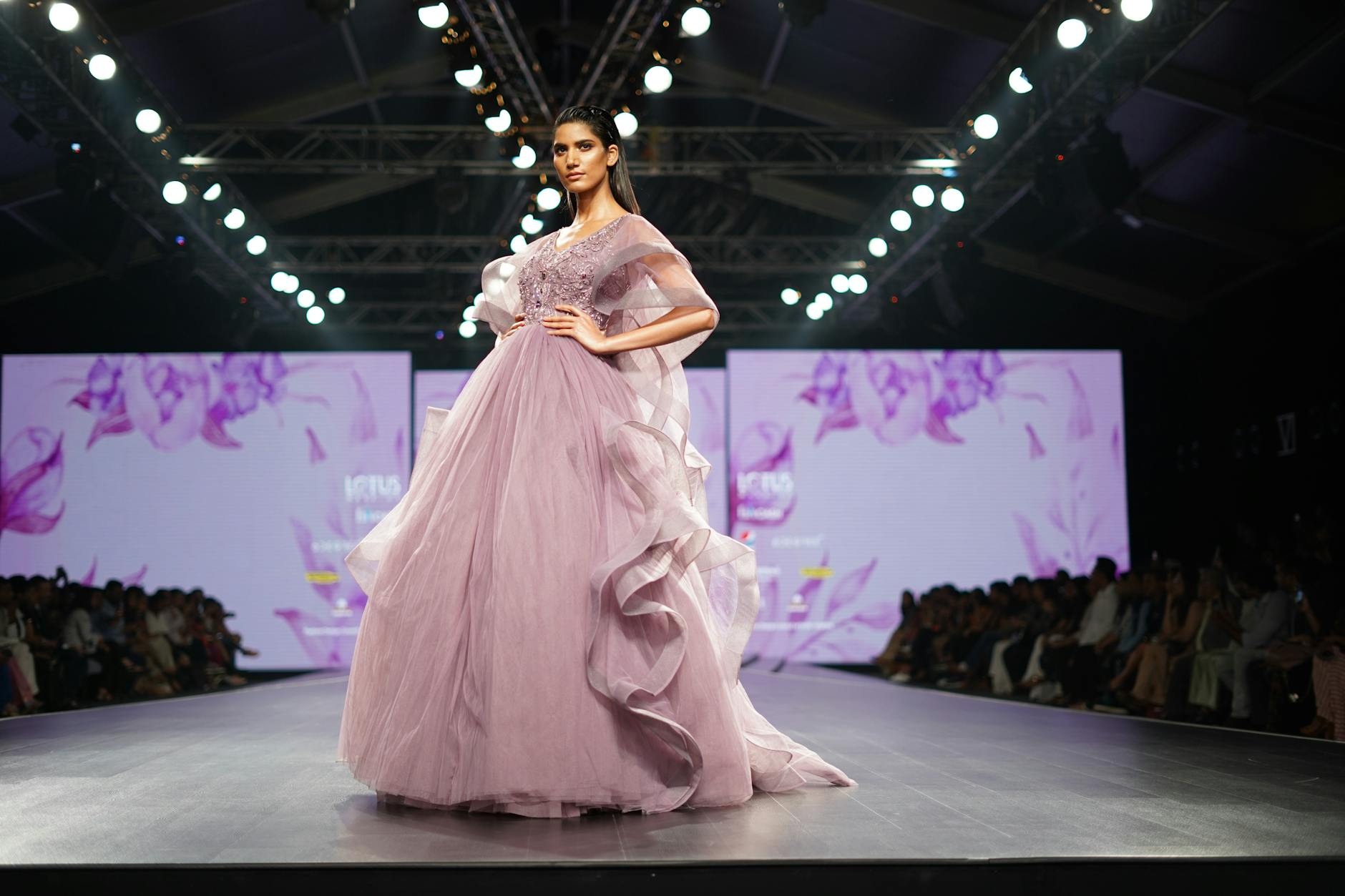
Major Maisons Lead the AR Revolution
Dior pioneered the movement with their Spring 2024 ready-to-wear presentation, where viewers could use smartphones to see virtual models walking through their own living spaces wearing the collection. The experience included interactive elements allowing users to examine fabric details, construction techniques, and styling options by simply pointing their device at different surfaces.
Chanel followed with an ambitious AR garden show that transformed any outdoor space into the brand’s signature camellia-filled runway. Users reported spending over 20 minutes exploring the virtual environment, significantly longer than traditional runway show durations. The technology enabled close-up views of intricate beadwork and embroidery that would be impossible from typical runway seating.
Saint Laurent took a different approach, creating AR portals that transported users directly onto a virtual Parisian rooftop runway. The experience included ambient sounds of the city and changing lighting conditions that matched real-time weather in Paris, creating an authentic atmospheric connection despite geographic distance.
Technology Partnerships Drive Innovation
The AR runway revolution required extensive collaboration between fashion houses and tech companies. Snapchat’s AR platform powered several shows, while Apple’s ARKit enabled iOS-specific experiences with enhanced visual fidelity. Meta’s Spark AR provided cross-platform compatibility, ensuring both Instagram and Facebook users could access the content seamlessly.
Fashion brands invested heavily in 3D modeling and motion capture technology to create realistic digital garments. Teams of specialists worked for months capturing fabric movement, draping characteristics, and lighting responses for each piece. The technical complexity rivaled video game development, with some collections requiring over 500 individual 3D assets.
Real-time rendering posed significant challenges, particularly for mobile devices with limited processing power. Brands implemented sophisticated compression techniques and adaptive quality systems that adjusted visual fidelity based on device capabilities while maintaining the essential design elements of each garment.
Global Accessibility Transforms Fashion Week
The democratization of Paris Fashion Week through AR technology broke down traditional barriers to fashion’s most exclusive events. Fashion students in remote locations could examine construction details previously visible only to industry insiders sitting in the front row. The technology enabled educational institutions worldwide to integrate live runway analysis into their curricula.
International buyers praised the AR format for its practical advantages. Instead of scheduling costly trips to Paris, buyers could evaluate collections from their showrooms, taking detailed notes and sharing observations with team members in real-time. Several major department store chains reported that AR presentations provided better decision-making information than traditional runway shows.
The format also created new engagement metrics for measuring collection success. Brands could track which pieces generated the most virtual try-ons, how long viewers spent examining specific details, and which interactive elements drove the highest engagement. This data provided unprecedented insights into consumer preferences and attention patterns.
Fashion weeks in other cities have taken notice of Paris’s digital innovation. Copenhagen Fashion Week’s carbon neutral initiatives now include AR components to reduce travel-related emissions, while London Fashion Week’s community garden venues are exploring hybrid physical-digital presentations.
Industry Response and Future Implications
Fashion critics initially approached AR runway shows with skepticism, questioning whether digital presentations could capture the emotional impact and craftsmanship appreciation that define haute couture. However, early reviews highlighted unexpected advantages, including the ability to revisit collections multiple times and examine technical details impossible to observe during live shows.
The technology’s impact extends beyond presentation format to influence design processes. Several designers reported that creating AR-compatible collections required new considerations for how garments would translate to digital formats. This led to innovative approaches to color, texture, and silhouette that enhanced both physical and virtual presentations.
Marketing budgets shifted significantly as brands allocated resources toward AR development and digital experience creation. Traditional fashion show production costs, including venue rental, seating, lighting, and catering, were redirected toward technology development and 3D asset creation. The investment proved worthwhile as AR shows generated measurably higher social media engagement than traditional formats.

The success of AR runway experiences positions Paris Fashion Week at the forefront of fashion’s digital evolution. As 5G networks expand globally and AR hardware becomes more sophisticated, the boundary between physical and digital fashion presentation will continue blurring. The technology’s potential extends beyond runway shows to virtual showrooms, interactive retail experiences, and personalized styling applications that could reshape how consumers discover and engage with fashion.
This season’s AR innovations represent just the beginning of fashion’s technological transformation. As designers and technologists continue collaborating, the next generation of digital fashion experiences promises even more immersive and accessible ways to appreciate the artistry and craftsmanship that define haute couture.
Frequently Asked Questions
How do AR runway experiences work at Paris Fashion Week?
Viewers use smartphones or AR devices to see virtual models walking in their own spaces, with interactive elements to examine fabric details and styling options.
Which fashion brands participated in AR runway shows?
Major houses including Dior, Chanel, and Saint Laurent created immersive AR experiences for their Spring 2024 collections during Paris Fashion Week.