




Fashion Week’s most prestigious shows are heading underground. New York Fashion Week organizers announced that select Spring 2025 presentations will take place in decommissioned subway stations across Manhattan and Brooklyn, marking the most dramatic venue shift in the event’s 60-year history.
The move responds to escalating venue costs and limited availability in traditional Manhattan spaces. With prime real estate increasingly scarce and rental prices soaring, fashion houses are embracing the city’s forgotten underground architecture. The Metropolitan Transportation Authority has designated five abandoned stations for fashion use, including the historic City Hall station and the never-opened Worth Street platform.
Underground Runway Revolution
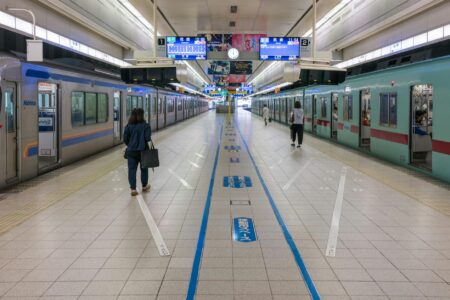
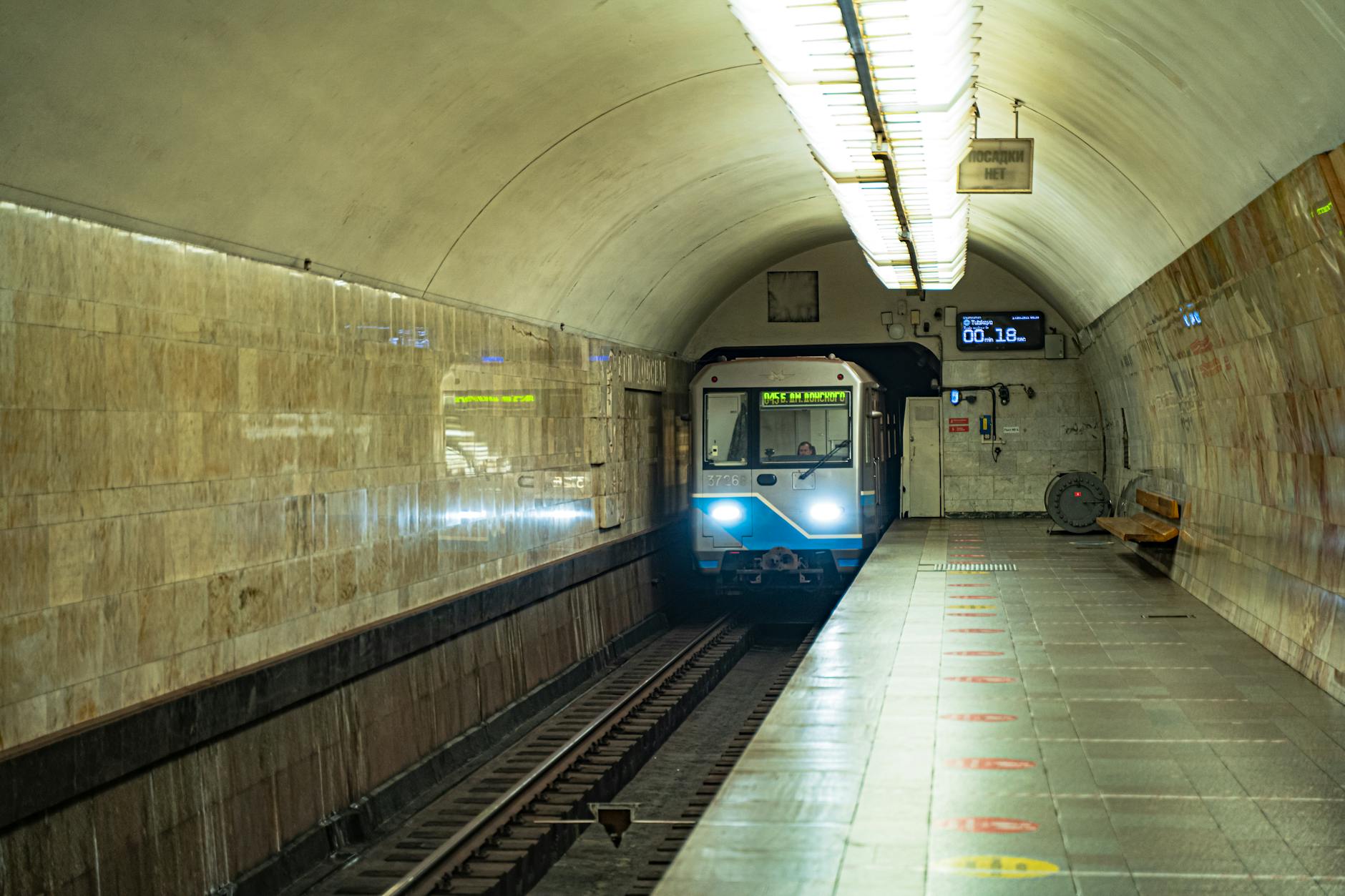
The abandoned stations offer unexpected advantages for fashion presentations. The curved tiled walls and vintage architecture create dramatic backdrops that complement both avant-garde and classic collections. City Hall station, closed to public access since 1945, features stunning Guastavino tile work and natural skylights that filter daylight onto the platform level.
Marc Ecko was among the first designers to embrace the concept during a preview event last month. His collection utilized the station’s industrial elements, with models walking along the platform edge while LED installations highlighted the historic tilework. The acoustic properties of the underground spaces also enhance the theatrical experience, allowing for immersive soundscapes impossible in traditional venues.
Brooklyn’s Court Street station, abandoned since 1946, will host emerging designer showcases. The station’s intact 1930s signage and preserved subway cars create an authentic New York atmosphere that resonates with younger designers seeking to connect their work to the city’s cultural heritage.
Logistics and Safety Protocols
Transforming century-old infrastructure into fashion venues requires extensive safety modifications. Each selected station undergoes structural assessments, electrical upgrades, and climate control installation. Temporary platforms extend existing ones to accommodate runway lengths, while discrete lighting systems highlight architectural details without damaging historic surfaces.
Security presents unique challenges in underground spaces. Access points are limited and controlled, creating an exclusive atmosphere but requiring careful crowd management. Emergency protocols include direct communication with active subway operations and coordination with FDNY specialized rescue teams familiar with underground environments.
The MTA has established strict guidelines for events, including weight limits for installations, restrictions on modifications to historic elements, and requirements for professional cleaning after each show. Sound levels must remain within specific decibel ranges to avoid disrupting nearby active subway lines.
Designer Response and Creative Opportunities
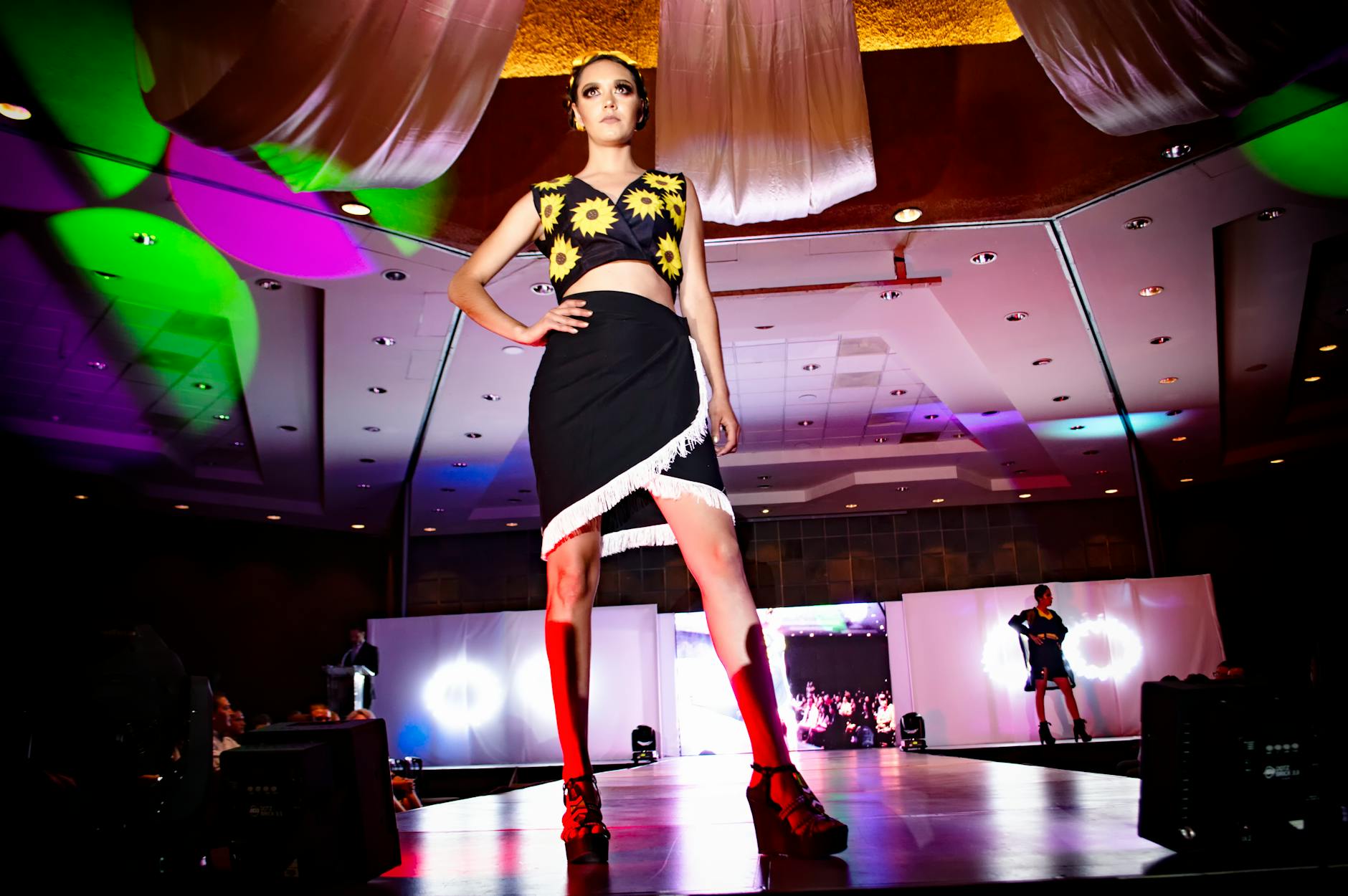
Fashion houses are reimagining their presentations for these unconventional spaces. Thom Browne plans to utilize multiple platform levels for a multi-act show, while Gabriela Hearst is designing around the natural lighting patterns created by street-level gratings. The underground setting encourages more intimate, storytelling-focused presentations rather than traditional runway walks.
Emerging designers particularly benefit from reduced venue costs and built-in atmosphere. The subway stations provide instant New York authenticity that would be expensive to recreate in conventional spaces. Several designers are incorporating the stations’ history into their collections, using archival photographs and vintage subway maps as print inspiration.
International fashion weeks are watching closely. London Fashion Week Embraces Community Gardens as Runway Venues, while Paris explores similar unconventional spaces. The underground venue trend reflects broader industry shifts toward experiential presentations that engage audiences beyond traditional runway formats.
Cultural Impact and Future Plans
The subway station shows represent more than practical solutions to venue shortages. They connect contemporary fashion to New York’s industrial heritage and democratic transportation history. Fashion becomes accessible in spaces originally designed for everyday New Yorkers, creating symbolic bridges between luxury fashion and urban life.
Public response has been overwhelmingly positive, with social media celebrating the authentic New York setting. Tourism officials expect the shows to generate interest in the city’s transportation history and abandoned infrastructure. The New York Transit Museum is developing guided tours connecting fashion presentations to subway system history.
Plans are already underway for expanded underground programming. Fall 2025 Fashion Week may include additional stations, with talks of utilizing sections of the abandoned pneumatic postal system tunnels for intimate presentations. The success of this initiative could permanently change how fashion weeks approach venue selection and audience engagement.
The marriage of high fashion and urban infrastructure proves that creativity thrives when constraints force innovation. As Fashion Week descends into the city’s forgotten spaces, it rediscovers the authentic New York spirit that made it a global fashion capital. These underground runways don’t just showcase clothing – they celebrate the city itself as the ultimate fashion accessory.
Frequently Asked Questions
Which subway stations will host Fashion Week shows?
City Hall station, Worth Street platform, and Brooklyn’s Court Street station are among the confirmed venues for Spring 2025 presentations.
Are the underground fashion shows safe for attendees?
Yes, each station undergoes structural assessments, safety upgrades, and emergency protocol coordination with subway operations and FDNY teams.