




From Pulitzer Prize Page to Netflix Drama
Jhumpa Lahiri’s short-story collection Unaccustomed Earth has long occupied a specific kind of real estate in literary culture – the kind of book that gets handed between friends, dog-eared within an inch of its life, quoted at dinner tables by people who rarely quote anything. Now Netflix is adapting it into a full drama series, and the production has its first official images, its cast, and a showrunner willing to use the word “soapy” without apology. That word matters. It tells you something about the ambition here: not a reverent, shrink-wrapped prestige project, but something messier and more alive.
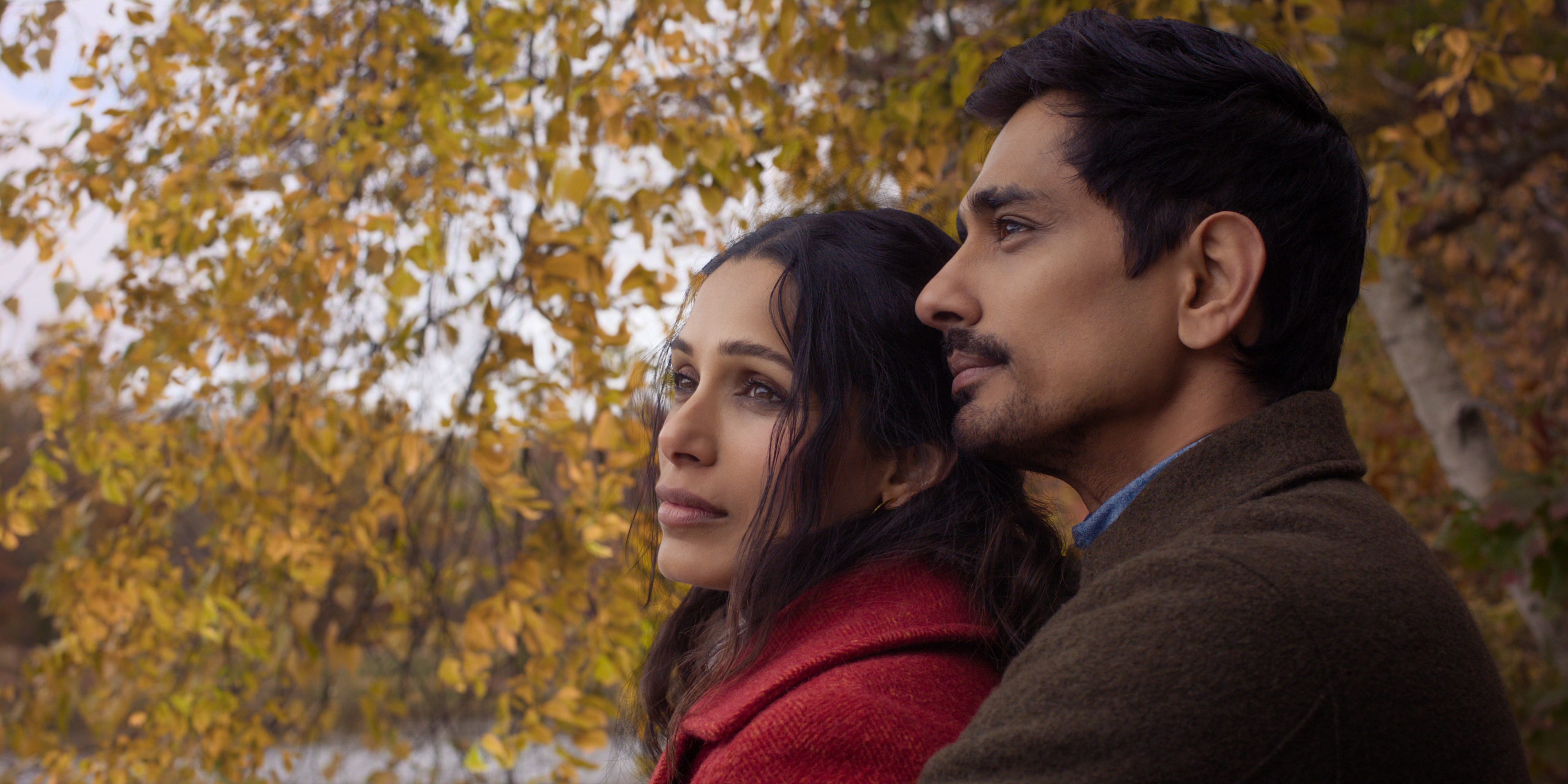
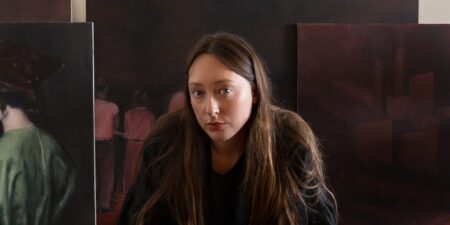
Showrunner Madhuri Shekar is leading the adaptation, with Freida Pinto and Sarayu Blue starring. All three spoke exclusively with Harper’s Bazaar about what it takes to translate a Pulitzer Prize-winning author’s acclaimed work into episodic television – and why the soapier instincts of the format might actually serve Lahiri’s material rather than betray it.
The series arrives as streaming platforms increasingly bet on literary IP with genuine cultural weight behind it.
What Madhuri Shekar Is Actually Building
Shekar’s track record gives Netflix good reason to trust her with Lahiri’s universe. As showrunner, she is the architectural force behind how the collection’s interlocking stories – each one a quiet detonation of immigrant experience, family expectation, and desire – get reassembled into something serialized. Short stories resist adaptation by design. They work through compression, through what they withhold. Television, particularly streaming drama, pulls in the opposite direction, demanding expansion, backstory, connective tissue. Getting that translation right without flattening the original is the specific challenge Shekar signed up for.
Her decision to embrace the dramatic possibilities of the format rather than fight them is evident in how the series is being described. “Soapy” is not a dismissal here – it is a creative stance. Lahiri’s characters are not static; they are people caught between worlds, between generations, between the lives they were supposed to want and the ones they actually do. That internal conflict, stretched across multiple episodes and multiple storylines, has genuine dramatic voltage. The question is whether the series can hold that charge without burning through it too quickly.
The visual language of the show will also carry significant weight. Adaptation is never just a writing problem – it is a design problem, a costuming problem, a question of how people look in rooms and what those rooms say about them. For a story collection so deeply concerned with the surfaces through which identity gets performed and negotiated, those choices are not incidental. They are the argument.
Freida Pinto, Sarayu Blue, and the Weight of the Material
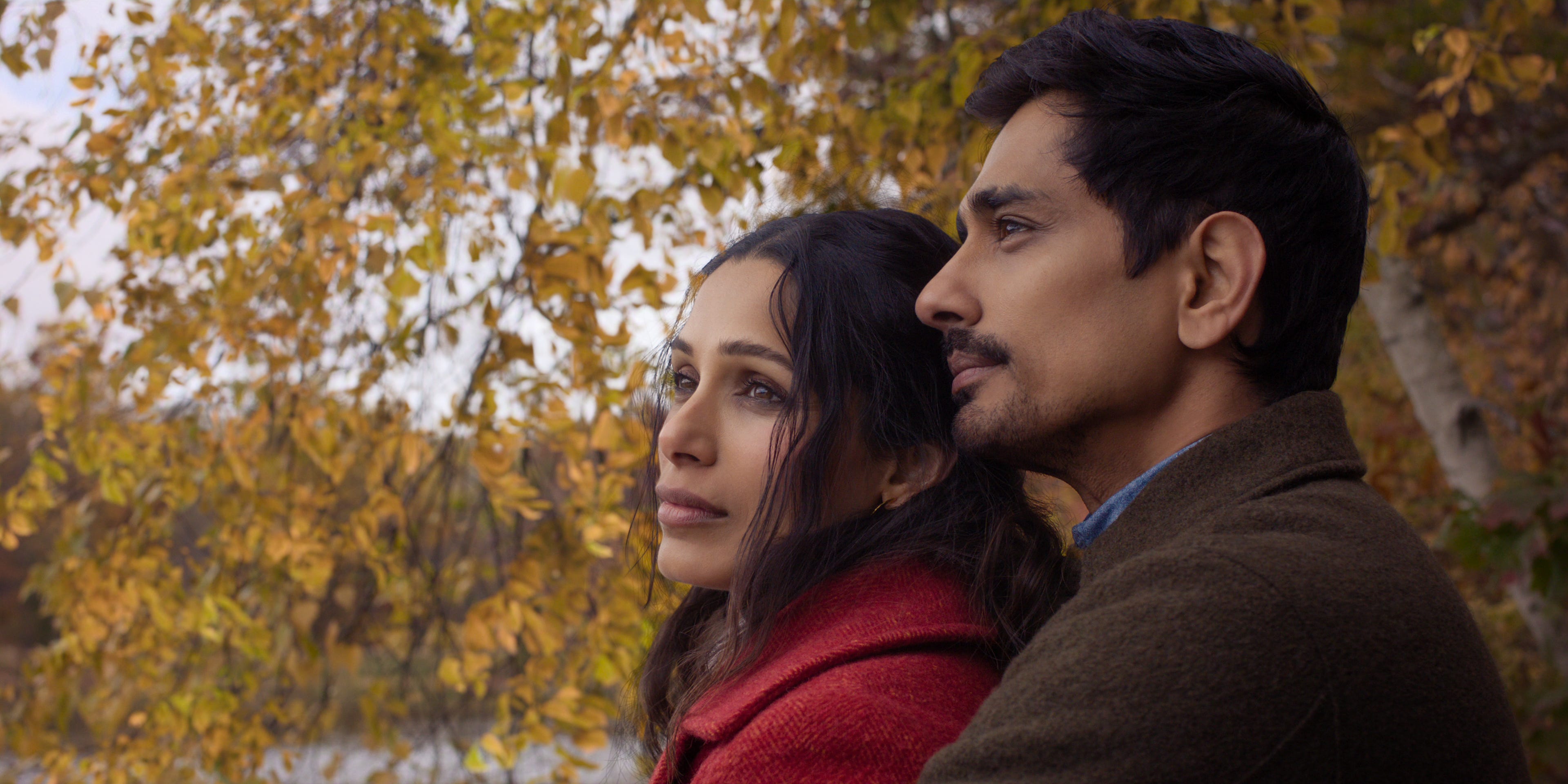
Freida Pinto has spent the better part of fifteen years navigating the specific pressures of being a South Asian woman in Western film and television – typecast, celebrated, and frequently misread in equal measure. Her casting in Unaccustomed Earth carries that history with it. Lahiri’s fiction has always been acutely aware of how South Asian women are perceived, performed, and constrained, and Pinto’s presence in the series puts that awareness directly in front of the camera rather than behind it. There is something deliberate about that alignment.
Sarayu Blue brings her own established range to the production. Best known for her work in American television comedy and drama, Blue has consistently demonstrated an ability to find the specific emotional frequency of a scene rather than its most obvious register. That precision matters enormously in Lahiri’s world, where the most important things are frequently the ones left unsaid.
Together, they represent the kind of casting that suggests the production understands what it is working with. Lahiri’s stories are not about plot in the conventional sense – they are about accumulation, about the way small moments build into something that cannot be undone. Pinto and Blue, in their respective roles, will have to carry that weight across what promises to be an emotionally demanding season of television. The wardrobe, the styling choices for each character, the way contemporary South Asian identity gets dressed and presented on a major streaming platform – all of it will be scrutinized by an audience that already has strong feelings about the source material.

Why This Adaptation Arrives Now
Lahiri’s Unaccustomed Earth was published in 2008 and debuted at number one on the New York Times bestseller list. It is the work of a writer who had already won the Pulitzer Prize for her debut collection, Interpreter of Maladies, and who was operating at full power. The stories in Unaccustomed Earth deal with second-generation Bengali-American experience – children of immigrants navigating marriages, grief, education, and the slow erosion of parental expectations – with a precision that made the book feel both specific and universal. Sixteen years later, that specificity has not dated. If anything, the conversations the book was having about identity, belonging, and the cost of assimilation have only grown louder.
Netflix’s decision to develop it now reflects where the appetite is. Streaming audiences have demonstrated that they will follow literary adaptations – particularly ones rooted in diaspora experience – when the production commits to the material rather than sanding down its edges for maximum palatability. The risk with Unaccustomed Earth is that the edges are the point. The discomfort, the ambivalence, the characters who make choices the audience cannot fully endorse – that is the engine of Lahiri’s fiction. How much of that survives the journey into a format built around retention and engagement metrics is an open question that no amount of early promotional enthusiasm can fully answer.
For fashion and culture observers, the series also opens a specific set of questions about how South Asian aesthetics, clothing, and visual identity get represented on a platform with Netflix’s global reach. Lahiri’s prose is meticulous about the material world – what people wear, what their homes look like, how they present themselves in different contexts. The production design and costume departments are, in this sense, co-authors of whatever argument the series ends up making.
Madhuri Shekar, Freida Pinto, and Sarayu Blue spoke to Harper’s Bazaar for the first official look at the series – and the images released alongside that conversation will be the first test of whether the visual world of the show can hold its own against the one Lahiri built in prose. That is not a small bar. Lahiri’s readers have been living inside her sentences for sixteen years, and they know exactly what those rooms are supposed to feel like.