
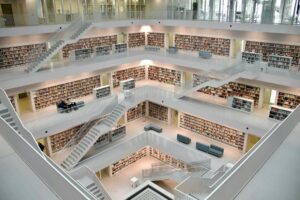



Hard hats and haute couture don’t typically mix, but Milan’s most ambitious designers are turning construction chaos into fashion’s newest frontier. Dust clouds and concrete mixers now serve as dramatic backdrops for million-dollar collections, as the industry embraces raw, unfinished spaces over polished showrooms.
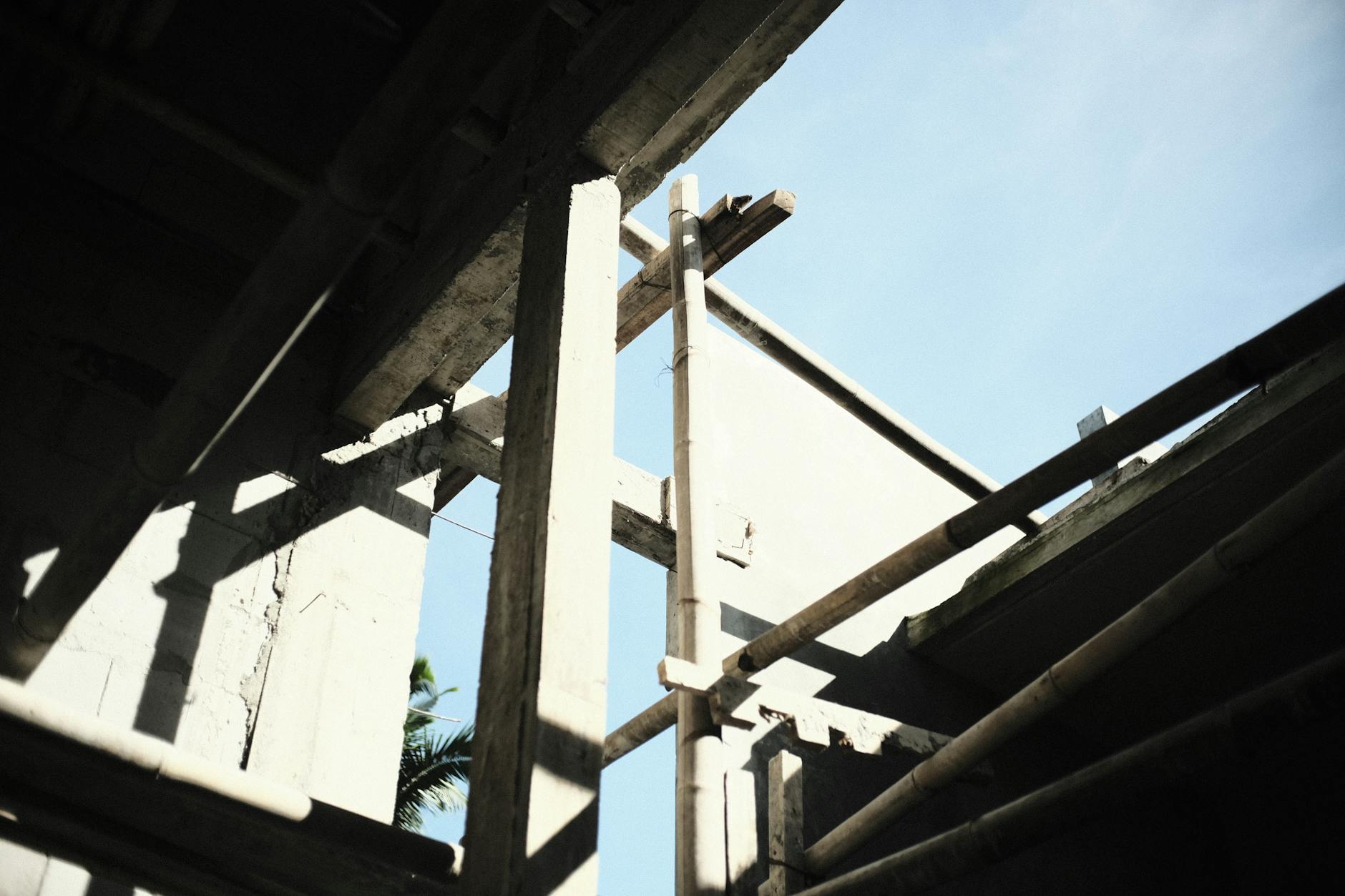
The trend emerged when Bottega Veneta staged their Spring 2024 show in an active construction site near Porta Nuova, with models navigating between scaffolding and exposed steel beams. The soundtrack mixed traditional runway music with the distant hum of machinery, creating an unexpectedly compelling atmosphere that had fashion editors scrambling for their phones.
The Appeal of Authentic Disruption
Construction sites offer something traditional venues cannot: genuine unpredictability. Unlike carefully orchestrated shows in pristine galleries, these locations force designers to work within constraints that change daily. A crane might block sight lines one day, fresh concrete might alter the walking path the next.
Giorgio Armani recently tested this concept with his Emporio Armani line, using a half-built residential tower in the Isola district. Models walked on temporary flooring while construction workers continued their shifts on upper floors, visible through gaps in the building’s facade. The juxtaposition of luxury fashion against honest labor created striking visual narratives that traditional runways couldn’t achieve.
The practical challenges are significant. Brands must coordinate with construction schedules, navigate safety protocols, and manage sound interference. Dolce & Gabbana spent weeks negotiating with contractors to pause jackhammer work during their 20-minute show at a Brera development site. The result was worth the effort – images of models in silk gowns against exposed rebar became some of fashion month’s most shared content.
Safety Meets Style: The Logistics Challenge
Fashion production teams are learning construction site protocols alongside their usual runway choreography. Models receive safety briefings about hard hat requirements during rehearsals, though most remove them before the actual show begins. Insurance costs have doubled for some brands, but the investment pays off in media coverage.
Versace adapted their usual dramatic lighting to work within construction site electrical limitations, using portable generators and battery-powered LED systems. The constraint forced their team to innovate, creating lighting designs that enhanced rather than competed with the industrial setting. The raw concrete absorbed sound differently than typical venues, requiring audio engineers to adjust their approaches entirely.
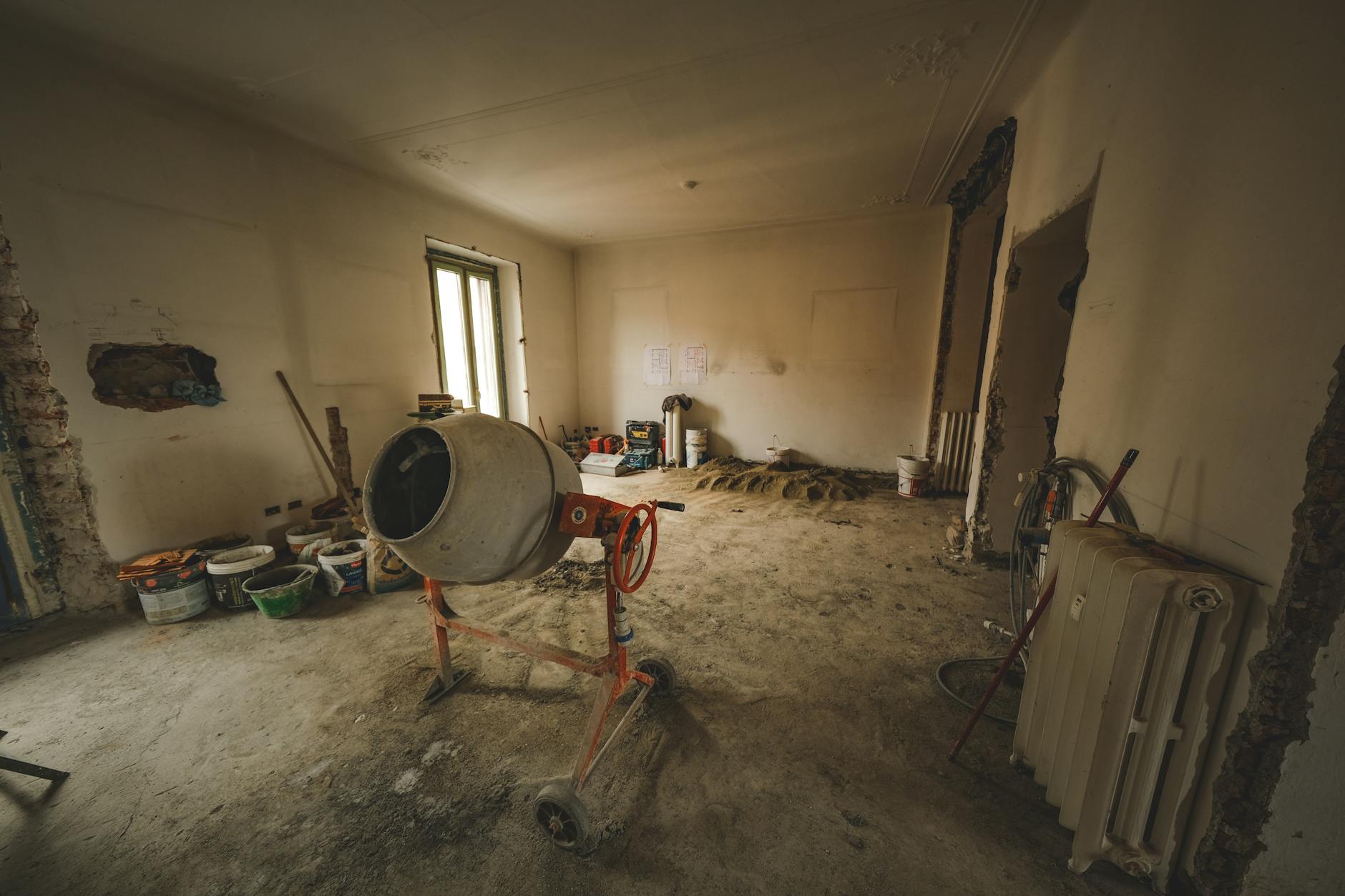
Security becomes complex when shows occur in active work zones. Private security must coordinate with construction site managers, while maintaining the exclusivity fashion week demands. Guest lists are more restricted, but the intimate atmosphere often produces stronger industry connections than massive productions in traditional spaces.
Industry Response: From Skepticism to Adoption
Initial industry reaction ranged from curiosity to concern about safety and practicality. However, early adopters report increased media attention and stronger brand differentiation. Fashion journalists appreciate the authentic storytelling opportunities these venues provide, moving beyond standard runway coverage to explore broader themes about creativity, labor, and urban development.
Similar unconventional venue trends are emerging globally. Berlin Fashion Week’s pop-up shows in historic bunkers demonstrate how alternative spaces can enhance narrative depth, while maintaining the exclusive atmosphere brands require.
Retail buyers report that collections shown in construction sites often feel more commercially viable. The industrial backdrop helps highlight garment construction and fabric quality in ways that ornate venues sometimes obscure. Several major department store buyers have increased orders for collections debuted in these unconventional settings.
The Economics of Unconventional Venues
Construction site rentals cost significantly less than traditional fashion week venues, but additional expenses balance the savings. Safety equipment, specialized lighting, portable facilities, and extended insurance create new budget categories. However, brands report stronger social media engagement and press coverage, making the investment worthwhile for marketing purposes.
Smaller designers are finding construction sites more accessible than established fashion week venues, democratizing show opportunities. Emerging labels can secure interesting spaces without competing against major houses for prime locations. This accessibility is shifting Milan Fashion Week’s landscape, introducing fresh perspectives alongside established luxury brands.
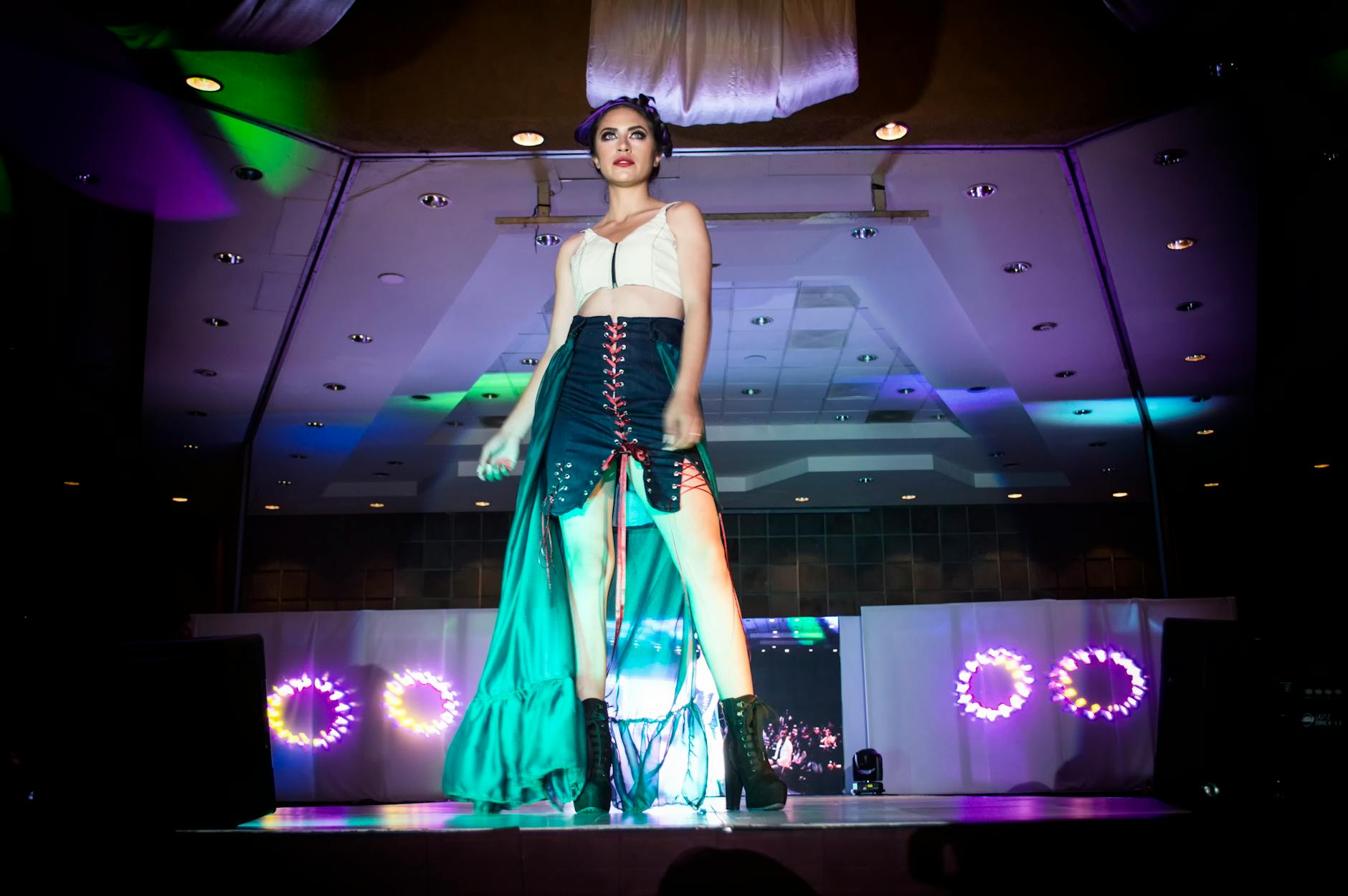
The trend extends beyond Milan, with designers in other fashion capitals exploring similar concepts. The success of these unconventional shows suggests a broader shift in how fashion communicates with audiences, prioritizing authenticity and narrative over traditional luxury presentation methods.
Looking Forward: The Future of Fashion Presentation
As construction site shows prove successful, designers are exploring other working environments. Factory floors, active film sets, and functioning laboratories are under consideration for future collections. The key requirement remains authenticity – spaces must serve genuine purposes beyond fashion presentation.
The trend reflects broader cultural shifts toward transparency and authenticity in luxury marketing. Consumers increasingly value brands that acknowledge the labor and craft behind their products, making industrial settings appropriate venues for fashion storytelling. This evolution may permanently alter how luxury goods are presented and perceived.
Milan’s construction site runway experiment demonstrates fashion’s ability to find beauty in unexpected places while creating more inclusive, accessible presentation formats. As the industry continues evolving, these unconventional venues offer sustainable alternatives to traditional fashion week infrastructure, suggesting a future where creativity thrives within real-world constraints rather than artificial luxury bubbles.
Frequently Asked Questions
Why are Milan designers using construction sites for fashion shows?
Construction sites offer authentic unpredictability and industrial aesthetics that create compelling visual narratives traditional venues cannot achieve.
Are construction site fashion shows safe for models and guests?
Shows follow strict safety protocols with coordination between fashion teams and construction managers, though insurance costs typically double.