




Fashion’s most prestigious week has traded marble floors for mulched soil. London Fashion Week’s groundbreaking shift toward community gardens as runway venues signals a profound transformation in how the industry approaches sustainability, accessibility, and authentic connection with local communities.
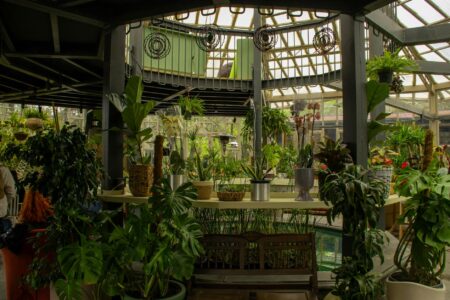
The initiative launched this season when established designers like Simone Rocha and emerging talents from the British Fashion Council’s NEWGEN program began partnering with urban agriculture projects across London’s boroughs. These collaborations transformed working gardens in Hackney, Southwark, and Camden into immersive fashion experiences where models walked between raised vegetable beds and greenhouse installations.
From Concrete to Compost: The Venue Revolution
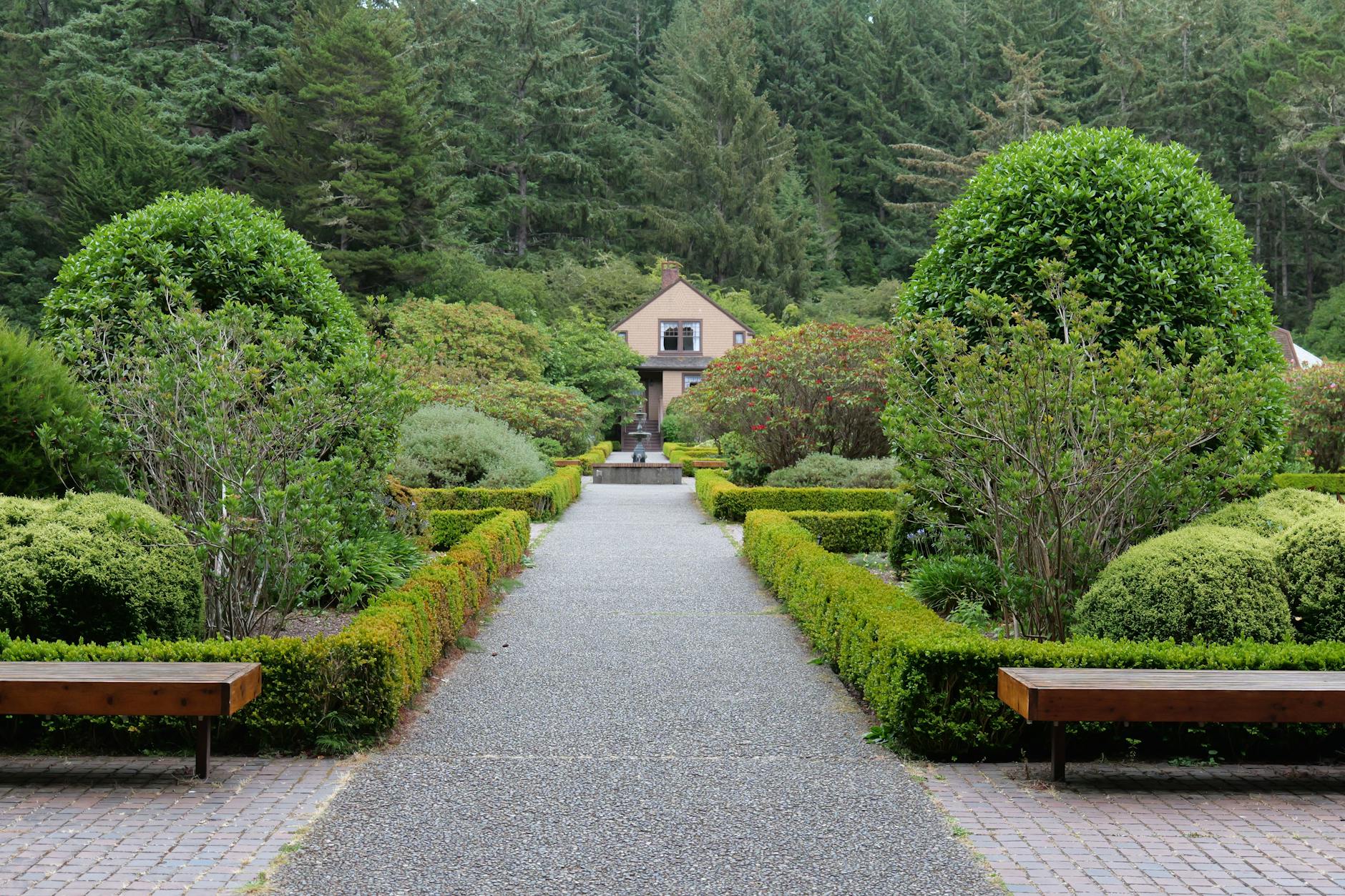
The transition from traditional show spaces to community gardens represents more than aesthetic choice. Designers are discovering that these living venues offer unique storytelling opportunities that resonate with contemporary values around environmental consciousness and community engagement.
At the Dalston Eastern Curve Garden, fashion house Mother of Pearl presented their latest collection among heritage fruit trees and wildflower meadows. Creative director Amy Powney explained the decision as both practical and philosophical, noting how the garden’s existing infrastructure of pathways and gathering spaces naturally accommodated runway logistics while providing authentic context for sustainable fashion narratives.
The Royal Borough of Kensington and Chelsea’s Holland Park Ecology Centre hosted three separate shows throughout the week, with its Japanese garden and peacock enclosures creating dramatic backdrops. Models navigated carefully planned routes that respected ongoing conservation work while maximizing visual impact for both live audiences and digital streaming platforms.
Community garden partnerships extend beyond venue rental agreements. Designers are working directly with local gardening groups, incorporating garden-grown materials into accessories, and establishing ongoing relationships that benefit both fashion brands and neighborhood organizations throughout the year.
Economic Impact and Accessibility Gains
The community garden model addresses longstanding criticisms about Fashion Week’s exclusivity and environmental impact. Traditional venue costs often limited smaller designers’ participation, but garden partnerships operate on more flexible, community-focused fee structures that prioritize cultural exchange over pure commercial transaction.
Bethnal Green Nature Reserve reported that fashion week partnerships generated enough funding to expand their youth education programs and purchase new greenhouse equipment. Similar economic benefits appeared across participating sites, with garden organizations using fashion week revenue to support winter programming and facility improvements.
Accessibility improved dramatically compared to traditional venues. Community gardens typically offer ground-level access, public transportation connections, and familiar neighborhood settings that welcome local residents alongside fashion industry attendees. Several shows incorporated community volunteers as ushers and backstage support, creating employment opportunities that extend fashion week’s economic benefits beyond industry insiders.
The model also reduces transportation-related emissions by distributing shows across London’s geographic area rather than concentrating them in central locations. Audience members can attend shows closer to their homes or combine fashion week visits with local shopping and dining, supporting broader economic activity in residential neighborhoods.
Creative Collaborations and Community Integration
Fashion designers are discovering unexpected creative partnerships through community garden collaborations. At the King’s Cross Skip Garden, fashion students from Central Saint Martins worked alongside community gardeners to create installation pieces using recycled materials and garden waste, blurring boundaries between fashion presentation and environmental art.
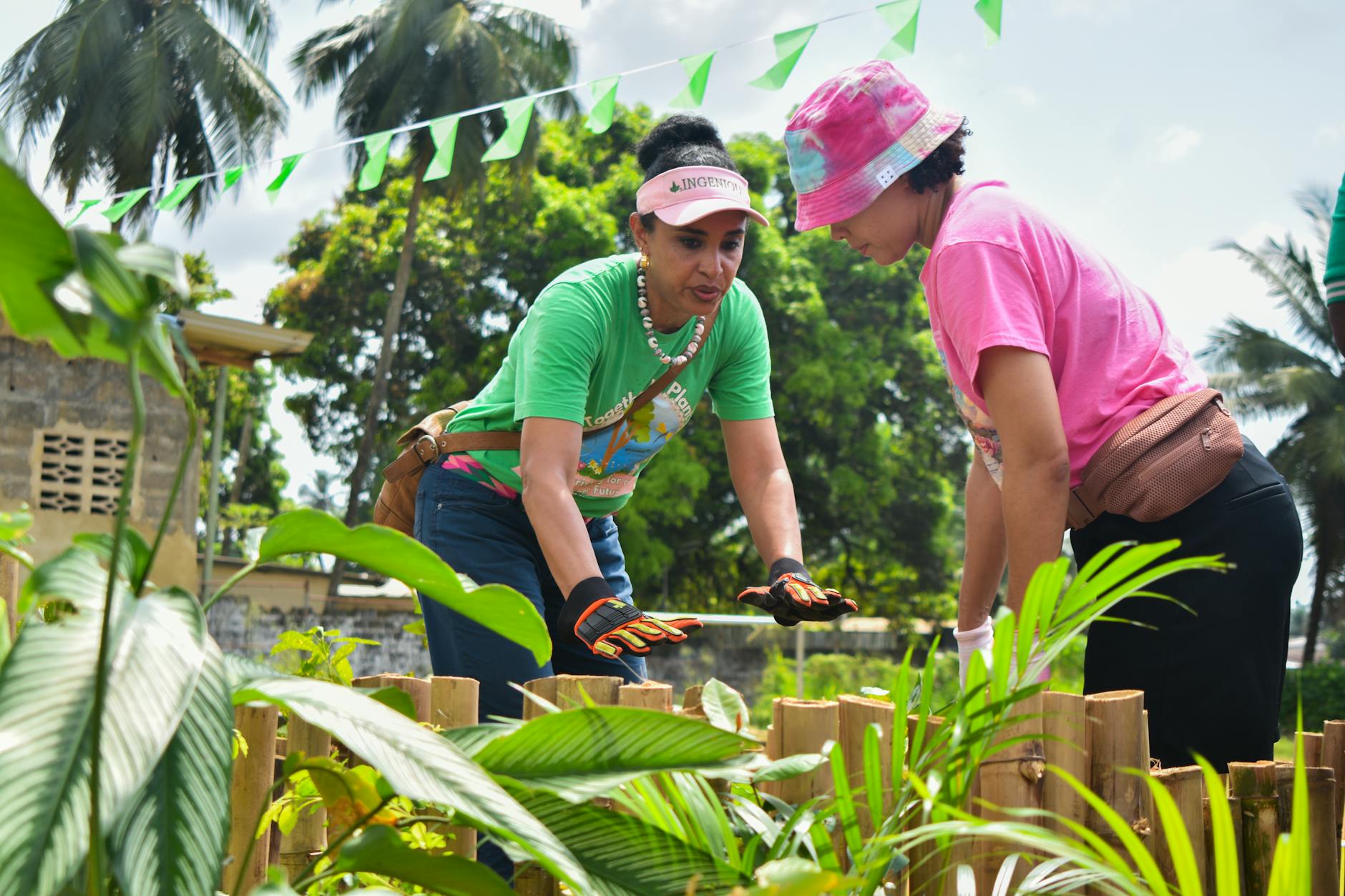
Local schools participated directly in several shows, with students from nearby primaries creating garden-inspired artwork displayed alongside fashion pieces. These intergenerational collaborations add layers of meaning to fashion presentations while introducing younger audiences to creative industries and sustainable practices.
Food partnerships emerged organically from garden settings. Several designers arranged for shows to conclude with harvested produce tastings or community meals prepared using ingredients grown on-site. These extensions transform fashion shows from brief spectacles into longer community gatherings that strengthen neighborhood connections.
The integration approach influenced creative direction significantly. Designers began developing collections specifically for garden environments, considering how fabrics move among plants, how colors complement seasonal growth, and how garments interact with natural lighting conditions throughout different times of day.
Industry Response and Future Expansion
Major fashion publications initially approached garden venues with skepticism about production logistics and image quality. However, the unique visual narratives generated by natural settings, combined with strong social media engagement from community participation, quickly shifted industry perception toward enthusiasm for expanded garden programming.
Photographers report that natural lighting and organic backdrops create compelling images that stand out in increasingly crowded fashion media landscapes. The authentic community presence adds human interest elements that resonate particularly well with younger audiences who value transparency and social responsibility in fashion brands.

Looking toward next season, the British Fashion Council announced expanded support for alternative venue partnerships, including funding for sustainable transportation between garden locations and technical assistance for designers adapting to outdoor presentation challenges. Similar initiatives are reportedly under development in other fashion capitals, with Copenhagen Fashion Week’s carbon neutral initiative already incorporating community space partnerships.
The success of London’s community garden integration demonstrates fashion’s capacity for meaningful evolution beyond surface-level sustainability gestures. By embedding shows within existing community infrastructure, Fashion Week creates lasting relationships that benefit both creative industries and neighborhood organizations while reducing environmental impact through distributed, local programming.
This transformation suggests fashion’s future lies not in isolated spectacle but in authentic community engagement that honors both creative vision and social responsibility. As designers continue exploring collaborative models, community gardens may prove to be just the beginning of fashion’s deeper integration into the social fabric of the cities where it creates and celebrates.
Frequently Asked Questions
Why are designers using community gardens for fashion shows?
Gardens offer sustainable venues, reduce costs, improve accessibility, and create authentic community connections while providing unique visual backdrops for collections.
How do garden venues benefit local communities?
Garden partnerships generate funding for community programs, create local employment opportunities, and bring cultural events directly to residential neighborhoods.