



When the Costume Becomes the Commentary
Halloween 2026 delivered something the internet has been quietly waiting for: celebrities who actually took the assignment. Not the lazy cat-ear headband, not the recycled superhero suit pulled from a studio wardrobe – real, thought-out, occasionally uncomfortable choices that said something about who these people are and who they’re willing to mock, even when that person is themselves or someone sitting very close to home.
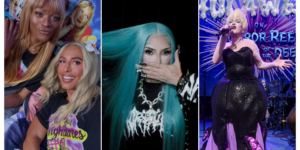
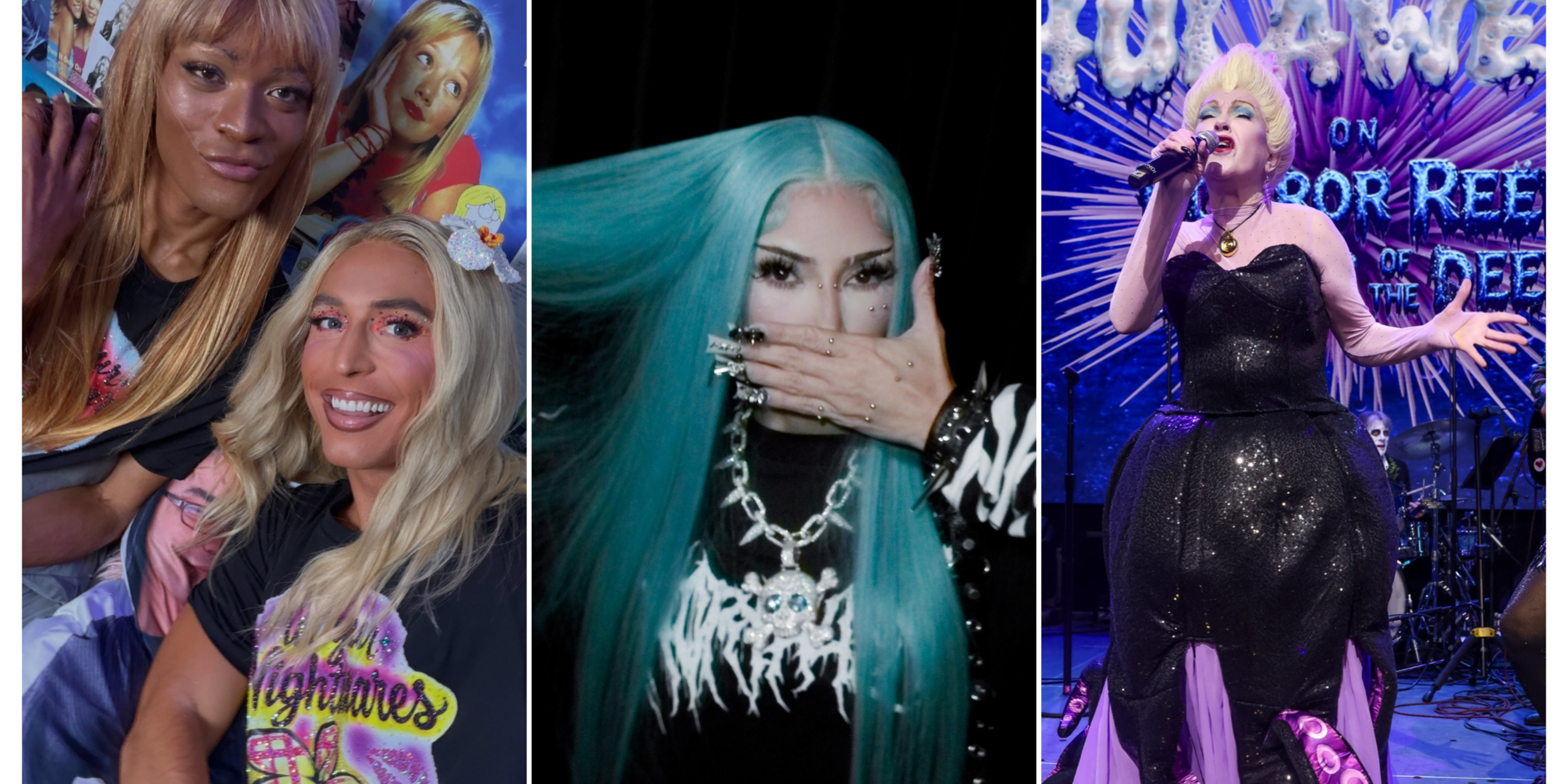
This year’s standout moment belonged to Kim Kardashian, who dressed as her own daughter, North West.
The move landed differently than a standard celebrity costume. Kim Kardashian dressing as North West is not just a Halloween choice – it’s a mirror held up to years of public mother-daughter tension, TikTok commentary, and a teenager who has made it increasingly clear she has her own aesthetic, her own voice, and very little interest in her mother’s brand of glamour. The costume was either deeply self-aware or completely unaware, and that ambiguity is what made it the thing everyone talked about first.
Paris Hilton’s Britney Spears and the Weight of That Reference
Paris Hilton went as Britney Spears. On paper, it reads as a nostalgic Y2K tribute – two icons of the early 2000s, lifelong friends, the kind of costume that generates immediate recognition. But 2026 is not 2004, and Britney Spears is not simply a pop culture reference anymore. She is a person who lived through a conservatorship, wrote a book about it, and has spent the last several years rebuilding a private life. Hilton choosing Spears as a Halloween costume this year carries more weight than it would have a decade ago, whether that was the intention or not.
Hilton and Spears have been photographed together for over two decades. Their friendship predates the tabloid era that consumed them both, which gives the costume a personal dimension most outside observers are reading from the outside. Hilton’s execution – the look, the specific era she chose to reference – matters here, because Spears has been publicly associated with so many different visual moments that the choice of which Britney says everything.
What both of these costumes share is a willingness to inhabit someone real rather than something fictional. No Marvel characters, no horror classics, no generic “sexy” interpretations of inanimate objects. Kardashian and Hilton both chose living people they have direct personal relationships with, which raises the stakes considerably and makes the images circulate far longer than a standard Halloween photo dump.
What the Rest of the Field Looked Like
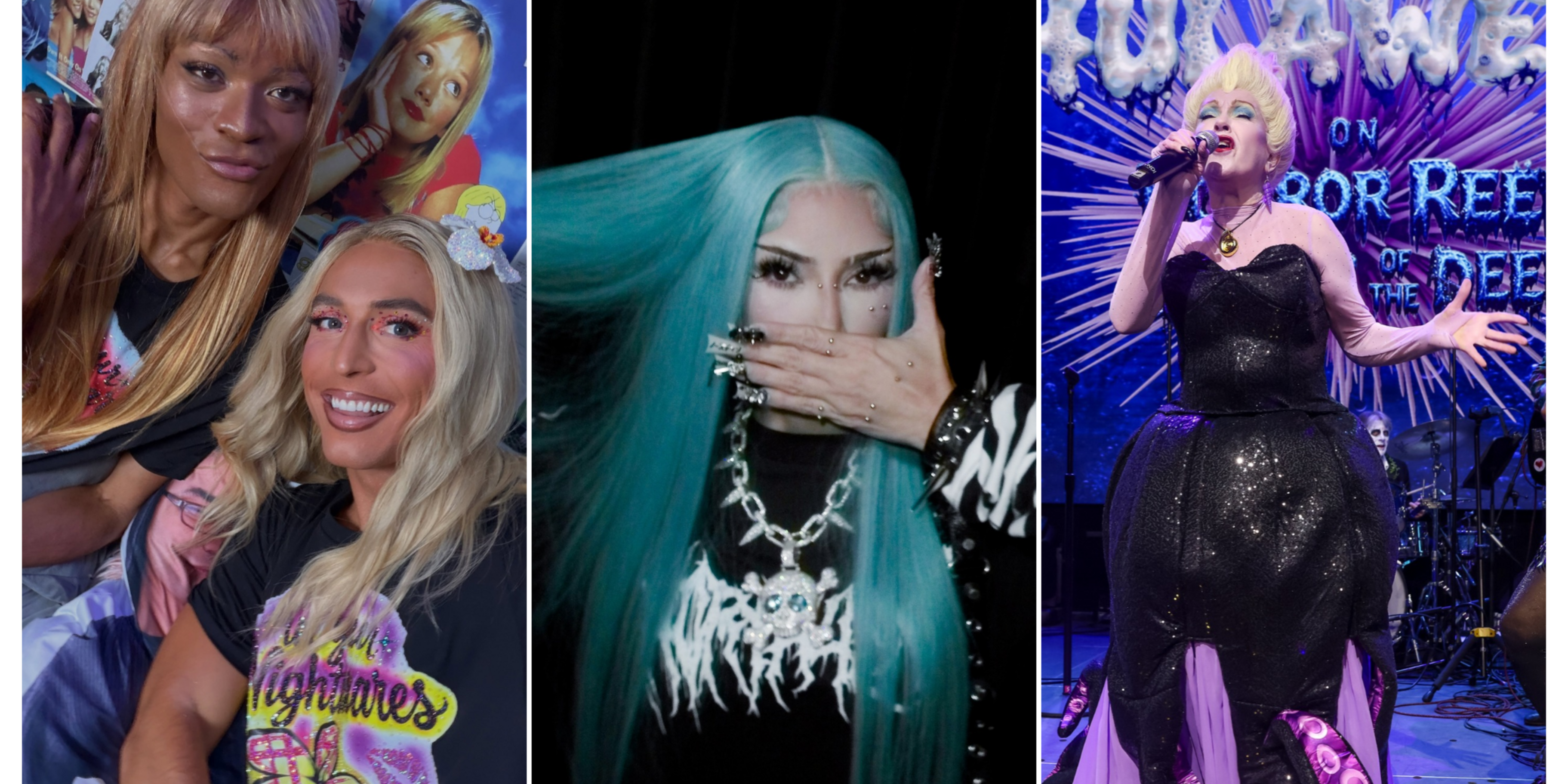
Beyond the two headline costumes, 2026’s celebrity Halloween landscape tracked a clear pattern: the most talked-about looks were built around specificity rather than spectacle. Elaborate prosthetics and Hollywood-level production still appeared, but the costumes that moved through social media fastest were the ones that required cultural context to fully land – references that rewarded people who got them and confused everyone else.
That dynamic has been building for several years. As Halloween has shifted from a single night to a multi-week content cycle, celebrities have had to recalibrate. The costume that photographs well in one image is no longer enough. It has to hold up across video, across multiple angles, across the inevitable side-by-side comparisons that appear within hours. The ones who succeed treat the whole thing less like dressing up and more like casting themselves in a short film with a very specific audience in mind.
The looks that fell flat this year shared a common problem: they were recognizable without being interesting. A costume can be technically accurate – right color palette, right silhouette, right accessory – and still generate nothing because there’s no tension in it, no reason to linger. The celebrities who understand Halloween as a form of public performance rather than a dress code consistently produce images that get pulled into broader conversations about identity, nostalgia, and the strange intimacy of fame.
North West, Britney Spears, and the Question of Consent
Both of 2026’s most discussed costumes involve women who did not choose to become the costume. North West is 13. Britney Spears is a private individual who has explicitly written about wanting control over her own image and narrative. The fact that two of the most high-profile Halloween moments of the year center on their likenesses – one by a parent, one by a friend – is the kind of detail that tends to get buried under the fun of the photos but doesn’t disappear entirely.
This isn’t unique to 2026. Celebrities have dressed as other living people for as long as Halloween has been a public performance. But the cultural context around image, consent, and representation has shifted enough that what reads as a tribute to one audience reads as something more complicated to another. Hilton’s costume will be received one way by people who remember the early 2000s as a golden era and another way entirely by people who came to know Spears primarily through the #FreeBritney movement and its aftermath.
Kim Kardashian dressing as North West will be read differently by people who follow North’s public persona – her music, her art, her increasingly distinct point of view – than by people who simply see it as a mother affectionately roasting her kid. Both readings exist simultaneously, which is precisely why the image traveled so far so fast.
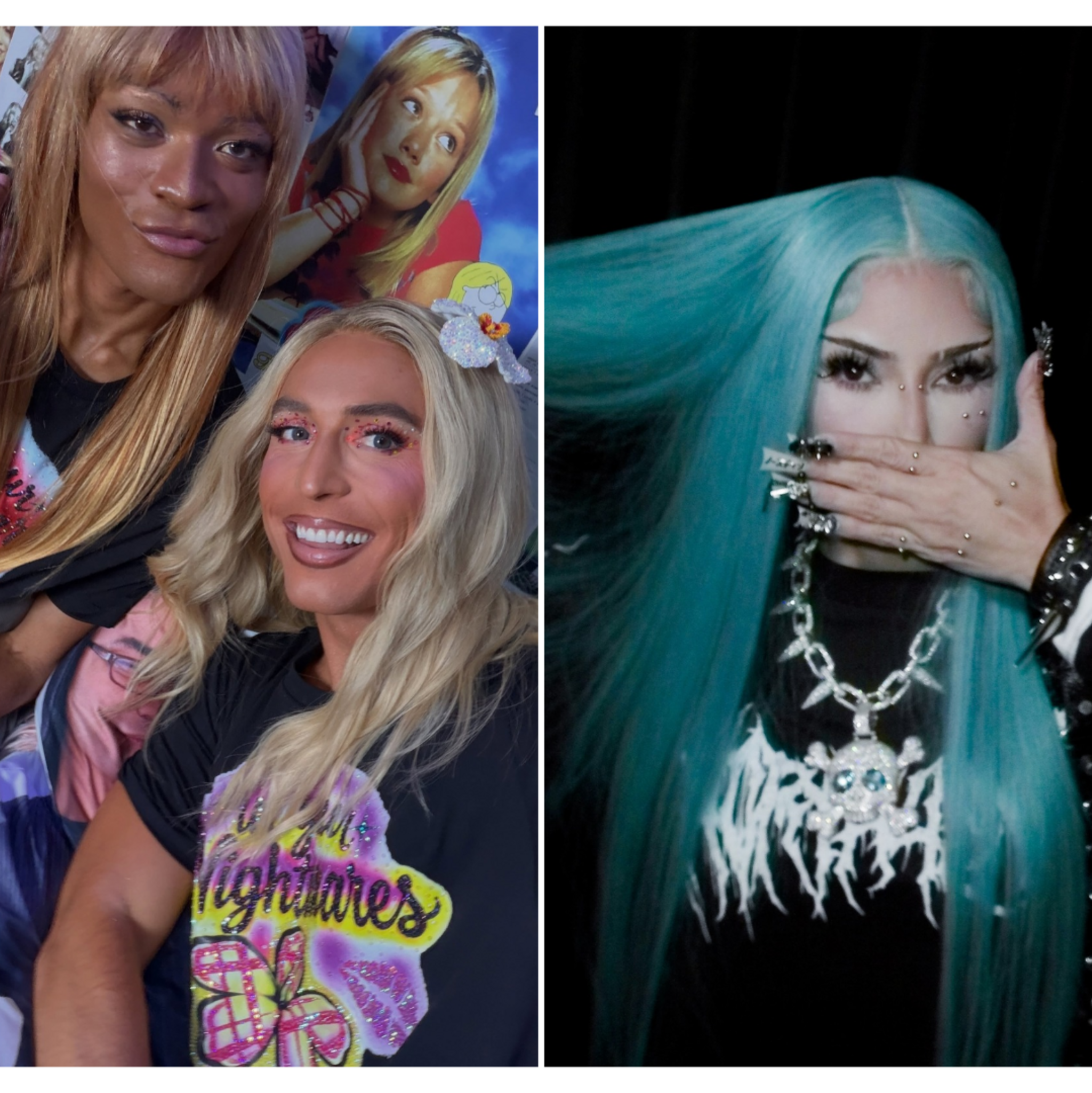
Halloween 2026’s celebrity moment wasn’t about who had the best costume in any traditional sense. It was about who made a choice that required a second look – and Kim Kardashian standing in front of a camera dressed as her own teenager, while North West is somewhere out there with her own opinions about it, is the image that’s going to be difficult to set aside.