




A Forum, a Memoir, and an Open Door
Colin Kaepernick walked into Detroit’s Black Footwear Forum last week not as a retired athlete but as someone who insists his playing career isn’t finished. Seated alongside journalist Jemele Hill, the former San Francisco 49ers quarterback spoke openly about football, the protest movement he helped ignite, and his new memoir, The Perilous Fight – a book whose title signals exactly what he thinks the past several years have cost him.
The Black Footwear Forum, held in Detroit, draws together sneaker culture, Black entrepreneurship, and conversations that don’t always get space in mainstream sports media. Kaepernick’s presence there connected those threads directly – a figure whose image is as tied to Nike’s swoosh as it is to a football helmet, talking about identity, resistance, and whether an NFL team will ever call.
The NFL Question Hasn’t Gone Away
Kaepernick said he still wants to return to the NFL. That’s not a new position, but the fact that he keeps stating it publicly matters – it keeps the door from closing quietly, which is exactly what the league might prefer. He hasn’t played in the NFL since the 2016 season, when his decision to kneel during the national anthem to protest police brutality and racial injustice made him the most debated athlete in American sports.
What followed was a years-long collision between sports, politics, and corporate branding. Kaepernick filed a grievance against NFL owners in 2017, alleging collusion to keep him off rosters. That case settled in 2019. The terms were never disclosed. Since then, he has had workouts, conversations, and no contract. He was 34 years old when 2023 began, an age when most quarterbacks with his NFL experience would at minimum be considered for a backup role – if their history weren’t the issue.
Hill, who has covered Kaepernick’s story extensively and has been one of his more consistent defenders in sports media, provided context to the conversation that a more neutral moderator might not have. The exchange gave Kaepernick room to discuss his activism not as a chapter that ended but as something ongoing, inseparable from who he is on or off the field.
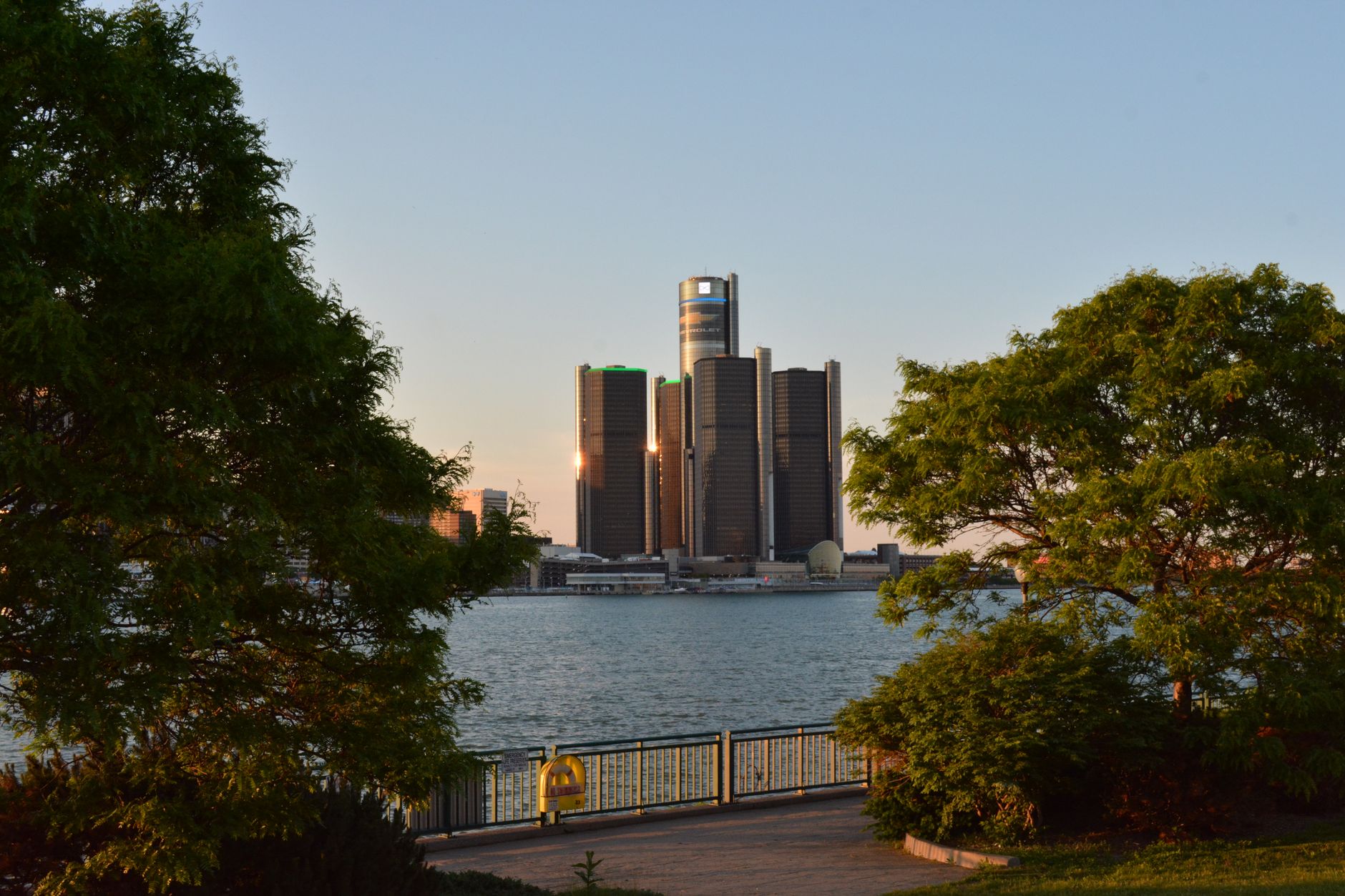
The forum’s Detroit setting added its own resonance. The city has a long history with both labor activism and Black cultural production, and the sneaker world specifically has deep roots there. Kaepernick appearing at an event where footwear and Black business intersect wasn’t incidental – his identity in consumer culture has been shaped almost entirely through shoes and sportswear since the NFL shut him out.
When a Man Becomes a Silhouette
Nike signed Kaepernick in 2018 and built one of its most discussed campaigns around him – “Believe in something. Even if it means sacrificing everything.” That campaign turned his kneeling silhouette into a commercial image, and the tension in that transformation has never fully resolved. He became a brand asset precisely because the NFL wouldn’t take him back.
The sneaker world, more than the sports establishment, gave him a platform and a paycheck. That context makes his appearance at the Black Footwear Forum something more than a speaking engagement. It’s a reminder of where his cultural currency actually lives now – not in press boxes or practice facilities, but in conversations about design, community, and what shoes mean to Black consumers and creators.
The Book Behind the Conversation
The Perilous Fight is Kaepernick’s memoir, and its release gives this moment a structure it wouldn’t otherwise have. Memoir is a genre built on retrospect, but Kaepernick is clearly not writing about a finished story. He’s documenting a fight he considers active.
The title itself pulls from history – “The Perilous Fight” is a phrase from the Star-Spangled Banner, the anthem he refused to stand for. Whether that’s pointed irony or something more complicated probably depends on who’s reading it. What’s clear is that Kaepernick chose a title that plants his personal history directly inside American mythology rather than outside it.
Memoir also gives him control over the narrative in a way that press conferences and social media don’t. He can establish sequence, context, and meaning without a moderator cutting him off or a platform’s algorithm deciding what gets seen. That control matters for someone who has spent years watching other people describe his motivations for him.

Detroit, Footwear, and Where This Conversation Belongs
The Black Footwear Forum represents something worth naming directly: sneaker culture has become one of the primary spaces where Black cultural and economic identity gets discussed seriously, without the filters that sports media or political media tend to apply. Kaepernick belongs in that conversation not just because of his Nike deal but because his entire post-NFL existence has played out through the language of consumer culture – what he wears, who he endorses, what his image sells.
Jemele Hill’s role as moderator shaped what got said and how. She’s not a neutral party, and the forum wasn’t designed to produce one. The result was a conversation with room for complexity rather than the flattened version of Kaepernick that tends to emerge when he’s filtered through outlets less invested in the full picture. What the NFL does with its remaining reluctance – and whether any team decides that his arm is worth the noise – is the question Detroit didn’t answer.
He says he still wants to play. He has said so consistently for years. The real question isn’t whether he means it – it’s whether any team’s front office will eventually decide that the football case outweighs the political calculus, or whether the league will keep waiting for him to stop asking. Sneaker culture moves faster than that – it already decided what to do with him years ago.