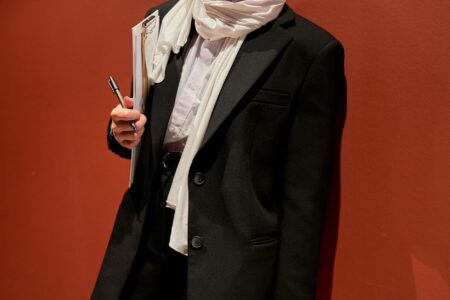




A 22-year-old recent graduate walks into Goldman Sachs wearing a crisp blazer, tailored trousers, and her grandmother’s 1980s Hermès silk scarf knotted at her neck. She lands the internship. The interviewer later mentions how the scarf showed “sophistication and attention to detail.” Welcome to GenZ’s newest power move: vintage Hermès as interview armor.
While millennials clutched their designer handbags as status symbols, GenZ discovered something more subtle yet equally powerful. Vintage Hermès scarves, once the domain of wealthy socialites and European aristocrats, have become the secret weapon of young professionals entering competitive job markets. These silk squares, originally priced between $300-500 when new and now commanding similar or higher prices on resale platforms, offer something invaluable: instant credibility wrapped in 90 centimeters of hand-rolled silk.
The trend gained momentum on TikTok and Pinterest, where career coaches and fashion influencers began showcasing “old money” aesthetics. Unlike fast fashion accessories that scream “trying too hard,” a vintage Hermès scarf whispers “I understand quality” and “I have refined taste” – exactly what hiring managers in finance, law, and consulting want to hear without you saying a word.

The Psychology of the Silk Power Play
Corporate recruiters notice everything, and GenZ figured this out faster than previous generations. Sarah Chen, a 24-year-old consultant at McKinsey, credits her grandmother’s 1970s “Les Clés” scarf design for helping her stand out during final interviews. “Everyone wore the same black suit,” she explains. “The scarf made me memorable, but in a sophisticated way, not flashy.”
Fashion psychologists confirm what GenZ intuitively grasped: accessories communicate faster than words. Dr. Jennifer Baumgartner, author of “You Are What You Wear,” explains that luxury accessories signal conscientiousness and attention to detail – traits highly valued in professional settings. “A genuine Hermès scarf suggests someone who values quality, has discerning taste, and understands investment pieces,” she notes.
The vintage aspect adds another layer of appeal. Unlike new luxury items that might suggest financial recklessness to conservative employers, vintage pieces imply resourcefulness and appreciation for craftsmanship. They tell a story without being ostentatious – perfect for industries where displaying wealth too obviously can backfire.
Young professionals particularly gravitate toward classic Hermès designs like “Brides de Gala,” “Clic Clac,” and “Les Clés.” These patterns, recognizable to those who know but not screaming “logo” to everyone else, provide the perfect balance of status signaling and subtlety that interview situations demand.
The Hunt for Heritage Silk
Finding authentic vintage Hermès scarves requires more strategy than most GenZ shopping expeditions. Unlike fast fashion impulse buys, acquiring these pieces involves research, patience, and often significant financial planning. Many young professionals save for months or request them as graduation gifts from relatives who understand their career significance.
Estate sales, high-end consignment shops, and authenticated resale platforms like Vestiaire Collective and The RealReal have become hunting grounds for career-minded twenty-somethings. Prices typically range from $200-800 depending on rarity, condition, and design, making them more accessible than new Hermès pieces while still representing a serious investment for most recent graduates.
The authentication process has become part of the ritual. GenZ buyers educate themselves on details like hand-rolled edges, color saturation, and silk quality that distinguish genuine pieces from counterfeits. This knowledge itself becomes valuable social capital – being able to spot authentic luxury demonstrates sophistication that extends beyond just owning the item.
Regional variations exist in scarf hunting strategies. East Coast professionals often frequent Upper East Side consignment shops and Hamptons estate sales, while West Coast job seekers explore Beverly Hills vintage boutiques and Pacific Heights estate sales. Southern candidates sometimes discover hidden gems in unexpected places like Charleston antique shops or Dallas estate sales, where previous owners’ collections surface.
Some young professionals even organize “scarf swaps” with friends and sorority sisters, rotating pieces for different interview seasons. This sharing economy approach allows access to multiple designs without the full financial commitment, while building networks that prove valuable throughout their careers.
Styling the Power Scarf
Wearing a Hermès scarf requires more finesse than throwing on any accessory. GenZ has mastered multiple tying techniques, each appropriate for different interview contexts and personal styles. The classic neck knot remains most popular for traditional industries like banking and law, while the French twist or loose drape works better for creative fields and tech companies.
Color psychology plays a crucial role in scarf selection. Navy and gold combinations suggest reliability and ambition – perfect for consulting interviews. Red and white patterns convey confidence and energy, ideal for sales and marketing positions. Softer pastels work well for healthcare and education interviews, while bold geometric patterns suit architecture and design roles.
The key lies in integration rather than dominance. Successful young professionals treat their scarves as the finishing touch that elevates an entire outfit, not the centerpiece that overwhelms it. They pair them with well-tailored basics in neutral colors, allowing the scarf to add sophistication without distraction.
Seasonal styling has evolved beyond traditional rules. Summer interviews might feature scarves worn as hair accessories or belt alternatives, while winter meetings showcase them over coat collars or tucked into blazer lapels. This adaptability demonstrates both creativity and practicality – traits employers value across industries.
Beyond the Interview Room
The vintage Hermès trend extends beyond job interviews into broader professional wardrobes. Young executives wear their scarves to client meetings, networking events, and workplace celebrations. The accessories become conversation starters that often lead to mentoring relationships with older colleagues who recognize and appreciate the craftsmanship.

This phenomenon connects to larger GenZ fashion movements toward vintage and heritage pieces as statement accessories. Just as Victorian mourning jewelry found new life as conversation pieces, vintage Hermès scarves serve dual purposes as professional tools and personal expression vehicles.
The trend also reflects changing attitudes toward luxury consumption. Rather than accumulating multiple cheaper items, GenZ increasingly chooses fewer, higher-quality pieces that serve multiple purposes and retain value over time. A single vintage Hermès scarf can transform dozens of outfits throughout a career, making it a practical investment despite the upfront cost.
Some young professionals report their scarves becoming lucky charms, worn to important presentations, salary negotiations, and career milestone events. The psychological boost of wearing something beautiful and meaningful often translates into increased confidence and better performance.
As GenZ continues entering leadership positions across industries, their approach to professional dressing will likely influence workplace fashion for years to come. The vintage Hermès scarf trend represents more than just accessory choices – it signals a generation that understands how small details create lasting impressions and strategic thinking extends to every aspect of professional presentation.
Frequently Asked Questions
Why do GenZ professionals choose vintage Hermès scarves for interviews?
Vintage Hermès scarves signal sophistication, quality awareness, and refined taste while being more subtle than flashy designer items, making candidates memorable in positive ways.
How much do vintage Hermès scarves typically cost?
Authentic vintage Hermès scarves range from $200-800 depending on rarity, condition, and design, making them accessible investments for career-focused young professionals.