




Denim jackets are shedding their casual reputation and emerging as the season’s most coveted investment piece – but not just any denim jacket. Upcycled versions, transformed from vintage finds and deadstock materials, are commanding premium prices and waiting lists at high-end boutiques from SoHo to Beverly Hills. What started as a sustainable fashion movement has evolved into a luxury market where a reimagined Levi’s from the 1980s can retail for more than designer blazers.
The shift reflects a broader transformation in how fashion consumers view value. Rather than chasing the latest runway drops, style-conscious shoppers are investing in pieces with provenance, craftsmanship, and environmental credentials. Upcycled denim jackets tick all these boxes while offering the versatility that modern wardrobes demand.
The Craftsmanship Behind the Hype
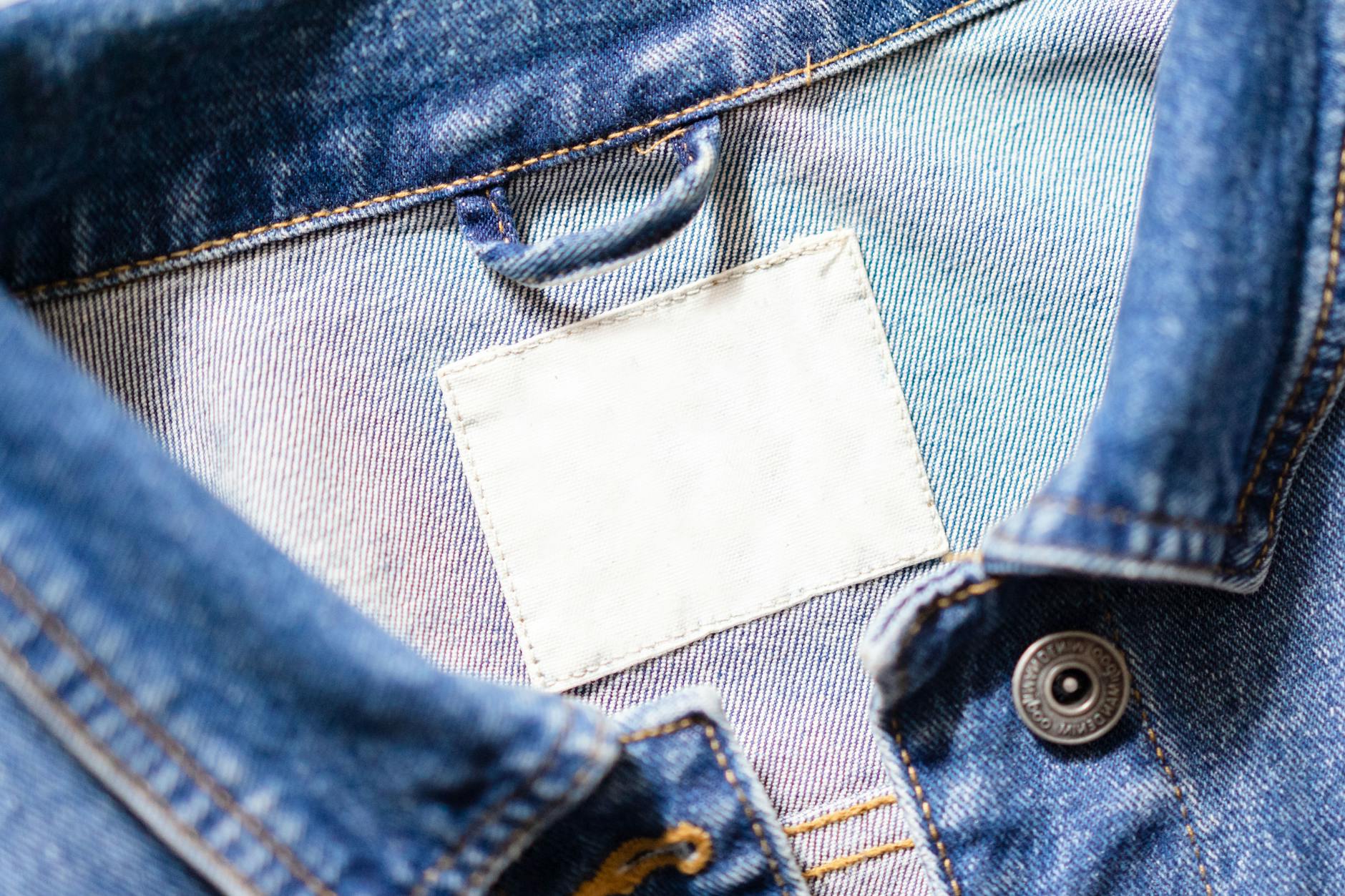
Upcycled denim jackets represent far more labor and creativity than their mass-produced counterparts. Artisan brands like RE/DONE, which has been deconstructing vintage Levi’s since 2014, employ teams of skilled seamsters who disassemble original jackets piece by piece before rebuilding them with contemporary fits and finishes. The process can take up to eight hours per jacket, compared to the factory assembly line production of standard denim outerwear.
Los Angeles-based designer Rachel Comey has built her reputation partly on reconstructed vintage denim, while smaller independent makers on platforms like Etsy and Instagram are gaining followings for their one-of-a-kind creations. These artisans source materials from estate sales, vintage wholesalers, and fabric deadstock, ensuring each piece carries its own history.
The craftsmanship extends beyond basic reconstruction. Many upcyclers incorporate hand-painted details, custom embroidery, patchwork from contrasting denim washes, and hardware upgrades using vintage buttons or designer zippers. The result is a garment that feels both nostalgic and completely contemporary.
Sustainability Meets Status Symbol
The environmental appeal of upcycled denim resonates particularly strongly with Gen Z and millennial consumers who prioritize sustainable consumption. Traditional denim production requires approximately 1,800 gallons of water per pair of jeans, while upcycling existing garments eliminates this resource drain entirely.
Major fashion houses have taken notice of this shift toward conscious consumption. Stella McCartney, long an advocate for sustainable fashion, regularly incorporates upcycled denim into her collections. Gabriela Hearst has featured reconstructed vintage denim jackets in recent runway shows, positioning them alongside other luxury investment pieces.
The sustainability angle has given upcycled denim a moral authority that resonates beyond environmental concerns. Wearing an upcycled jacket signals thoughtful consumption and creative problem-solving – qualities that align with contemporary professional values. This positioning has helped elevate upcycled denim from thrift store finds to boardroom appropriate attire.
Investment Value and Market Performance
Unlike fast fashion pieces that lose value immediately after purchase, well-executed upcycled denim jackets often appreciate over time. Limited production runs and the impossibility of exact replication create scarcity that drives collector interest. Vintage denim enthusiasts track specific decades, washes, and maker signatures with the dedication typically reserved for luxury handbags or watches.
The resale market for premium upcycled denim has exploded on platforms like The RealReal, Vestiaire Collective, and specialized vintage denim forums. Pieces from established upcyclers like Reformation’s vintage denim line or smaller cult brands often sell for 80-120 percent of their original retail price, sometimes years after purchase.
This market performance reflects both the craftsmanship involved and the growing recognition of upcycled fashion as a legitimate luxury category. Fashion investment consultants now advise clients to consider upcycled pieces from established makers as portfolio diversification, similar to contemporary art or vintage timepieces.
The trend toward investment dressing has accelerated as remote work reshapes professional wardrobes. Rather than maintaining extensive collections of occasion-specific clothing, many professionals are building smaller wardrobes of versatile, high-quality pieces. A well-crafted upcycled denim jacket functions across contexts from client video calls to weekend errands, maximizing cost per wear in ways that traditional luxury pieces cannot match.
Celebrity Endorsement and Cultural Cache
Celebrity adoption has accelerated the mainstreaming of upcycled denim as luxury fashion. Emma Watson, known for her sustainable fashion advocacy, frequently appears in reconstructed vintage denim at high-profile events. Kristen Stewart has made upcycled denim jackets a signature element of her red carpet style, often pairing them with designer gowns for an unexpected high-low contrast.
The trend extends beyond individual celebrities to entire production companies and creative industries. Netflix executives and tech entrepreneurs have embraced upcycled denim as a way to signal both environmental consciousness and creative thinking. The aesthetic fits particularly well within the evolving dress codes of Silicon Valley, where traditional business attire is giving way to more personal expression.
Social media has amplified the appeal of upcycled denim through before-and-after transformation posts that showcase the creative process. Instagram accounts dedicated to denim upcycling regularly generate millions of views, turning individual makers into influential voices within sustainable fashion movements.
The cultural cache extends to fashion education as well. Parsons School of Design and the Fashion Institute of Technology now include upcycling techniques in their core curriculum, training the next generation of designers to think first about repurposing existing materials rather than creating from scratch.
The trajectory of upcycled denim jackets from counterculture staples to investment pieces reflects broader shifts in how consumers define luxury and value. As environmental concerns intensify and the fashion industry faces increasing scrutiny over waste and resource consumption, upcycled pieces offer a compelling alternative to traditional luxury consumption.
The market shows no signs of slowing. Established fashion houses continue launching upcycling initiatives while independent makers expand their operations to meet growing demand. Technology is also playing a role, with AI-powered platforms helping consumers find vintage pieces suitable for upcycling and connecting them with skilled artisans who can execute custom transformations.
For fashion investors and conscious consumers alike, the current moment represents an opportunity to acquire pieces from makers who may become tomorrow’s recognized luxury brands. The combination of craftsmanship, sustainability, and cultural relevance positions upcycled denim jackets as the rare fashion trend with both immediate appeal and long-term staying power. As the fashion industry continues evolving toward more sustainable practices, these transformed vintage pieces may well represent the future of luxury fashion itself.
Frequently Asked Questions
What makes upcycled denim jackets more expensive than regular denim?
Upcycled jackets require 6-8 hours of skilled craftsmanship per piece, use vintage materials, and feature unique details that can’t be mass-produced.
Do upcycled denim jackets hold their value?
Yes, premium upcycled denim often resells for 80-120% of original retail price due to limited production and growing collector interest.