




The average wedding dress costs $1,900 today, but brides across America are walking down the aisle in gowns that cost less than $200. These aren’t knockoffs or fast fashion alternatives – they’re authentic vintage pieces found in thrift stores, estate sales, and consignment shops nationwide.
What started as a budget-conscious choice has evolved into a full-fledged movement. Secondhand wedding dresses now represent 15% of all bridal purchases, according to recent industry data from TheKnot. The shift reflects broader changes in how couples approach wedding planning, with sustainability concerns, economic pressures, and a desire for unique pieces driving demand for pre-owned gowns.
Social media has amplified this trend dramatically. TikTok videos showing thrift store wedding dress finds regularly go viral, with hashtags like #thriftweddingdress accumulating millions of views. These posts showcase everything from 1980s princess-style ballgowns to sleek 1960s sheaths, proving that yesterday’s bridal fashion often surpasses today’s options in craftsmanship and design.
The Economics Behind the Movement
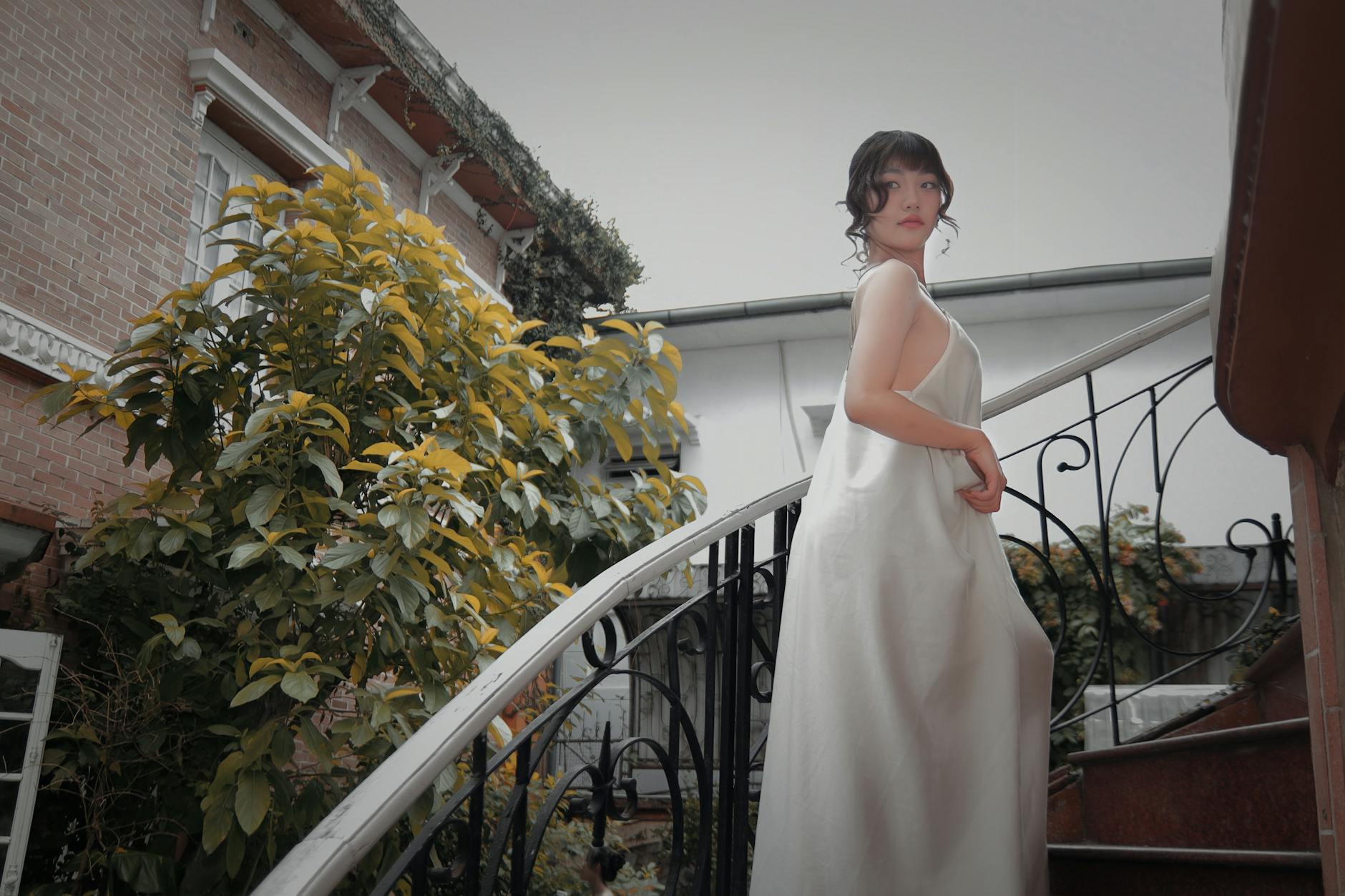
Rising wedding costs have pushed many couples to reconsider traditional spending priorities. With venues, catering, and photography consuming larger portions of wedding budgets, the dress category offers significant savings potential. Thrift store wedding dresses typically range from $50 to $300, even for designer pieces that originally retailed for thousands.
Estate sales particularly yield exceptional finds. When wealthy families downsize or settle estates, high-end wedding dresses from designers like Vera Wang, Carolina Herrera, and Oscar de la Renta often appear priced far below their original value. Many of these gowns were worn once and carefully preserved, making them nearly indistinguishable from new dresses.
The resale bridal market has responded to this demand with specialized boutiques focusing exclusively on pre-owned wedding attire. These shops offer professional cleaning, alterations, and styling services that bridge the gap between thrift shopping and traditional bridal retail. Some provide authentication services for designer pieces, giving buyers confidence in their purchases.
Economic factors extend beyond the dress itself. Alterations costs remain roughly the same whether the dress is new or used, meaning brides can achieve a custom fit while still maintaining significant savings. This economic efficiency appeals particularly to younger couples who prioritize experiences over material possessions.
Sustainability Meets Style
Environmental consciousness plays a major role in the thrift bridal trend. Wedding dresses typically require extensive resources to produce – silk cultivation, fabric dyeing, embellishment application, and international shipping all contribute to their environmental footprint. Choosing pre-owned eliminates these production impacts entirely.
The fashion industry’s environmental challenges have become mainstream concerns, similar to how vintage accessories like Hermès scarves have gained popularity among environmentally conscious consumers. Wedding dresses represent particularly wasteful consumption patterns – expensive garments worn once and then stored indefinitely.
Thrift store wedding dresses offer an elegant solution to this waste problem. Vintage gowns often feature superior construction techniques and materials compared to contemporary mass-produced alternatives. Hand-sewn beadwork, French lace, and silk fabrics from decades past frequently surpass modern equivalents in quality and durability.
The sustainability message resonates strongly with millennial and Gen Z brides who view their wedding choices as reflections of their values. These consumers appreciate the narrative aspect of vintage pieces – wearing a dress with history adds meaning beyond mere aesthetics.
The Hunt Becomes Part of the Experience
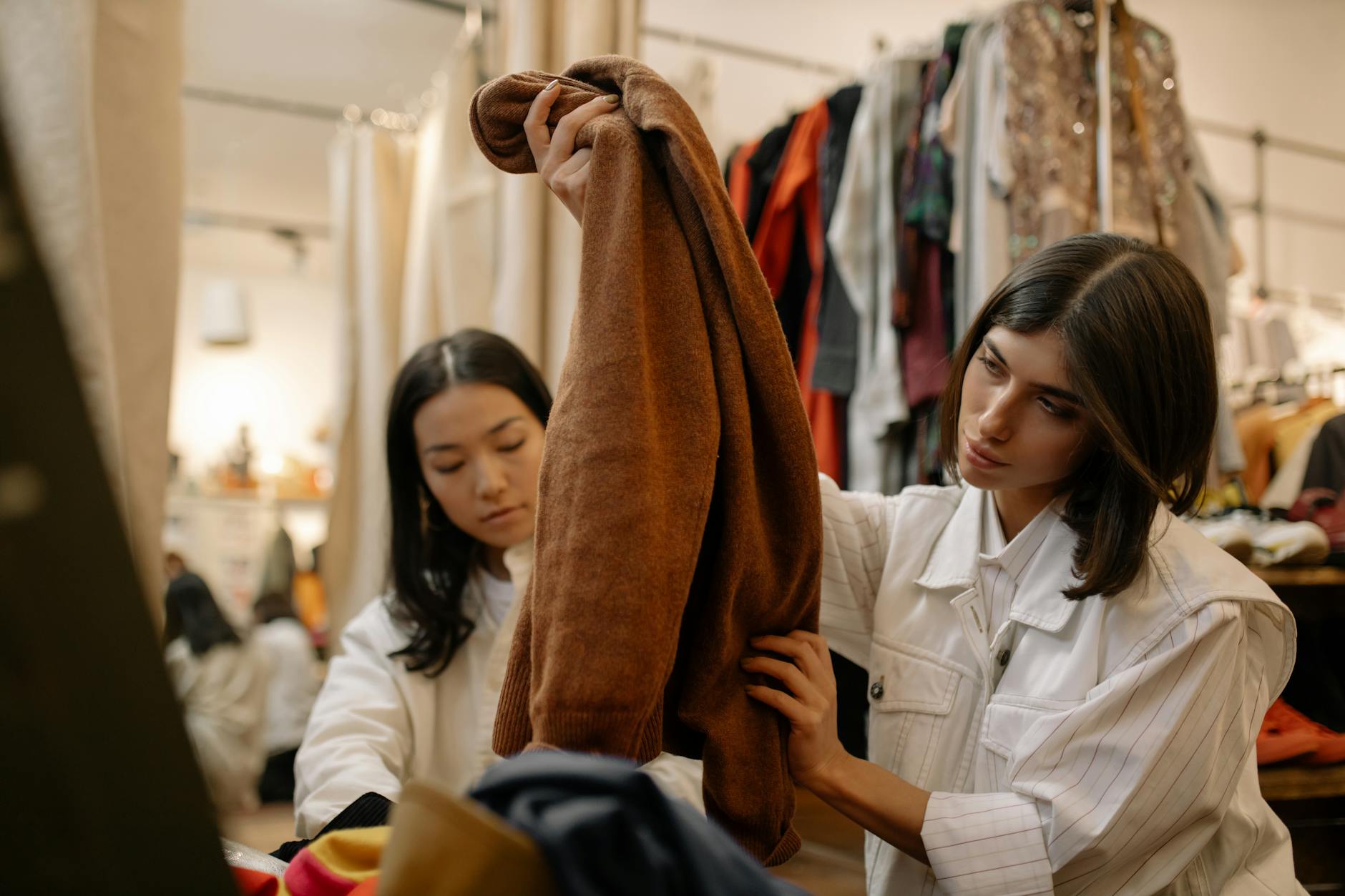
Finding the perfect thrift store wedding dress has become a cherished pre-wedding tradition for many couples. The search process – visiting multiple stores, estate sales, and online marketplaces – creates anticipation and excitement that traditional bridal shopping often lacks.
This treasure-hunting aspect appeals to brides who want unique pieces unlikely to appear at other weddings. While bridal boutiques carry similar styles across locations, thrift stores offer one-of-a-kind discoveries. A 1950s tea-length dress with original buttons or a 1970s bohemian gown with hand-embroidered details provides distinctiveness impossible to achieve with new purchases.
The unpredictability of thrift shopping adds adventure to wedding planning. Brides report feeling genuine excitement when discovering unexpected treasures, describing the experience as more emotionally satisfying than traditional retail transactions. This emotional connection to the dress often proves more meaningful than purchasing power.
Social media has gamified this process. Brides document their searches, sharing both successes and near-misses with online communities. These posts inspire others while building supportive networks around sustainable wedding choices. The communal aspect transforms individual shopping into shared experiences.
Challenges and Solutions in the Thrift Bridal Market
Despite growing popularity, thrift store wedding dress shopping presents unique challenges. Sizing inconsistencies across decades complicate the selection process, as vintage sizing often runs smaller than contemporary measurements. Brides must approach these purchases with flexibility regarding alterations.
Condition assessment requires expertise that casual shoppers may lack. Yellowing, staining, and fabric deterioration can compromise garment integrity. Professional evaluation becomes crucial for significant purchases, leading some brides to consult with bridal seamstresses before committing to vintage pieces.
The timing element adds pressure to thrift bridal shopping. Unlike traditional retail where specific styles can be reordered, thrift finds are unique opportunities. This scarcity creates decision-making pressure that some brides find stressful rather than exciting.
Professional services have emerged to address these challenges. Vintage bridal consultants now offer personal shopping services, using their expertise to identify quality pieces and assess alteration potential. These intermediaries provide traditional retail convenience while maintaining thrift shopping benefits.
The Future of Secondhand Bridal
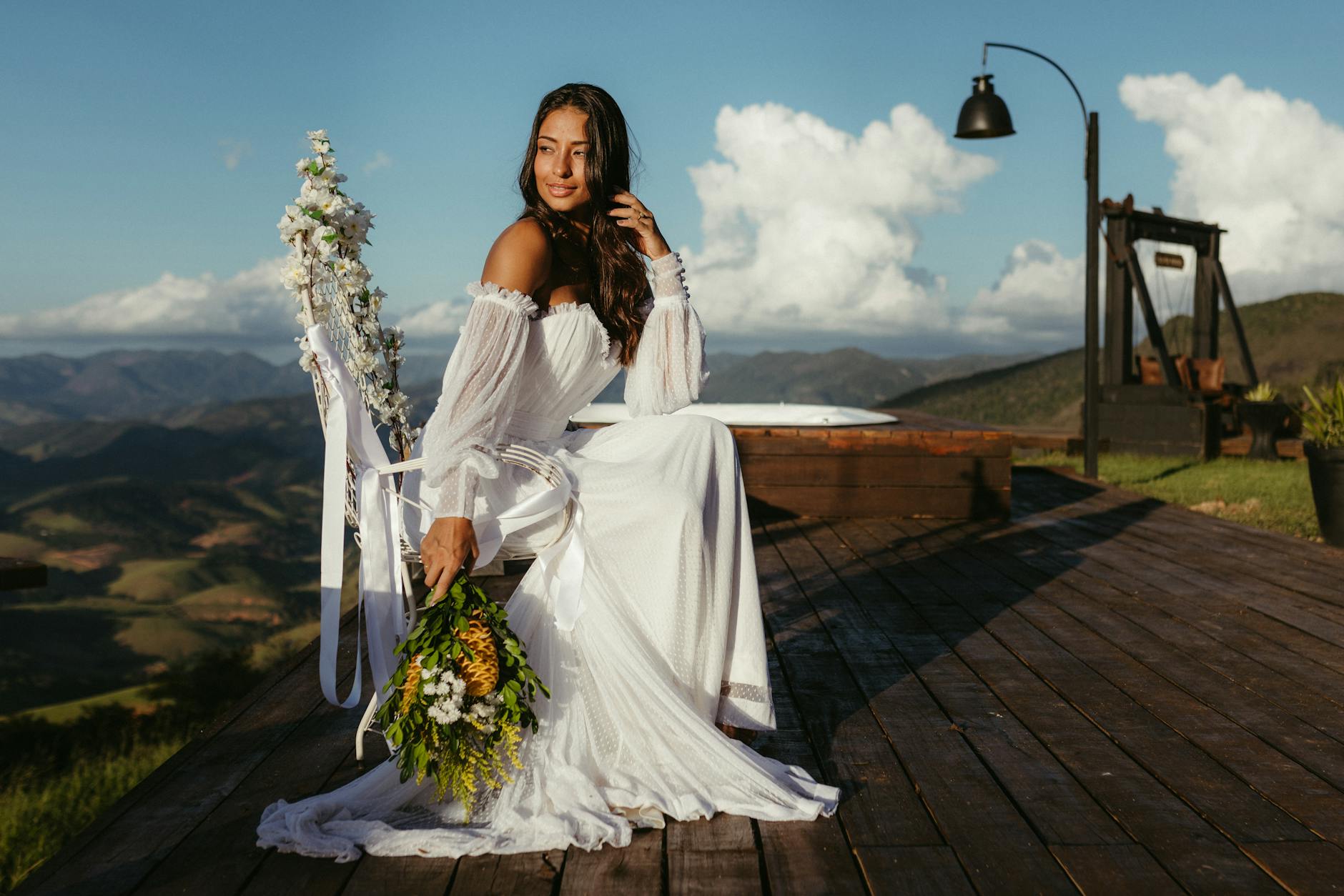
The thrift bridal movement shows no signs of slowing. Major fashion platforms like Vestiaire Collective and TheRealReal now feature dedicated wedding sections, bringing professional authentication and customer service to the secondhand bridal market. These developments suggest that thrift wedding dresses are transitioning from alternative choice to mainstream option.
Bridal designers have begun acknowledging this trend by creating rental and resale programs for their own pieces. This designer involvement legitimizes the secondhand market while providing additional inventory sources for budget-conscious brides.
Technology will likely enhance the thrift bridal experience through improved search capabilities and virtual try-on features. AI-powered sizing recommendations and condition assessments could address current market limitations while preserving the treasure-hunting excitement that drives consumer engagement.
The cultural shift toward sustainable consumption suggests that thrift store wedding dresses represent more than a temporary trend – they signal a fundamental change in how consumers approach significant purchases, prioritizing value, sustainability, and uniqueness over traditional retail experiences.
Frequently Asked Questions
How much can you save buying a thrift store wedding dress?
Thrift store wedding dresses typically cost $50-$300 compared to the average new dress price of $1,900, offering savings of 80-90%.
Are thrift store wedding dresses good quality?
Many vintage wedding dresses feature superior construction and materials compared to modern mass-produced gowns, with hand-sewn details and high-quality fabrics.