



The beauty industry’s latest obsession isn’t found in a bottle or tube-it’s in the palm of your hand. Scalp massage tools, once relegated to spa treatments and barber shops, are now outselling traditional hair growth serums and treatments at major retailers like Sephora and Ulta. This shift represents more than just a trend; it’s a fundamental change in how people approach hair health and growth.
Beauty enthusiasts and trichologists are increasingly recognizing that healthy hair starts with proper scalp circulation and care. While chemical treatments promise overnight miracles, these mechanical tools offer a more holistic approach that addresses the root cause of many hair issues: poor scalp health and restricted blood flow to hair follicles.
The Science Behind Scalp Stimulation Success
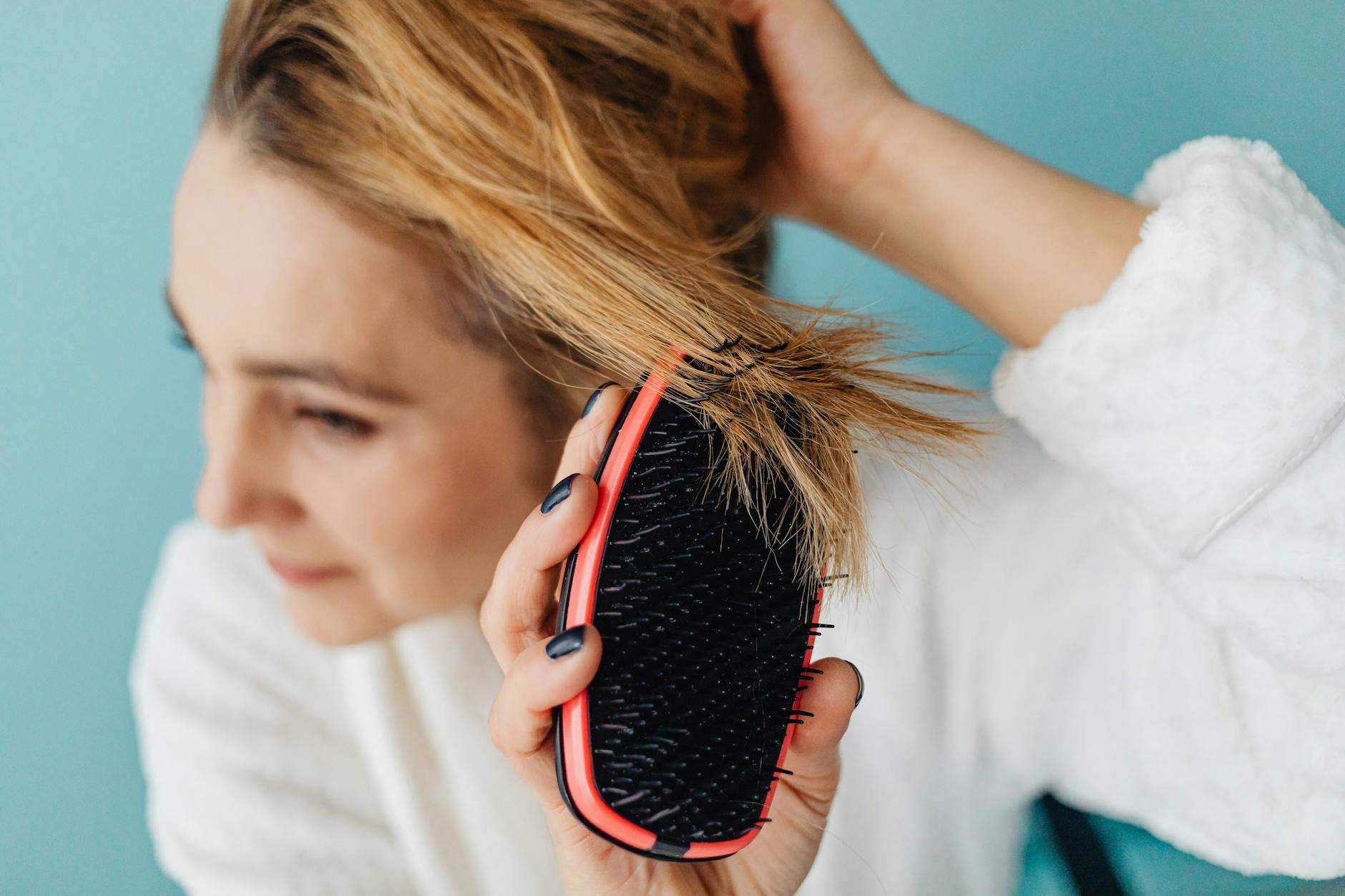
Dermatologists have long understood the connection between scalp massage and hair growth, but recent studies are providing clearer evidence of its effectiveness. Research published in dermatology journals shows that regular scalp massage increases hair thickness and promotes the anagen phase of hair growth-the active growing period.
Dr. Sarah Mitchell, a board-certified dermatologist in Beverly Hills, explains that scalp massage works by increasing blood circulation to hair follicles, which delivers essential nutrients and oxygen needed for healthy hair growth. “The mechanical stimulation from massage tools activates pressure receptors in the scalp, triggering increased blood flow that can be maintained for hours after treatment,” she notes.
Unlike topical treatments that can cause scalp irritation or sensitivity, massage tools work purely through mechanical action. This makes them suitable for people with sensitive scalps who cannot tolerate ingredients like minoxidil or other chemical hair growth treatments. The tools also provide immediate benefits-users often report feeling more relaxed and experiencing reduced scalp tension after just one session.
The variety of available tools has expanded dramatically in recent years. Traditional wooden scalp brushes are being joined by vibrating massage devices, silicone scalp scrubbers, and even heated massage tools that combine warmth with mechanical stimulation for enhanced circulation.
Celebrity Endorsements Drive Mainstream Adoption
The movement gained significant momentum when celebrities began sharing their scalp care routines on social media. Kourtney Kardashian has repeatedly posted about her scalp massage rituals, while Gwyneth Paltrow’s Goop has featured multiple scalp tools in its wellness recommendations.
Professional hairstylists working with A-list clients report that scalp massage has become a standard part of hair care routines. Celebrity colorist Jen Atkin, who works with clients like Hailey Bieber and Kendall Jenner, incorporates scalp massage into her salon treatments and recommends at-home tools for maintenance.
The wellness industry’s influence cannot be understated. As consumers increasingly seek natural alternatives to chemical treatments, scalp massage tools fit perfectly into the “clean beauty” movement. They require no synthetic ingredients, produce no waste, and can be used indefinitely with proper care.
Social media has amplified the trend through viral scalp massage videos and before-and-after transformations. TikTok users regularly share their scalp massage routines, often showing dramatic improvements in hair volume and scalp health over weeks or months of consistent use.
Professional Treatments Evolve to Meet Demand
High-end salons and spas have responded to consumer interest by expanding their scalp treatment menus. What once might have been a quick add-on service is now offered as standalone treatments lasting 30-60 minutes.
The Blackstone Salon in New York City reports that their specialized scalp massage treatments have a three-week waiting list. Their signature service combines multiple massage techniques with aromatherapy and heated tools, creating an experience that clients describe as both therapeutic and luxurious.
Medical spas are also incorporating advanced scalp massage techniques into their hair restoration programs. Rather than relying solely on injections or laser treatments, many now offer combination protocols that include regular professional massage sessions alongside other interventions.
Training programs for estheticians and massage therapists increasingly include scalp massage techniques, recognizing the growing demand for these services. The International Spa Association reports a 40% increase in member spas offering specialized scalp treatments in the past two years.
This professional adoption has helped legitimize scalp massage as a serious hair health intervention, moving it beyond the realm of simple relaxation into evidence-based treatment territory.
Technology Meets Traditional Techniques
The latest generation of scalp massage tools incorporates technology that would have seemed futuristic just a few years ago. Vibrating massage devices now offer multiple speed settings and programmable routines, while some models include heat therapy and LED light treatment.
Companies like Breo and VOYOR have developed scalp massage helmets that provide hands-free treatment with precisely calibrated pressure and vibration patterns. These devices allow users to multitask during their scalp care routine, making it easier to maintain consistency.
Smart scalp massage tools are beginning to appear, featuring app connectivity that tracks usage patterns and provides personalized recommendations. While still in early stages, these devices represent the convergence of traditional wellness practices with modern health monitoring technology.
The integration of heat therapy has proven particularly popular. Heated massage tools increase blood circulation more effectively than mechanical massage alone, and many users report enhanced relaxation benefits. Some models include temperature controls and automatic shut-off features for safety.
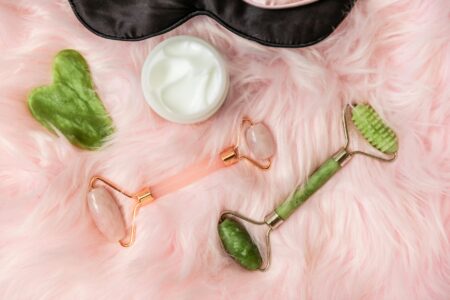
Just as micro-needling tools are replacing jade rollers for at-home skincare, scalp massage devices are becoming more sophisticated and targeted in their approach to hair and scalp health.
The Future of Hair Health
The shift toward scalp massage tools reflects broader changes in consumer attitudes about health and wellness. People are increasingly interested in preventive care rather than reactive treatments, and they prefer methods they can control and customize to their needs.
Beauty industry analysts predict that the scalp care market will continue expanding as awareness grows about the connection between scalp health and overall hair quality. Major beauty brands are already developing new tool designs and professional-grade devices for at-home use.
The integration of scalp massage into comprehensive hair care routines is likely to become standard practice, much like facial massage has become accepted as essential for skin health. As more research emerges supporting the benefits of scalp stimulation, these tools may well replace many traditional chemical treatments as the first line of defense against hair thinning and scalp issues.
The massage tool revolution represents more than just a beauty trend-it’s a return to time-tested wellness practices enhanced by modern innovation and understanding. For consumers seeking natural, effective hair care solutions, scalp massage tools offer a compelling alternative to chemical treatments with the added benefits of stress reduction and improved overall scalp health.
Frequently Asked Questions
Do scalp massage tools actually promote hair growth?
Yes, studies show regular scalp massage increases blood circulation to follicles and can increase hair thickness by stimulating the growth phase.
How often should you use scalp massage tools?
Most experts recommend daily use for 5-10 minutes, though some people benefit from twice-daily sessions for optimal circulation.