





At 3 AM, when most of the world sleeps soundly, certified sleep consultant Sarah Mitchell fields urgent texts from desperate parents. “My baby hasn’t slept more than two hours straight in six weeks,” reads one message from a Manhattan mother. “I’m losing my mind.” This scenario plays out nightly across affluent neighborhoods from Beverly Hills to the Upper East Side, fueling a booming industry worth millions annually.
Professional sleep consultants have transformed from niche practitioners into essential members of modern parenting teams, charging anywhere from $300 for a phone consultation to $2,000 for week-long in-home services. What was once handled by grandmothers and pediatricians has become a specialized field requiring certification, ongoing education, and celebrity endorsements.
The industry exploded during the pandemic as stressed parents, confined to their homes with disrupted routines, sought professional help for sleep-deprived households. Sleep consultants report business increases of 200-300% since 2020, with waiting lists stretching months in major metropolitan areas.

The Science Behind Professional Sleep Training
Modern sleep consultants combine child development psychology, circadian rhythm research, and behavioral modification techniques into comprehensive programs. Unlike the “cry it out” method popularized decades ago, today’s practitioners offer gentler approaches tailored to individual family dynamics and parenting philosophies.
Certified consultants complete extensive training through organizations like the Family Sleep Institute or the Center for Pediatric Sleep Management, studying everything from infant sleep cycles to addressing sleep regressions in toddlers. Many hold degrees in psychology, nursing, or child development before specializing in sleep consulting.
“We’re not just telling parents to let babies cry,” explains Rebecca Welton, who runs a Beverly Hills-based sleep consulting practice serving entertainment industry families. “We assess the entire household – feeding schedules, room environment, parental stress levels, even sibling dynamics that might impact sleep.”
The methods vary significantly based on the child’s age and temperament. For newborns, consultants focus on establishing healthy sleep foundations through swaddling techniques, room optimization, and feeding schedules. For older babies and toddlers, they might implement gradual extinction methods or chair-based approaches that minimize crying while establishing independence.
Sleep consultants also address common misconceptions that keep families awake. Many parents believe babies should sleep through the night by eight weeks, when most pediatricians consider four to six months more realistic. Others think room-sharing guarantees better sleep, though research shows it often creates more disruptions for everyone involved.
Celebrity Endorsement and Social Media Influence
The profession gained mainstream credibility when celebrities began openly discussing their sleep consultant experiences. Reality TV stars, lifestyle influencers, and Hollywood actors have normalized the practice through social media posts and interviews, removing the stigma around needing professional help with parenting basics.
Instagram accounts run by sleep consultants now boast hundreds of thousands of followers, offering bite-sized advice and success stories that resonate with exhausted parents scrolling through feeds at 2 AM. These platforms have become powerful marketing tools, allowing consultants to build national practices without geographic limitations through virtual consultations.
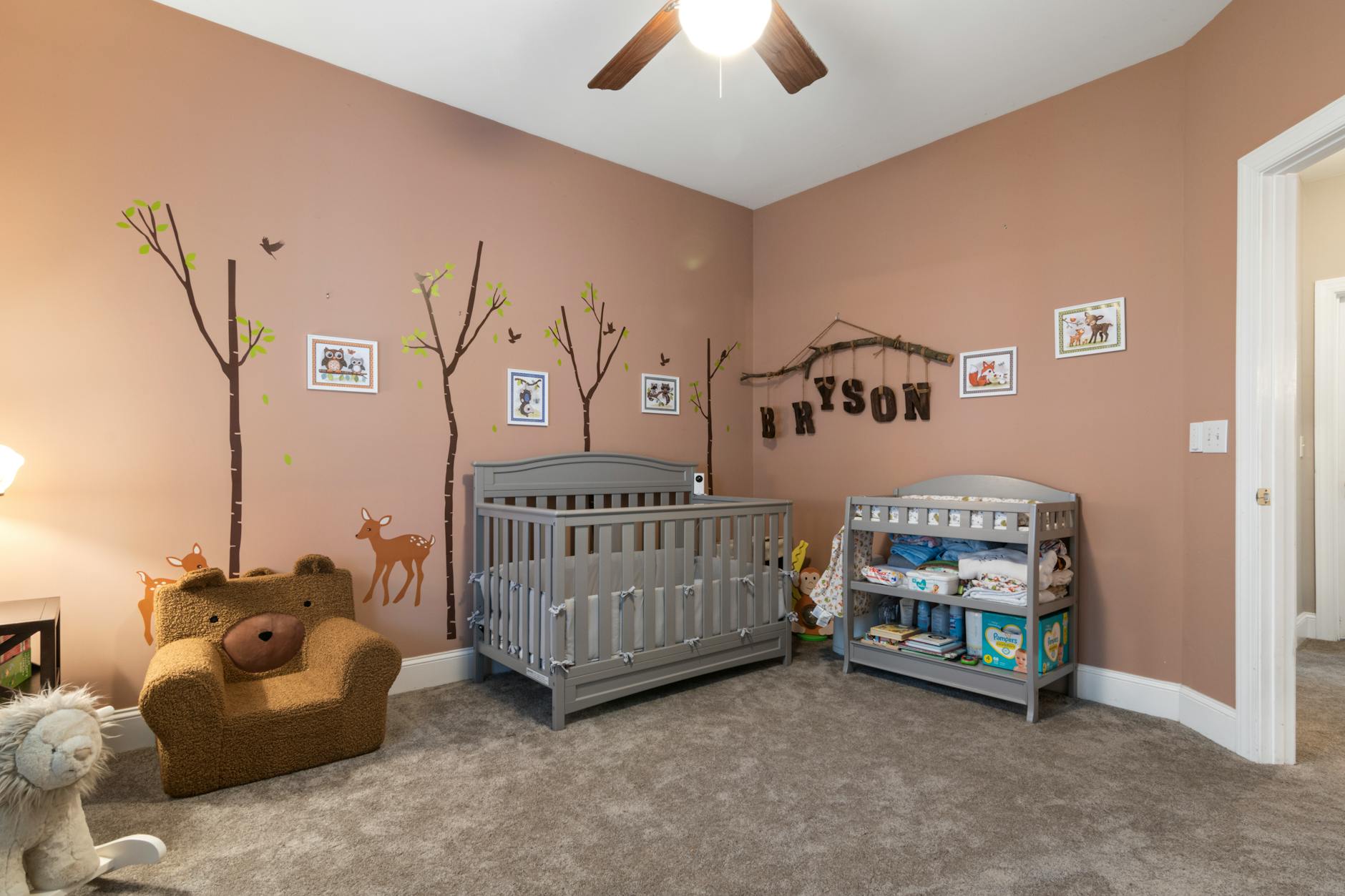
The visual nature of social media particularly suits this industry. Before-and-after sleep charts, peaceful nursery setups, and testimonial graphics create compelling content that drives referrals. Many consultants partner with baby product companies, nursery designers, and pediatricians to create comprehensive lifestyle brands around infant sleep.
Much like professional color consultants became essential for executive wardrobes, sleep specialists have positioned themselves as necessary investments in family wellness rather than luxury services.
The Premium Service Model
High-end sleep consultants operate similarly to luxury lifestyle service providers, offering white-glove experiences that extend far beyond basic sleep training. Premium packages include comprehensive family assessments, detailed sleep environment audits, and 24/7 text support during implementation periods.
Some consultants provide live-in services, staying with families for several nights to observe patterns firsthand and make real-time adjustments. Others offer follow-up services through the first year, adjusting strategies as babies grow and develop new sleep challenges.
The most exclusive practitioners maintain small client rosters, focusing on ultra-high-net-worth families who value privacy and personalized attention. These consultants often sign non-disclosure agreements and work with household staff to implement sleep strategies seamlessly within existing routines.
Pricing reflects this premium positioning. Basic virtual consultations start around $300-500, while comprehensive packages with ongoing support range from $1,500-3,000. Live-in services can exceed $5,000 per week, positioning sleep consultants alongside other luxury service providers in affluent households.
The investment often pays dividends in family harmony and parental well-being. Sleep-deprived parents report improved work performance, better relationships, and reduced postpartum mental health struggles after successful sleep training programs.
Training and Professional Standards
The sleep consulting industry has rapidly developed professional standards and certification programs to meet growing demand and establish credibility. Major training organizations now offer comprehensive curricula covering child development, sleep science, family systems, and business practices.
Certification typically requires 40-60 hours of coursework, case study completion, and ongoing education requirements. Many programs emphasize evidence-based approaches, requiring consultants to stay current with pediatric sleep research and safety guidelines.
Professional associations like the International Association of Child Sleep Consultants provide continuing education opportunities, ethical guidelines, and networking platforms for practitioners. These organizations help standardize practices across a field that previously lacked formal oversight.
The most successful consultants often pursue additional certifications in related fields – lactation consulting, postpartum mental health, or infant massage therapy. This comprehensive approach allows them to address multiple factors that impact family sleep patterns.
As sleep consulting continues evolving, technology integration promises to reshape service delivery. Apps that track sleep patterns, smart nursery devices, and virtual reality environments for sleep training represent the industry’s next frontier. However, the core value proposition remains unchanged – providing exhausted parents with expert guidance, emotional support, and hope for better nights ahead.
The professionalization of sleep consulting reflects broader trends in parenting culture, where specialized expertise increasingly supplements traditional family wisdom. As new parent anxiety continues rising and extended family support systems remain fragmented, professional sleep consultants have secured their position as essential members of modern family support teams.
Frequently Asked Questions
How much do professional sleep consultants charge?
Sleep consultants charge $300-500 for basic virtual consultations, $1,500-3,000 for comprehensive packages, and up to $5,000 for live-in services.
What training do sleep consultants need?
Certified sleep consultants complete 40-60 hours of coursework covering child development, sleep science, and family systems through organizations like the Family Sleep Institute.