





When Netflix CEO Reed Hastings downsized from his sprawling Los Altos Hills estate to a sleek downtown penthouse in 2022, he didn’t tackle the massive undertaking alone. A team of professional decluttering specialists spent three months categorizing, digitizing, and strategically relocating decades of accumulated possessions. This scenario has become increasingly common as C-suite executives across Silicon Valley and beyond discover that downsizing requires more than weekend garage sales and donation runs.
The professional decluttering industry has experienced explosive growth, with companies like The Home Edit, founded by Clea Shearer and Joanna Teplin, expanding from celebrity closets to corporate boardrooms. What started as organizational Instagram content has evolved into a sophisticated service sector addressing the complex emotional and logistical challenges executives face when transitioning to smaller spaces.
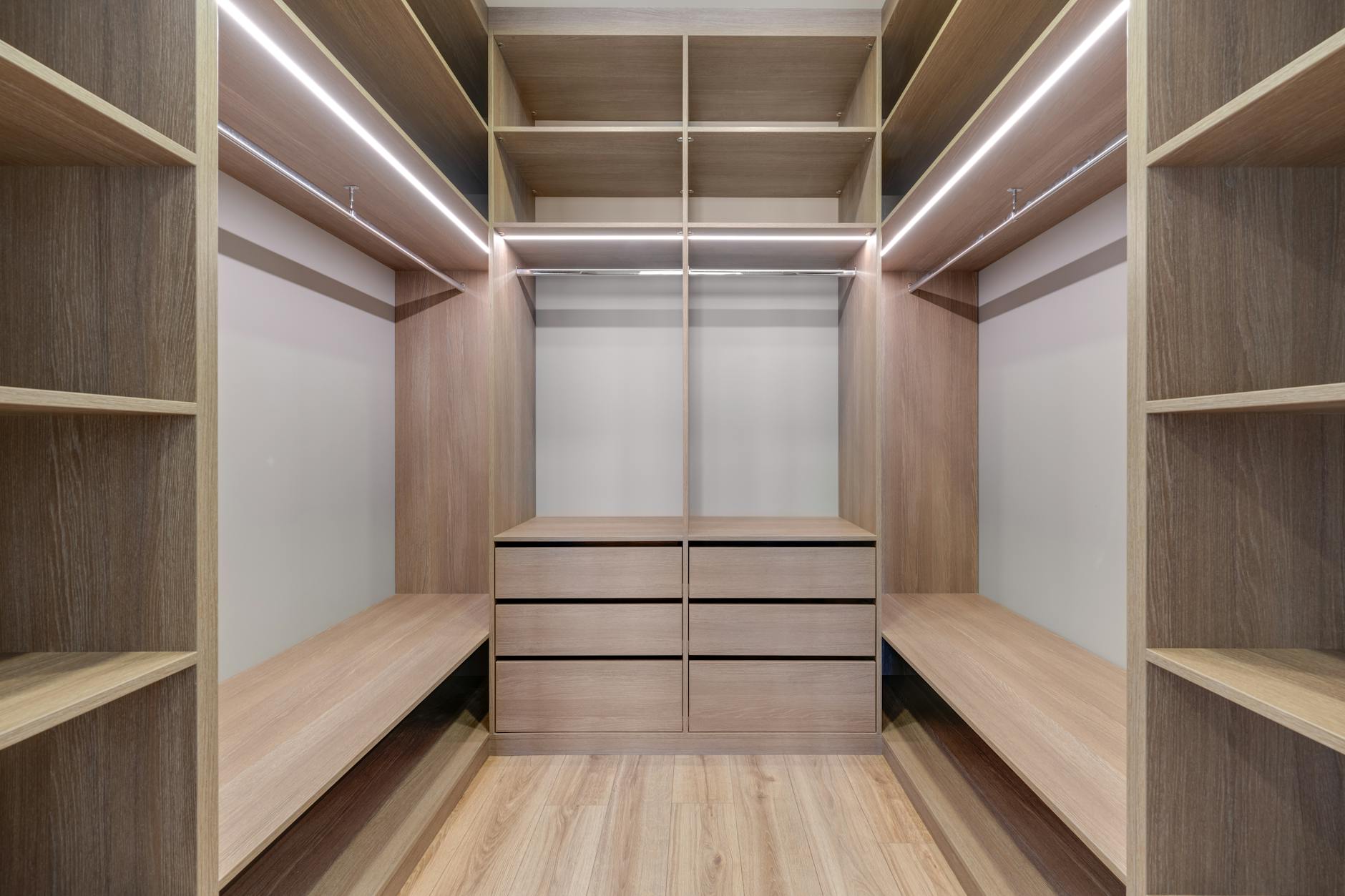
The Psychology Behind Executive Accumulation
High-achieving professionals accumulate possessions differently than the average person. Their collections often represent decades of career milestones, international travel, and strategic networking. A pharmaceutical executive might own awards from five different continents, while a tech founder could have prototype devices dating back to the company’s garage days.
“Executives don’t just collect objects – they collect stories,” explains professional organizer Marie Kondo, whose KonMari method has been adapted for corporate clients. “Each item represents a decision point in their career trajectory. Letting go requires processing not just the physical object, but the emotional weight it carries.”
This attachment extends beyond sentimental value. Many executives view their possessions as insurance policies – that limited-edition watch might appreciate, those industry magazines could contain future insights, and networking event memorabilia maintains connection to valuable contacts. Professional declutterers have learned to navigate these complex relationships between success and stuff.
The process becomes particularly challenging for executives downsizing due to divorce, retirement, or career transitions. A 2023 study by the American Psychological Association found that high-income professionals experience greater stress during major life changes partly due to the volume of decisions required about material possessions.
Services Beyond Simple Organization
Today’s professional decluttering services offer far more than basic sorting and storage solutions. Companies like Gentle Transitions and Caring Transitions provide comprehensive downsizing packages that include estate sale coordination, digital archiving, and even therapy sessions to process attachment issues.
Digital archiving has become particularly crucial for executives whose careers spanned the analog-to-digital transition. Professional services now scan decades of documents, photographs, and business materials, creating searchable digital libraries that preserve information without requiring physical storage space. Some companies offer blockchain verification for particularly important documents, ensuring authenticity for future reference.
Estate sale coordination represents another significant service evolution. Rather than generic liquidation companies, specialized firms now cater to executives with valuable collections. These services handle everything from art authentication to vintage wine storage transfers, ensuring maximum value recovery while minimizing client involvement in the tedious details.

The most sophisticated services include what industry professionals call “legacy curation” – helping executives decide which possessions to preserve for family members, donate to meaningful causes, or place in professional archives. A pharmaceutical executive might donate research materials to university libraries, while a fashion industry veteran could contribute vintage pieces to costume museums.
The Technology Integration Revolution
Professional decluttering has embraced technology in ways that would have seemed impossible five years ago. Companies now use 3D scanning to create virtual inventories of client possessions, allowing executives to review and make decisions remotely while traveling. Artificial intelligence helps categorize items and suggest optimal distribution strategies based on market values and donation tax benefits.
Inventory management apps specifically designed for high-net-worth individuals track possessions across multiple properties, storage facilities, and family members. These systems prove invaluable during downsizing, providing complete visibility into accumulated possessions that might otherwise be forgotten in rarely-visited vacation homes or storage units.
Some services now offer virtual reality previews of downsized spaces, allowing executives to visualize their possessions in new environments before making final decisions. This technology reduces buyer’s remorse and helps clients feel confident about their choices before the physical move occurs.
Blockchain technology has entered the space through provenance tracking for valuable items. As executives downsize art collections, vintage wines, or rare books, blockchain verification ensures authenticity and maintains value for future sales or insurance purposes.
Market Forces Driving Demand
Several converging trends have made professional decluttering services essential rather than optional for many executives. The shift toward urban living, accelerated by remote work policies, has executives leaving suburban estates for downtown penthouses with significantly less storage space. At the same time, minimalism has gained traction among successful professionals who associate simplified living with enhanced focus and productivity.

Tax considerations also drive demand for these services. Professional declutterers now work closely with tax advisors to maximize charitable donation benefits, time asset sales to minimize capital gains impact, and ensure proper documentation for all transactions. This coordination can save executives significant money while supporting causes they value.
The rise of sharing economy platforms has changed how executives view ownership. Rather than maintaining extensive wardrobes, some now work with services that provide curated clothing collections for different occasions. Professional declutterers help navigate this transition, identifying items worth keeping versus those better sourced through subscription services.
Generational wealth transfer planning has also increased demand. Many executives use downsizing as an opportunity to begin transferring assets to adult children while they can provide guidance and context. Professional services facilitate these conversations and ensure smooth transitions.
Looking ahead, professional decluttering services are expanding into what industry experts call “pre-accumulation consulting” – helping executives make mindful acquisition decisions to prevent future overwhelming situations. This proactive approach, combined with the continued evolution of digital solutions, suggests the industry will remain essential as executive lifestyles continue evolving toward intentional living.
Just as professional color consultants became essential for executive wardrobes, decluttering specialists now occupy a permanent place in the ecosystem of services that support high-achieving professionals through major life transitions.
Frequently Asked Questions
What makes executive decluttering different from regular organizing services?
Executive services handle complex collections, digital archiving, estate sales, and tax optimization while addressing emotional attachments to career milestone items.
How much do professional decluttering services cost for executives?
Costs vary widely based on scope, but comprehensive downsizing packages typically range from several thousand to tens of thousands of dollars depending on inventory size and services needed.