




Corporate boardrooms are experiencing a quiet revolution. The sharp click of traditional stilettos on marble floors is giving way to something unprecedented: high heels designed by physical therapists that actually support the body while maintaining executive presence.
This shift represents more than a trend. Major brands are partnering with healthcare professionals to create footwear that addresses the reality of modern work life, where professionals spend 8-10 hours on their feet in meetings, presentations, and networking events. The result challenges decades of fashion orthodoxy that prioritized appearance over physical wellbeing.
The Science Behind Professional Comfort
Physical therapists bring biomechanical expertise that traditional shoe designers lack. They understand how heel height affects spinal alignment, how arch support prevents plantar fasciitis, and why proper cushioning reduces knee stress during long workdays.
Dr. Emily Chen, a physical therapist who consulted on Naturalizer’s recent professional collection, explains the core principles: “We start with gait analysis and pressure mapping to understand how weight distributes across the foot during walking and standing. Traditional heels create pressure points that lead to pain within hours.”
The key innovations include contoured footbeds that mirror natural arch curves, shock-absorbing midsoles typically found in athletic shoes, and heel heights calculated to minimize forward weight shift. Some designs incorporate metatarsal pads to reduce ball-of-foot pressure and wider toe boxes that accommodate natural foot shape.
Brands like Vionic, founded by a podiatrist, have pioneered this approach with their corporate-appropriate styles. Their technology includes biomechanical footbeds originally developed for orthotic inserts, now integrated into sleek pumps and loafers that pass boardroom dress codes.
Executive Adoption and Workplace Impact
The corporate world is taking notice. Law firms, consulting companies, and financial institutions are witnessing a shift as female executives discover they can maintain professional appearance without sacrificing comfort or health.
Sarah Martinez, a senior partner at a Manhattan law firm, switched to therapist-designed heels after years of foot pain. “I was skeptical initially. The aesthetic had to meet our firm’s standards, but these shoes actually support 12-hour days in court.”

The trend aligns with broader workplace wellness initiatives. Companies investing in ergonomic desks and standing workstations recognize that footwear affects employee health and productivity. Some firms now include therapeutic footwear in their wellness benefits, acknowledging that comfortable employees perform better.
This shift connects to the broader movement of nurse-approved sneakers taking over street style, where healthcare professional endorsements carry significant weight in fashion choices.
The ripple effects extend beyond individual comfort. Meeting dynamics change when participants aren’t distracted by foot pain. Networking events become more engaging when professionals can focus on conversations rather than finding places to sit.
Design Innovation Meets Fashion Standards
The biggest challenge was aesthetic. Early orthopedic shoes carried stigma – they looked medical rather than fashionable. Today’s physical therapist-designed heels solve this through collaboration between healthcare professionals and fashion designers.
These partnerships produce shoes that appear identical to traditional corporate footwear while incorporating hidden wellness technology. Memory foam padding sits beneath leather uppers. Rocker soles that promote natural walking motion hide within classic silhouettes. Arch support systems integrate seamlessly into elegant profiles.
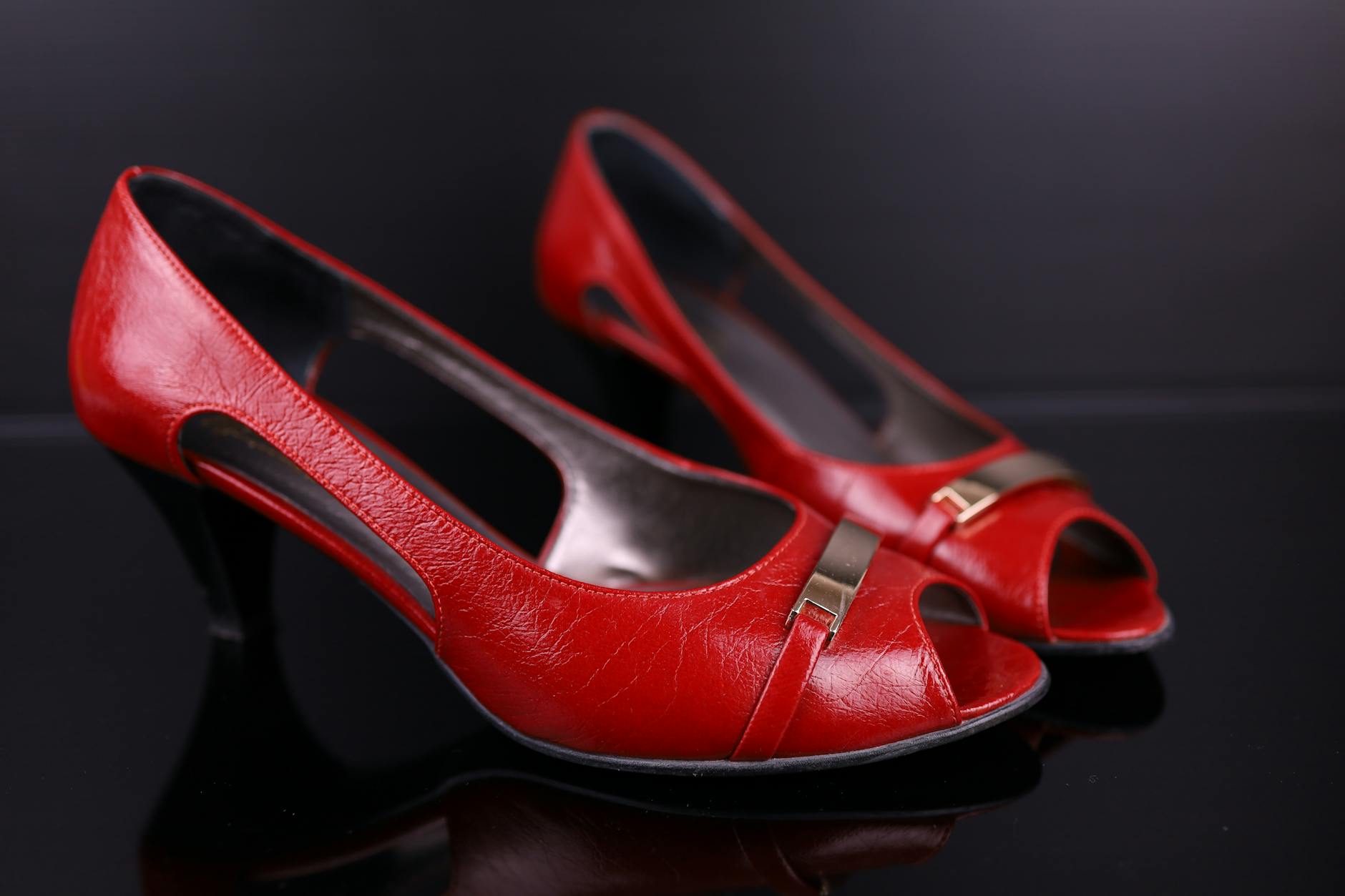
Color palettes remain professional: black, navy, nude, and burgundy dominate collections. Heel heights typically range from one to three inches, optimal for spinal alignment while meeting workplace expectations. Materials include genuine leather and breathable linings that manage moisture during long wear.
The aesthetic success is measurable. Fashion editors and style influencers now regularly feature these shoes in professional wardrobe recommendations, signaling mainstream acceptance beyond pure functionality.
Market Response and Future Direction
Major footwear companies are investing heavily in this space. Clarks expanded their professional line with physical therapist input. Cole Haan introduced Grand technology across their corporate styles. Even luxury brands are quietly incorporating wellness features, recognizing that their affluent customers value both status and comfort.
Consumer response drives this growth. Online reviews consistently praise reduced foot fatigue and improved posture. Sales data shows professionals are willing to pay premium prices for shoes that support their health without compromising their image.
The success mirrors how orthopedic clogs conquered high fashion runways, proving that wellness-focused footwear can achieve mainstream fashion acceptance.
Looking ahead, technology integration promises even greater advances. Smart insoles that monitor posture, customizable arch support adjusted through mobile apps, and materials that adapt to foot shape throughout the day represent the next evolution.
The corporate style landscape is fundamentally shifting. Physical therapist-designed heels prove that professional appearance and physical wellness aren’t mutually exclusive. As more executives experience the benefits of biomechanically sound footwear, traditional painful heels may soon seem as outdated as typing pools and carbon paper.
This revolution started in healthcare professionals’ understanding of human movement and has landed in corner offices worldwide. The message is clear: true professional power includes taking care of the body that carries you through your career.
Frequently Asked Questions
What makes physical therapist-designed heels different from regular heels?
They incorporate biomechanical features like arch support, shock absorption, and proper weight distribution while maintaining professional appearance.
Are therapist-designed heels suitable for formal business environments?
Yes, they’re designed to meet corporate dress codes while providing superior comfort and foot health benefits.