




A 28-year-old marketing executive from Brooklyn scrolls through her morning skincare routine on TikTok, pausing at a video promising “Botox-level results without the needles.” The star ingredient? Peptides. What was once a niche component in expensive dermatologist-recommended serums has exploded into the millennial beauty obsession of 2024, with search volume for “peptide serums” increasing 340% over the past year.
The peptide revolution isn’t just another skincare fad. Dermatologists are seeing a fundamental shift in how younger consumers approach anti-aging, moving away from invasive procedures toward topical solutions that promise similar results. Dr. Marisa Garshick, a board-certified dermatologist in New York, reports that 60% of her millennial patients now ask specifically about peptide-based treatments during consultations.
“Millennials are rejecting the idea that you need to wait until your 40s to start serious anti-aging,” says cosmetic chemist Michelle Wong. “They want prevention and treatment in one bottle, and peptides deliver both.” The appeal extends beyond efficacy to lifestyle compatibility – no downtime, no recovery period, and results that develop gradually without the telltale signs of cosmetic intervention.
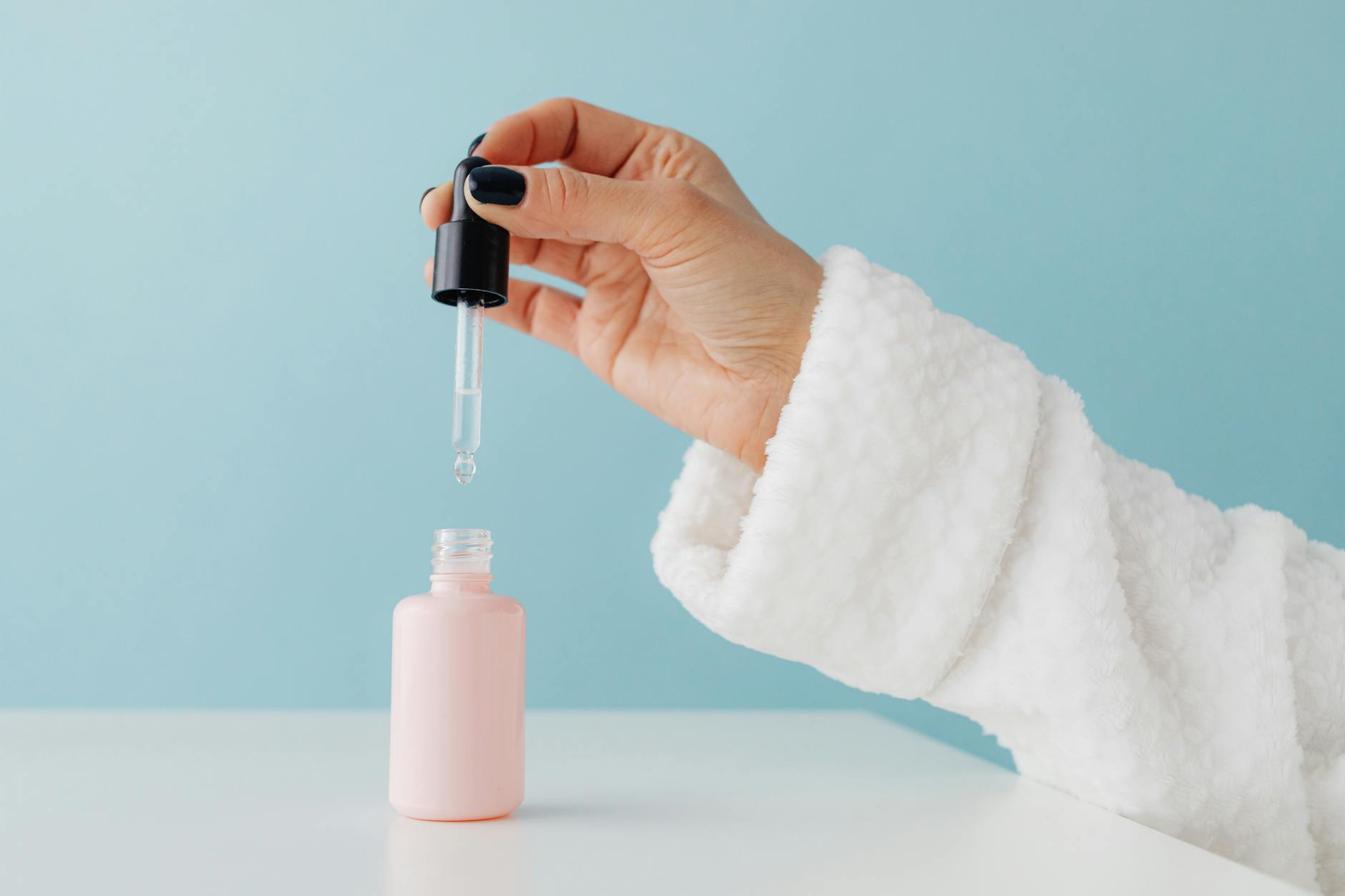
The Science Behind the Peptide Boom
Peptides are short chains of amino acids that signal skin cells to produce more collagen, the protein responsible for skin firmness and elasticity. Unlike Botox, which temporarily paralyzes muscles to reduce wrinkles, peptides work at the cellular level to rebuild the skin’s structure from within.
The breakthrough came with advances in peptide stability and penetration. Earlier formulations struggled to survive in skincare products and penetrate the skin barrier effectively. Modern peptide serums use encapsulation technology and delivery systems that ensure these fragile molecules reach their target cells intact.
Copper peptides, signal peptides, and carrier peptides each serve different functions in the anti-aging process. Copper peptides stimulate collagen production and wound healing. Signal peptides communicate with skin cells to boost natural repair processes. Carrier peptides deliver essential minerals that support skin health. Many current formulations combine multiple peptide types for comprehensive results.
Research published in the International Journal of Cosmetic Science shows that consistent use of peptide serums can increase skin firmness by up to 20% over 12 weeks. While these results develop more gradually than Botox, users report more natural-looking improvements without the frozen appearance that many millennials want to avoid.
Social Media Fuels the Peptide Revolution
Instagram and TikTok have transformed peptide serums from dermatology office recommendations to viral beauty trends. Influencers document their “peptide journeys” with before-and-after photos, creating a new category of beauty content focused on slow, steady transformation rather than dramatic overnight changes.
The hashtag #peptideserum has garnered over 45 million views on TikTok, with users sharing detailed reviews of products from The Ordinary, Paula’s Choice, and Drunk Elephant. Unlike traditional beauty marketing, these testimonials emphasize patience and consistency, appealing to millennials who value authenticity over instant gratification.
Beauty brands have responded by reformulating existing products and launching peptide-focused lines. Sephora reports that peptide-containing products now represent 15% of their anti-aging serum sales, up from just 3% two years ago. The trend has also influenced product marketing, with brands emphasizing scientific ingredients over luxury packaging to appeal to research-savvy millennial consumers.
The social media effect extends to education, with dermatologists and cosmetic chemists using platforms to explain peptide science in accessible terms. This democratization of skincare knowledge empowers consumers to make informed choices rather than relying solely on marketing claims.
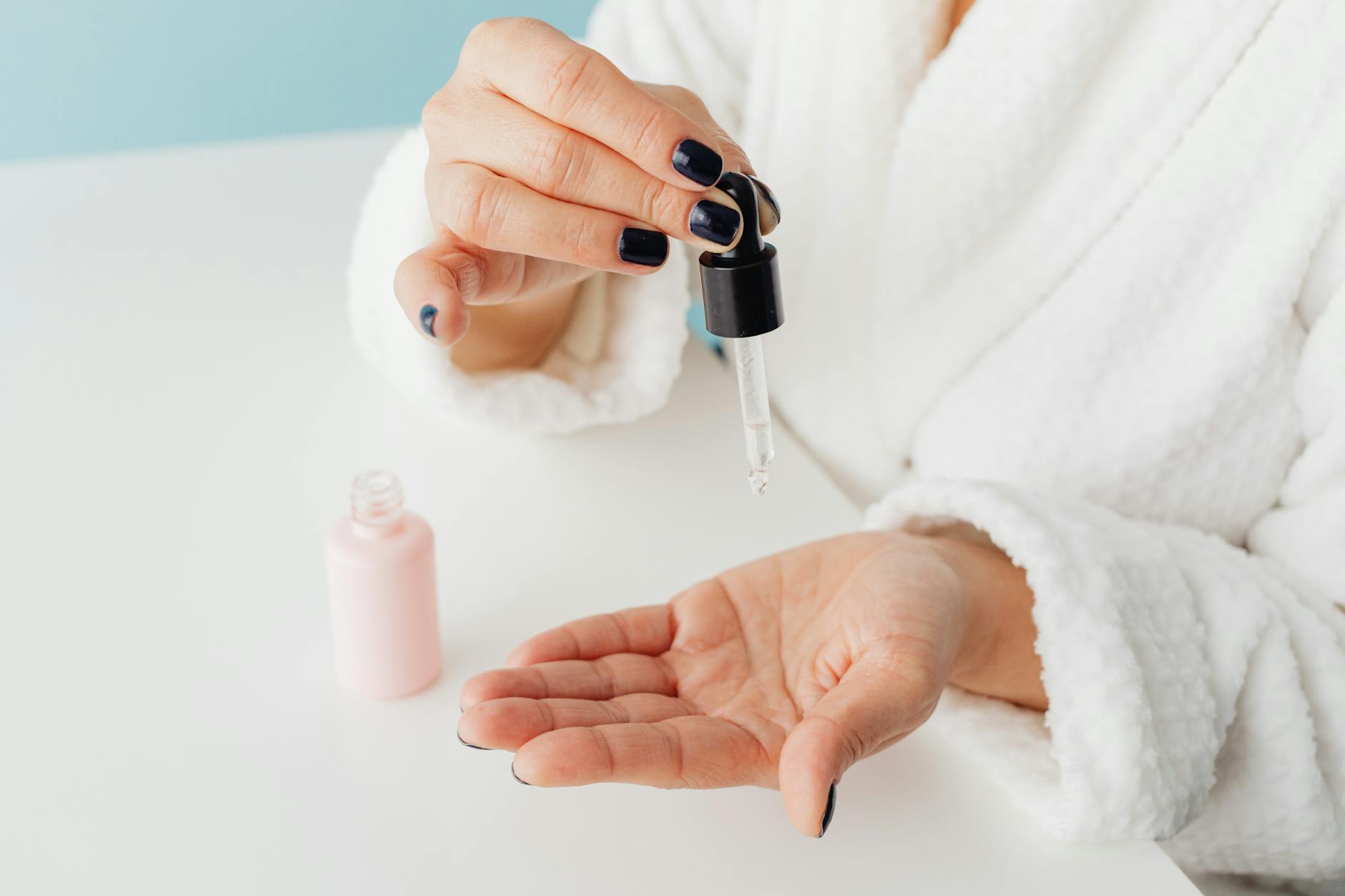
Economic and Lifestyle Factors Drive Adoption
The peptide trend coincides with economic pressures that make injectable treatments less accessible to many millennials. While Botox injections cost $300-600 per session and require maintenance every 3-4 months, high-quality peptide serums range from $25-150 and last 2-3 months with daily use.
This cost difference becomes more significant when considering long-term skincare investment. A year of Botox treatments can cost $1,200-2,400, while a peptide serum routine typically costs $200-600 annually. For millennials facing student loan debt, high housing costs, and economic uncertainty, topical alternatives offer a more sustainable approach to skincare maintenance.
The lifestyle compatibility factor cannot be understated. Peptide serums integrate seamlessly into existing skincare routines without requiring appointments, scheduling around social events, or dealing with temporary side effects. This convenience appeals to millennials who value efficiency and flexibility in their beauty routines.
Many users also appreciate the gradual nature of peptide results, which align with millennial preferences for natural-looking enhancement. Rather than the dramatic before-and-after transformation associated with injectables, peptides deliver subtle improvements that enhance rather than alter facial features.
The trend has influenced broader beauty industry approaches, with brands increasingly focusing on science-backed ingredients and expert consultation to meet consumer demand for education and transparency.
Professional Perspectives and Future Outlook
Dermatologists remain divided on peptides as complete Botox alternatives. While acknowledging their benefits for skin health and texture, many emphasize that peptides and injectables address different aspects of aging. “Peptides excel at improving skin quality and mild texture issues,” explains Dr. Dennis Gross, a Manhattan-based dermatologist. “For deeper wrinkles and significant volume loss, injectables remain more effective.”
However, the combination approach is gaining traction. Many practitioners now recommend peptide serums as maintenance between injectable treatments, extending results and improving overall skin health. This hybrid strategy appeals to millennials who want comprehensive anti-aging care without complete reliance on procedures.
The peptide market continues evolving with new delivery systems and combination formulations. Brands are developing peptide-infused makeup, overnight treatments, and targeted serums for specific concerns like crow’s feet or forehead lines. Research into plant-derived peptides and biomimetic peptides promises even more options in the coming years.
The peptide revolution reflects broader changes in millennial beauty priorities – prevention over correction, science over marketing hype, and sustainable routines over quick fixes. As this generation ages and their skincare needs evolve, peptides provide a foundation for long-term skin health without the commitment and cost of regular injectable treatments.
Looking ahead, the peptide trend will likely influence how the entire beauty industry approaches anti-aging, emphasizing gradual improvement and skin health over dramatic transformation. For millennials seeking effective, accessible alternatives to traditional cosmetic procedures, peptides represent not just a trend but a fundamental shift toward proactive, science-based skincare that grows with their changing needs and lifestyles.
Frequently Asked Questions
How do peptide serums compare to Botox for anti-aging?
Peptide serums work gradually to rebuild skin structure while Botox provides immediate muscle paralysis, with peptides offering more natural-looking results over time.
How much do peptide serums cost compared to Botox?
Quality peptide serums cost $200-600 annually versus $1,200-2,400 for yearly Botox treatments, making them significantly more affordable long-term.