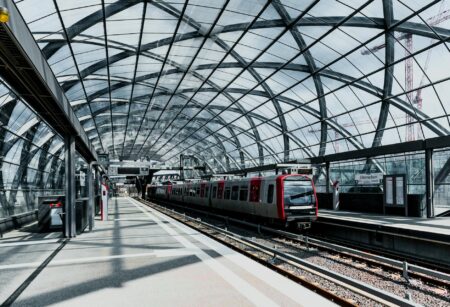





Fashion’s newest frontier isn’t a gleaming showroom or historic palace-it’s the rumbling, lived-in world of working subway stations. Paris Fashion Week has embraced an unprecedented approach this season, staging runway shows in active metro stations where commuters brush shoulders with supermodels and the sound of arriving trains mingles with applause.
The trend began quietly with smaller designers seeking authentic urban settings, but has exploded into a full-scale movement that’s redefining what luxury fashion can be. Major fashion houses are now booking platforms during off-peak hours, transforming everyday transit spaces into temporary cathedrals of style while maintaining full station operations.
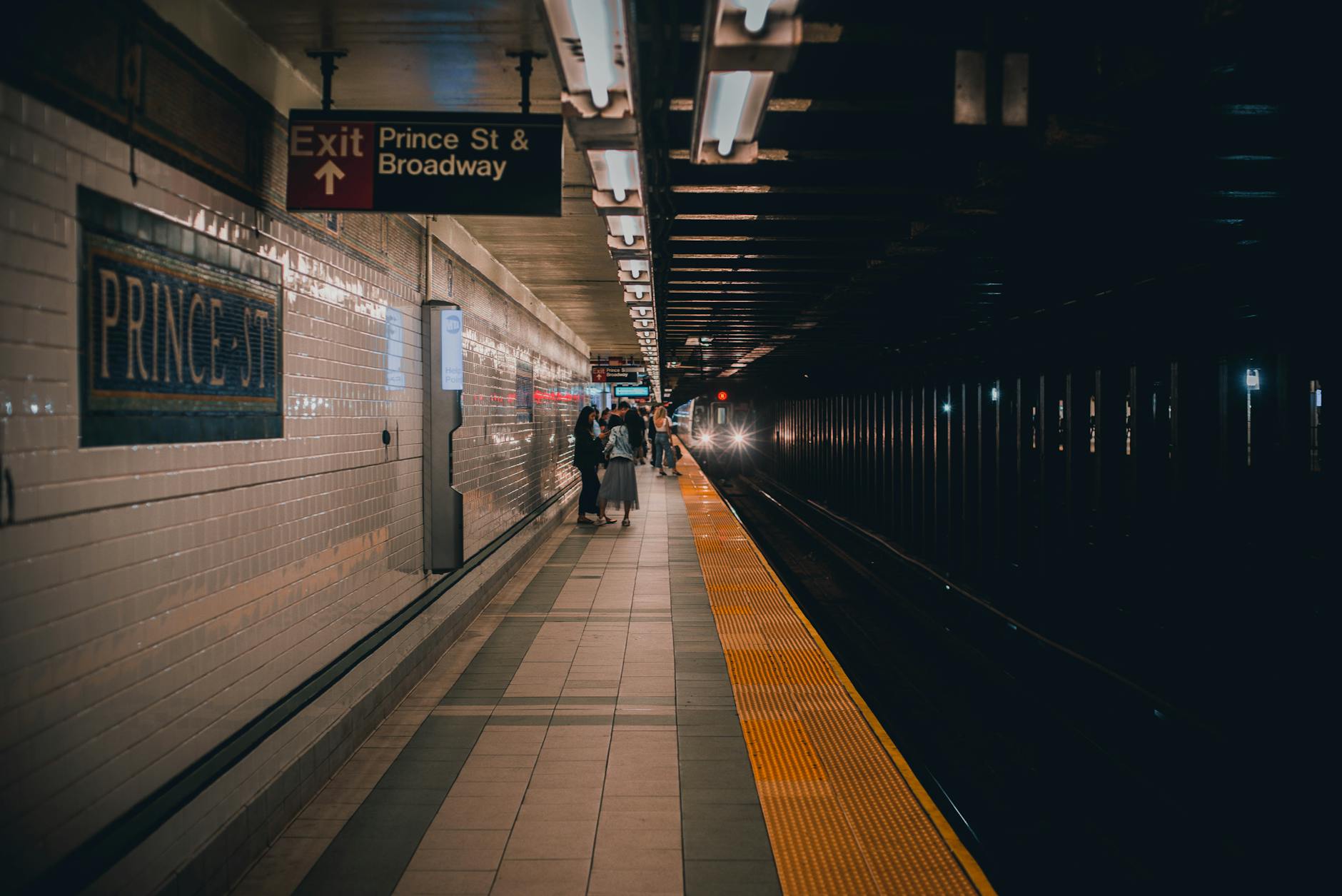
The Underground Revolution Takes Hold
The shift started with emerging designer Jade Chen’s guerrilla show at Châtelet-Les Halles station in February, where models walked between actual passengers during morning rush hour. The images went viral within hours, sparking conversations about fashion’s relationship with real life. Now, established houses are following suit, though with more coordination and safety protocols.
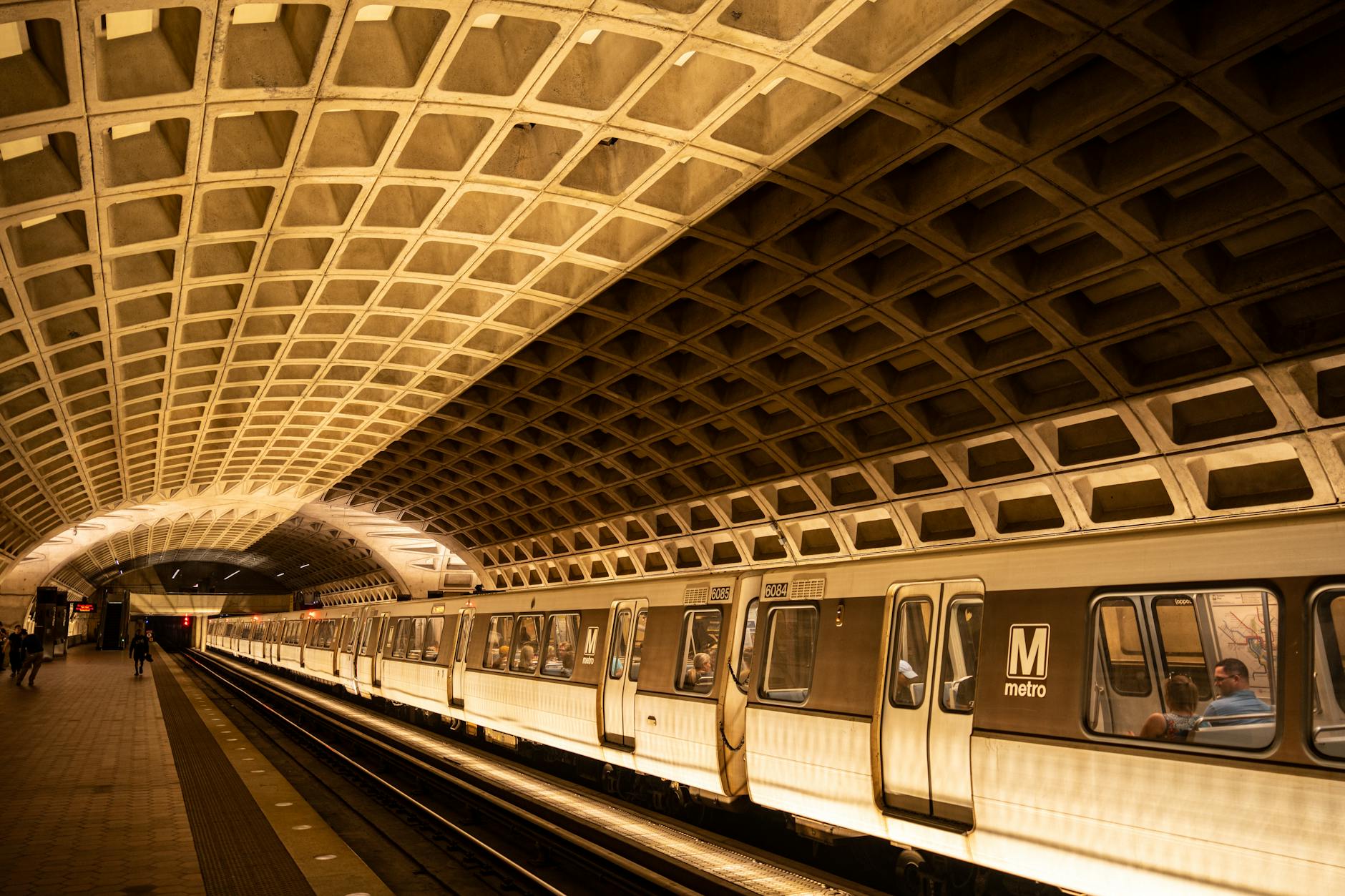
RATP, Paris’s public transportation authority, initially resisted but has since embraced the concept after seeing the positive public response. They’ve created specific guidelines allowing shows during designated windows, typically between 10 AM and 2 PM when foot traffic is manageable. The stations provide natural lighting through their architectural features, and the concrete aesthetics offer a stark contrast that makes colorful collections pop.
“The energy is incomparable,” says fashion photographer Marie Dubois, who has shot three subway shows this season. “You have this raw, urban backdrop with the most refined fashion, and real people becoming part of the narrative. It’s democratizing fashion in a way we’ve never seen.”
The logistical challenges are immense. Designers must account for train schedules, passenger flow, and the constant noise. Some have incorporated these elements into their shows-Isabel Marant’s recent collection featured models emerging from actual train cars, while Jacquemus used the station’s announcement system as part of his soundtrack.
Breaking Fashion’s Fourth Wall
The subway shows are dismantling the traditional barriers between fashion and everyday life. Unlike exclusive venues where only industry insiders gather, these shows happen in spaces where anyone might stumble upon high fashion. Commuters have become involuntary audience members, often stopping to watch models walk past in elaborate gowns or avant-garde pieces.
This accessibility is intentional. Many designers cite the need to reconnect with real consumers after years of increasingly exclusive presentations. The pandemic forced fashion to reconsider its relationship with audiences, and the subway shows represent a physical manifestation of that shift toward inclusion.
Social media has amplified the impact exponentially. When a commuter posts a video of models walking through their daily station, it reaches audiences that traditional fashion coverage never would. These organic moments often generate more engagement than official runway footage, as viewers connect with the surprising juxtaposition of high fashion and daily routine.
The concept echoes the broader trend of fashion democratization seen in Milan’s food market shows, where designers are increasingly choosing authentic, lived-in spaces over sterile presentation venues.
Technical Innovation Meets Urban Grit
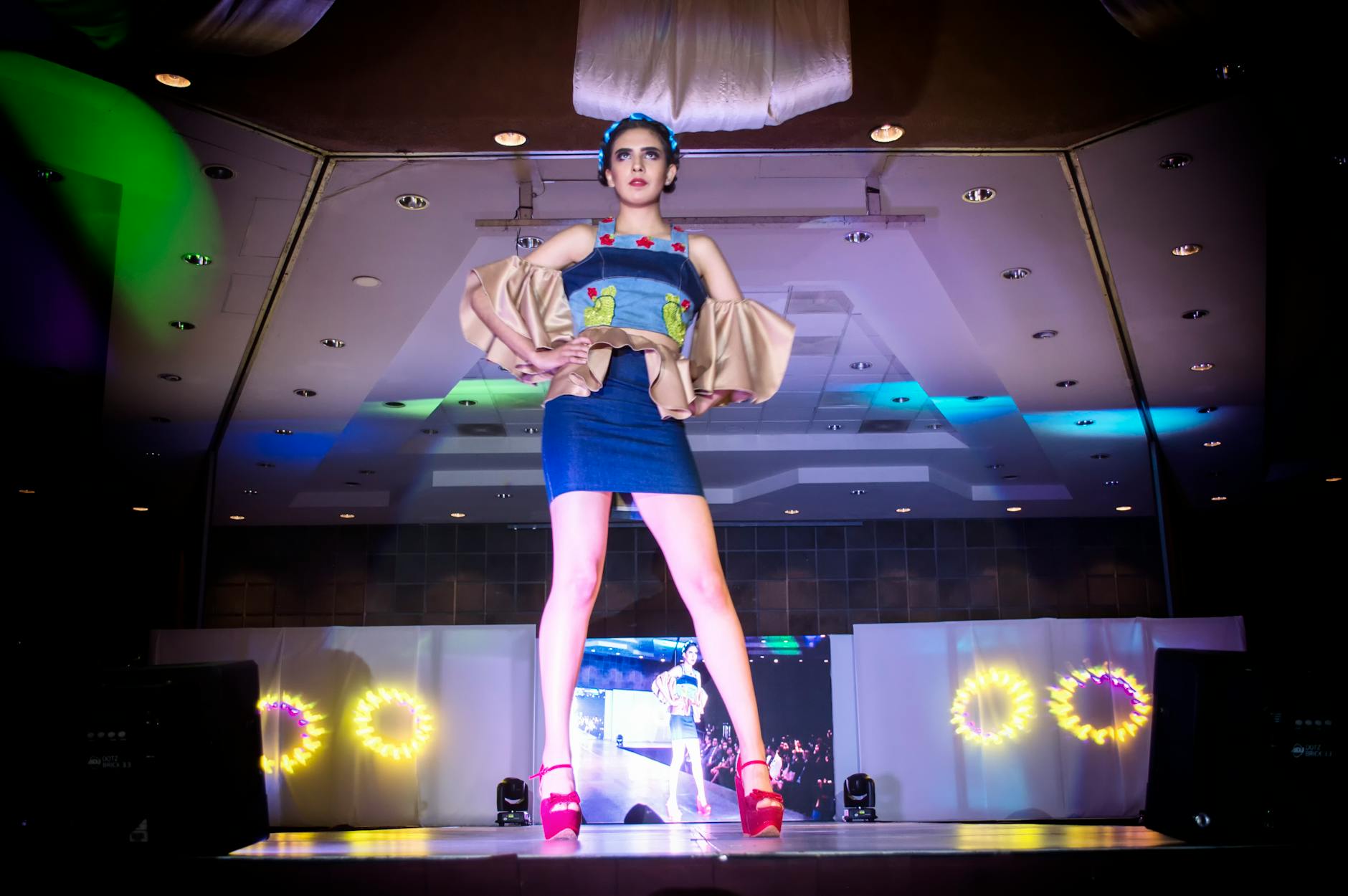
Staging shows in working subway stations requires unprecedented technical innovation. Lighting directors must work with existing station illumination and the intermittent darkness when trains arrive. Sound engineers blend music with ambient noise, creating soundscapes that incorporate actual announcements and the rhythmic clatter of wheels on tracks.
Safety protocols are paramount. Each show requires extensive coordination with metro police, emergency services, and station management. Models must be trained for the unique challenges of walking on platform surfaces while trains operate nearby. Some shows use only one side of a platform while keeping the other operational for passengers.
The financial model is also evolving. While traditional venue rentals for Paris Fashion Week can cost tens of thousands of euros, subway stations charge significantly less, though they require extensive insurance and security arrangements. This has opened opportunities for emerging designers who previously couldn’t afford major Fashion Week presentations.
Technology plays a crucial role in execution. Advanced scheduling systems ensure shows don’t interfere with critical transit operations. Some designers use apps to alert audiences about surprise shows, creating flash mob-style gatherings that feel spontaneous despite careful planning.
The stations themselves become collaborators in the creative process. The tiled walls of Saint-Germain-des-Prés provided acoustic enhancement for one designer’s show, while the curved architecture of République station created natural viewing angles that enhanced the runway experience.
Cultural Impact and Future Implications
The subway shows are influencing fashion beyond Paris. New York designers are eyeing MTA stations, while London’s Transport for London has received inquiries about similar collaborations. The concept taps into fashion’s growing emphasis on authenticity and cultural relevance.
Critics argue the trend is performative, questioning whether luxury brands can truly connect with everyday people through these staged encounters. Others worry about disrupting essential public transportation for entertainment purposes. However, early data suggests the shows have minimal impact on commuter patterns and often improve public sentiment toward both fashion and public transit.
The environmental angle is significant too. These shows typically require less construction, fewer resources for venue transformation, and reduced transportation of equipment compared to traditional runway presentations. Models and guests often arrive by metro, reducing the carbon footprint associated with fashion events.
Young designers especially gravitate toward subway venues because they align with social media-native audiences who value unexpected, shareable moments over traditional luxury signaling. The format forces creativity within constraints, pushing designers to create collections that work both on underground platforms and in conventional settings.
Looking ahead, the subway show phenomenon appears set to expand rather than fade. RATP is developing more formal partnerships with fashion organizations, potentially creating designated “fashion platforms” during peak Fashion Week periods. The success has sparked conversations about using other public spaces-airports, libraries, even active construction sites-as venues for fashion presentations.
The trend represents more than logistics innovation; it signals fashion’s evolving relationship with public space and everyday life. As luxury brands face pressure to remain relevant to younger, more diverse audiences, the subway platform offers literal common ground where high fashion meets real life.
The rumbling trains, the echoing announcements, the surprised faces of commuters-these elements are becoming the new soundtrack and backdrop of Parisian fashion. What started as an experiment in accessibility has evolved into a movement that’s reshaping how we think about where fashion belongs and who gets to participate in its grand theater.
Frequently Asked Questions
How do subway fashion shows work with regular train service?
Shows are scheduled during off-peak hours between 10 AM and 2 PM, with extensive coordination with transit authorities to maintain normal operations.
Which designers have staged shows in Paris subway stations?
The trend began with emerging designers like Jade Chen and has expanded to established houses including Isabel Marant and Jacquemus.