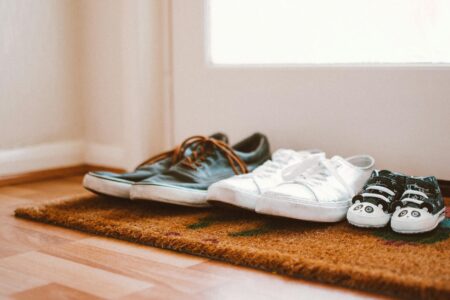





The woman walking into the Hermès boutique wasn’t carrying a Birkin bag. Instead, she wore a pair of $400 orthopedic sneakers with custom arch support and medical-grade cushioning. At the next table, a tech executive closed a million-dollar deal while wearing shoes prescribed by his podiatrist. Welcome to 2024, where the ultimate luxury isn’t a designer logo-it’s perfect foot health.
Orthopedic sneakers have quietly transformed from medical necessity to coveted status symbol. Once relegated to senior centers and physical therapy clinics, these therapeutic shoes now grace red carpets, boardrooms, and first-class lounges. The shift represents more than just changing fashion preferences-it signals a fundamental reimagining of what luxury means in our wellness-obsessed culture.

The Science Behind the Status
Today’s orthopedic sneakers bear little resemblance to their clunky predecessors. Brands like Allbirds, Rothy’s, and Vionic have revolutionized the category with sleek designs that incorporate genuine medical benefits. Memory foam midsoles, carbon fiber plates, and biomechanically engineered toe boxes deliver therapeutic support while maintaining aesthetic appeal.
Dr. Sarah Chen, a Manhattan podiatrist whose clientele includes Broadway dancers and Wall Street executives, explains the transformation: “We’re seeing patients request specific orthopedic features not because they have foot problems, but because they want to prevent them. Prevention has become the new luxury.”
The technology driving this revolution draws from decades of sports medicine research. Advanced cushioning systems originally developed for elite athletes now appear in everyday footwear. Brands incorporate pressure-mapping data, gait analysis, and even 3D printing to create shoes that adapt to individual foot mechanics.
Custom orthotics, once requiring multiple doctor visits and weeks of waiting, can now be ordered through smartphone apps. Companies like Wiivv and SOLS use foot-scanning technology to create personalized insoles delivered within days. This accessibility has democratized medical-grade foot care while maintaining an aura of exclusivity.
Celebrity Endorsement Drives Demand
The orthopedic sneaker’s rise to status symbol mirrors the trajectory of athleisure a decade ago. Early adopters included health-conscious celebrities and aging athletes seeking comfortable alternatives to traditional luxury footwear. Sarah Jessica Parker, known for her Sex and the City stilettos, now frequently appears in supportive sneakers, citing foot health as a priority.
Tech moguls embraced the trend early. Apple’s Tim Cook and Facebook’s Mark Zuckerberg regularly wear therapeutic sneakers to public events, normalizing medical footwear in professional settings. Their influence extends beyond Silicon Valley-orthopedic sneakers now appear in corporate boardrooms across industries.
The pandemic accelerated adoption as remote work prioritized comfort over traditional business attire. Many professionals discovered the benefits of supportive footwear during long days at home, creating lasting preference changes. As offices reopened, employees refused to return to uncomfortable shoes, driving demand for professional-looking orthopedic options.
Fashion weeks in Paris, Milan, and New York now regularly feature models wearing therapeutic sneakers on runways. Designers collaborate with podiatrists to create shoes that meet both aesthetic and medical standards. This convergence of fashion and function represents a permanent shift in industry priorities.

The Psychology of Wellness Luxury
The orthopedic sneaker phenomenon reflects broader cultural shifts toward preventive health and conscious consumption. Modern luxury consumers increasingly value products that enhance long-term wellbeing over those that simply display wealth. A $300 pair of therapeutic sneakers signals self-awareness, health consciousness, and long-term thinking-qualities highly prized in contemporary culture.
Social media amplifies this trend through wellness influencers who showcase orthopedic sneakers as part of holistic lifestyle brands. Instagram posts featuring morning walks in therapeutic shoes garner more engagement than traditional luxury shoe content. The narrative has shifted from “look what I can afford” to “look how well I care for myself.”
Workplace culture changes contribute to the trend’s momentum. Companies promoting employee wellness programs often reimburse orthopedic footwear costs, creating financial incentives for adoption. Progressive workplaces explicitly encourage comfortable, health-promoting footwear over traditional dress codes.
The rise of “stealth wealth”-where true luxury lies in quality over ostentation-perfectly aligns with orthopedic sneakers’ appeal. These shoes offer superior comfort and long-term foot health benefits without flashy logos or obvious status markers. The luxury lies in the technology, materials, and therapeutic benefits rather than brand recognition.
Market Evolution and Premium Positioning
Traditional luxury footwear brands have taken notice of orthopedic sneakers’ growing market share. Ferragamo launched a line of therapeutic dress shoes incorporating podiatrist-approved features. Salvatore Ferragamo’s grandson, James Ferragamo, publicly stated that comfort and health are “the new luxury standards” driving their design philosophy.
The premium orthopedic market now exceeds $2 billion annually, with growth rates outpacing traditional athletic footwear. Brands command higher prices by emphasizing research and development costs, premium materials, and therapeutic benefits. A pair of high-end orthopedic sneakers often costs more than designer equivalents, yet consumers willingly pay premiums for proven health benefits.
Retail environments reflect this positioning shift. Nordstrom and Saks Fifth Avenue now feature dedicated orthopedic footwear sections alongside traditional luxury brands. Sales associates receive training on foot health and biomechanics, transforming the shopping experience from fashion consultation to health assessment.
The resale market for premium orthopedic sneakers has emerged on platforms like The RealReal and Vestiaire Collective. Limited-edition therapeutic models from brands like Hoka and On Running command premium prices, creating secondary markets typically reserved for luxury fashion items.

The orthopedic sneaker’s transformation from medical device to status symbol represents more than fashion evolution-it signals a fundamental shift in luxury values. As consumers increasingly prioritize health, sustainability, and long-term wellbeing over traditional status markers, therapeutic footwear perfectly embodies these changing priorities.
This trend shows no signs of slowing. Advanced materials research promises even more sophisticated orthopedic features, while growing health consciousness ensures continued demand. The next generation of luxury consumers will likely view foot health as essential as any other wellness investment, cementing orthopedic sneakers’ position in the luxury landscape.
The ultimate irony may be that in seeking to care for their feet, consumers have inadvertently created fashion’s next major status symbol. In a world where wellness equals wealth, the most luxurious statement might simply be a comfortable pair of shoes.
Frequently Asked Questions
Why are orthopedic sneakers becoming status symbols?
They represent wellness luxury and preventive health consciousness, values increasingly prized over traditional status markers.
Do orthopedic sneakers really provide medical benefits?
Yes, modern therapeutic sneakers incorporate genuine medical features like arch support, pressure distribution, and biomechanical alignment.