




The chunky, cork-soled clogs that once belonged solely to hospital corridors and professional kitchens have staged one of fashion’s most unexpected takeovers. From Bottega Veneta’s $1,200 iterations to Birkenstock’s collaboration with high-end designers, orthopedic clogs have transformed from medical necessity to luxury must-have, proving that comfort and style can coexist at fashion’s highest levels.
The shift began quietly during the pandemic when working from home made comfort paramount, but it exploded into mainstream fashion consciousness when celebrities and influencers started pairing clinical-looking clogs with designer outfits. What started as a practical choice has evolved into a full-blown fashion phenomenon that’s reshaping how we think about luxury footwear.
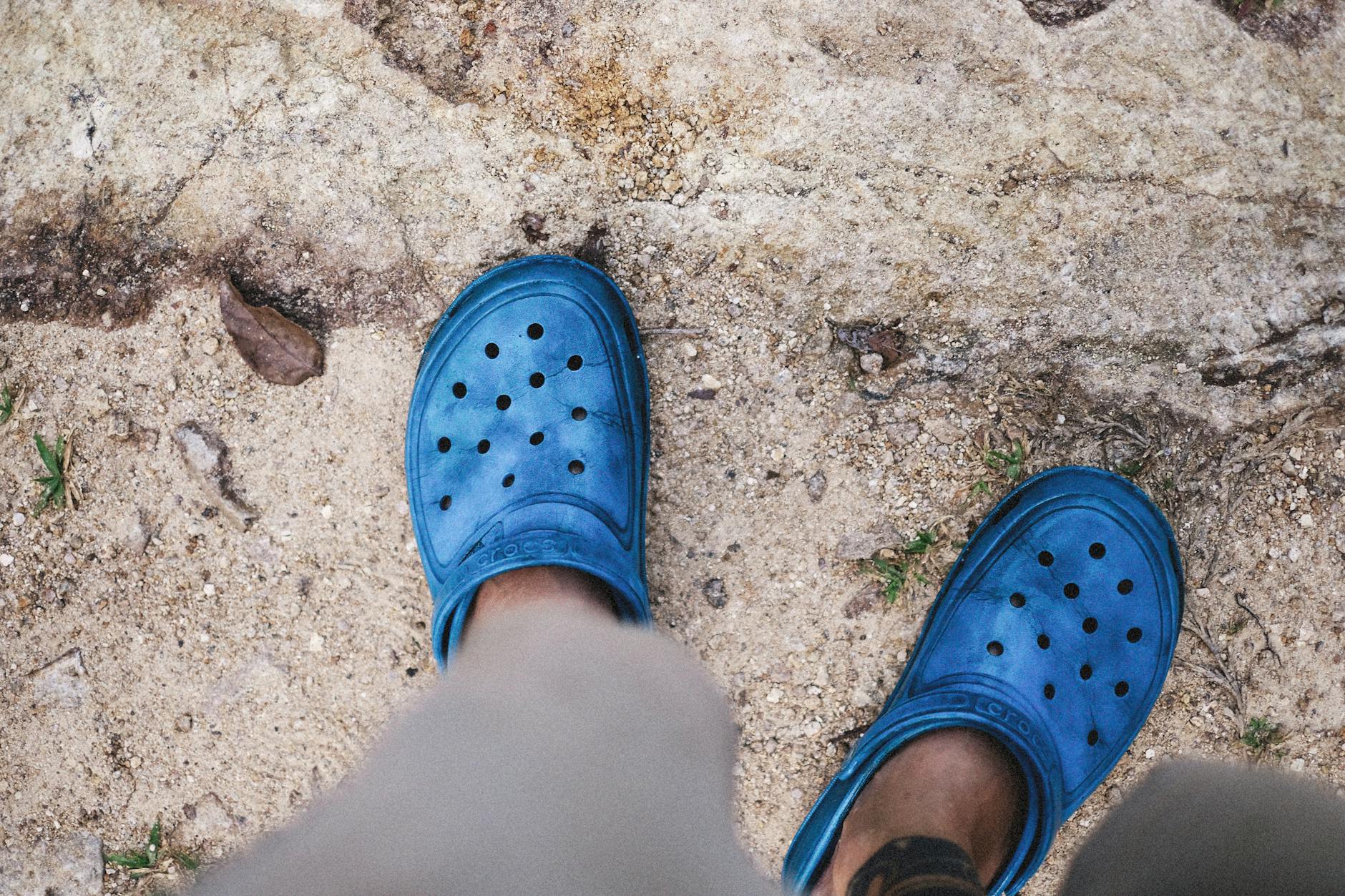
From Medical Device to Luxury Statement
The transformation of orthopedic clogs into high fashion began with Bottega Veneta’s Spring 2021 collection, where creative director Daniel Lee presented leather clogs that maintained the traditional silhouette while elevating materials and craftsmanship. Priced at over $1,000, these clogs featured the house’s signature intrecciato weave and buttery Italian leather, proving that functional footwear could command luxury prices.
Birkenstock, the German brand synonymous with orthopedic footwear, capitalized on this momentum through strategic collaborations with high-fashion houses. Their partnership with Jil Sander produced minimalist clogs in unexpected materials like felt and metallic leather, while collaborations with fashion-forward brands like Staud and Madhappy brought the clinical aesthetic to younger demographics.
The appeal lies in the perfect storm of comfort culture and luxury positioning. “These shoes offer genuine foot support without sacrificing style,” explains Dr. Emily Rodriguez, a podiatrist who has noticed increased interest in supportive footwear among her fashion-conscious patients. “The orthopedic benefits are real – proper arch support, shock absorption, and foot alignment – but now they’re wrapped in luxury materials and designer cachet.”
Major luxury houses have followed suit, with brands like Ganni, Jacquemus, and even Hermès introducing their own interpretations of the orthopedic clog. The result is a market segment that bridges medical necessity with high fashion aspiration, creating shoes that cost hundreds or thousands of dollars while delivering genuine therapeutic benefits.
Celebrity Endorsement and Street Style Adoption
The clog’s fashion credentials received major validation when celebrities began incorporating them into high-profile looks. Kendall Jenner was photographed wearing Bottega Veneta clogs with tailored trousers and a blazer, while Hailey Bieber paired her Birkenstocks with slip dresses and oversized blazers. These styling choices demonstrated that clogs could anchor both casual and elevated looks.
Fashion editors and influencers quickly followed, creating a ripple effect across social media platforms. The aesthetic perfectly aligned with the “ugly shoe” trend that had been building momentum, but with a crucial difference – these shoes offered genuine comfort benefits alongside their deliberately unfashionable appearance.
The street style adoption has been particularly notable during fashion weeks, where industry insiders spend long days on their feet. Attendees began choosing clogs over traditional heels, creating a practical uniform that also made a fashion statement. This professional endorsement from within the industry carried significant weight in legitimizing the trend.
Much like the unexpected rise of velcro sneakers among fashion editors, the clog phenomenon reflects a broader shift toward prioritizing comfort without sacrificing style credentials. The difference is that clogs offer medical benefits that extend beyond mere comfort, providing genuine orthopedic support for people who spend long hours standing or walking.

The Science Behind the Style
What sets orthopedic clogs apart from other comfort shoes is their foundation in medical research and podiatric science. Traditional clogs feature contoured footbeds that support the arch, deep heel cups for stability, and shock-absorbing midsoles that reduce impact stress. These features were originally designed for healthcare workers and other professionals who spend entire shifts on their feet.
The materials matter significantly in the luxury versions. High-end clogs use premium cork for the footbed, which naturally molds to individual foot shape over time while maintaining structural integrity. Leather linings provide breathability and moisture management, while rubber outsoles offer superior grip and durability.
Fashion brands have maintained these functional elements while elevating the aesthetic components. Bottega Veneta’s clogs feature the same cork construction as medical-grade versions but wrapped in hand-woven leather. Birkenstock’s designer collaborations preserve the brand’s signature footbed technology while experimenting with unexpected colorways and materials.
The health benefits extend beyond basic comfort. Proper arch support can alleviate plantar fasciitis and reduce lower back pain. The wide toe box allows natural foot movement, preventing issues associated with narrow fashion shoes. For people with conditions like diabetes or arthritis, these features provide genuine therapeutic value while maintaining fashion credibility.
Industry Impact and Market Response
The luxury clog market has created ripple effects throughout the footwear industry. Traditional orthopedic shoe companies have hired fashion designers to update their offerings, while luxury brands have invested in comfort technology research. This convergence has blurred the lines between medical devices and fashion accessories.
Retail data shows significant growth in the premium comfort footwear segment. Department stores now dedicate prime floor space to brands that were previously relegated to pharmacy sections or medical supply stores. Online luxury retailers feature clogs alongside traditional designer heels and handbags, normalizing their presence in high-end fashion contexts.
The trend has also influenced workplace dress codes and social acceptance of comfort-focused footwear. Industries that previously required formal shoes are adapting policies to accommodate orthopedic needs without sacrificing professional appearance. Similarly, the rise of slip-resistant designer shoes for restaurant workers demonstrates how functional footwear is being reimagined across various professional contexts.
Manufacturing has adapted to meet increased demand for luxury comfort shoes. Traditional orthopedic manufacturers have upgraded production capabilities to work with premium materials, while luxury houses have invested in comfort technology. This convergence has created a new category of footwear that satisfies both medical and aesthetic requirements.
Looking Forward: The Future of Functional Fashion
The success of orthopedic clogs signals a broader shift in luxury fashion toward products that offer genuine functional benefits alongside aesthetic appeal. As consumers become more health-conscious and workplace cultures continue evolving toward comfort-forward policies, the demand for stylish orthopedic footwear is expected to grow.
Innovation continues in materials science and design, with brands experimenting with sustainable cork alternatives, advanced cushioning systems, and customizable footbeds. Some luxury houses are exploring made-to-measure services that combine individual foot scanning with bespoke materials and construction.
The clog trend has also opened doors for other orthopedic footwear categories to receive similar fashion treatment. Supportive sandals, therapeutic sneakers, and medical-grade boots are all experiencing increased interest from both consumers and designers. This suggests that the intersection of health and fashion will continue expanding beyond clogs into a comprehensive luxury wellness footwear category.
As fashion weeks continue featuring models in orthopedic clogs and celebrities choose comfort over traditional glamour, the trend appears positioned for longevity rather than fleeting popularity. The combination of genuine health benefits, luxury materials, and social acceptance has created a sustainable market for high-end comfort footwear that shows no signs of retreating.
Frequently Asked Questions
Why are orthopedic clogs suddenly fashionable?
Celebrities and fashion editors embraced them during the pandemic, leading luxury brands to create high-end versions that combine medical benefits with designer aesthetics.
What makes luxury clogs different from medical ones?
Luxury clogs maintain the same orthopedic features like arch support and cork footbeds but use premium materials like hand-woven leather and designer finishes.