




London’s fashion scene has discovered its next frontier – eight floors above the street level. This September, London Fashion Week witnessed a dramatic shift as established designers abandoned traditional venues for sprawling rooftop gardens, transforming the city’s skyline into an elevated runway experience.
The movement began when British designer Molly Goddard announced her decision to stage her spring collection atop the Barbican Centre’s conservatory roof garden. Within weeks, three more established brands followed suit, including Mother of Pearl and Richard Quinn, each selecting different rooftop locations across London’s creative districts.
The Green Revolution Takes Flight
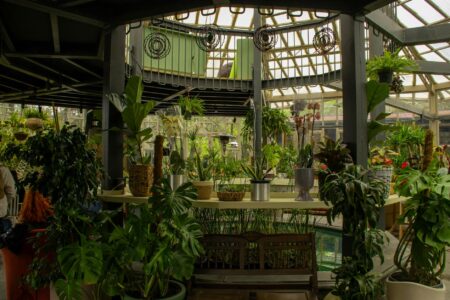
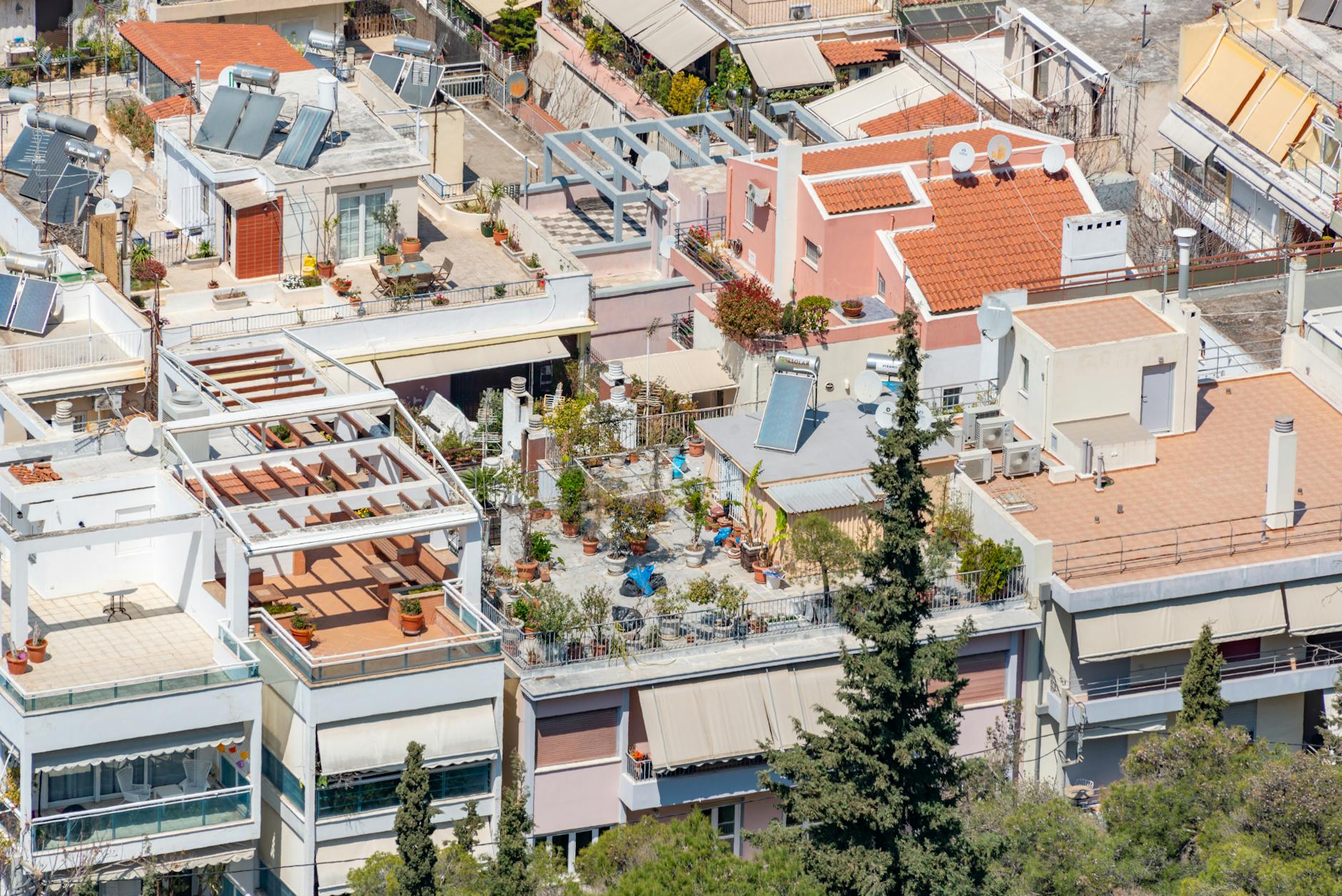
Rooftop garden venues offer designers something conventional spaces cannot: a living, breathing backdrop that changes throughout the show. At the Crossrail Place Roof Garden in Canary Wharf, models navigate between Mediterranean and Australian plant species while wearing flowing fabrics that catch the wind naturally.
The technical challenges are significant. Lighting crews must account for changing weather conditions and natural light variations. Sound engineers install specialized equipment to combat wind interference. Yet designers argue these obstacles create authentic moments impossible to replicate in sterile indoor venues.
“The garden responds to the collection just as much as the collection responds to the garden,” explains Sarah Mower, British Vogue’s fashion critic, who attended four rooftop shows this season. “There’s an organic quality to how fabrics move in natural air currents that mechanical fans simply cannot replicate.”
The sustainability angle resonates strongly with London Fashion Week’s commitment to reducing environmental impact. Several designers have partnered with urban farming initiatives, incorporating actual produce into their shows. Models at one presentation carried baskets of herbs grown on-site, which were later distributed to local restaurants.
Logistical Innovation Meets Creative Vision
The practical considerations of rooftop shows have sparked innovation across the industry. Event planners now scout locations months in advance, assessing wind patterns, structural load capacity, and emergency access routes. Insurance companies have developed specialized policies for elevated outdoor fashion events.
Weather contingency plans have become elaborate productions themselves. Several shows featured retractable canopies that could deploy within minutes, while others embraced the elements entirely. One memorable presentation continued through a light September rain, with models’ makeup designed to streak artistically when wet.
The intimate nature of rooftop venues – most accommodate fewer than 200 guests compared to traditional venues’ 500-plus capacity – has created more exclusive experiences. This limitation has actually increased demand, with some shows receiving five times more requests than available seats.
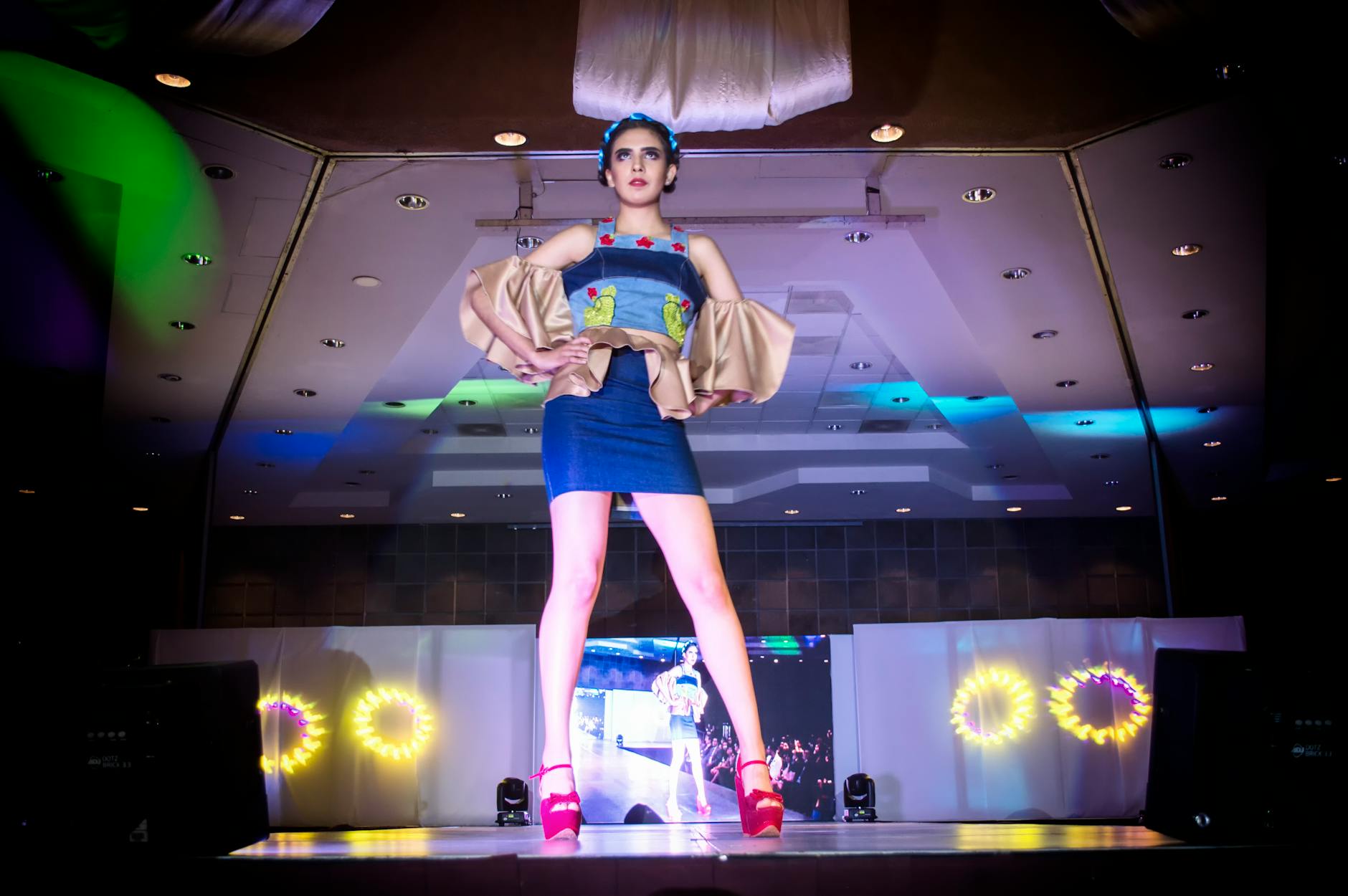
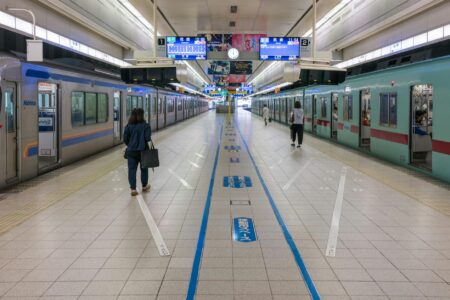
The trend connects to broader experimentation with unconventional venues across global fashion weeks. Earlier this year, Tokyo Fashion Week introduced subway platform runways, while New York designers have begun staging shows in active grocery stores, seeking authentic environments that reflect contemporary life.
Economic Impact and Industry Response
The rooftop trend has created new revenue streams for London’s hospitality sector. Hotels with garden terraces report booking inquiries from fashion brands for private presentations. The Shard’s viewing platforms hosted three designer showcases, generating significant additional income during traditionally quiet weekday periods.
Local governments have taken notice. The City of London Corporation announced plans to fast-track permits for temporary fashion installations on approved rooftop spaces. Westminster Council has similarly streamlined its approval process, recognizing fashion events’ contribution to tourism revenue.
Traditional venue operators initially viewed the trend with concern, but many have adapted by developing their own outdoor spaces. Somerset House expanded its courtyard capacity and added permanent lighting infrastructure specifically for fashion presentations.
The economic benefits extend beyond venue fees. Rooftop shows require specialized services: structural engineers, weather monitoring systems, and enhanced security teams. This has created employment opportunities for professionals who previously worked primarily in construction or outdoor events.
The Future of Elevated Fashion
Industry insiders predict the rooftop trend will expand beyond London Fashion Week. Milan’s design week organizers have already announced pilot programs for elevated venue options, while Paris Fashion Week officials are studying London’s implementation models.
The success has prompted questions about year-round viability. Several designers are exploring heated outdoor spaces for winter collections, though the added costs remain prohibitive for smaller brands.
Technology integration offers promising solutions. Some venues are installing permanent weather protection systems that can adapt to different event requirements. Others are developing modular staging that can be quickly assembled and removed without damaging garden ecosystems.
The rooftop garden phenomenon represents more than a venue trend – it signals fashion’s evolving relationship with natural environments and urban spaces. As cities worldwide grapple with climate concerns and green space limitations, fashion’s embrace of existing gardens demonstrates how creative industries can activate underutilized urban areas.
London Fashion Week’s rooftop revolution has established a template that other fashion capitals will likely adapt to their own architectural landscapes. The movement proves that innovation often emerges not from building new spaces, but from reimagining the ones already above our heads.
Frequently Asked Questions
Why are designers choosing rooftop gardens for fashion shows?
Rooftop gardens offer natural lighting, organic backdrops, and align with sustainability goals while creating intimate, exclusive experiences.
What challenges do rooftop fashion shows face?
Weather contingencies, wind interference, structural limitations, and specialized equipment requirements for outdoor elevated venues.