



The jade tool that once lived exclusively in traditional Chinese medicine clinics now sits alongside $200 foundation brushes in every major fashion week makeup kit. Backstage at Paris Fashion Week, celebrity makeup artist Pat McGrath’s team works gua sha stones across models’ faces before applying a single drop of foundation – a ritual that would have seemed absurd just five years ago.
The ancient scraping technique has undergone a complete transformation, evolving from wellness practice to professional makeup essential. Beauty editors watched this shift accelerate during the pandemic as remote work meetings demanded camera-ready faces, but the real revolution happened behind the scenes where makeup artists discovered gua sha’s practical magic.
From Ancient Medicine to Runway Essential
Gua sha dates back over 700 years in traditional Chinese medicine, where practitioners used jade and rose quartz tools to scrape skin and promote healing. The technique remained largely within TCM practices until 2019, when beauty influencers began demonstrating facial gua sha routines on social media platforms.
Celebrity facialist Cecily Braden, who works with actresses like Emma Stone, introduced gua sha into her treatments three years ago. “I was skeptical at first,” Braden admits. “But when I saw how quickly it reduced puffiness and created that lifted look, I knew this wasn’t just another wellness trend.”
The transformation from ancient practice to modern necessity happened remarkably fast. In 2020, Mount Lai founder Stephanie Zheng reported selling 50,000 gua sha tools as people sought at-home spa experiences. By 2022, major beauty retailers like Sephora dedicated entire sections to facial tools, with gua sha leading sales.
Professional makeup artists initially dismissed the trend as Instagram theater. That changed when they witnessed gua sha’s practical benefits firsthand. The tools create the perfect canvas for makeup application by increasing circulation, reducing inflammation, and temporarily tightening skin – effects that last 3-4 hours, exactly the window needed for photo shoots and red carpet events.
The Science Behind the Scraping
Dermatologists initially approached gua sha with caution, concerned about aggressive scraping techniques seen on social media. However, research began validating the gentler facial applications. Dr. Dendy Engelman, a board-certified dermatologist in New York, explains that proper gua sha technique increases microcirculation by up to 400% in treated areas.
“The lymphatic drainage effect is real,” Dr. Engelman confirms. “When performed correctly, gua sha moves stagnant lymph fluid, reducing puffiness and creating temporary lifting effects.” This scientific backing gave professional makeup artists confidence to incorporate the tools into high-stakes situations.
The technique works by applying controlled pressure along specific facial meridians, following the natural lymphatic drainage pathways. Unlike harsh traditional body gua sha that leaves red marks, facial applications use minimal pressure with smooth, sweeping motions. The temporary micro-trauma triggers increased blood flow without visible marking.
Professional-grade tools differ significantly from mass-market versions. Celebrity makeup artist Mario Dedivanovic, known for his work with Kim Kardashian, uses medical-grade stainless steel tools that maintain consistent temperature and provide precise control. “The cheap ones from Amazon don’t give you the same results,” Dedivanovic notes. “You need tools that glide smoothly and maintain their shape.”
Backstage Revolution: Why Pros Can’t Live Without It
Fashion Week 2023 marked gua sha’s official arrival in professional makeup kits. At the Tom Ford show, makeup artists used rose quartz tools on every model before foundation application. The result: makeup that photographed flawlessly under harsh runway lighting and lasted through long shows without touch-ups.
Makeup artist Gucci Westman, founder of Westman Atelier, revolutionized her backstage routine by incorporating 90-second gua sha sessions. “Models arrive puffy from travel and late nights,” Westman explains. “Five minutes with a gua sha tool does what used to take 20 minutes of massage and ice packs.”
The time-saving aspect proved crucial for busy professionals. Traditional methods of reducing puffiness – ice, caffeine-infused eye patches, or manual massage – required 15-20 minutes per person. Gua sha achieves similar results in under five minutes, critical when working with 30+ models in a three-hour window.
Backstage teams also discovered gua sha’s makeup-enhancing properties. The increased circulation creates a natural flush that reduces the need for heavy blush and bronzer. The temporary lifting effect means less contouring work. Foundation applies more smoothly on gua sha-prepped skin, requiring fewer layers and touch-ups.
Celebrity clients took notice. Actress Margot Robbie reportedly requests gua sha preparation before all red carpet appearances. “It’s not just the physical effects,” notes her longtime makeup artist Pati Dubroff. “The five-minute ritual relaxes clients and creates the perfect mindset for photos.”
Tools, Techniques, and Professional Standards
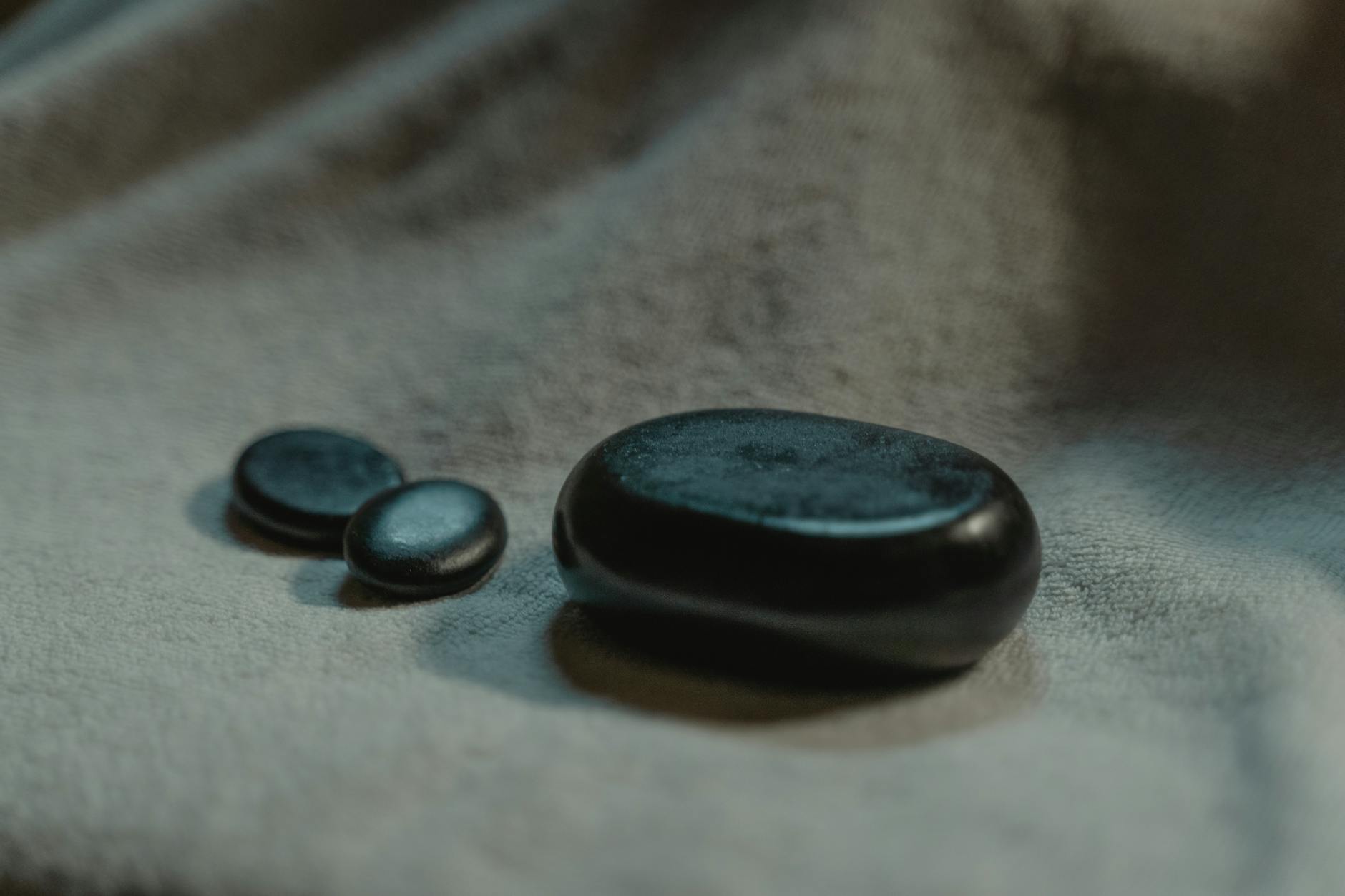
The professional gua sha market has exploded, with specialized tools designed specifically for makeup artists. Unlike traditional jade stones that can harbor bacteria, professional-grade options use non-porous materials like surgical steel and medical-grade ceramics that sanitize easily between clients.
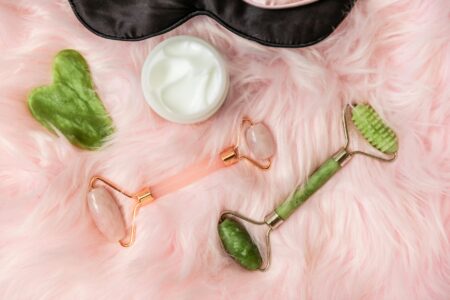
Shapes matter significantly in professional applications. The classic curved tools work well for cheeks and jawlines, but makeup artists prefer multi-sided tools that address different facial areas efficiently. Heart-shaped ends target the delicate eye area, while longer edges work for forehead and neck applications.
Temperature control became another professional consideration. Some artists heat tools slightly to enhance circulation, while others prefer cooling effects for particularly puffy or inflamed skin. Professional warming devices maintain consistent temperatures, unlike bathroom counter methods that risk overheating.
Technique training emerged as a necessity. Improper gua sha can cause bruising, broken capillaries, or ineffective results. Many makeup artists now seek certification through programs developed by traditional Chinese medicine practitioners, ensuring proper pressure and directional techniques.
The integration with existing skincare routines required adjustment. Gua sha works best on clean, slightly moist skin with a facial oil or serum as lubricant. This fits naturally into professional makeup prep routines that already include cleansing and priming steps.
The Future of Facial Tools in Professional Beauty
The gua sha revolution sparked interest in other traditional beauty tools. Jade rollers experienced renewed popularity, though many professionals find them less effective than gua sha for dramatic results. Cupping tools designed for facial use began appearing in professional kits, offering different benefits for specific skin concerns.
Technology integration represents the next frontier. Some companies develop heated gua sha tools with precise temperature control, while others experiment with vibrating versions that combine traditional scraping with modern massage techniques. However, many professionals prefer the simplicity and reliability of traditional non-electronic tools.
The trend toward ancient beauty practices reflects a broader shift in the industry. As consumers become more ingredient-conscious and wellness-focused, makeup artists adapt by incorporating techniques that enhance natural beauty rather than mask it. Peptide serums became popular for similar reasons, offering natural-looking results that complement rather than compete with traditional methods.
Training programs continue expanding as beauty schools recognize gua sha as an essential professional skill. The International Dermal Institute now includes facial tool training in their advanced programs, while continuing education providers offer specialized certifications for working professionals.
The sustainability angle appeals to environmentally conscious clients and artists. Quality gua sha tools last decades with proper care, contrasting sharply with disposable beauty devices that require regular replacement. This longevity makes the higher upfront cost acceptable for professional use.
As the beauty industry continues embracing holistic approaches, gua sha’s professional adoption seems permanent rather than temporary. The technique delivers measurable results that photograph well, work efficiently in time-pressured environments, and align with current wellness trends. For backstage makeup artists, these ancient tools have become as essential as brushes and sponges – proof that sometimes the oldest techniques prove most enduring.
Frequently Asked Questions
Why do makeup artists use gua sha before applying makeup?
Gua sha reduces puffiness, increases circulation, and creates a smooth canvas for makeup application while saving time compared to traditional prep methods.
What type of gua sha tools do professional makeup artists use?
Professionals use medical-grade stainless steel or ceramic tools that sanitize easily and provide consistent results, avoiding porous materials like traditional jade.