





Beauty brands worldwide are swapping traditional materials for ocean plastic, turning environmental crisis into skincare innovation. Face rollers, once crafted from jade or stainless steel, now emerge from recycled bottles and fishing nets pulled from polluted waters.
The transformation began quietly in 2021 when smaller sustainable beauty companies started experimenting with ocean-bound plastic waste. What started as niche environmental messaging has evolved into industry standard practice, with major retailers like Sephora and Ulta dedicating entire shelf space to eco-conscious skincare tools.
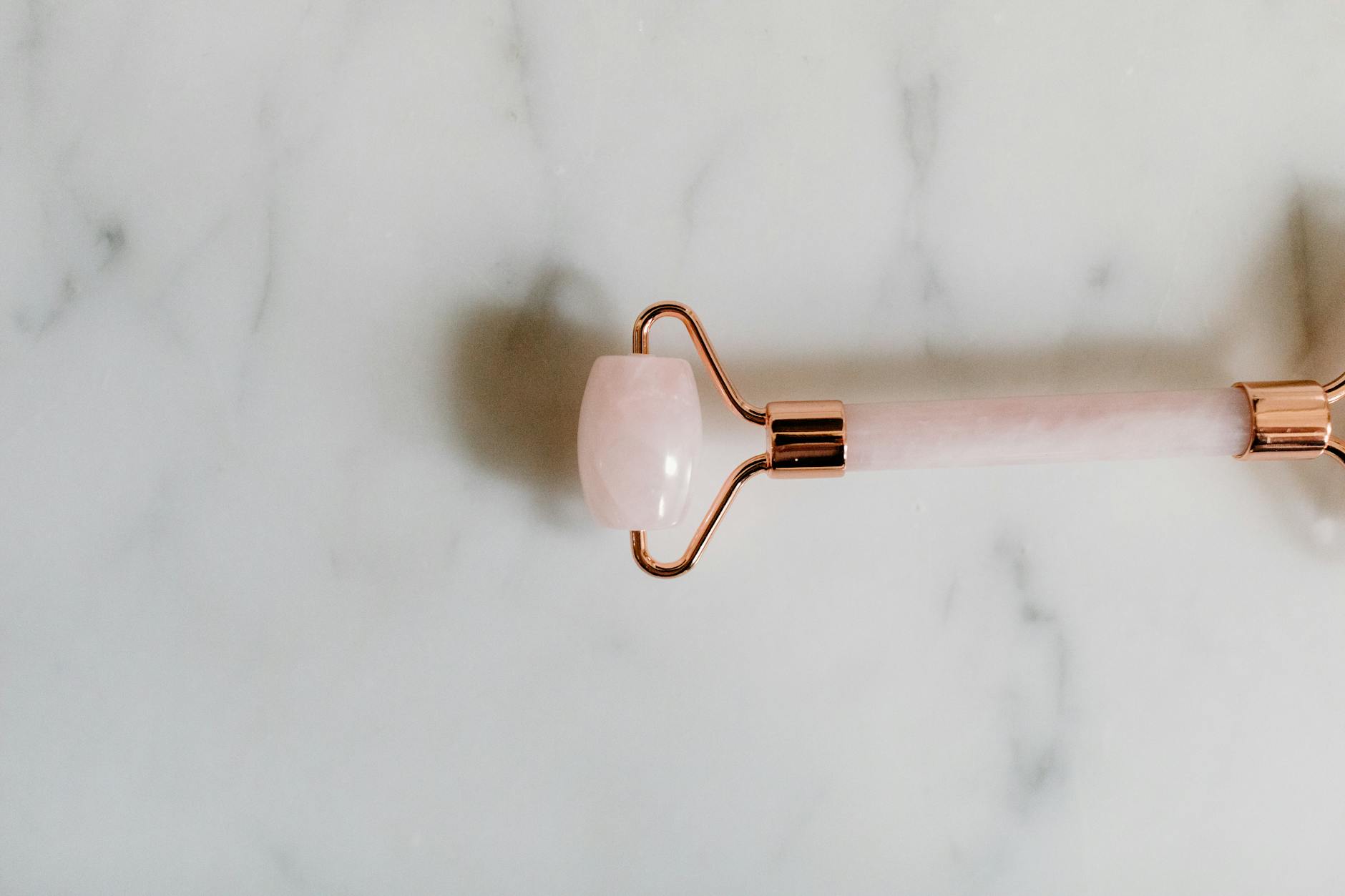
From Ocean Waste to Beauty Essential
Ocean plastic face rollers represent a complete material revolution in beauty tools. Traditional jade rollers cost between $15-40, while recycled ocean plastic versions retail for similar prices but carry significantly different environmental impact stories.
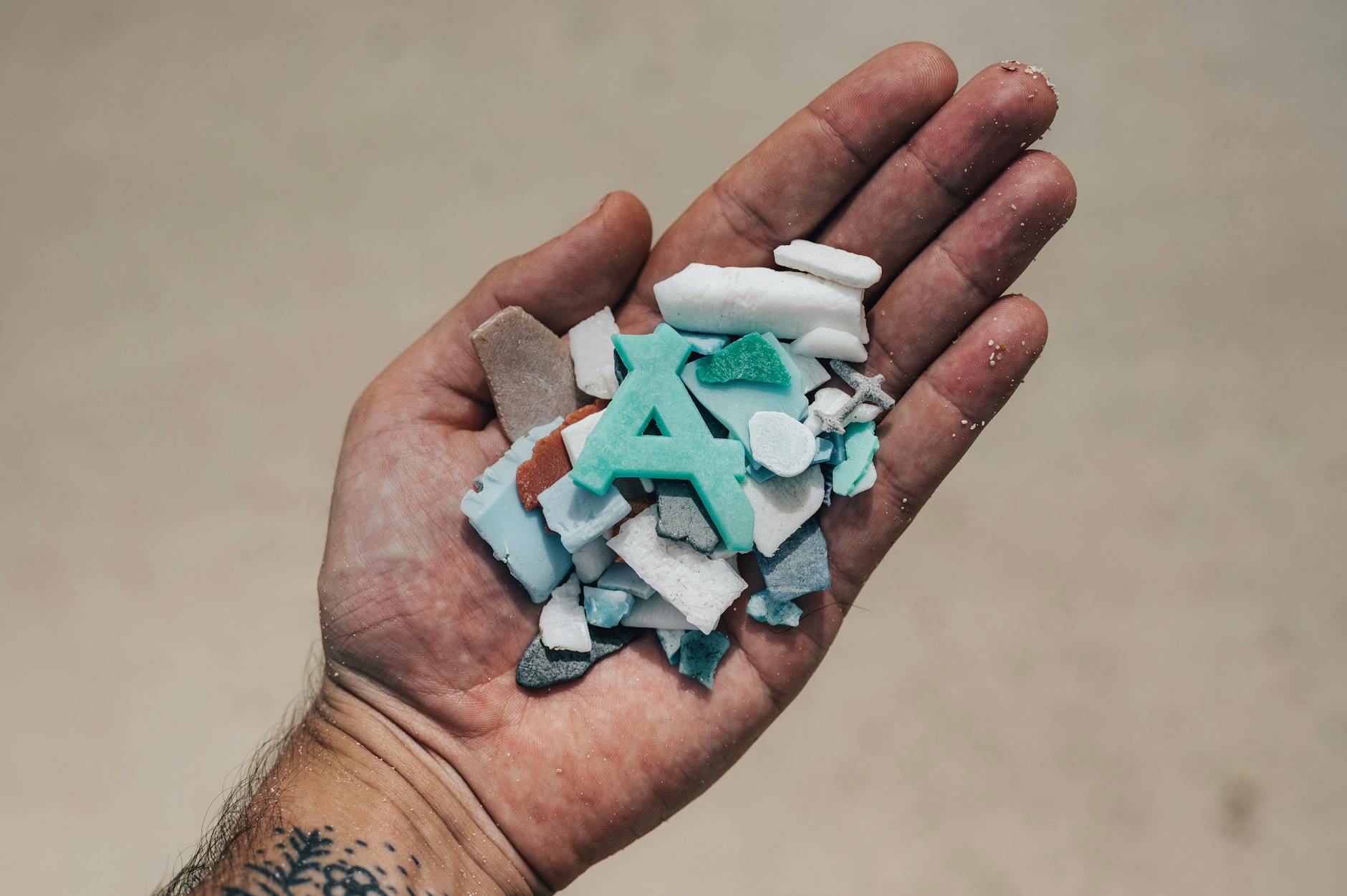
The manufacturing process transforms discarded plastic bottles, food containers, and abandoned fishing equipment into smooth, durable beauty tools. Companies like EcoTools and Kitsch pioneered the category, partnering with ocean cleanup organizations to source materials directly from coastal cleanup efforts.
Each roller reportedly contains plastic equivalent to 2-3 recovered bottles, according to manufacturing partners. The material undergoes extensive cleaning, sorting, and processing before being molded into the familiar dual-roller design that became popular through social media beauty routines.
Beauty influencers embraced the tools not just for their functionality but for their story. The visual contrast between ocean waste origins and polished final product creates compelling content across Instagram and TikTok platforms, where sustainability messaging resonates strongly with younger demographics.
Major Brands Join the Movement
Established beauty companies rapidly adopted ocean plastic materials across their tool collections. Revlon introduced recycled plastic facial massage tools in late 2022, while smaller brands like Herbivore Botanicals partnered with ocean plastic suppliers for their entire accessory line.
The shift parallels broader beauty industry trends toward sustainable packaging and ingredients. Just as peptide serums became alternatives to traditional anti-aging treatments, ocean plastic tools offer environmental consciousness without sacrificing functionality.
Retailer demand drives much of the adoption. Target’s beauty buyers now specifically request sustainable material options for facial tools, while Amazon’s climate-friendly product badges highlight ocean plastic items in search results. This retail pressure creates incentives for manufacturers to source recycled materials rather than virgin plastics.
The functionality remains identical to traditional materials. Ocean plastic rollers provide the same cooling effect, facial massage benefits, and lymphatic drainage support that made face rolling popular. Some users report preferring the slightly different texture and weight distribution compared to stone alternatives.
Supply Chain and Manufacturing Challenges
Converting ocean waste into beauty tools requires sophisticated supply chains that didn’t exist five years ago. Companies must establish relationships with coastal cleanup organizations, plastic processing facilities, and specialized manufacturers capable of working with recycled materials.
Quality control presents unique challenges. Ocean plastic varies in composition, color, and degradation level depending on source location and exposure time. Manufacturers develop specialized sorting and cleaning processes to ensure consistent product quality while maintaining the environmental benefits.
Certification becomes crucial for consumer trust. Third-party organizations like Ocean Positive verify that materials actually originate from ocean waste rather than conventional recycled plastic. This verification process adds cost but provides authenticity that consumers increasingly demand.
The geographic distribution of ocean plastic creates interesting supply dynamics. Southeast Asian coastal areas provide significant material volumes, while North American and European processing facilities handle the manufacturing transformation. This global supply chain mirrors patterns in traditional beauty manufacturing but with added environmental complexity.
Cultural Impact Beyond Beauty
Ocean plastic face rollers represent broader cultural shifts in consumer values and purchasing decisions. The tools function as daily reminders of environmental issues while providing practical skincare benefits. This combination of purpose and function appeals to consumers seeking meaningful consumption choices.
Social media amplifies the message. Beauty routines featuring ocean plastic tools often include environmental education, connecting personal care practices to larger ecological awareness. The tools become conversation starters about ocean pollution, plastic waste, and individual environmental impact.

Professional adoption follows consumer interest. Spa facilities and skincare clinics integrate ocean plastic tools into facial treatments, using the environmental story as part of their service differentiation. This professional validation further legitimizes the category beyond consumer retail channels.
The success of ocean plastic face rollers influences other beauty tool categories. Gua sha tools, facial brushes, and massage implements used by professional makeup artists increasingly feature recycled ocean materials as standard options rather than premium alternatives.
Future of Sustainable Beauty Tools
The ocean plastic face roller phenomenon signals permanent change in beauty tool manufacturing and consumer expectations. What began as environmental messaging has become baseline consumer requirement, with traditional materials now seeming outdated rather than premium.
Innovation continues within the category. Newer products incorporate multiple types of ocean waste, blend recycled materials with other sustainable options, or feature modular designs for extended product life. The focus shifts from simply using ocean plastic to optimizing environmental benefit throughout the entire product lifecycle.
The success creates template for other industries facing similar sustainability pressures. Fashion accessories, home goods, and personal care items increasingly adopt similar ocean plastic integration strategies, leveraging the proven consumer appeal and environmental credibility established by beauty tools.
As ocean cleanup technology improves and recycling processes become more efficient, ocean plastic beauty tools will likely become even more accessible and varied. The category that started as niche environmental statement has established itself as the new standard for conscious beauty consumption.
Frequently Asked Questions
Are ocean plastic face rollers as effective as traditional jade rollers?
Yes, ocean plastic face rollers provide identical cooling effects, facial massage benefits, and lymphatic drainage support as traditional stone materials.
How much ocean waste is used in each face roller?
Each ocean plastic face roller typically contains recycled material equivalent to 2-3 recovered plastic bottles, according to manufacturing partners.