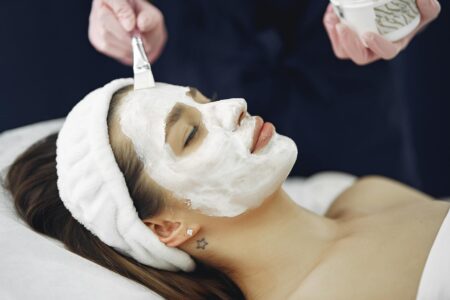





Red and blue lights pulse across her face in the dermatologist’s office, a scene that looks more like a sci-fi movie than a medical treatment. Yet this LED light therapy has become one of the most requested acne treatments among teens and adults seeking clearer skin without harsh chemicals or antibiotics.
Dermatologists report a 300% increase in LED light therapy requests over the past three years, driven by social media visibility and clinical results that speak for themselves. The treatment uses specific wavelengths of light to target acne-causing bacteria while reducing inflammation, offering hope for patients who haven’t responded well to traditional topical treatments.
“We’re seeing patients who’ve tried everything – benzoyl peroxide, salicylic acid, prescription retinoids – finally getting clear skin with LED therapy,” says Dr. Rachel Kim, a board-certified dermatologist in Beverly Hills. “The technology has advanced significantly, and we now understand exactly which light wavelengths work best for different types of acne.”
The Science Behind Light-Based Acne Treatment
LED light therapy targets acne through two primary mechanisms that work at the cellular level. Blue light, typically at 415 nanometers, penetrates the skin and activates compounds called porphyrins inside acne bacteria. When these compounds absorb blue light energy, they produce oxygen molecules that destroy the bacteria from within.
Red light therapy, operating at 633 nanometers, works differently by reducing inflammation and promoting healing. This wavelength penetrates deeper into the skin tissue, stimulating cellular repair processes and reducing the redness associated with inflammatory acne lesions.
Clinical studies published in the Journal of Clinical and Aesthetic Dermatology show that combination blue and red light therapy can reduce acne lesions by up to 77% after 12 weeks of treatment. The dual-wavelength approach addresses both the bacterial component of acne and the inflammatory response that creates painful, persistent breakouts.
Unlike topical treatments that can cause dryness and irritation, LED therapy works without disrupting the skin barrier. Patients report no downtime, making it particularly appealing for those with sensitive skin or busy schedules who can’t afford the adjustment period that comes with prescription treatments.
Professional vs At-Home LED Devices
The professional LED panels used in dermatology offices deliver significantly higher light intensity than consumer devices available for home use. Professional treatments typically use panels with hundreds of individual LED bulbs, providing consistent light distribution across the entire treatment area.
Dr. Maria Santos, a dermatologist practicing in Miami, explains the difference: “Professional devices can deliver therapeutic doses of light in 10-15 minutes, while at-home devices might require 30-45 minutes for similar results due to lower power output. We also combine LED therapy with other treatments like chemical peels or extractions for enhanced results.”
At-home LED devices have flooded the market, ranging from handheld wands to full-face masks. While these devices use the same light wavelengths as professional treatments, their lower intensity means longer treatment times and potentially less dramatic results. Consumer devices are FDA-cleared for safety but may take 8-12 weeks to show visible improvement.
The convenience factor drives many patients to invest in at-home devices for maintenance between professional sessions. Dermatologists often recommend this hybrid approach – intensive professional treatments initially, followed by at-home maintenance to sustain results.
Treatment Protocols and Patient Selection
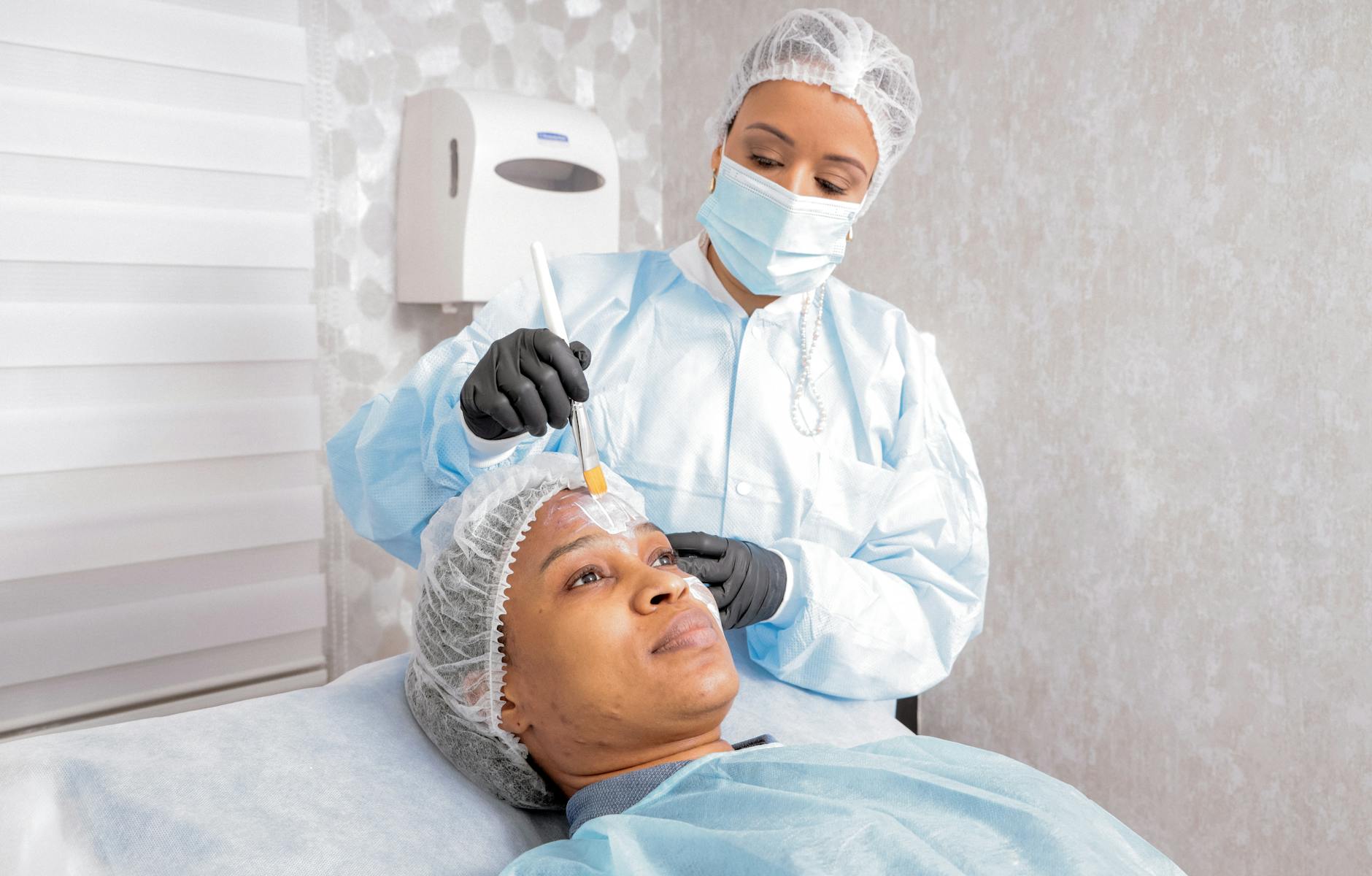
Most dermatologists recommend LED light therapy for mild to moderate inflammatory acne, particularly for patients who want to avoid oral antibiotics or have experienced side effects from topical treatments. The therapy works best on active breakouts rather than scarring or hyperpigmentation, though red light can help fade post-inflammatory marks over time.
Treatment protocols typically involve twice-weekly sessions for the first month, then weekly maintenance treatments. Each session lasts 10-20 minutes, with patients simply relaxing while the LED panel delivers targeted light wavelengths to their skin.
Patient selection is crucial for optimal results. Those with darker skin tones require careful assessment, as some wavelengths may cause hyperpigmentation in highly melanated skin. Pregnant women are typically advised to avoid LED therapy as a precaution, though no specific risks have been documented.
Dermatologists often combine LED therapy with other acne treatments for comprehensive results. This might include gentle chemical peels, comedone extraction, or prescription topicals applied after LED sessions when the skin is primed for better absorption.
The treatment works particularly well for hormonal acne in adult women, who often prefer non-medication approaches. Many dermatologists report success combining LED therapy with peptide serums for enhanced skin repair and anti-aging benefits.
Cost Considerations and Insurance Coverage
Professional LED light therapy sessions typically cost between $75-150 per session, depending on geographic location and clinic type. Most patients require 8-12 initial sessions, making the total investment substantial compared to over-the-counter treatments.
Insurance coverage for LED therapy remains limited, with most plans considering it cosmetic rather than medically necessary. Some dermatologists offer package deals or payment plans to make treatment more accessible, especially for younger patients dealing with persistent acne that affects their confidence and social interactions.
The long-term cost-effectiveness appeals to many patients when compared to ongoing prescription medications or frequent dermatologist visits for traditional acne management. Once clear skin is achieved, maintenance sessions every 2-4 weeks can help sustain results.
At-home LED devices require a higher upfront investment, typically ranging from $100-400, but offer unlimited treatments once purchased. Quality varies significantly among consumer devices, making professional guidance valuable when selecting home-use options.

Future Developments in Light-Based Acne Treatment
Research continues into optimizing LED therapy protocols and developing new wavelengths for enhanced results. Scientists are investigating near-infrared light for deeper penetration and combination therapies that address multiple aspects of acne formation simultaneously.
Personalized light therapy protocols based on individual skin analysis and acne patterns represent the next frontier in dermatological care. Advanced imaging technology can map bacterial density and inflammation levels, allowing dermatologists to customize wavelengths and treatment intensity for each patient.
The integration of LED therapy with other innovative treatments, such as gua sha tools for lymphatic drainage and targeted serums, creates comprehensive treatment protocols that address acne from multiple angles.
As LED technology becomes more sophisticated and accessible, dermatologists predict it will become a standard component of acne treatment protocols within the next five years. The combination of proven efficacy, minimal side effects, and patient satisfaction makes LED light therapy a valuable tool in the modern dermatologist’s arsenal for achieving clearer, healthier skin.
Frequently Asked Questions
How does LED light therapy treat acne?
Blue light kills acne bacteria while red light reduces inflammation and promotes healing in the skin.
How long does LED light therapy take to work for acne?
Most patients see improvement after 4-6 weeks with twice-weekly treatments, with optimal results at 12 weeks.