




Copenhagen’s Ferry Runways Redefine Fashion Show Venues
Copenhagen Fashion Week has taken to the water in an unprecedented move that’s capturing global attention. Danish designers are transforming active ferry routes into floating runways, using the city’s extensive harbor ferry system as their stage. This innovative approach combines sustainability messaging with spectacle, as models walk between ferry stops while commuters and tourists become unexpected front-row audiences.
The concept emerged during Copenhagen Fashion Week’s ongoing commitment to carbon neutrality by 2023. Rather than constructing temporary venues that require significant resources, brands like Ganni, Henrik Vibskov, and Baum und Pferdgarten have partnered with Mols-Linien and other ferry operators to stage shows aboard working vessels. The result transforms daily transit into high fashion theater.
The Technical Challenge of Floating Fashion
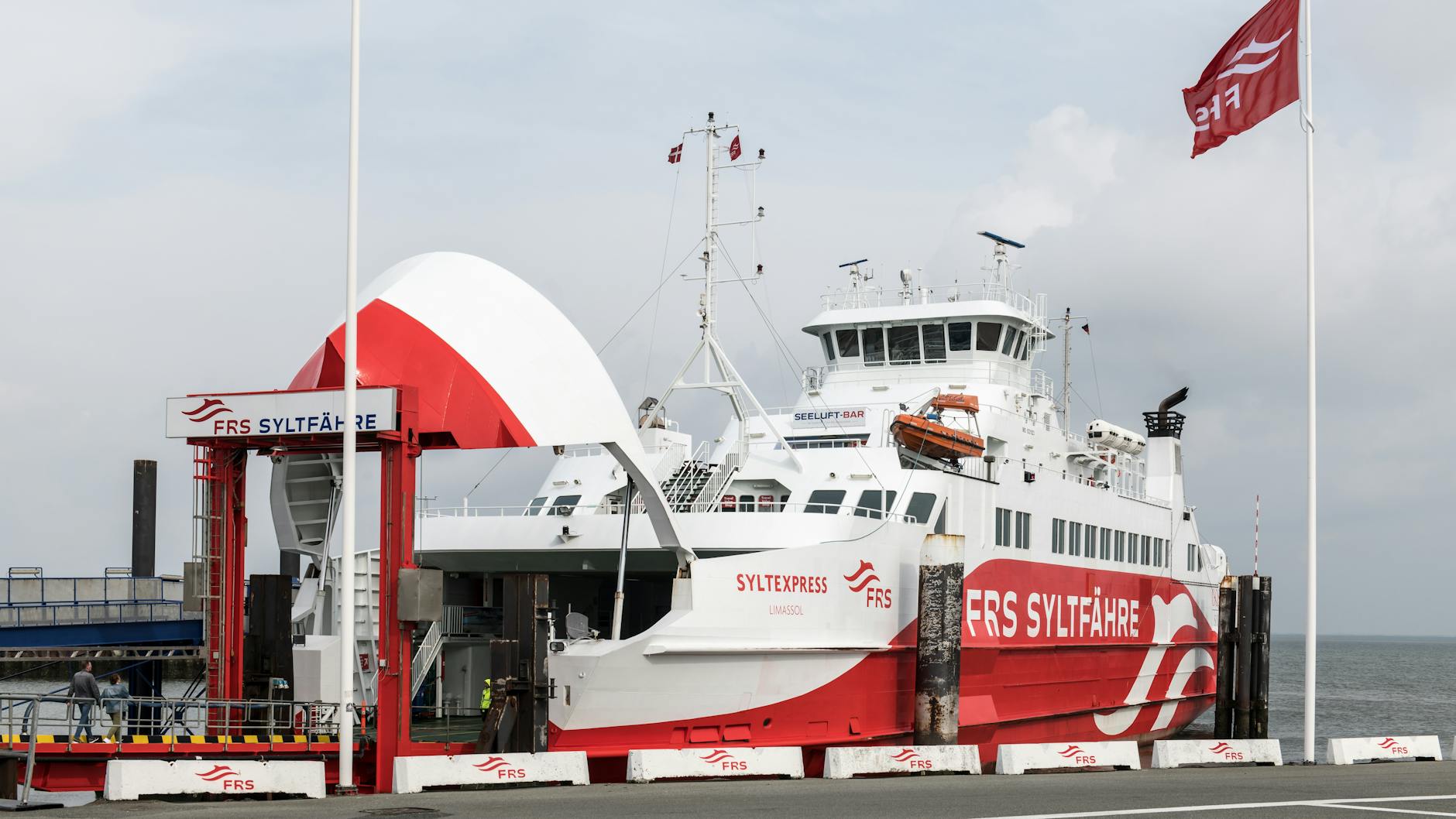
Staging a runway show on an active ferry presents unique logistical hurdles that Copenhagen designers have turned into creative opportunities. The narrow corridors and passenger seating areas of ferries like those operating between Copenhagen’s Inner Harbor and Refshaleoen require completely reimagined show formats.
Designer Henrik Vibskov, known for theatrical presentations, created a promenade-style show where models moved through ferry decks as passengers remained seated. “The ferry’s movement becomes part of the choreography,” Vibskov explained to Danish fashion press. “Models must adapt their walk to the vessel’s rhythm, creating something genuinely unrepeatable.”
Sound systems face particular challenges with wind, engine noise, and the need to maintain safety announcements. Several brands have opted for silent shows, using only natural harbor sounds and the ferry’s ambient audio. Lighting designers work with existing ferry illumination, enhanced by portable LED systems that don’t interfere with navigation equipment.
The timing constraints of actual ferry schedules mean shows typically run 12-15 minutes maximum – the duration between major stops. This compressed format has pushed designers toward more focused collections, often highlighting 15-20 looks rather than traditional 40-piece presentations.
Audience Engagement Beyond Fashion Insiders
The ferry show format has democratized Copenhagen Fashion Week in ways organizers never anticipated. Regular commuters, families with children, and tourists become accidental fashion week attendees, creating authentic reactions that contrast sharply with traditional industry-only audiences.
Local resident Maria Hansen, commuting from Islands Brygge to the city center, found herself witnessing a Baum und Pferdgarten presentation featuring sustainable knitwear. “I was reading my phone when suddenly there were models in incredible coats walking past my seat,” she told Danish newspaper Berlingske. “It felt like fashion was actually part of the city, not separate from it.”
This accessibility aligns with Copenhagen’s broader cultural approach, similar to how fashion weeks are moving to historic train stations in other cities. The democratization of high fashion through public transportation creates genuine community engagement rather than exclusivity.
Ferry operators report increased ridership during fashion week, with some tourists specifically timing their harbor tours to coincide with scheduled shows. Mols-Linien has created special “Fashion Ferry” designations for vessels hosting shows, though regular service continues uninterrupted.
Environmental Impact and Sustainable Messaging
The ferry runway concept directly addresses fashion’s environmental concerns by eliminating venue construction waste and reducing transportation needs. Unlike traditional shows requiring guests to travel across the city, ferry shows pick up audiences at multiple stops along existing routes.
Copenhagen Fashion Week’s sustainability requirements mandate carbon-neutral presentations, pushing brands toward innovative solutions. Ferry shows produce approximately 60% less carbon emissions than comparable traditional venues, according to preliminary studies by the Copenhagen Fashion Institute.
The harbor setting amplifies sustainable fashion narratives, with several designers using the marine environment to highlight ocean-friendly materials and circular design principles. Ganni’s recent ferry presentation featured exclusively recycled polyester pieces made from ocean plastic, creating thematic coherence between message and venue.
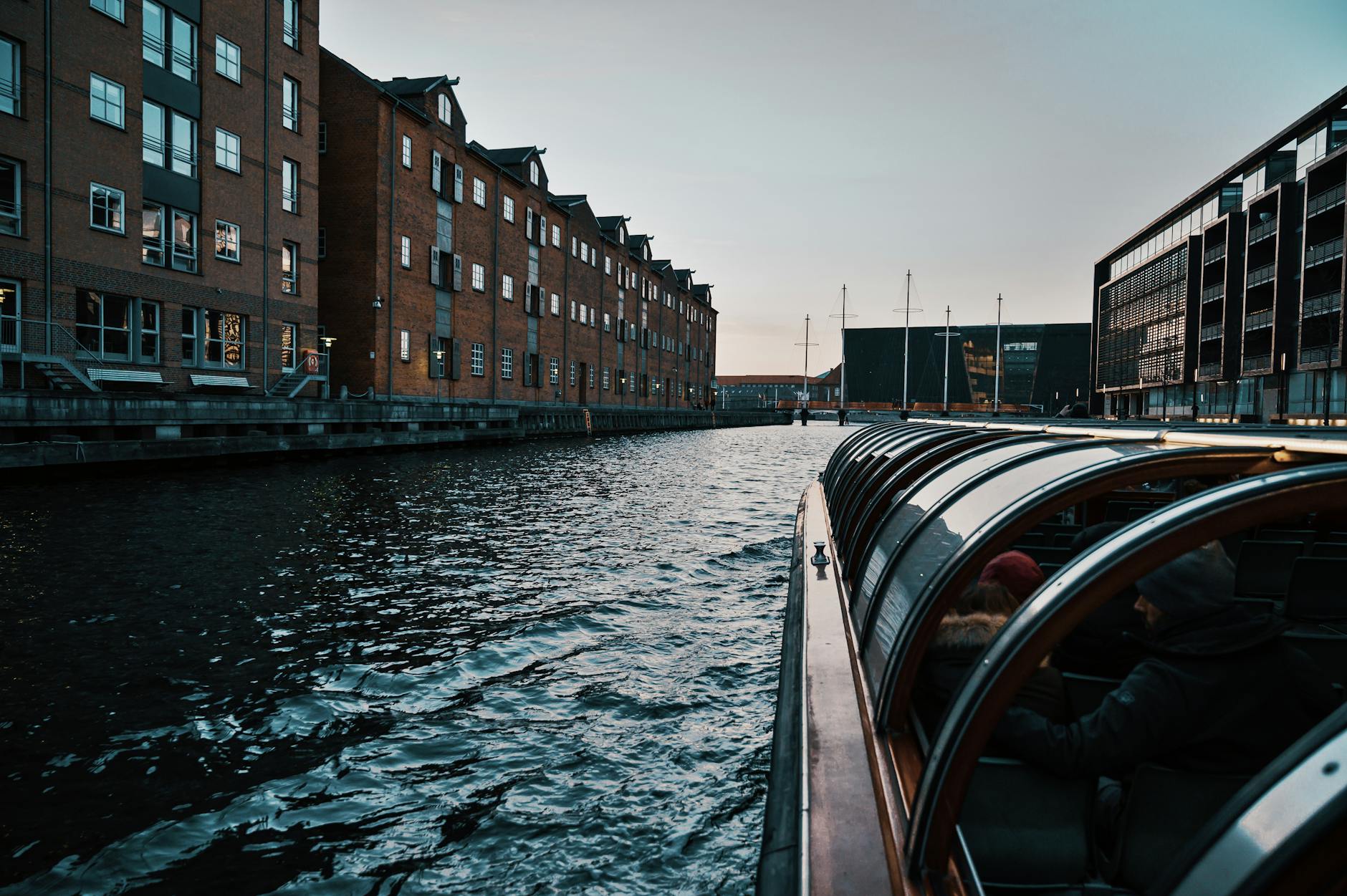
Water-adjacent shows also allow for dramatic staging impossible in traditional venues. Models have walked onto ferry decks from smaller boats, created formations on multiple vessel levels, and used Copenhagen’s historic harbor architecture as backdrop. These elements enhance storytelling while maintaining environmental consciousness.
Global Influence and Future Applications
Copenhagen’s ferry runway innovation is inspiring fashion weeks worldwide to reconsider venue possibilities. Stockholm Fashion Week has announced plans to use archipelago ferries for spring presentations, while Hamburg designers are exploring Elbe River boat shows.
The model particularly appeals to coastal fashion weeks seeking distinctive identity. Venice Biennale fashion presentations have historically used water taxis, but Copenhagen’s integration of working transit systems offers a scalable template for other cities with active ferry networks.
Industry logistics companies are developing specialized equipment for marine fashion shows, including modular runway systems that adapt to different vessel types and weather protection for sound and lighting equipment. This emerging infrastructure suggests ferry runways may become permanent fixtures rather than experimental concepts.
The success of Copenhagen’s water-based shows parallels other unconventional venue trends, from dawn beach runway shows at Miami Fashion Week to industrial spaces repurposed for haute couture. These developments reflect fashion’s broader shift toward experiential presentations that prioritize authentic environment over controlled staging.
Copenhagen Fashion Week’s ferry experiment represents more than venue innovation – it signals fashion’s evolution toward genuine community integration and environmental responsibility. As brands worldwide seek authentic sustainability messaging and meaningful audience engagement, Copenhagen’s floating runways offer a template that’s both visually striking and practically sound.
The spring 2024 season will test whether ferry shows remain novelty or become permanent fixtures. Early booking indicators suggest several major Scandinavian brands are planning return engagements, while international designers are requesting Copenhagen harbor dates for their own presentations.
Frequently Asked Questions
How long do Copenhagen ferry runway shows last?
Ferry shows typically run 12-15 minutes maximum, matching the duration between major ferry stops along the routes.
Can regular ferry passengers attend these fashion shows?
Yes, commuters and tourists using regular ferry services become accidental audiences, democratizing access to Copenhagen Fashion Week presentations.