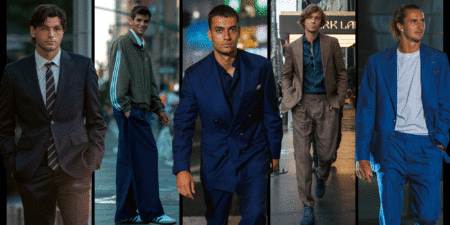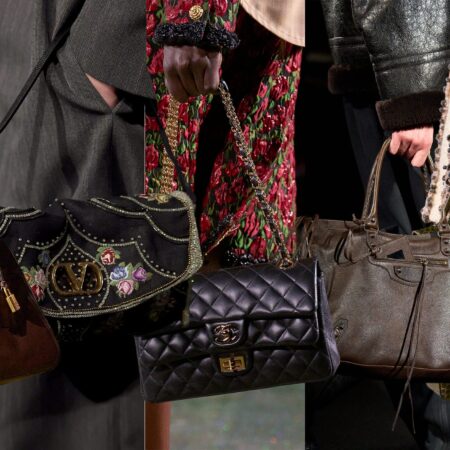





The Goldman Sachs analyst stepped into the elevator wearing a $800 cashmere hoodie from Brunello Cucinelli, and nobody batted an eye. In fact, three other bankers on the ride up were sporting similar luxury leisurewear. What would have been unthinkable on Wall Street just five years ago has become the new uniform of success.
The traditional navy suit and silk tie combination that once defined investment banking culture is giving way to an unexpected wardrobe revolution. Cashmere hoodies – once relegated to Silicon Valley tech bros and weekend wear – have infiltrated the most conservative corners of finance, becoming an unlikely status symbol among the industry’s power players.
This shift represents more than just changing fashion preferences. It signals a fundamental transformation in how financial professionals view success, comfort, and workplace identity in a post-pandemic world where the lines between formal and casual continue to blur.

The Pandemic Effect on Banking Dress Codes
The work-from-home mandates of 2020 and 2021 fundamentally altered how investment bankers approached their wardrobes. For the first time in decades, analysts and associates discovered the luxury of comfort during those endless Zoom calls with clients who could only see from the chest up.
When banks began calling employees back to the office, something had shifted. The rigid dress code enforcement that once characterized institutions like JPMorgan Chase and Morgan Stanley began to relax. Casual Fridays expanded into flexible dress policies, and suddenly, the door opened for experimentation.
“The pandemic taught us that productivity doesn’t require a three-piece suit,” says a managing director at a major investment firm who requested anonymity. “When our most successful deals were closed over video calls with people in their home offices, it became harder to justify the old restrictions.”
The luxury cashmere hoodie emerged as the perfect compromise – expensive enough to signal success, sophisticated enough to maintain professionalism, yet comfortable enough to wear through 16-hour workdays. Brands like Loro Piana, The Row, and Brunello Cucinelli began seeing increased demand from finance professionals seeking elevated casual wear.
The Psychology of Expensive Comfort
Investment bankers have always been driven by status signaling, but the markers of success are evolving. Where once a Hermès tie or Rolex Submariner communicated wealth and achievement, today’s finance professionals are choosing subtler displays of affluence.
A $1,200 cashmere hoodie from Loro Piana communicates several messages simultaneously: financial success (the price point), sophistication (the quality and craftsmanship), and confidence (the willingness to dress down in a traditionally formal environment). It’s a power move disguised as casualness.
“There’s something subversive about wearing what essentially amounts to sweatshirt material that costs more than most people’s monthly rent,” explains fashion psychologist Dr. Jennifer Baumgartner. “It shows you’re so successful that you don’t need to prove it through traditional means.”
The trend also reflects generational changes within banking. Millennials and Gen Z professionals, who now make up a significant portion of the workforce, grew up in an era where tech founders became billionaires while wearing hoodies. For them, the garment carries associations with innovation and disruption rather than laziness or unprofessionalism.
The Brands Banking on Luxury Leisurewear
Italian luxury house Brunello Cucinelli has seen remarkable growth in their cashmere knitwear division, with hoodies becoming one of their fastest-growing categories. Their minimal designs and impeccable construction have made them favorites among finance professionals who appreciate quality without obvious branding.
Loro Piana, known for producing some of the world’s finest cashmere, has similarly capitalized on this trend. Their hoodies, which can retail for over $2,000, represent the absolute pinnacle of casual luxury. The brand’s reputation for using only the finest Mongolian cashmere appeals to bankers accustomed to the best of everything.
American brands haven’t been left behind. The Row, founded by Mary-Kate and Ashley Olsen, has become cult favorite among finance professionals for their minimalist aesthetic and exceptional quality. Their cashmere hoodies embody the kind of understated luxury that appeals to those who prefer their status symbols subtle but unmistakable.
Even traditional menswear brands like Tom Ford and Ermenegildo Zegna have expanded their casual offerings to include luxury hoodies, recognizing the shift in professional dress codes across industries.
This evolution mirrors broader changes in workplace attire, similar to how turtlenecks became the new power suit for female CEOs, showing how traditional business wear continues to evolve across industries.
The New Rules of Finance Fashion
The adoption of cashmere hoodies in investment banking hasn’t happened in a vacuum. It’s part of a broader relaxation of dress codes across professional services, accelerated by the need to compete for talent with tech companies that have always embraced casual dress.
Major banks have been quietly updating their dress code policies. Goldman Sachs officially relaxed their dress code in 2019, moving to “flexible dress code” that allows for more casual attire when appropriate. Other major institutions have followed suit, recognizing that rigid dress codes can be barriers to attracting younger talent.
However, the rules around luxury leisurewear in banking are nuanced. A $50 hoodie from a department store won’t have the same reception as one from Brunello Cucinelli. The fabric quality, construction, and subtle design details matter immensely. The goal is to look expensive while appearing effortless.
Context remains crucial. While a cashmere hoodie might be acceptable for internal meetings or casual client interactions, traditional formal wear still dominates during earnings calls, board presentations, and formal client pitches. The art lies in knowing when each approach is appropriate.

The cashmere hoodie revolution in investment banking represents more than a simple dress code evolution – it signals a fundamental shift in how the industry views itself and its culture. As banks continue competing for talent with tech companies and adapt to changing generational preferences, expect to see even more creative interpretations of professional dress.
This trend will likely expand beyond cashmere hoodies to include other luxury casual wear items, from premium joggers to elevated sneakers. The key will continue to be maintaining the balance between comfort and status signaling that makes these garments so appealing to finance professionals.
As one senior banker noted, “When you can afford a $2,000 sweatshirt, you’ve probably earned the right to wear it to work.” In an industry built on displays of success, the luxury hoodie may be the most honest status symbol yet – expensive, comfortable, and unapologetically confident.
Frequently Asked Questions
Why are investment bankers wearing hoodies to work?
Post-pandemic dress code relaxation combined with luxury brands creating sophisticated casual wear has made expensive hoodies acceptable professional attire.
How much do these luxury hoodies cost?
Designer cashmere hoodies from brands like Brunello Cucinelli and Loro Piana typically range from $800 to $2,000 or more.