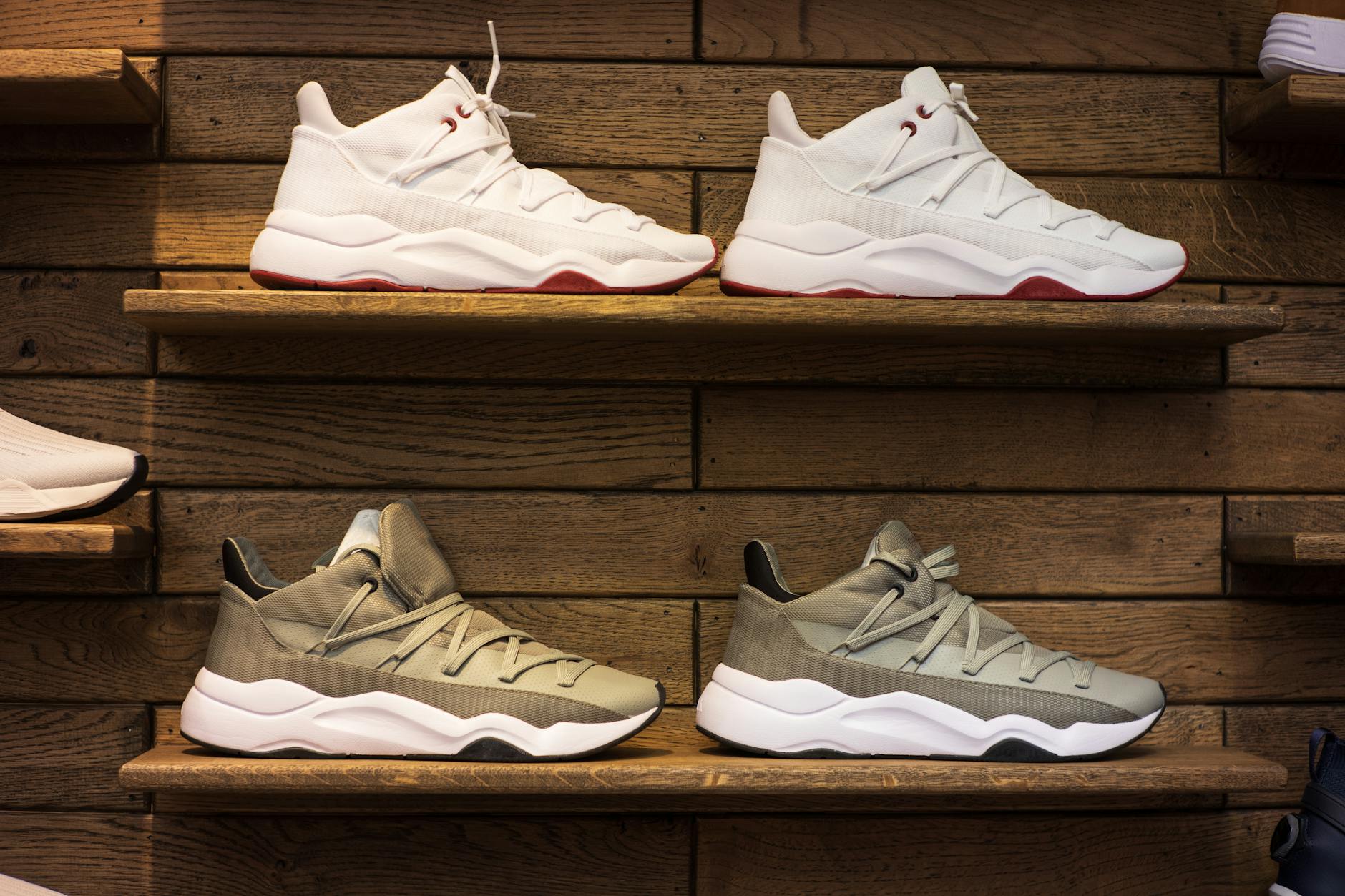





Ground Up International has moved beyond its traditional licensing approach, signing direct partnerships with workwear giant Dickies and contemporary fashion brand Scotch & Soda to develop their footwear lines.

Breaking From The Licensing Model
The footwear company’s new agreements mark a departure from Ground Up’s established business structure. Rather than operating through licensing arrangements, the firm now works directly with brands to create and distribute their shoe collections. This shift changes how Ground Up generates revenue and manages brand relationships.
Dickies brings decades of workwear heritage to the partnership. The brand has built its reputation on durable clothing for industrial workers, contractors, and blue-collar professionals since 1922. Ground Up will now translate that rugged aesthetic and functional requirements into footwear that meets the same standards.
Scotch & Soda offers a different challenge entirely. The Dutch brand targets fashion-conscious consumers with its contemporary European styling and premium positioning. Ground Up must navigate the brand’s sophisticated design language while maintaining commercial viability across different price points.
Both partnerships require Ground Up to understand distinct consumer bases. Dickies customers prioritize durability, comfort during long work shifts, and value for money. Scotch & Soda buyers seek style differentiation, quality materials, and fashion-forward silhouettes that align with current trends.
Direct Brand Collaboration Strategy
Working directly with brands gives Ground Up more control over product development timelines and market positioning. The company can now influence everything from initial design concepts to final retail presentation, rather than operating within the constraints of licensing agreements that typically limit creative input and profit margins.
This approach also allows for faster response to market changes. When consumer preferences shift or new trends emerge, Ground Up can adjust production schedules and design directions without navigating complex approval processes with licensing partners. The streamlined communication benefits both speed-to-market and quality control.
Revenue structure changes significantly under direct partnerships compared to licensing fees. Ground Up now assumes greater financial risk but gains access to higher profit potential. The company invests more heavily in development costs, manufacturing, and inventory management while capturing more of the final sale price.
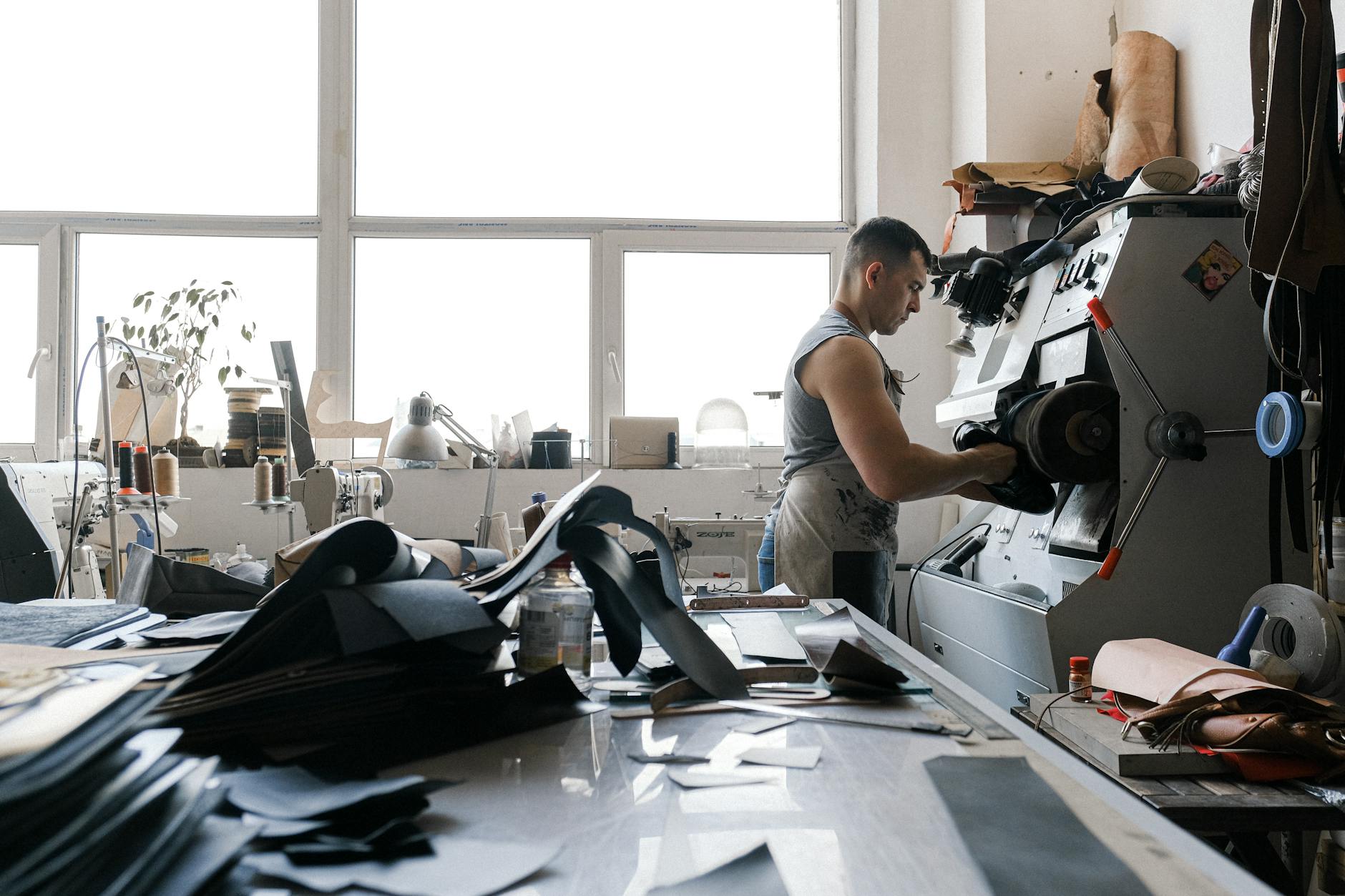
Manufacturing relationships become more important under this model. Ground Up must secure reliable production capacity that can handle different volume requirements and quality specifications for each brand partner. Dickies likely demands higher production volumes at competitive price points, while Scotch & Soda may require smaller runs with premium materials and construction techniques.
Distribution networks also require different approaches for each brand. Dickies shoes need placement in workwear retailers, uniform suppliers, and industrial safety equipment stores. Scotch & Soda footwear fits better in contemporary fashion boutiques, department stores, and the brand’s own retail locations across Europe and North America.
Market Positioning Challenges
Ground Up faces the challenge of maintaining brand authenticity while expanding into footwear categories. Dickies customers expect the same reliability they find in the brand’s coveralls and work shirts. Any quality issues or design missteps could damage the parent brand’s reputation in its core workwear market.
The timing of these partnerships comes as both workwear and contemporary fashion segments experience significant changes. Remote work trends have blurred the lines between professional and casual footwear, while supply chain disruptions continue affecting material costs and delivery schedules. How will Ground Up navigate these market conditions while building two very different shoe businesses simultaneously?