





A Revival Nobody Asked For – or Did They?
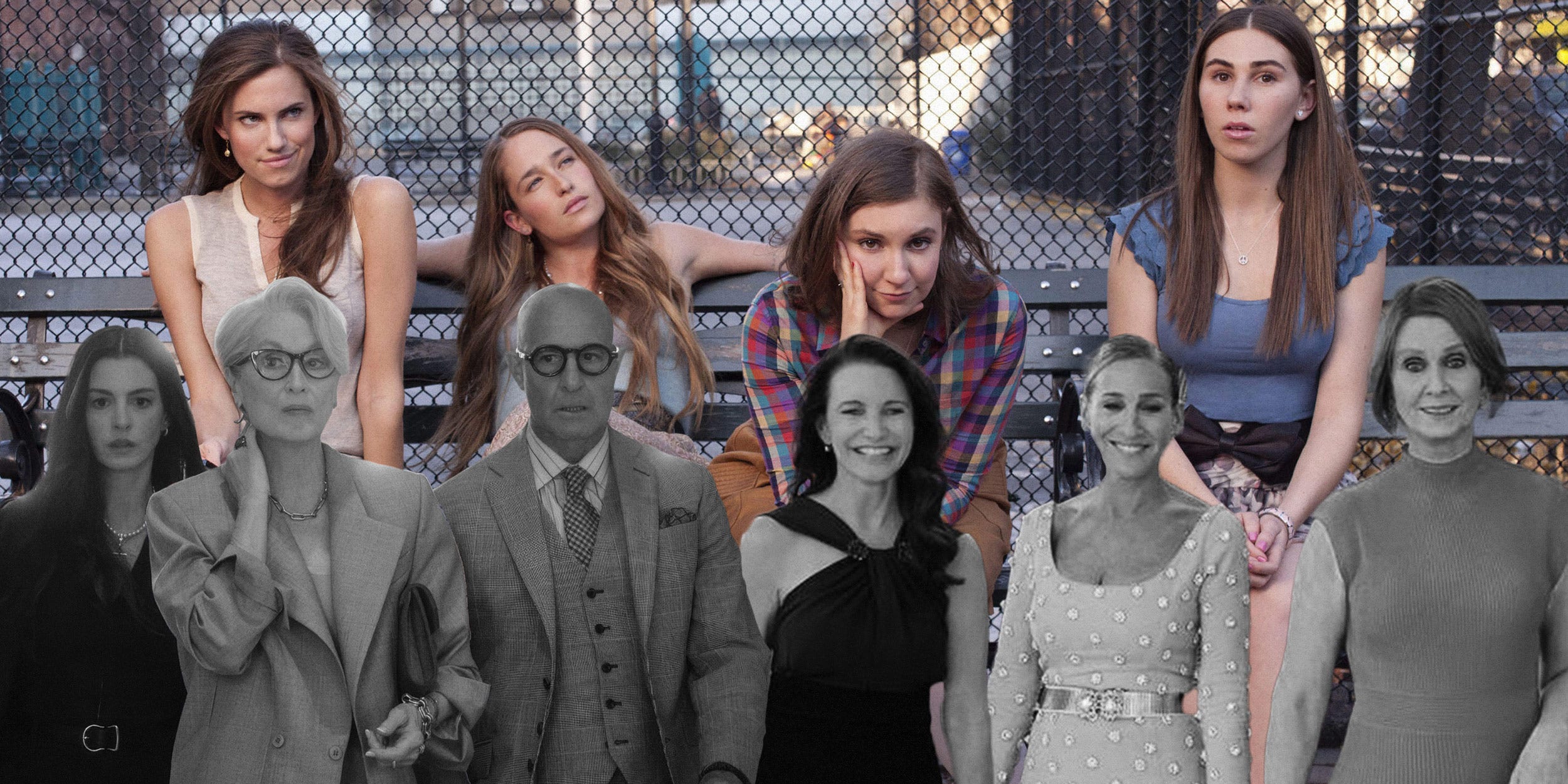
When news broke that Girls was getting a revival, the internet did not erupt in celebration. It exhaled, cautiously, like someone opening a package they didn’t order and aren’t sure they want to keep. Fans who spent years dissecting Hannah Horvath’s spiral through Brooklyn, Marnie’s controlled unraveling, and Shoshanna’s accidental wisdom met the announcement with something closer to wariness than excitement.
That wariness is not specific to Girls. It is the ambient condition of consuming culture in an era where almost nothing stays finished. Every canceled show is a potential comeback. Every beloved character is eligible for resurrection. The audience has been trained to expect the return – and also to dread it.
What Reboots Have Done to Our Expectations
The pattern is familiar enough to feel almost physiological at this point. A show ends, sometimes well, sometimes badly, sometimes mid-sentence. Years pass. The cultural conversation keeps the property alive – through memes, through rewatches, through the kind of parasocial grief that attaches itself to fictional people as readily as to real ones. Then comes the announcement. The revival. The reboot. The continuation. And with it, an immediate split between the fraction of the audience that cheers and the larger, quieter group that starts calculating what there is to lose.
What there is to lose, specifically, is the ending. Or the memory of the show at its best. Or the particular feeling of a cultural moment that belonged to a specific time – the mid-2010s aesthetic of Girls, its downtown-New York specificity, its willingness to be unlikeable before unlikeability was fully fashionable. A revival does not just add new episodes. It goes back and touches the original, leaves fingerprints on it, changes what it means to have watched the whole thing the first time around.
This is why the trepidation is rational, not cynical. Audiences have been burned. Not once or twice, but consistently enough that caution has become the default response to good news about a property they care about. The burn is not always catastrophic – sometimes a revival is merely unnecessary, a shrug where there used to be a statement. But unnecessary has its own kind of damage. It dilutes.
The Fashion of Nostalgia
There is a useful parallel in fashion, where revival culture operates by nearly identical logic. A house relaunches an archive silhouette. A defunct label gets acquired and reissued. A decade’s aesthetic gets compressed into a trend cycle and sent down a runway thirty years after the original moment. Sometimes the result is genuinely interesting – the context has changed, the conversation has shifted, and the old thing says something new inside the new frame. More often, the revival flattens what made the original matter. It turns specificity into reference. It takes something that was alive and makes it decorative.
The rare exceptions – like what Debbie Allen and Felicia Pride did rebuilding A Different World for a new generation – work because they treat the source material as a foundation rather than a shrine. They don’t attempt to replicate the original feeling. They ask what the original was actually doing, strip it to that function, and rebuild around it. That requires the people involved to resist the nostalgia they’re packaging and sell something forward-facing instead. Most reboots don’t manage it. The nostalgia wins.
Why Girls, Specifically, Makes People Nervous
Girls ended in 2017 after six seasons. The finale was divisive in the way that honest endings often are – it didn’t deliver comfort, it delivered consequence. Hannah moved upstate. The friendships fractured in ways that felt true rather than tidy. The show’s refusal to redeem its characters cleanly was, for many viewers, exactly what made it worth watching in the first place. A revival reopens all of that. It implies there was more story to tell, which implies the ending wasn’t the ending, which is a strange thing to do to a show whose entire argument was about the difficulty of becoming a finished person.
The anxiety is also specific to the cultural window Girls occupied. It arrived in 2012 at a particular intersection of millennial identity, New York mythology, and a specific mode of autofiction that felt new at the time. Lena Dunham’s willingness to center the flawed, self-absorbed, economically precarious experience of young women in a prestige TV context was genuinely unusual then. The conversation around it – often combative, frequently uncomfortable, occasionally illuminating – was part of the experience of watching it. That conversation cannot be reconstructed. The cultural moment is gone. What a revival produces will exist in 2025, not 2012, and the gap between those two years is not a backdrop. It is the entire problem.
None of that means the revival will fail. It is possible to make something worthwhile from material that feels exhausted, to find an angle that justifies the return, to surprise an audience that has armored itself against disappointment. The people involved are capable of it. The question is whether the project is structured to allow for that kind of risk, or whether it is structured – financially, contractually, institutionally – to produce something safe. Safe is what causes the damage. Safe is what burns people.
The announcement came. The trepidation followed. The audience is already doing the math on how much they’re willing to care.