




Nail salons across Instagram are documenting a quiet rebellion against the traditional French manicure. The classic white tip that defined elegance for decades now sits alongside butter yellow stripes, polka-dot inversions, and iridescent cat-eye finishes on the same appointment books.
This shift represents more than seasonal color changes.
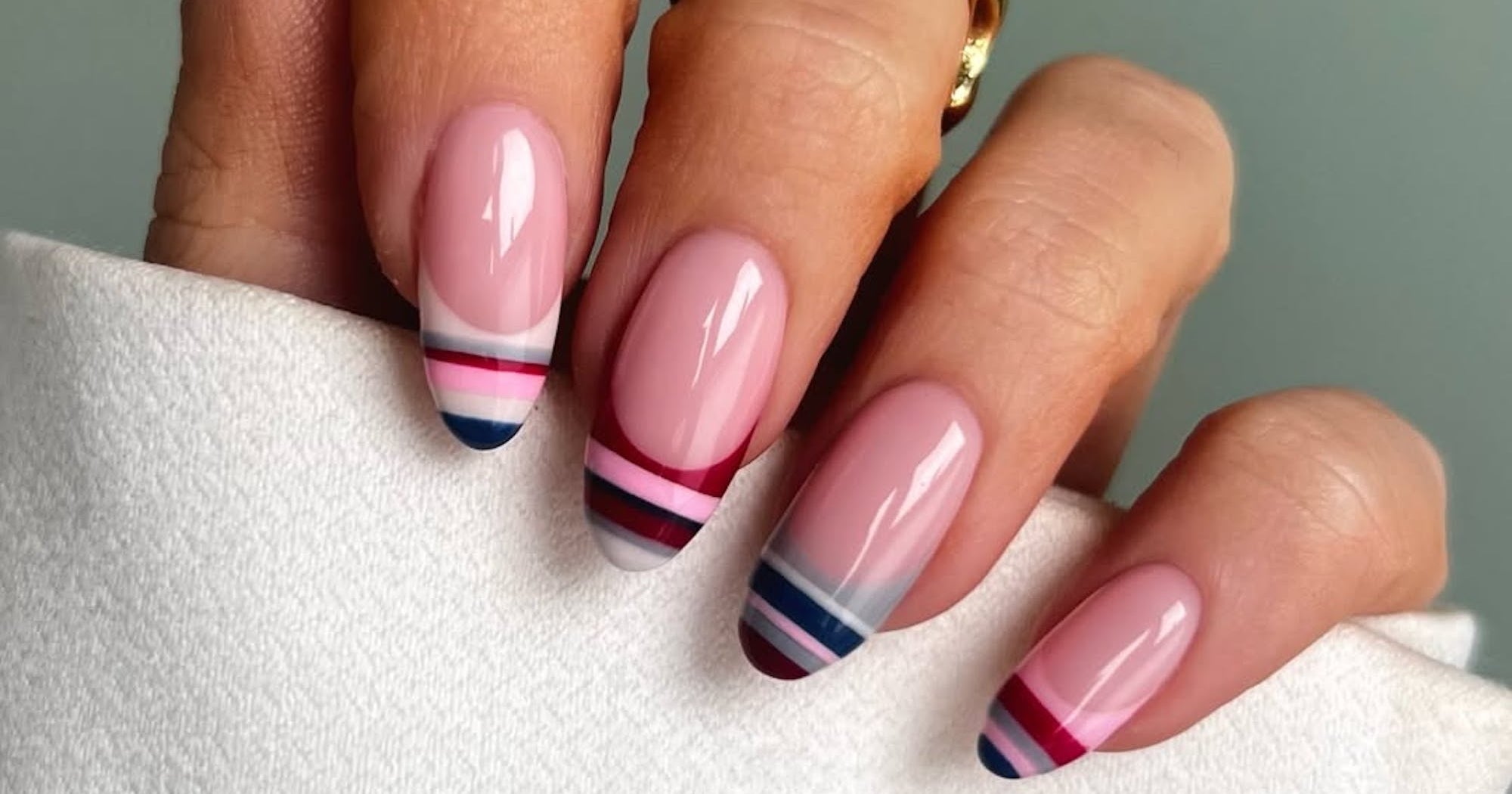
Professional nail artists report clients specifically requesting French variations over standard designs, with JC Nails London noting that micro butter French tips have become their most photographed work this spring. The requests follow a pattern where traditional nail art meets the structured elegance of French manicure placement, creating hybrids that satisfy both experimental and conservative preferences.
Color Psychology Drives the Evolution
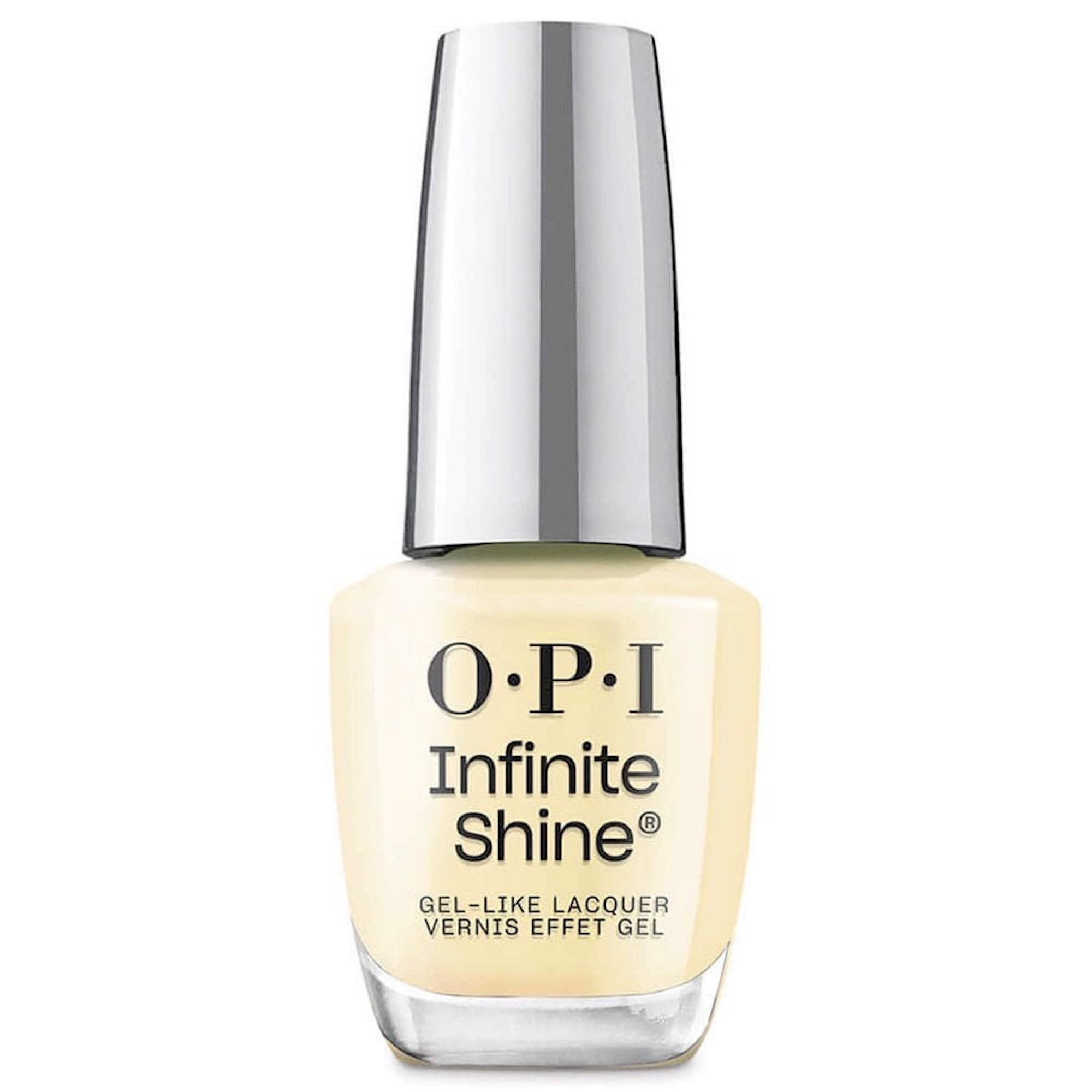
The butter yellow French tip captures attention precisely because it maintains the French manicure’s geometric precision while introducing seasonal optimism. JC Nails London applies this shade in thin lines across squoval nails, creating what they describe as “subtle nods to daffodils” without abandoning the manicure’s sophisticated structure. OPI’s Infinite Shine Long-Wear Nail Polish in This Chic is Bananas provides the muted yellow tone that avoids the harshness of brighter variations.
Cat-eye French tips take a different approach to color interaction. Emily Jones, an educator and nail artist based in Newcastle Upon Tyne, demonstrates how thick French tips in iridescent shades create light dispersion effects similar to precious stones. Her emerald-toned cat-eye French tips catch and scatter sunlight, transforming the nail surface into an active design element rather than a static color application.
The psychological appeal extends beyond aesthetics. These variations allow clients to experiment with bold concepts while maintaining the French manicure’s professional appearance, creating what nail technicians describe as “safe rebellion” in nail art choices.
Pattern Integration Challenges Traditional Boundaries
Polka-dot French manicures represent the most dramatic departure from traditional approaches. Katie Johnson’s inverted French design places red dots against pink bases, proving that pattern density can coexist with French manicure structure without creating visual chaos. The color combination of pink and red, historically considered clashing, works within the French framework because the tip placement provides visual organization.
Rachel Coast, a nail technician specializing in BIAB applications in Hertfordshire, calls her latest work “spring French” for its combination of opaque white tips against pink bases. This seemingly simple variation actually requires technical precision to maintain the French manicure’s clean lines while incorporating seasonal color psychology.
The pattern integration trend extends beyond individual creativity. Nail artists report that clients bring reference photos combining multiple French variations, requesting designs that incorporate stripe elements, bandana prints, and chrome finishes within single manicures. These requests challenge traditional application techniques while expanding the French manicure’s visual vocabulary.
Technical Innovation Meets Classic Structure
The technical requirements for these variations exceed traditional French manicure applications. Cat-eye finishes require magnetic manipulation during the curing process, while polka-dot inversions demand precision dotting tools and steady color transitions. Nail technicians must master both classic French application techniques and specialized finishing methods to meet current demand.
Chrome finishes within French tip placement create additional complications. The reflective surfaces require specific lighting conditions during application and particular base coat preparations to achieve the desired mirror effect. These technical demands have led some salons to extend appointment times for French variations compared to traditional applications.
The learning curve affects pricing structures across nail salons. French manicure variations often cost 20-30% more than traditional applications due to the additional time and specialized materials required, yet appointment books remain consistently full for these services.
Whether this represents a permanent evolution or seasonal experimentation remains unclear, but nail supply companies are already developing French-specific products for techniques that didn’t exist six months ago.