



The Price Tag Isn’t the Point
There is a specific kind of pleasure in watching someone scan your outfit approvingly and then learning the whole thing cost less than a dinner for two. Looking expensive has surprisingly little to do with spending money – it comes down to understanding which pieces belong next to each other and why. That instinct, more than any budget, separates a well-dressed person from someone who simply owns nice things.
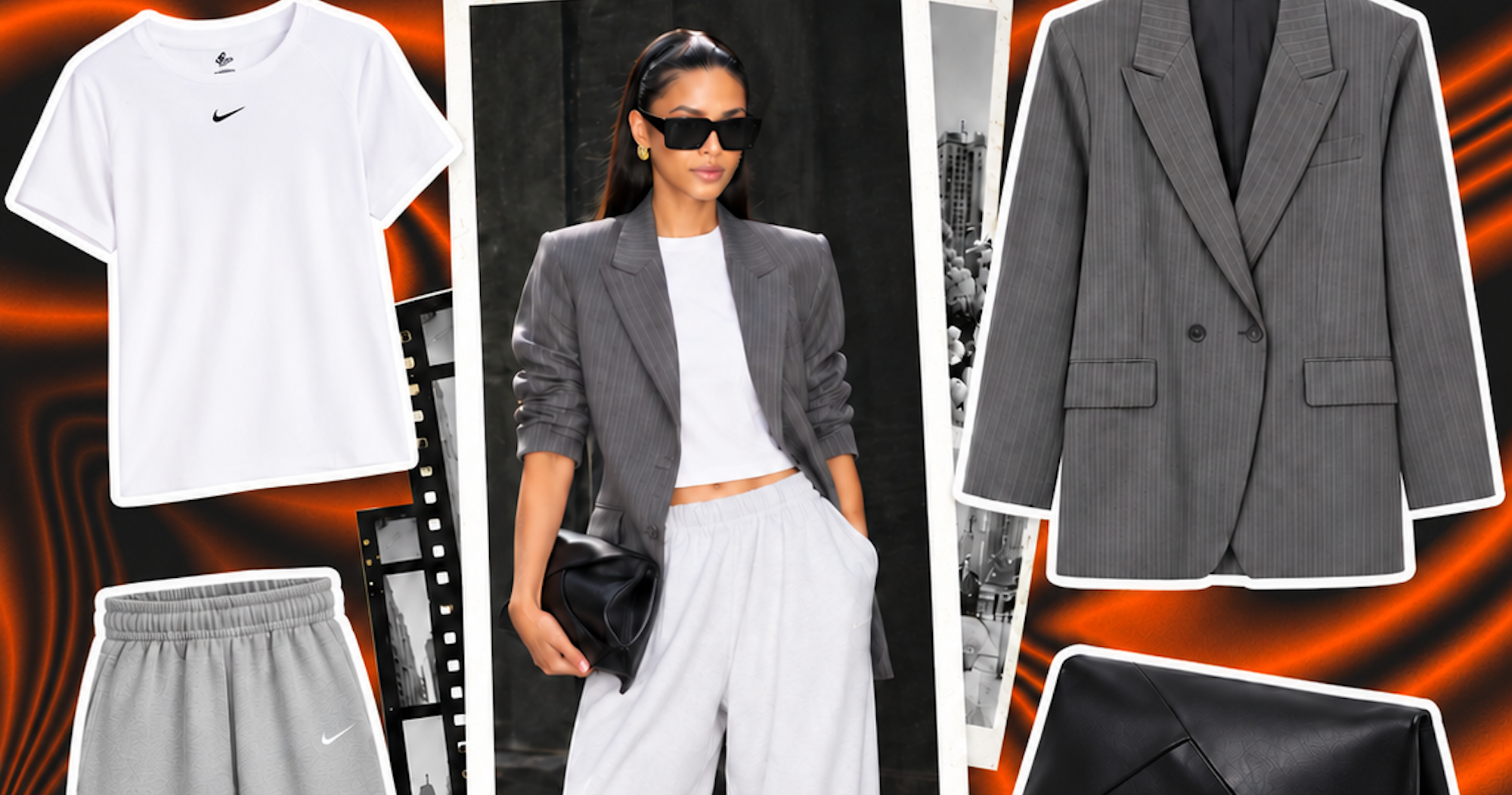
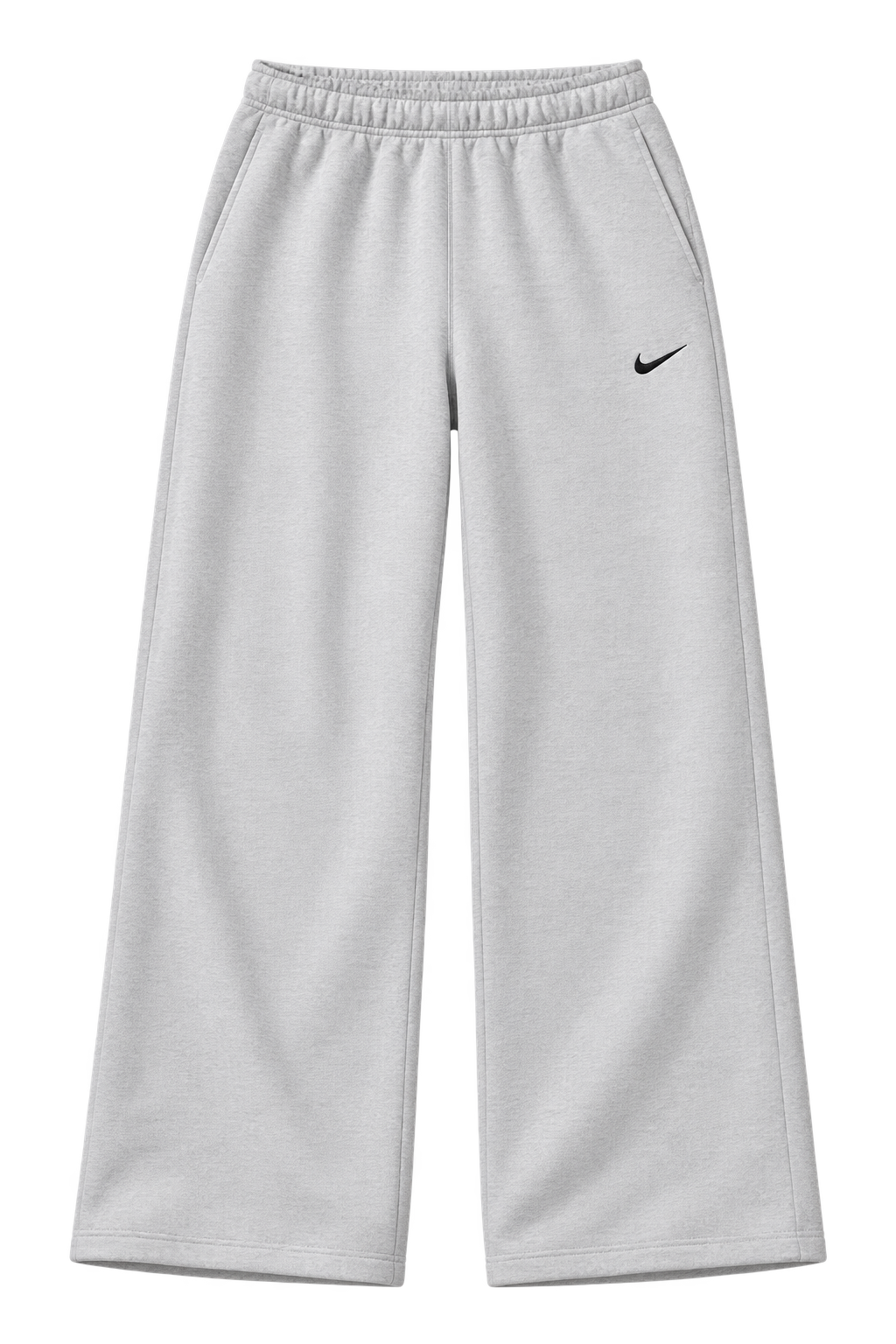
The strategy most style-conscious women already use is the high-low formula: build around uncomplicated basics – the white T-shirt, the sweatpants, the cozy hoodie – then introduce one piece that earns visual weight. A sharply tailored blazer, a leather bag, a mini skirt, or lace-up flats can shift the entire register of an outfit. Nike’s sporty staples work especially well as the base layer here, since their clean lines and relaxed proportions already function as a neutral canvas rather than a statement in themselves.
Starting With What You Already Own
Most people treat their sweats and crewnecks as what you wear before getting dressed. That framing is the problem. The same sweatpant that lives on your couch can anchor a genuinely considered outfit – it just needs a counterweight. Structure, shine, or a deliberate silhouette contrast will do it every time.
Nike’s athletic basics have something that a lot of affordable loungewear doesn’t: proportion. The cuts tend to sit right, the fabric doesn’t collapse, and the branding stays minimal enough to disappear into a look rather than define it. That’s the starting point. From there, five formulas make the work straightforward.
The Five Formulas, Broken Down
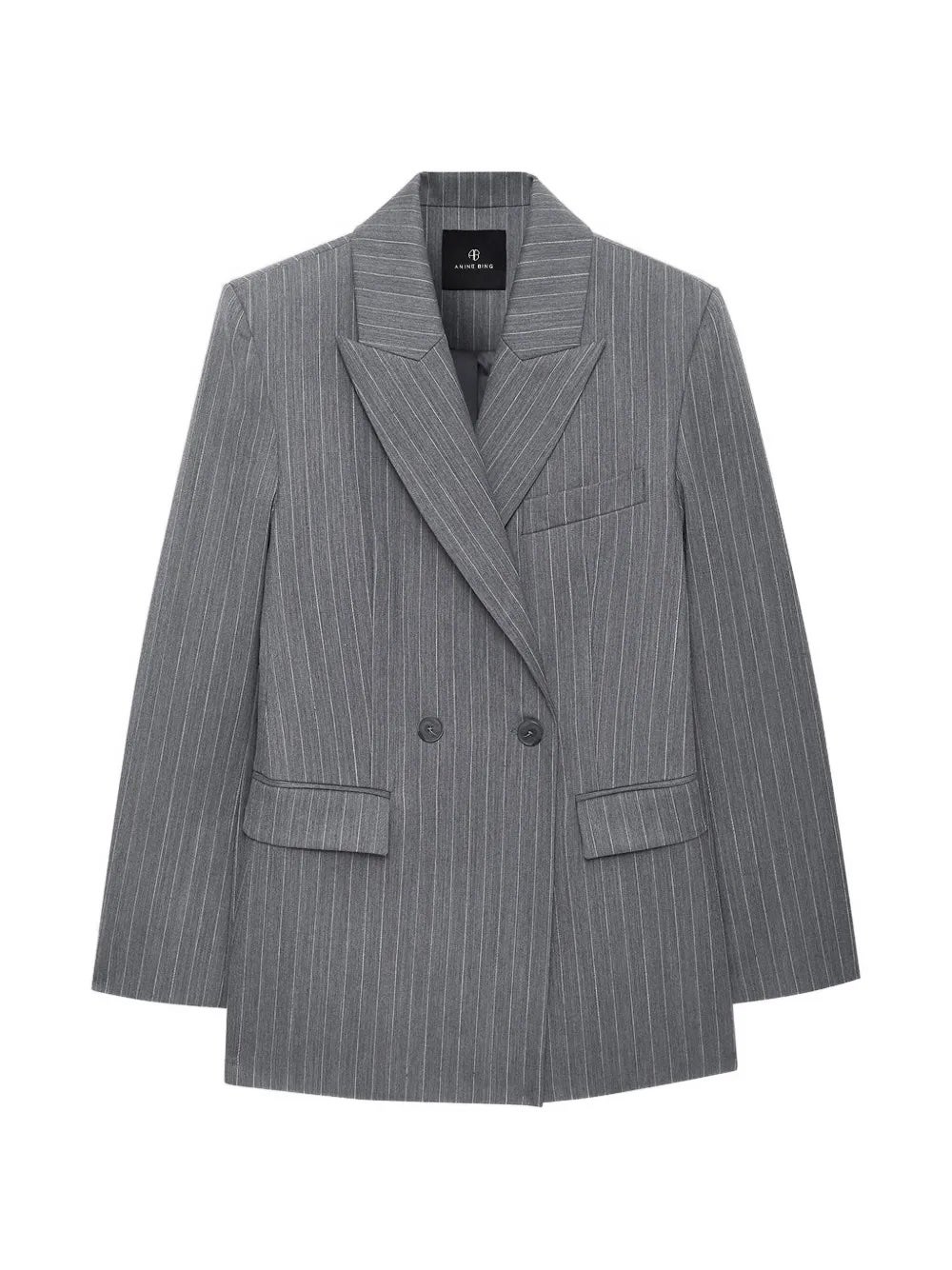
The first pairing – a fitted white tee with a boxy blazer and sweatpants – works because the blazer does the heavy lifting. It sharpens the softness of a relaxed pant, giving the combination a structure it wouldn’t otherwise have. The white tee underneath adds clean simplicity rather than visual noise. What finishes this combination matters: resist defaulting to more casual pieces. A sleek clutch, sculptural earrings, dark sunglasses, and pointed-toe mules create a contrast that reads as intentional rather than accidental. One considered accessory would be enough, but all four together make the outfit feel fully constructed.
The second formula pairs an oversized crewneck with a satin slip skirt and a leather bag. A sweatshirt and a silky midi skirt shouldn’t necessarily work together, which is precisely why they do. The slightly sporty attitude of the crewneck strips some of the preciousness out of the satin, and the satin keeps the sweatshirt from reading as underdressed. The leather bag – structured, not casual – holds the two ends of the look in place. This is one of the more counterintuitive combinations on the list, and also one of the more reliable ones.
Formula three introduces a mini skirt as the tension point against athletic basics. The logic is simple: an unexpected hemline disrupts the eye before it can register the casualness of the top half. A mini skirt paired with a hoodie or a relaxed crewneck skews deliberately playful rather than accidentally sloppy – the distinction is in the footwear and how fitted or oversized the top runs. Lace-up flats, as an example, are specific enough to read as a real choice rather than a default.
The fourth and fifth formulas follow the same underlying principle: take one piece that carries inherent formality or visual interest, and let it do the work your basics won’t. A great leather bag, a tailored blazer, a slip skirt – each of these signals effort on its own. When the rest of the outfit is relaxed and clean, the elevated piece gets more credit than it would in a fully polished look, where it might simply disappear among other deliberate choices. The basic earns its keep precisely because it doesn’t compete.
What the Formula Actually Requires
None of this demands a new wardrobe or a higher budget. The investment is in learning which items in your closet function as neutrals that can absorb a stronger piece, and which pieces are strong enough to carry the contrast on their own. Sweatpants will almost always fall into the first category. A boxy blazer will almost always fall into the second. The mistake most people make is pairing things of equal weight – all casual, or all formal – and wondering why the result feels flat.
Accessories are where the budget conversation gets interesting. A sculptural earring or a pointed-toe mule costs a fraction of what a designer bag does, but in the context of a casual base outfit, it registers just as deliberately. The eye reads the contrast, not the price. Which raises a question worth sitting with the next time you’re standing in front of your closet: if a $65 basic paired with the right blazer looks expensive, what exactly were you paying for when you bought the expensive version?
Building the Habit, Not Just the Outfit
The high-low formula isn’t a seasonal trick – it’s a dressing logic that gets easier with practice. Once you start reading your wardrobe in terms of weight and contrast rather than occasion or price, the combinations that used to look like accidents start looking like decisions. That shift in thinking is what actually changes how you dress, more than any single purchase could.
Nike’s sporty staples offer a concrete entry point because they’re already calibrated for this kind of pairing – clean enough to disappear, well-proportioned enough to hold their own. The real question is what you reach for next. A boxy blazer hanging unworn in your closet, a leather bag you’ve been saving for a nicer occasion, a slip skirt you bought on impulse and haven’t touched since – those are exactly the pieces this formula was made for. The outfit isn’t waiting on a new purchase. It’s probably already there, spread across three different sections of your wardrobe, waiting to be put in the same room.