




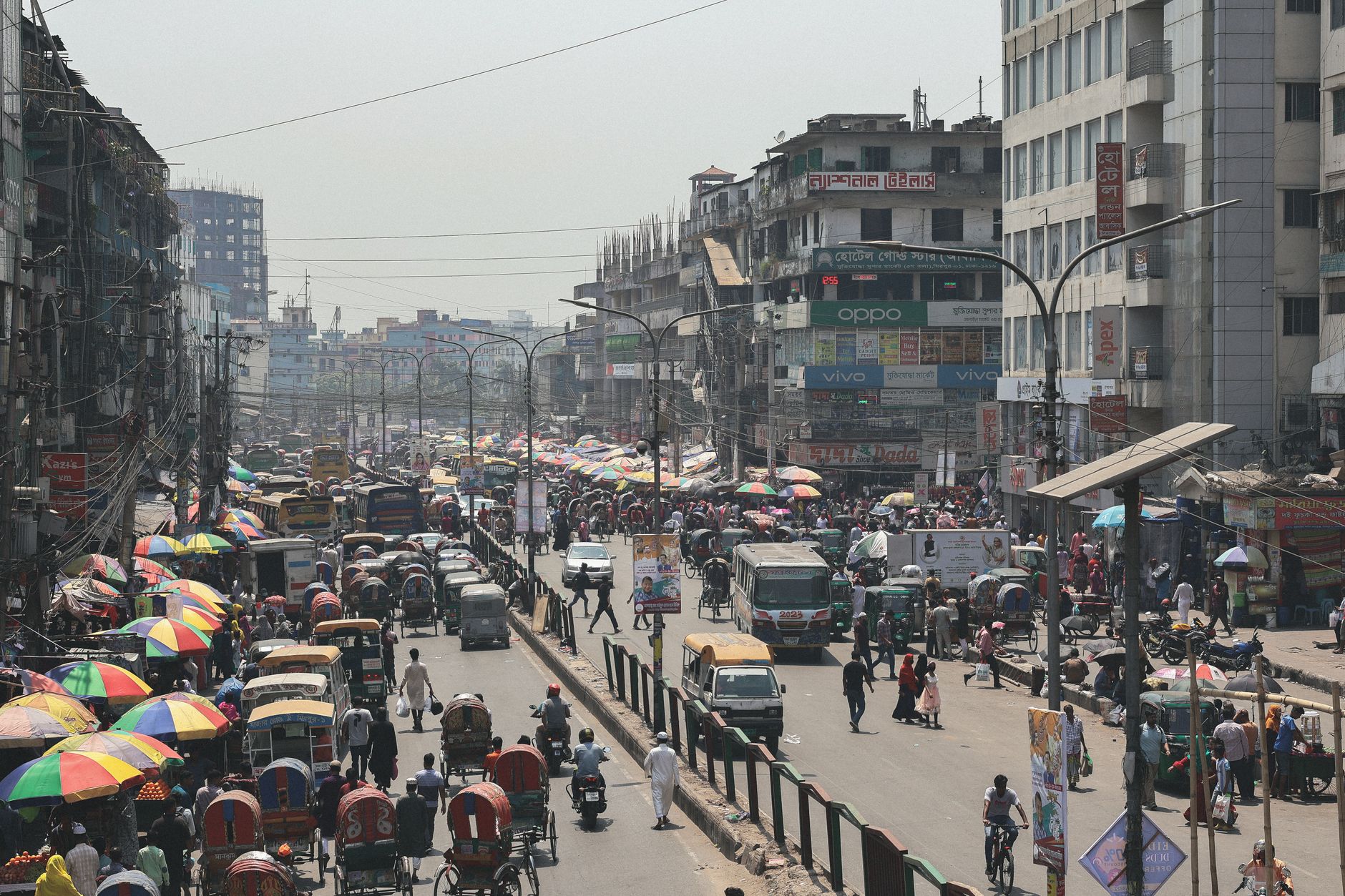
A meeting scheduled for Monday in Dhaka did not happen. The wage board session was postponed at the last minute, and across Bangladesh’s apparel sector the reaction was closer to relief than frustration.
That reaction says a lot about the mood going in. Many in the industry saw the delay as a reprieve in a situation that had turned into a tinderbox, one that threatens to ignite.
For a fashion audience watching collections go down runways, it is a useful reminder of where the clothes begin.
Why a Cancelled Meeting Counts as Good News
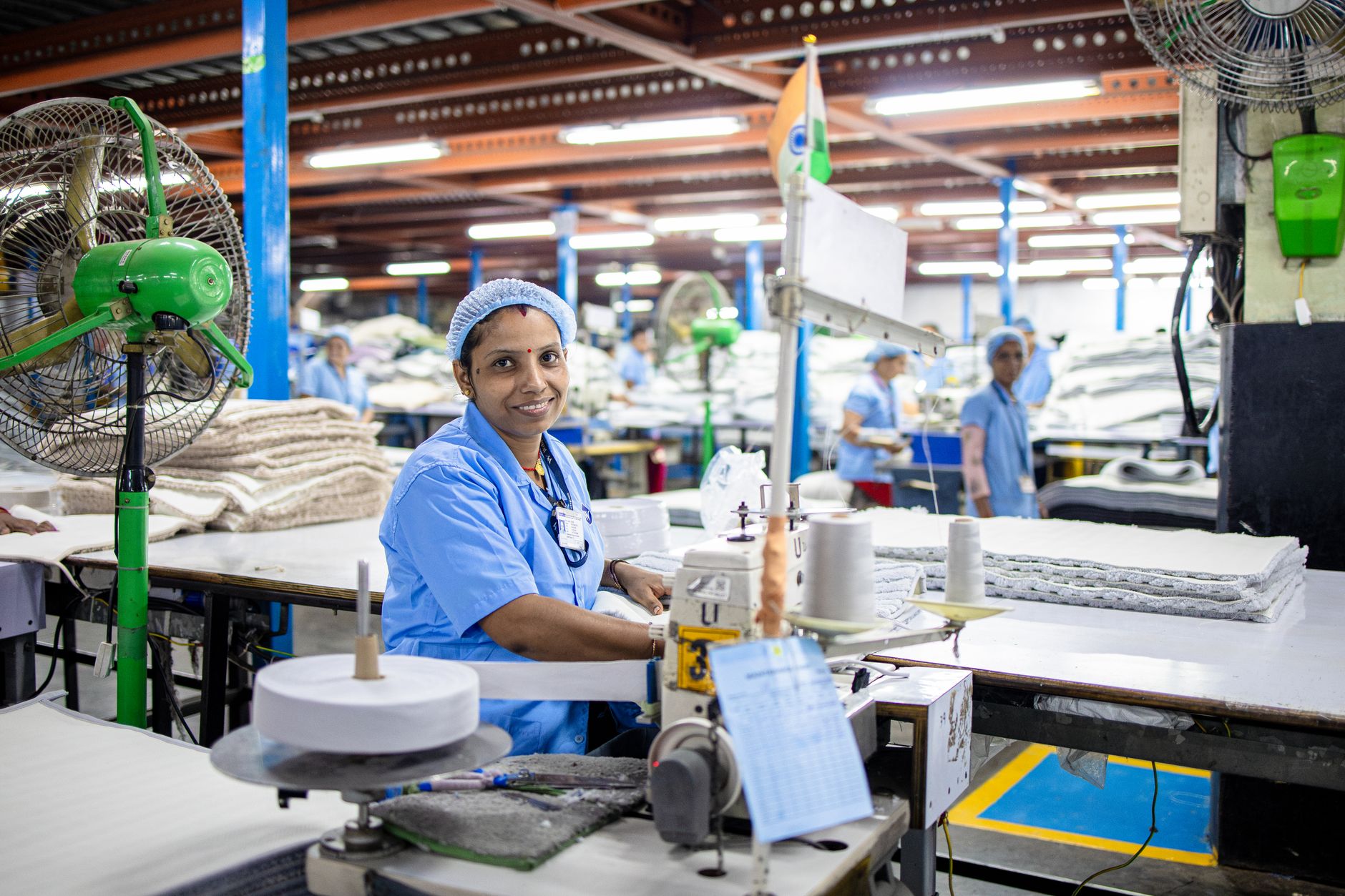
Meetings that get postponed are usually a sign of trouble. This one was welcomed because of what the room might have produced. When a wage board convenes over the pay of apparel workers, the stakes are not abstract. The outcome shapes household budgets for the people who cut, sew and finish garments, and it shapes the cost sheets of the brands that buy from them.
Tension of that kind rarely sits quietly. A meeting held while both sides are dug in can harden positions instead of softening them. Pushing it back, even by a short stretch, takes some heat out of the moment and gives everyone involved a chance to rethink what they plan to bring to the table.
The word “tinderbox” is not casual. It describes a setting where one spark is enough, and where the cause of the fire matters less than the fact that everything nearby is dry. The postponement removed a possible spark. It did nothing about the dryness.
What Sits Behind the Runway
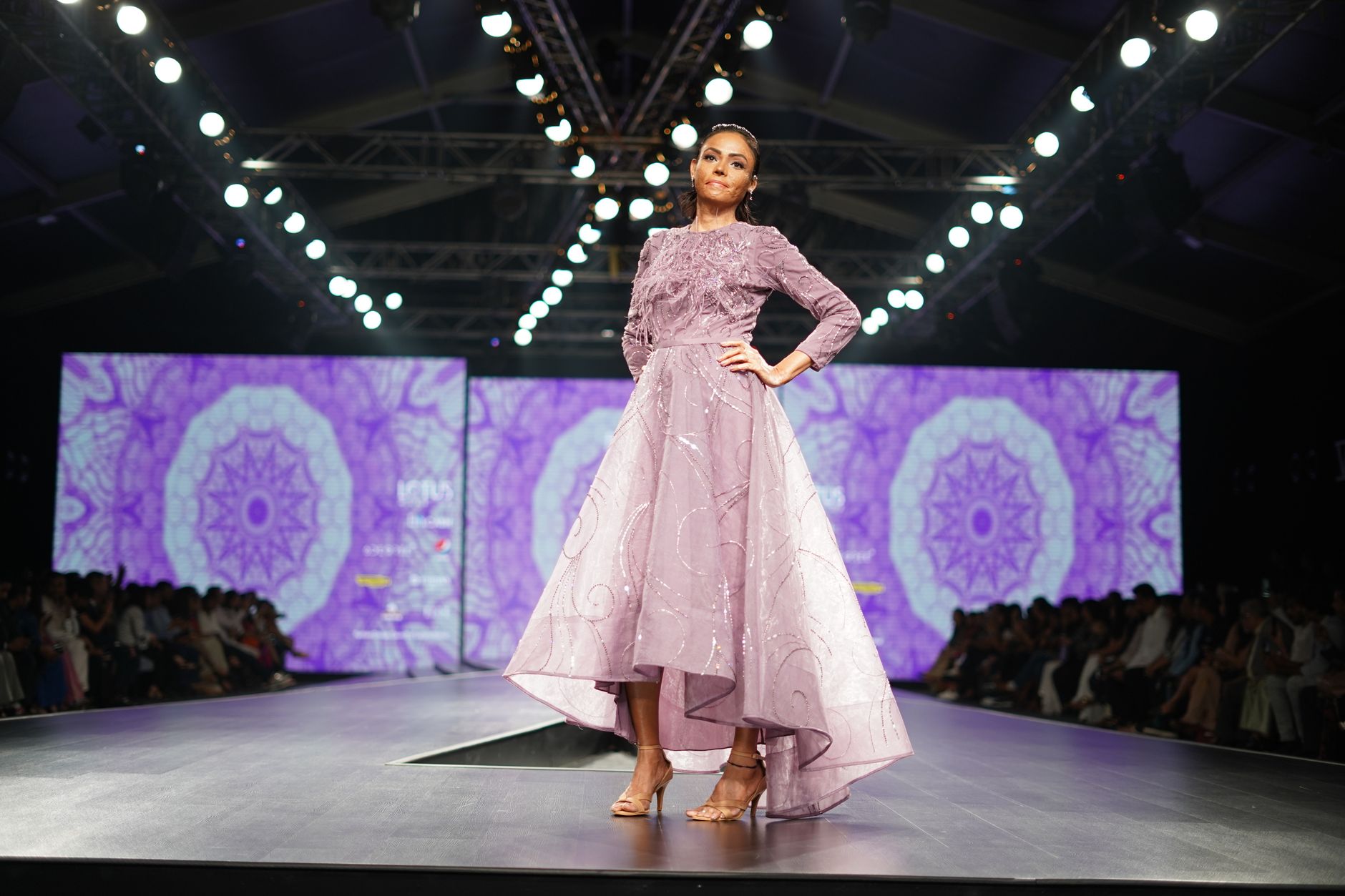
Bangladesh is one of the world’s major garment-producing countries, and the wage board process in Dhaka is one of the places where the economics of fast and not-so-fast fashion get set. Show season tends to focus on silhouettes, casting and front rows. The wage conversation is the other half of the same industry, and it plays out far from any catwalk.
That distance is exactly why it deserves attention from people who follow fashion closely. A collection is the visible end of a long chain, and wages are one of the first links. When pay talks stall or turn volatile, the effects travel up that chain to production schedules, sourcing decisions and the prices shoppers eventually see.
Delays also carry a cost of their own. Workers waiting on a decision about pay are living with uncertainty, and employers are doing the same on the planning side. A pause can calm things down, but a pause that drags on becomes its own source of strain.
A Reprieve Is Not a Resolution
The relief expressed after Monday’s postponement is real, but it is relief from a deadline, not from the underlying problem. The wage board still has to meet. The same questions that made the situation so combustible are still on the table, and whoever walks into the rescheduled session will walk into them again.
What the industry does with the extra time matters more than the delay itself. A postponement can be used to cool tempers and prepare serious proposals, or it can simply push the same confrontation to a later date with the same intensity.
Brands and retailers that source from Dhaka have an interest in which of those paths gets taken. Stable production depends on a wage process people accept as legitimate, and that is hard to achieve when talks are conducted under the threat of a blowup.
The meeting was set for Monday, and it did not take place. What happens on the day it finally does?