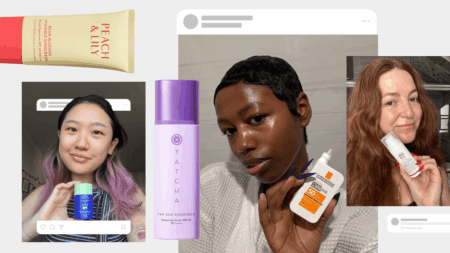





La Roche-Posay has nine sunscreens on this year’s list of dermatologist-approved picks, split between face and body. All of them offer broad-spectrum protection, meaning they filter both UVA and UVB rays, and together they cover dry, sensitive and oily skin. For a single pharmacy-aisle brand, that is a wide spread, and it says something about how people actually buy sunscreen.
Most people don’t skip sunscreen because they doubt it works. They skip it because the one they bought feels greasy, stings near the eyes, or turns a dry cheek into a flaky one. A lineup built around skin type goes after that problem, and it makes shopping less about SPF theory and more about which bottle you will actually finish.
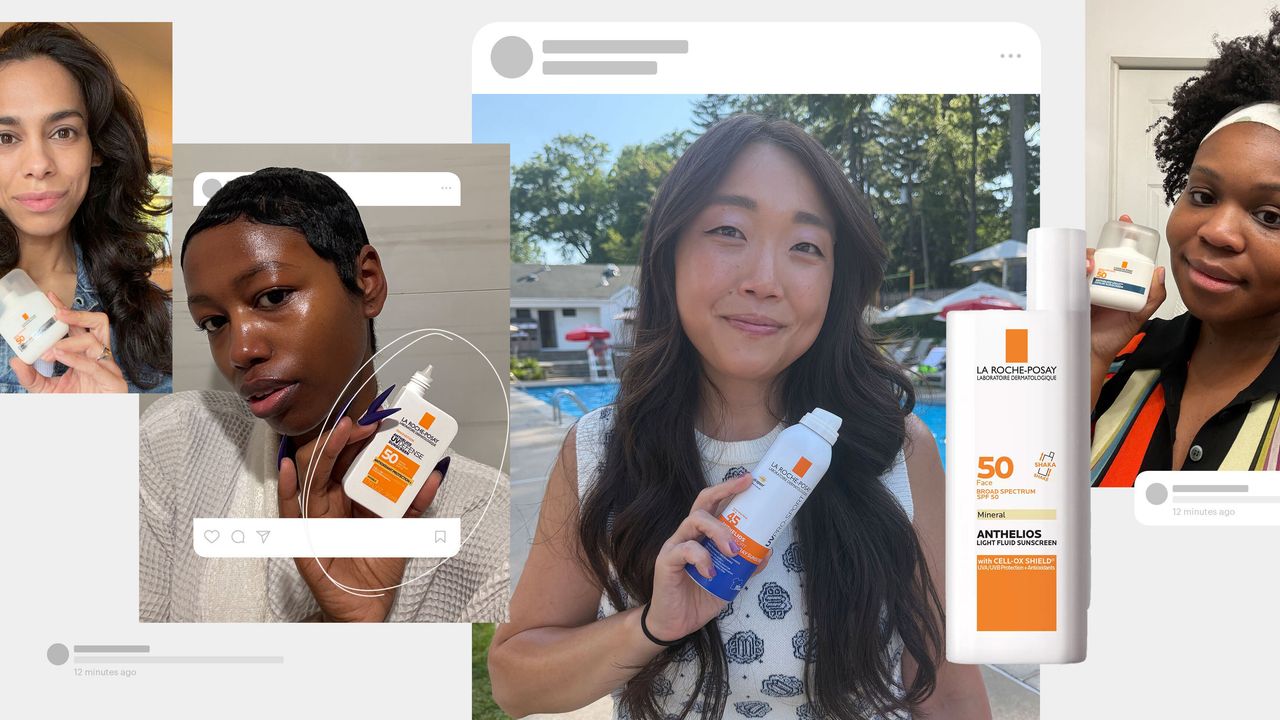
Why one brand needs nine formulas
Skin doesn’t behave the same way across a face, a back and a pair of shins. Facial skin is thinner and more reactive. It also sits under makeup, moisturizer and, for plenty of people, active ingredients that already push its limits. Body skin covers more area, takes more sun in a typical summer, and needs a product you can apply quickly and generously. A formula tuned for one job tends to be mediocre at the other.
That is the logic behind splitting the nine picks into face and body. A lightweight fluid that disappears under foundation is pleasant for a morning routine, but it is a poor fit for covering arms and legs before a beach day. The reverse is also true: a richer body lotion can feel heavy on a face that is already producing oil by noon. Treating them as separate purchases is not upselling. It matches texture to the job.
Matching the formula to your skin
Dry skin is the easiest to read. If your face feels tight by midday, a sunscreen with a creamier base does double duty, protecting and cushioning at once. The risk with a thin, alcohol-heavy product is that it strips what little moisture you have, and the skin pays for it by evening. Dry-skin picks in the lineup lean toward comfort, and they are worth wearing even under a moisturizer you already like.
Sensitive skin asks for something different: restraint. Reactive skin often rebels against fragrance, heavy preservatives and anything that stings when it migrates toward the eyes. If a sunscreen has ever left you red or itchy, the formula is the issue, not the idea of sunscreen. The brand’s sensitive-skin options exist for exactly this reason, and a patch of product on the inner forearm for a day or two is a cheap way to confirm before committing to a full face.
Oily skin has its own complaint, which is shine. Anyone with an oily T-zone knows the dread of a sunscreen that turns glossy within an hour, then slides into the corners of the eyes. Light, fast-absorbing textures are the answer here, and the oily-skin picks are built around that. Skipping sunscreen because it feels heavy is a false economy, since oily skin burns just as readily as any other kind.
Plenty of people fall between categories, with a dry cheek and an oily nose, or skin that changes with the season. In that case, choose by your most frequent complaint rather than your type on paper. If you are constantly blotting, start with the lighter formulas. If you are constantly moisturizing, start with the richer ones. Switch if the first choice doesn’t hold up for two weeks of daily wear.
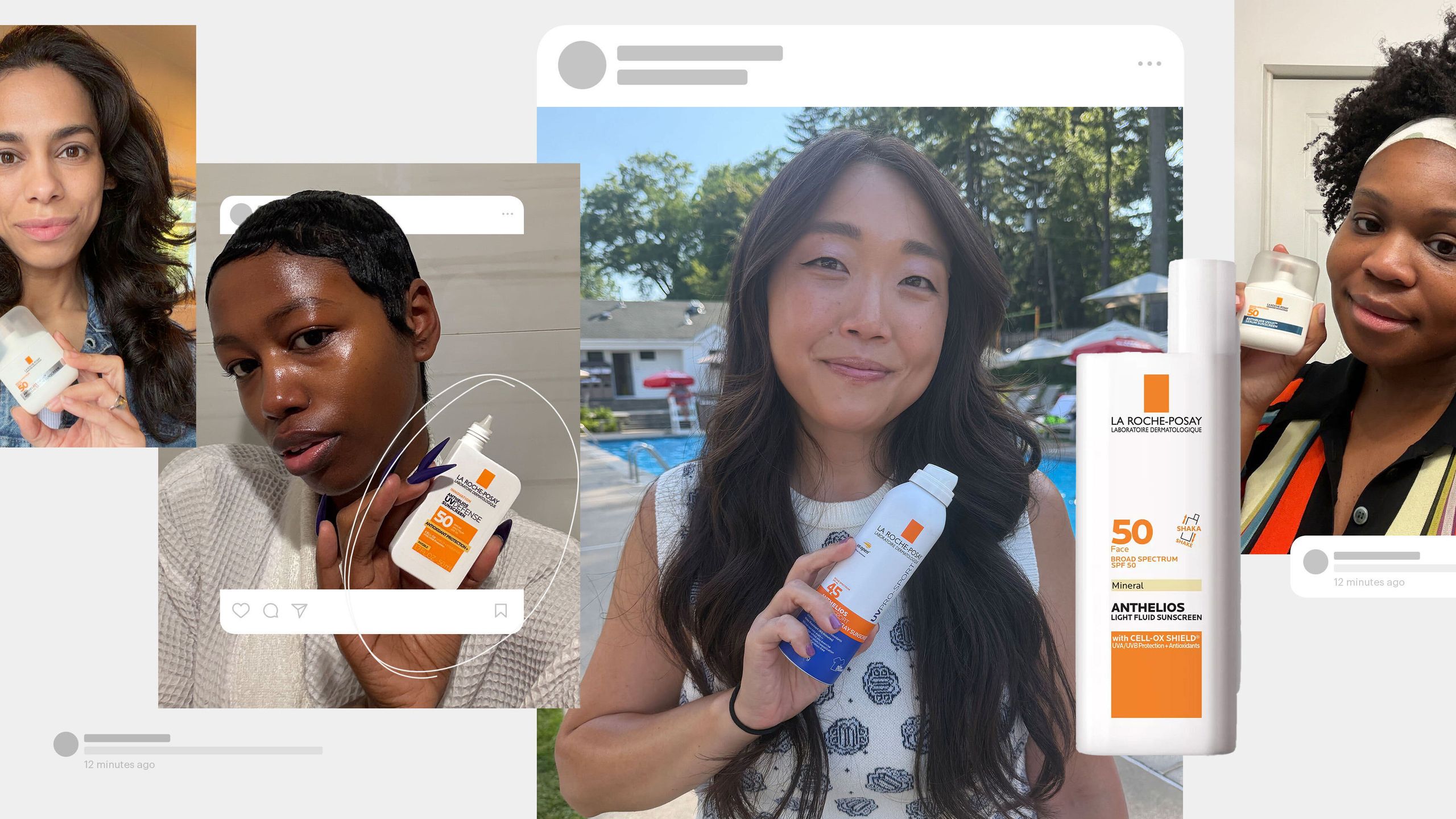
Face versus body: where the habits split
Face sunscreen is a daily product, so it has to coexist with everything else on your skin. It sits under makeup, gets touched, sweats off and gets reapplied over a finished look. That is why the texture matters more than the label. A face formula you enjoy wearing is one you will put on every morning, including the gray days when nobody feels like it.
Body sunscreen is a volume game. The coverage you get depends on how much you apply, and a pleasant, spreadable lotion makes people use more of it. A body formula that smooths on easily and doesn’t leave a tacky film is the one that gets applied to shoulders, the backs of knees and tops of feet, the spots people routinely miss.
Making any of them work
Even the best formula only protects the skin it covers. A common shortfall is quantity: a thin layer delivers far less protection than the number on the bottle suggests. For the face, a generous amount, roughly two finger lengths of product, is the usual benchmark. Apply it as the last step of skincare and before makeup, and give it a minute to settle.
Reapplication is the other half. Sunscreen wears off through sweat, rubbing and water, so a morning application will not carry you through an afternoon outdoors. Reapply about every two hours when you are in direct sun, and immediately after swimming or heavy sweating. Over makeup, a second layer is easier with a lighter texture, which is another point for matching formula to skin.
The easiest spots to forget are the ones a mirror doesn’t show: the tops of the ears, the sides of the neck, the part line in your hair, the back of the hands. Those are where sunburn shows up first, and often where it lingers longest. When you finish applying, which of those places did you actually reach?