





Copenhagen Fashion Week threw down the gauntlet this season, becoming the first major fashion week to achieve full carbon neutrality. The Danish capital’s biannual showcase transformed into a living laboratory for sustainable fashion practices, proving that high-end fashion and environmental responsibility aren’t mutually exclusive.
The initiative didn’t happen overnight. Behind the polished runways and designer gowns lies a complex web of partnerships, innovations, and calculated risks that fashion industry insiders are studying closely. From locally-sourced materials to carbon offset programs, Copenhagen’s approach offers a blueprint that other fashion capitals are watching with keen interest.

The Numbers Game: Measuring Fashion’s Footprint
Copenhagen Fashion Week’s sustainability team spent eighteen months calculating every aspect of the event’s carbon footprint. The data revealed surprising culprits: international travel accounted for 65% of total emissions, while venue operations contributed just 8%. This discovery prompted organizers to restructure their entire approach to guest lists and media invitations.
The solution involved partnering with Scandinavian Airlines to offer carbon-neutral flights for key attendees, while encouraging regional participation through enhanced digital streaming options. Local designers received priority placement in prime time slots, reducing the need for international talent to fly in for brief appearances.
Venue selection became equally strategic. Traditional fashion week locations like hotels and convention centers gave way to repurposed industrial spaces already scheduled for renovation. The iconic Carlsberg Brewery complex, which recently transitioned from beer production to cultural events, hosted several major shows. Its existing infrastructure required minimal additional construction, avoiding the waste typically associated with temporary runway installations.
Circular Fashion Takes Center Stage
The runway collections themselves reflected Copenhagen’s commitment to circularity. Ganni, one of Denmark’s most successful contemporary brands, showcased pieces created entirely from deadstock fabrics sourced within 100 kilometers of Copenhagen. Creative director Ditte Reffstrup explained that the constraint actually sparked more innovation than traditional fabric sourcing.
Rental fashion played an unprecedented role in this season’s shows. Several emerging designers partnered with rental platforms to create capsule collections that attendees could borrow rather than purchase. The model proved popular among fashion editors and influencers who wanted to wear new pieces without contributing to fast fashion cycles.
Behind the scenes, makeup artists worked exclusively with refillable cosmetics, while hair stylists used water-free dry shampoos and biodegradable hair accessories. Even the show notes were printed on seed paper that attendees could plant after the events, creating small gardens throughout Copenhagen.
The focus on local production chains created unexpected collaborations. Traditional Danish textile mills, some dormant for decades, reopened to support the sustainable fashion movement. Højer Mølle, a historic wool mill in Jutland, reported its busiest season in thirty years as designers sought locally-produced materials.

Technology Meets Tradition
Digital innovation complemented physical sustainability efforts. Copenhagen Fashion Week partnered with Danish tech companies to create virtual reality experiences that allowed remote attendees to feel present at shows. The technology reduced travel-related emissions while expanding global reach.
Blockchain technology tracked every garment’s journey from fiber to runway, creating transparent supply chains that attendees could access through QR codes. This level of transparency, while initially met with resistance from some brands concerned about revealing trade secrets, ultimately became a selling point for conscious consumers.
Local artisans played crucial roles in the week’s success. Copenhagen’s thriving community of traditional craftspeople, from leather workers to jewelry makers, collaborated with contemporary designers to create pieces that celebrated both innovation and heritage. These partnerships highlighted skills that had been overshadowed by mass production, bringing artisanal techniques back into the spotlight.
The initiative also extended to waste management. Food vendors at fashion week venues served only locally-sourced, seasonal ingredients, with all waste composted at urban farms outside Copenhagen. Even the traditional champagne receptions shifted toward Danish-produced organic wines and locally-brewed craft beverages.
Industry Response and Global Implications
The fashion industry’s response to Copenhagen’s carbon-neutral experiment has been mixed but largely positive. Major fashion magazines, initially skeptical about covering a “restricted” fashion week, found that the sustainability angle generated significant reader engagement. Vogue Scandinavia reported record digital traffic during Copenhagen Fashion Week coverage.
International designers are taking notice. Several major fashion houses have reportedly reached out to Copenhagen Fashion Week organizers for consulting on implementing similar initiatives. The success has prompted discussions about creating industry-wide standards for sustainable fashion events.
Critics point out that true sustainability requires systemic change beyond single events. Fast fashion brands continue to produce millions of garments annually, making Copenhagen’s careful carbon calculations seem like drops in an ocean of overconsumption. However, supporters argue that high-profile initiatives create momentum for broader industry transformation.
The model is already influencing other fashion capitals. While Milan Fashion Week has explored using repurposed industrial venues for environmental and creative reasons, Copenhagen’s comprehensive approach to carbon neutrality sets a new benchmark for sustainable fashion events.
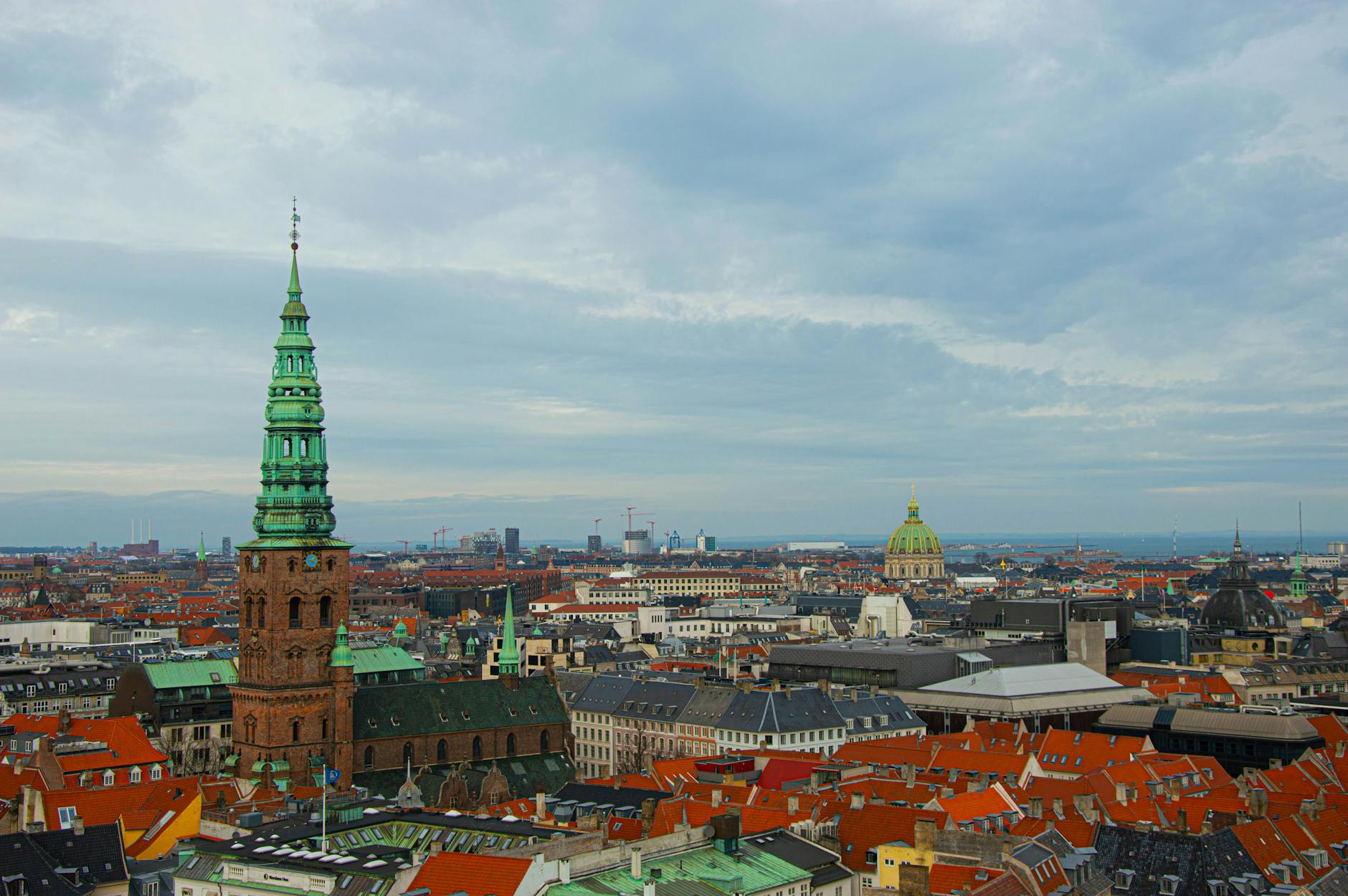
The success of Copenhagen Fashion Week’s carbon-neutral initiative proves that sustainability and style can coexist at fashion’s highest levels. As other fashion capitals grapple with increasing pressure to address environmental concerns, Copenhagen’s model offers practical solutions that maintain the glamour and excitement that make fashion weeks culturally significant. The real test will be whether this Danish experiment inspires lasting change across an industry built on constant consumption and renewal.
Frequently Asked Questions
How did Copenhagen Fashion Week achieve carbon neutrality?
Through carbon-neutral flights, local sourcing, repurposed venues, circular fashion practices, and comprehensive emissions tracking across all event activities.
What makes this different from other fashion week sustainability efforts?
Copenhagen achieved full carbon neutrality rather than just reducing emissions, using verified measurements and offsets across every aspect of the event.