




Berlin Fashion Week takes an unexpected turn underground this season, transforming Cold War-era bunkers into avant-garde runways. Designers are trading traditional venues for concrete chambers that once sheltered citizens during wartime, creating an atmosphere where fashion meets history in the most literal sense.
The unconventional approach reflects a broader shift in fashion week presentations, where cities worldwide are abandoning predictable hotel ballrooms for locations that tell deeper stories. Berlin’s bunker shows represent more than just creative staging – they’re a bold statement about fashion’s relationship with memory, trauma, and transformation.
Several established German designers and emerging labels have already committed to these underground presentations, working with event planners to address the unique challenges of staging fashion shows in spaces never intended for such spectacle. The initiative has drawn international attention from fashion editors and buyers eager to witness this fusion of historical gravitas and contemporary design.
From Shelter to Spotlight: The Venue Selection Process
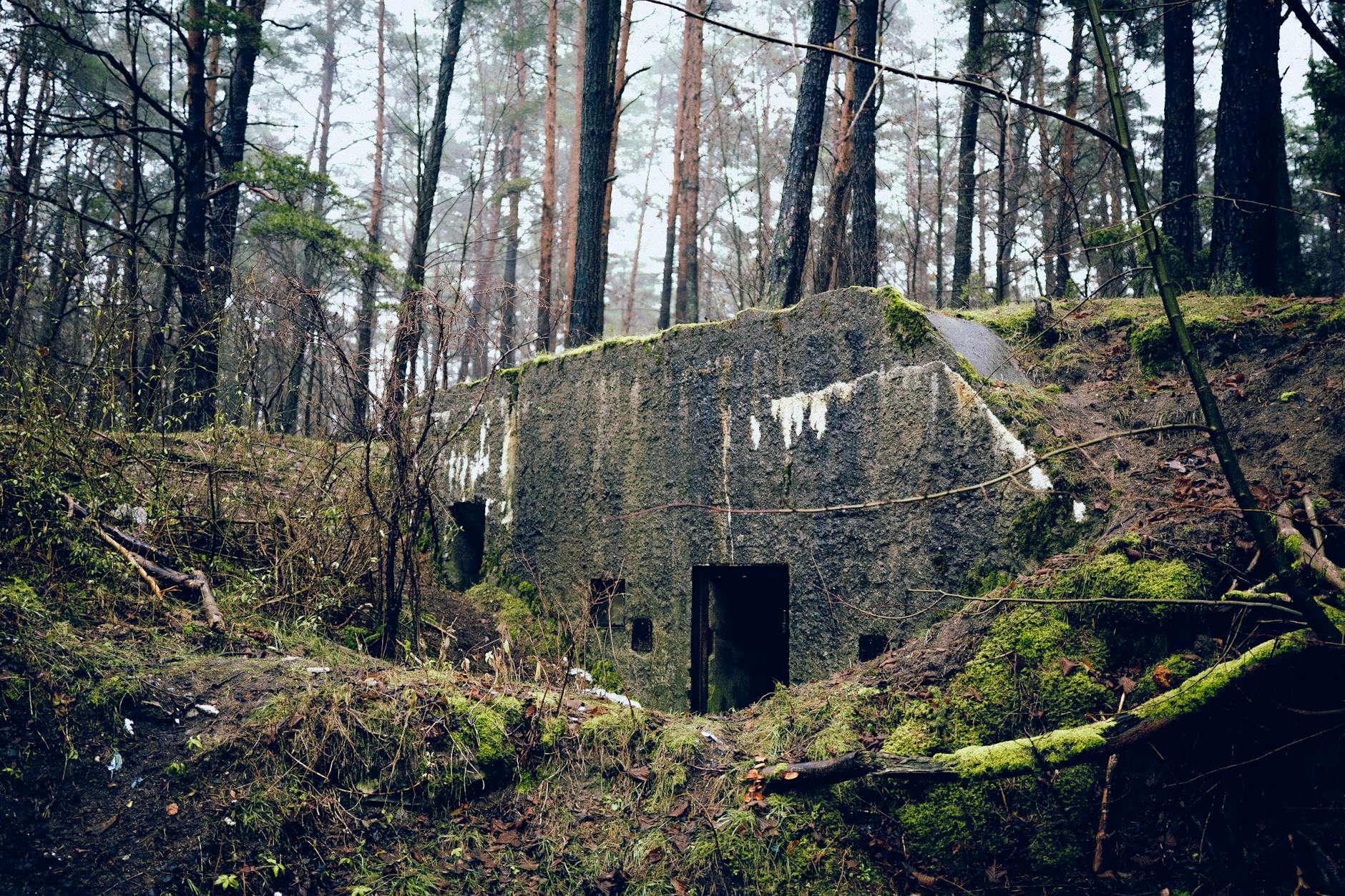
Berlin Fashion Week organizers spent months identifying suitable bunker locations across the city, partnering with historical preservation societies and private owners. The chosen venues include former air raid shelters in Kreuzberg and Mitte, spaces that remained largely untouched since the 1940s and 1960s.
Each bunker presents distinct challenges. The original concrete walls create unique acoustics that sound engineers must navigate, while the narrow entrances limit both audience capacity and the logistics of moving equipment and clothing racks. Temperature control becomes critical in these underground spaces, where humidity can damage delicate fabrics and extreme cold affects both models and attendees.
Lighting designers have embraced these constraints as creative opportunities. The bunkers’ stark architecture provides dramatic backdrops that enhance rather than compete with the clothing. Several designers specifically chose their collections to complement the industrial aesthetic, incorporating utilitarian elements and monochromatic palettes that echo the spaces’ austere beauty.
Safety regulations required extensive modifications to meet modern event standards. Emergency exits were expanded, ventilation systems upgraded, and temporary flooring installed over original surfaces. The process took nearly eight months of planning and construction, with costs significantly higher than traditional venues.
Designer Perspectives: Creating in Historical Context
The bunker setting influences more than just logistics – it’s reshaping the creative process itself. Emerging designer Clara Hoffmann, known for her deconstructed tailoring, describes how the space informed her latest collection’s narrative about protection and vulnerability.
“Working in these bunkers forces you to confront fashion’s relationship with safety, with hiding, with exposure,” Hoffmann explains. Her pieces feature hidden compartments and reinforced shoulders that subtly reference protective gear while maintaining elegant silhouettes.
Established label Berliner Mode House approached the venue differently, using the bunkers’ history to explore themes of reconstruction and renewal. Creative director Thomas Mueller incorporated recycled military surplus fabrics alongside luxury materials, creating pieces that bridge the space between past and present.
International designers participating in the bunker shows report that the venue selection process influenced their collections months before the actual presentations. The knowledge that their work would be displayed in these historically charged spaces pushed many to consider fashion’s role in processing collective memory and trauma.
Audience Experience: Fashion Meets Historical Immersion
Attendees describe the bunker shows as fundamentally different from traditional fashion presentations. The descent underground creates anticipation that builds as guests navigate narrow staircases and corridors before reaching the main presentation space.
The limited capacity – most bunkers accommodate only 80-120 seated guests – creates an intimate atmosphere that contrasts sharply with the grand scale of typical fashion week venues. Buyers and press report feeling more connected to both the clothing and the designers’ artistic vision in these confined spaces.
However, the experience isn’t without challenges. Several international buyers expressed concern about accessibility, as many bunkers lack elevator access. Organizers have worked to identify venues that can accommodate guests with mobility limitations, though options remain limited by the historical nature of the spaces.
The bunker shows have also attracted attendees who might not typically engage with fashion week events. History enthusiasts and architecture students attend alongside traditional fashion industry professionals, creating an unexpectedly diverse audience that enriches the overall experience.
Similar unconventional venue choices are gaining traction across Europe, echoing initiatives like Stockholm Fashion Week’s ice hotel runway shows and New York’s abandoned subway station presentations.
Logistical Innovation: Overcoming Underground Challenges
The technical demands of bunker fashion shows have driven innovation in event production. Wireless technology becomes essential when traditional cable runs prove impossible through thick concrete walls. Battery-powered lighting systems replace standard electrical setups, while portable generators provide backup power for critical equipment.
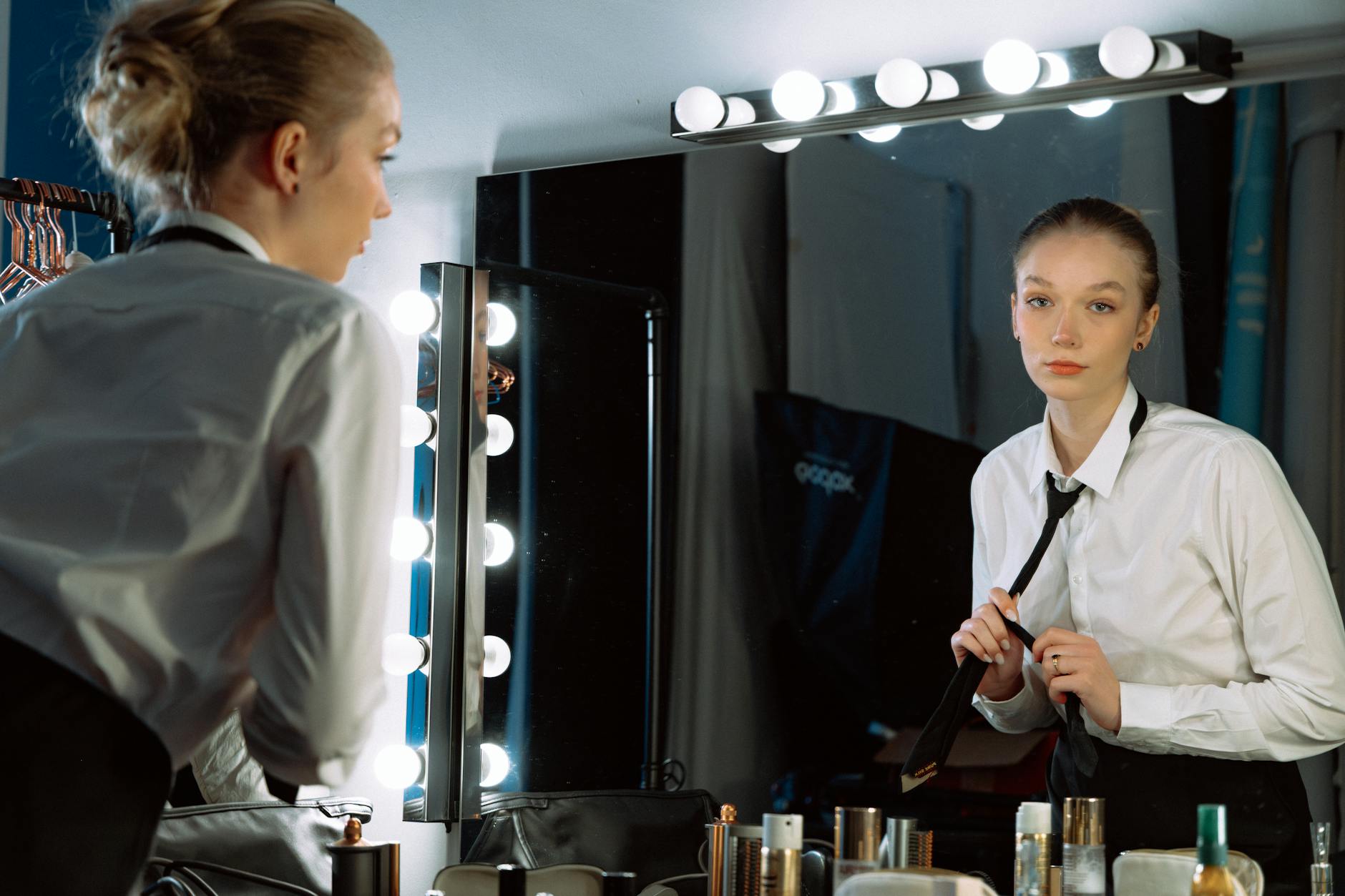
Model preparation requires careful coordination, as traditional backstage areas don’t exist in these spaces. Designers have created mobile changing stations and makeup areas that can be quickly assembled and disassembled. Hair and makeup teams work with modified products that perform better in the bunkers’ unique environmental conditions.
Transportation logistics demand military-level precision. Clothing must be carefully protected during the descent into bunkers, with specialized garment bags designed to navigate narrow passages. Setup crews work in shifts to avoid overcrowding in limited spaces, extending installation time but ensuring quality presentation.
Documentation presents its own challenges, as traditional fashion photography requires adaptation to low-light, confined conditions. Photographers report developing new techniques specifically for these venues, using the concrete walls and industrial fixtures as compositional elements rather than obstacles.
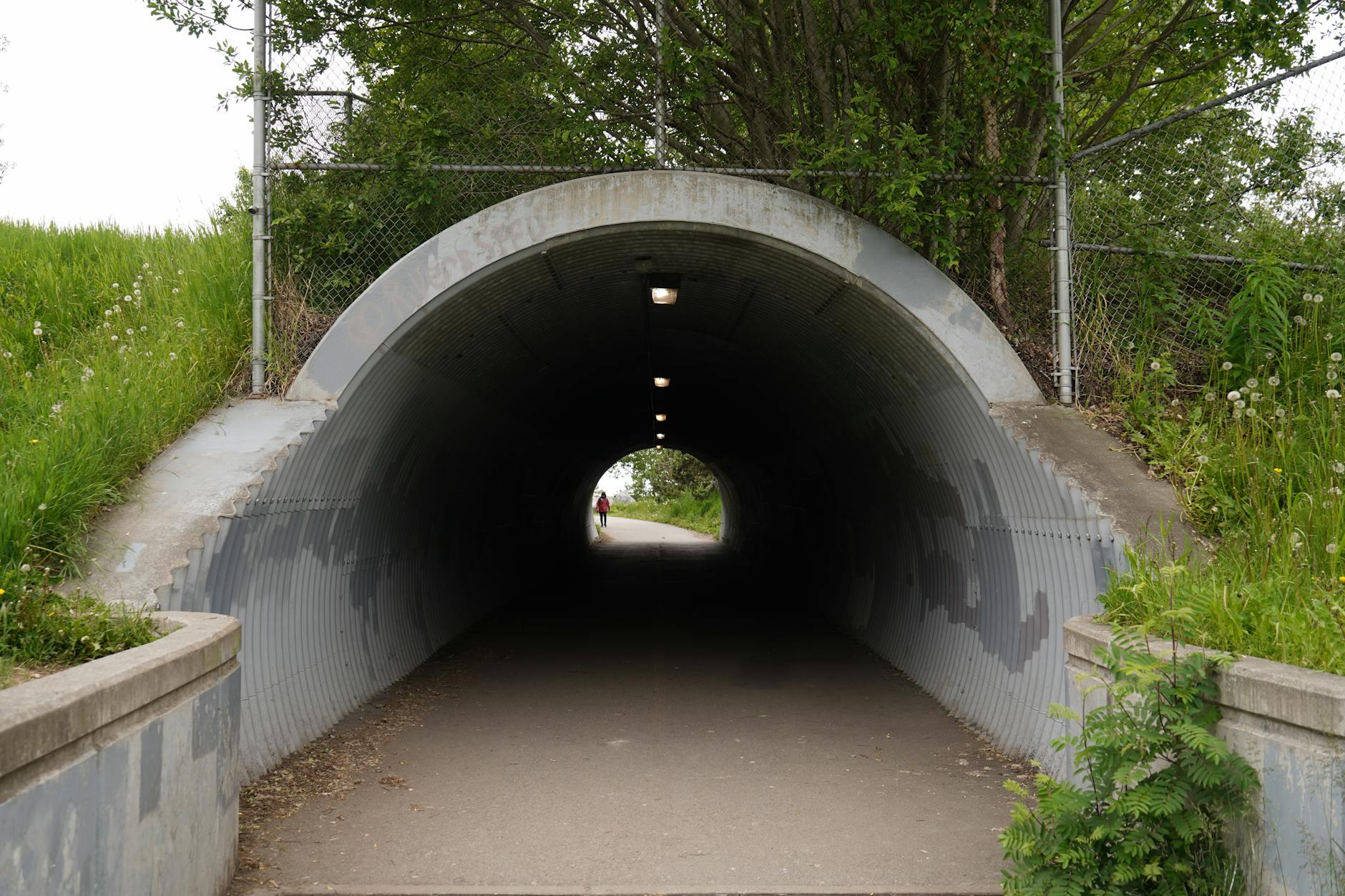
The success of Berlin’s bunker fashion shows signals a broader evolution in how the industry approaches presentation and storytelling. As traditional fashion week formats face increasing criticism for their environmental impact and exclusivity, these alternative venues offer sustainable models that prioritize experience over spectacle.
Other fashion capitals are reportedly exploring similar historically significant venues, from converted war factories to decommissioned military installations. The trend suggests a fashion industry increasingly willing to engage with complex narratives and challenging spaces that reflect our contemporary moment.
Berlin Fashion Week’s bunker experiment demonstrates that fashion’s future might lie not in bigger, more expensive venues, but in spaces that force deeper conversations between past, present, and the transformative power of creative expression.
Frequently Asked Questions
Why are Berlin Fashion Week shows moving to bunkers?
Designers want to create more meaningful presentations that connect fashion with historical memory and provide intimate, story-driven experiences.
How many people can attend bunker fashion shows?
Most bunker venues accommodate 80-120 seated guests due to space constraints and safety regulations.