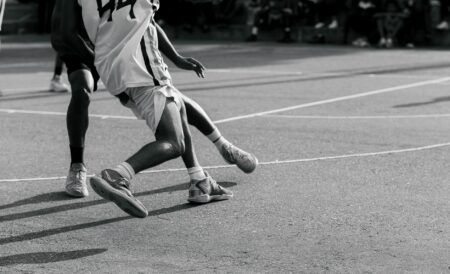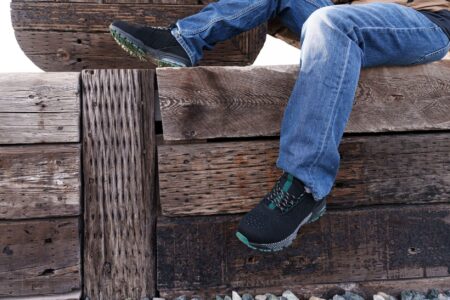





Valentino Garavani has dropped its first major campaign showcasing Alessandro Michele’s interpretation of the iconic Rockstud pump, setting the visual narrative against Rome’s ancient backdrop. The campaign marks a significant moment for the house as Michele’s design vision takes center stage with one of Valentino’s most recognizable silhouettes.
Michele introduced his version of the Rockstud shoe as part of Valentino’s pre-fall 2026 collection, immediately signaling his intent to put his own stamp on the brand’s established codes.
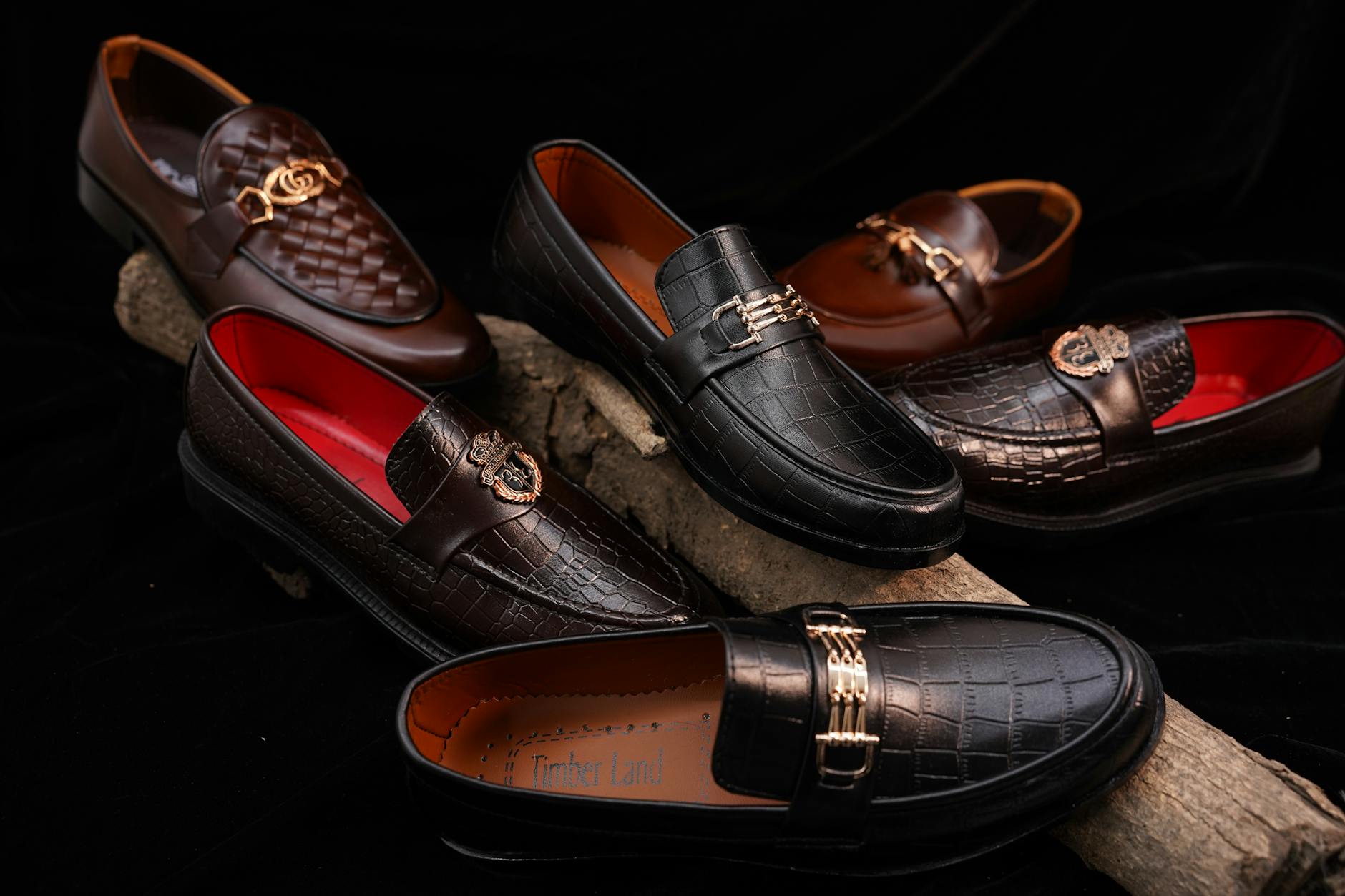
Roman Roots Meet Modern Vision
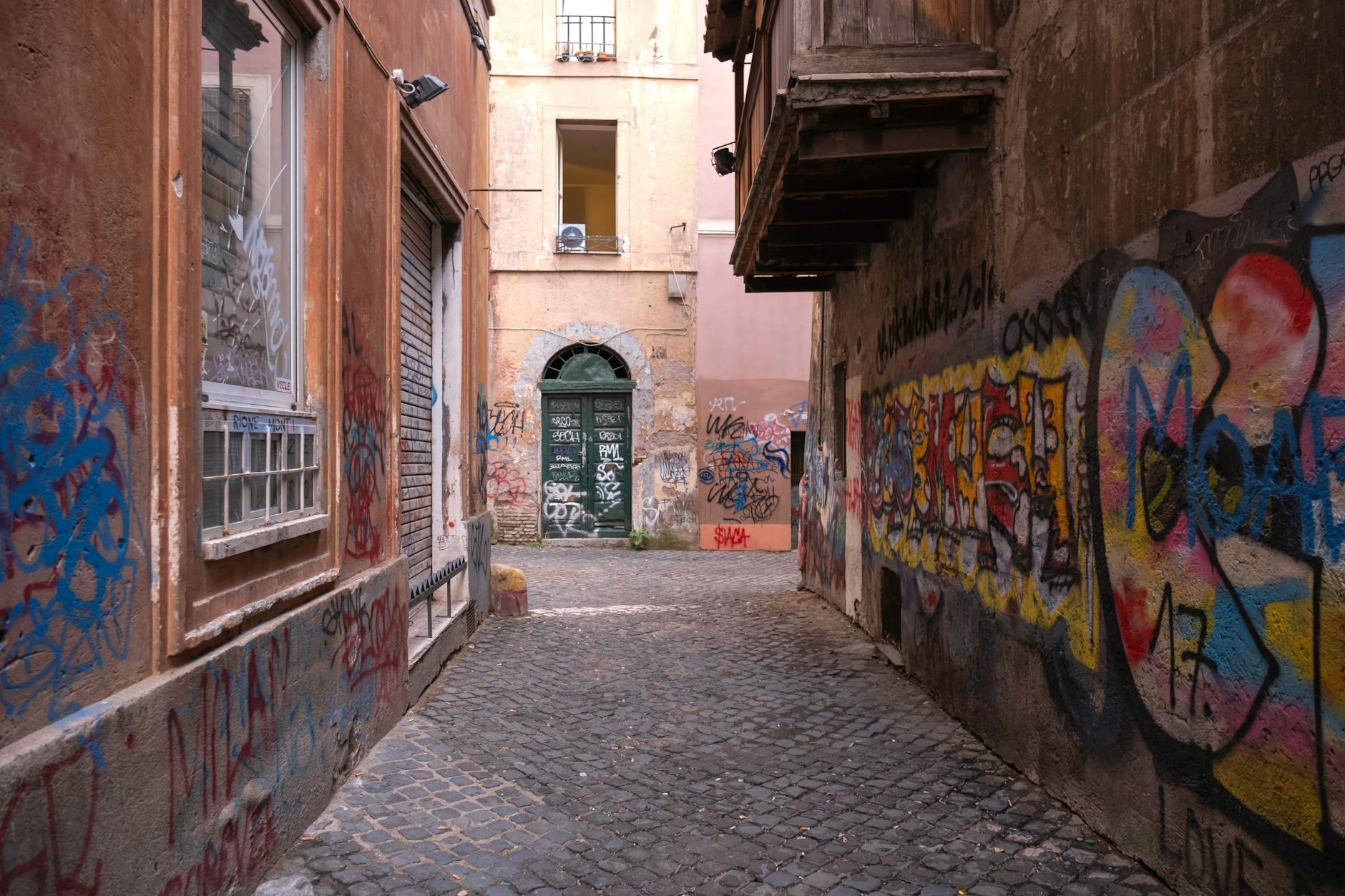
The campaign photography captures models navigating Rome’s cobblestone streets and historic architecture while wearing Michele’s updated Rockstud designs. This location choice connects directly to Valentino’s heritage as a Roman fashion house, while the imagery suggests Michele’s approach to balancing respect for the brand’s history with his personal aesthetic sensibilities.
Rome serves as more than just a backdrop here. The eternal city’s mixture of ancient monuments and contemporary life mirrors Michele’s task of updating classic Valentino pieces for a new era. The campaign visuals show the shoes against weathered stone facades, marble steps, and sun-drenched piazzas that have defined the brand’s identity since its founding.
The Michele Touch on an Icon
The Rockstud pump has been a cornerstone of Valentino’s accessories business for over a decade, generating significant revenue through its instantly recognizable pyramid studs and pointed-toe silhouette. Michele’s version maintains the essential DNA while introducing subtle modifications that reflect his maximalist tendencies and attention to ornamental detail. The studs remain the focal point, but their arrangement and the shoe’s proportions show his influence.
Industry observers have been watching closely to see how Michele would handle Valentino’s existing bestsellers versus creating entirely new designs. The Rockstud represents his first major test with an established product line that has performed consistently in the luxury footwear market. Early reactions from fashion insiders suggest he has managed to refresh the design without alienating existing customers who have made the shoe a wardrobe staple.
The campaign timing aligns with Michele’s broader strategy of introducing his vision gradually rather than making dramatic changes all at once. This measured approach reflects the commercial reality that the Rockstud generates substantial revenue for Valentino, making it essential to evolve the design carefully rather than risk disrupting sales with radical alterations.
Michele’s background at Gucci, where he successfully reinterpreted that house’s classic loafers and sneakers, provides precedent for his ability to modernize heritage pieces. However, the Rockstud presents a different challenge as it lacks the decades of history that surrounded Gucci’s horsebit loafer or bamboo-handled bags. The shoe is more recent in fashion terms, making Michele’s task one of evolution rather than revival.
Campaign Strategy and Market Positioning
The Roman setting positions the campaign as a homecoming narrative, emphasizing Valentino’s roots while introducing Michele’s perspective. This geographic anchoring helps establish continuity between the house’s past and its future under new creative direction. The visuals avoid the typical studio settings often used for footwear campaigns, instead placing the shoes in real urban environments.
Fashion campaigns increasingly compete for attention in an oversaturated digital landscape, making location and narrative choices critical for cutting through noise. By choosing Rome over neutral backdrops, Valentino creates instant brand recognition and emotional connection with consumers who associate the city with Italian luxury and craftsmanship.
Pre-Fall Positioning and Future Plans
Launching the Rockstud reinterpretation in pre-fall 2026 suggests Valentino views this as a foundational piece for Michele’s tenure rather than a seasonal experiment. Pre-fall collections typically feature more commercial, wearable pieces that retail buyers rely on for consistent sales throughout the year. This timing indicates confidence in the design’s market potential.
The campaign’s production values and Roman location also suggest significant marketing investment behind Michele’s version of the shoe. Major fashion houses typically reserve such elaborate campaign treatments for products they expect to drive substantial revenue, indicating internal expectations for strong performance.
Will Michele’s Roman narrative prove strong enough to attract new customers while maintaining the loyalty of existing Rockstud devotees?