





The Final Whistle on a Career Built in Stripes
Lionel Messi played his last international match for Argentina, and he did not go quietly. The forward delivered two assists and scored one goal in a 3-0 victory – a farewell performance that felt less like a curtain call and more like a punctuation mark on the most decorated international career in the sport’s modern era.
For Adidas, the match carried weight beyond the scoreline. The German sportswear brand has been Messi’s kit partner throughout his entire international career, meaning that final goal – struck in Argentina blue, three stripes on the kit – was also the last chapter of one of footwear and apparel’s longest-running athlete partnerships.

What the Match Meant for the Adidas-Messi Partnership
Adidas and Messi have been bound together since his earliest days representing Argentina. The relationship spans World Cups, Copa Americas, and now a final farewell – a timeline that runs parallel to the brand’s own evolution in football. Over those decades, Messi wore successive generations of Adidas cleats, each launch tied closely to his on-pitch presence, each new model carrying the implicit promise that the world’s best player had signed off on the design.
That commercial logic cuts both ways. Messi’s international matches were not just sporting events – they were high-visibility product showcases watched by hundreds of millions of people. A 3-0 win, with Messi directly involved in all three goals through a combination of assists and his own strike, is exactly the kind of performance that turns a cleat into a cultural object. The boots he wore on the pitch during his final cap will carry a story that no advertising budget could manufacture.
Adidas has spent years building product lines around Messi’s name and likeness, from signature cleats to lifestyle footwear that has crossed from the pitch into streetwear. That category – performance product that earns shelf space in fashion retail – is one Adidas has pushed hard, and Messi’s crossover appeal helped normalize football cleats as collector’s items rather than purely functional gear. His retirement from international play does not end that commercial relationship, but it does close one of its most potent chapters.
Argentina’s Kit and the Symbolism of the Final Scoreline
The 3-0 final score, with Messi contributing two assists and one goal, gave Adidas an ideal send-off narrative. In sportswear marketing, the athlete’s last competitive moment becomes permanent reference material – it gets reprinted on packaging, referenced in anniversary campaigns, and cited in brand retrospectives. A dominant win, rather than a loss or a quiet substitution, gives the brand something clean to work with.
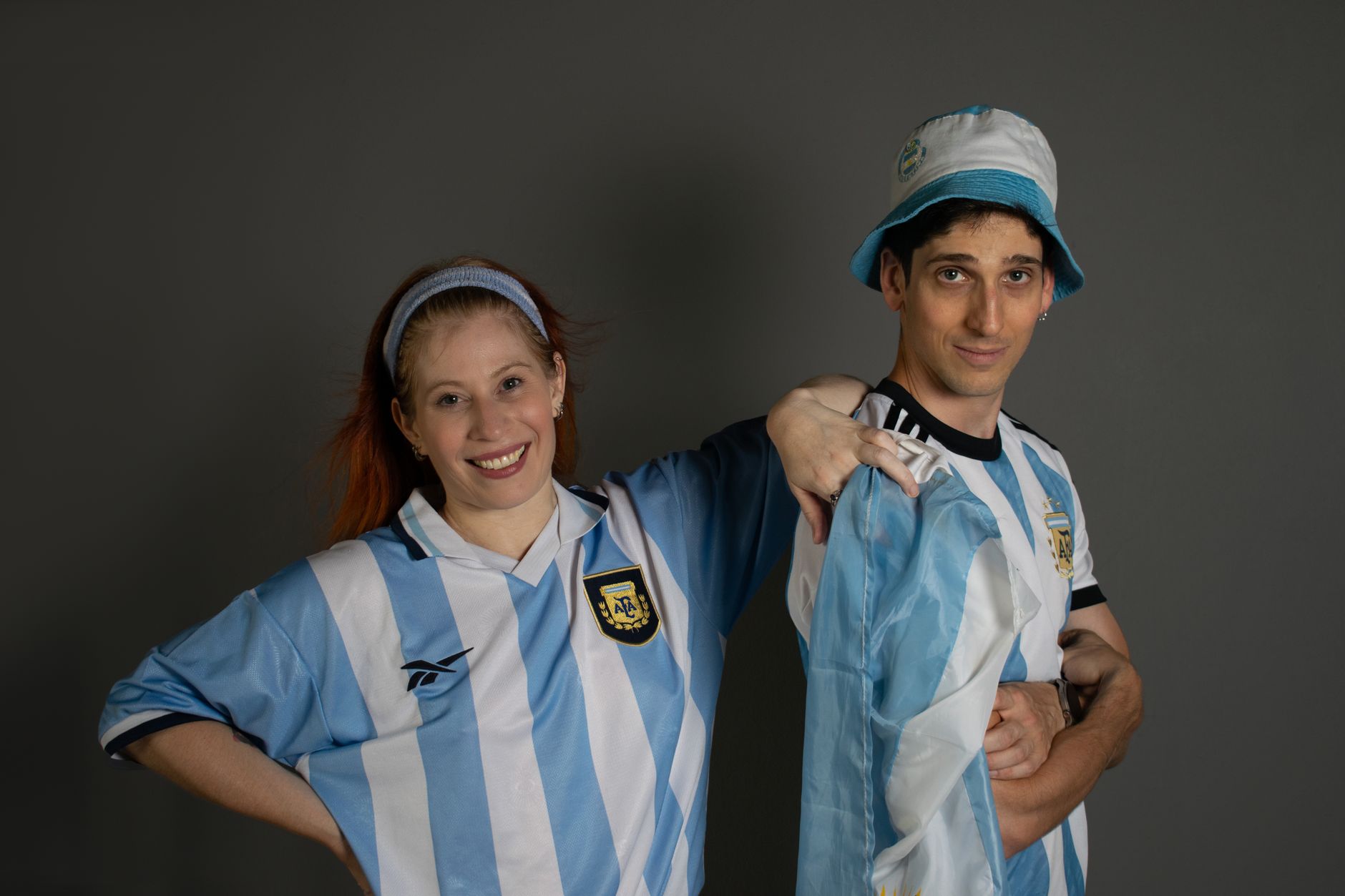
Argentina’s kit itself – the light blue and white vertical stripes that are among the most recognized in international football – is an Adidas product. Every image of Messi from that final match is, by extension, a visual of the brand’s work. The Argentina home shirt has gone through multiple design iterations over Messi’s international career, but the broad aesthetic has remained consistent enough to function as a recognizable brand asset in its own right.
Cleats, Collectors, and What Comes Next
The footwear industry has learned to treat retirement moments as commercial opportunities. When a player of Messi’s profile plays a final match, the cleats worn that day – and any limited editions tied to the occasion – shift from product to artifact. Adidas has navigated these moments before, with legacy athletes whose farewell matches generated aftermarket demand that outlasted the careers themselves.
Messi’s final international appearance adds a fixed endpoint to what was already a long catalogue of significant matches: the 2022 World Cup final in Qatar, multiple Copa America victories, the competitive arc of a career that saw him move from Barcelona to Paris Saint-Germain to Inter Miami. Adidas followed him through each of those moves, maintaining the partnership across club and country. The international chapter, now closed at 3-0, is the one where the partnership was most publicly visible – World Cup audiences are a different scale from club football, and Argentina’s kit gave the brand a visibility that no club deal fully replicates.
There is also the question of what Adidas does with the Messi name in the years ahead. Retired athletes can remain viable commercial partners – Michael Jordan’s relationship with Nike is the most cited example in sports business – but the mechanics depend heavily on whether the athlete remains culturally active. Messi at Inter Miami is still playing club football, still generating content, still drawing attention. The international retirement shifts the nature of his visibility, but does not eliminate it.
Adidas has not announced specific plans tied to the final match, but the three-stripe brand rarely lets a milestone of this scale pass without a product acknowledgment. The cleats Messi wore for his last Argentina goal – whatever colorway and model they were – now carry a provenance that collectors and brand historians will note. Whether Adidas formalizes that with a commemorative release or lets the match stand on its own, the scoreline is already in the record: two assists, one goal, 3-0, and the stripes were on his feet for all of it.
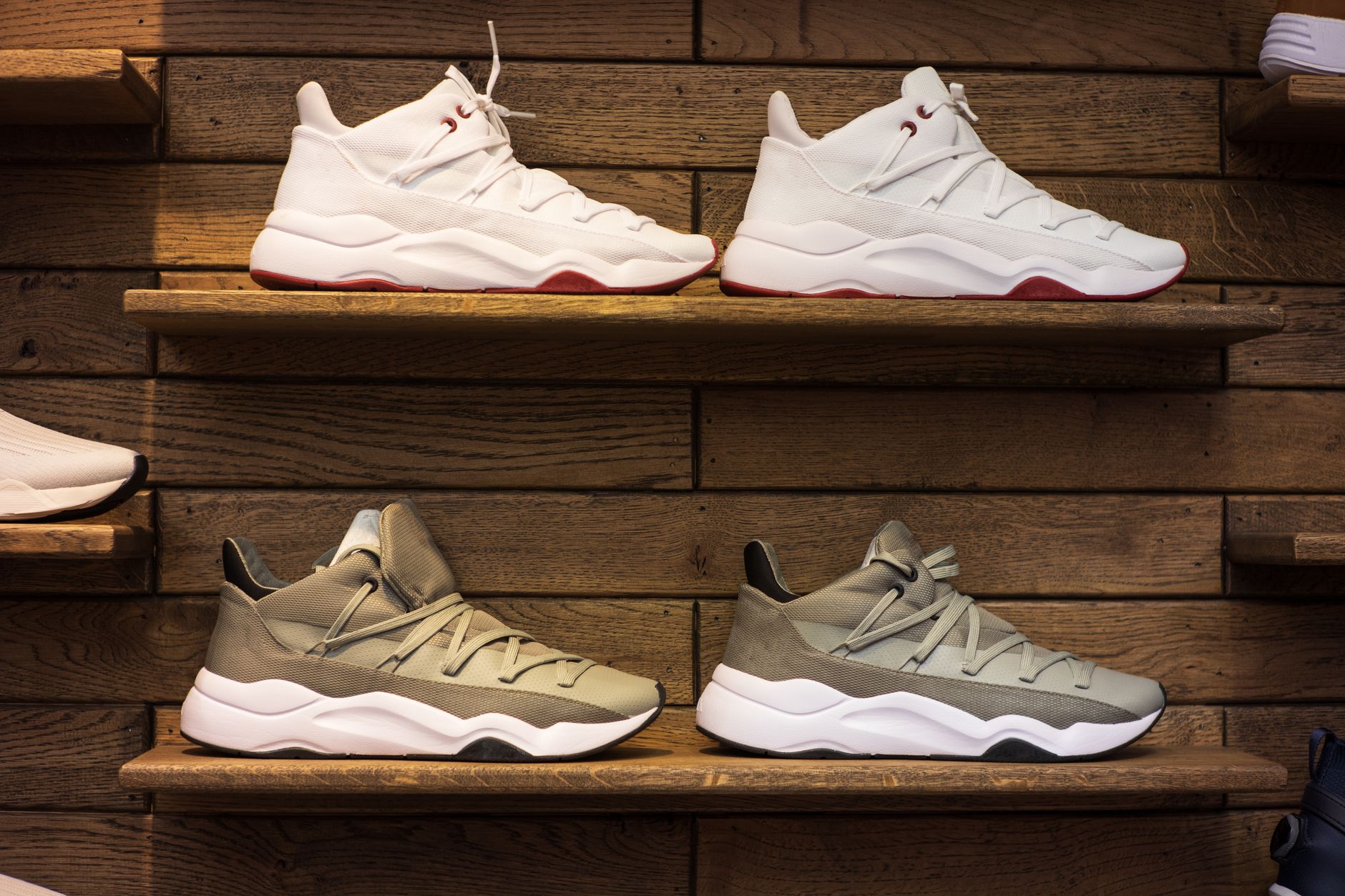
The boots are still on the shelf. The question is whether Adidas pulls them out for one more campaign.