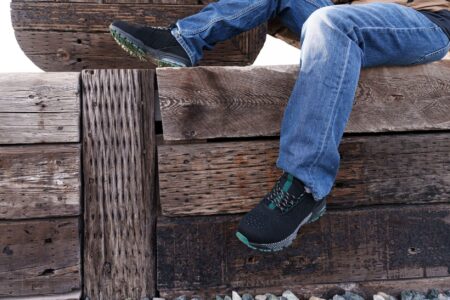





The corner office revolution isn’t happening in board rooms or quarterly reports – it’s happening at ground level, where C-suite executives are ditching traditional Italian leather for shoes designed by foot doctors. What started as a quiet trend among health-conscious leaders has exploded into a full-blown movement that’s reshaping executive fashion.
Major retailers report a 340% surge in sales of podiatrist-designed dress shoes over the past 18 months. Brands like Vionic, Orthofeet, and Drew Shoe are seeing their professional collections snapped up by executives who previously swore by luxury European shoemakers. The shift represents more than just a fashion choice – it’s a fundamental change in how business leaders prioritize long-term health over short-term status symbols.
“I spent twenty years destroying my feet in designer shoes,” says Maria Rodriguez, CEO of a mid-size tech firm. “When my podiatrist showed me the damage, I realized no board meeting was worth chronic pain.” Rodriguez now exclusively wears Vionic oxfords with built-in arch support and biomechanical alignment features.

The Health Crisis Behind Closed Doors
Corporate executives spend an average of 60 hours per week on their feet, whether standing in presentations, walking through facilities, or networking at industry events. Traditional dress shoes, designed for aesthetics rather than biomechanics, create a perfect storm for foot problems that can plague leaders for decades.
Dr. Sarah Chen, a Manhattan podiatrist whose client list includes Fortune 500 executives, reports seeing plantar fasciitis, bunions, and chronic heel pain in 80% of her C-suite patients. “These aren’t just comfort issues,” Chen explains. “Poor foot mechanics create a chain reaction up through the ankles, knees, hips, and back. We’re seeing executives with chronic pain that affects their decision-making ability.”
The medical community has long understood the connection between foot health and overall well-being. Podiatrist-designed shoes incorporate features like contoured arch support, heel cups that control pronation, and cushioning systems that absorb impact during long days. These aren’t aftermarket insoles – the support is built into the shoe’s architecture from the ground up.
Recent studies show that proper foot alignment can improve energy levels and reduce fatigue by up to 30%. For executives making million-dollar decisions, that difference between mental clarity and exhaustion could impact entire companies.
Breaking Down Executive Stigma
The biggest barrier wasn’t finding quality podiatrist-designed dress shoes – it was convincing image-conscious executives to wear them. Early adopters faced whispered comments about “orthopedic shoes” that carried associations with elderly patients or medical conditions.
That stigma began cracking when high-profile leaders started speaking openly about their choices. Tim Cook has been photographed wearing Vionic dress shoes at Apple events. Several prominent female CEOs have shared their experiences with supportive footwear on LinkedIn, generating thousands of comments from other business leaders.
The tipping point came when luxury fashion houses began collaborating with podiatrists. Cole Haan partnered with foot health experts to develop their Grand series. Johnston & Murphy introduced biomechanically-designed soles across their professional collections. Suddenly, supportive shoes carried the same prestige as traditional luxury brands.

Modern podiatrist-designed dress shoes look indistinguishable from conventional business footwear. Advanced materials allow for sleek profiles while maintaining internal support structures. Some models feature removable footbeds that can be customized by podiatrists for specific foot conditions.
The price points have also shifted dramatically. While early therapeutic shoes cost $400-600, increased demand has driven competition and innovation. Quality podiatrist-designed dress shoes now start around $150, making them accessible to executives across all company sizes.
The Science Behind the Support
What separates podiatrist-designed shoes from regular dress shoes isn’t immediately visible – it’s the biomechanical engineering hidden inside. These shoes address the three critical areas where traditional dress shoes fail: arch support, heel control, and forefoot cushioning.
The arch support in therapeutic shoes is precisely contoured to match the foot’s natural curves. This prevents the arch from collapsing during weight-bearing, which is the root cause of many foot problems. Traditional dress shoes have flat footbeds that provide no arch support, forcing the foot’s muscles and ligaments to work overtime.
Heel control comes from deep heel cups and firm heel counters that prevent excessive pronation – the inward rolling of the foot that creates alignment problems throughout the body. Most dress shoes have shallow heel areas that allow the foot to slide around, creating instability with every step.
Forefoot cushioning protects the ball of the foot from impact during walking. Podiatrist-designed shoes use materials like memory foam or gel inserts that compress and rebound with each step. Traditional leather soles provide virtually no cushioning, transmitting every impact directly to the foot’s bones and joints.
The combination of these features creates what podiatrists call “functional support” – shoes that work with the foot’s natural mechanics rather than against them. The result is reduced fatigue, better posture, and prevention of common foot problems that plague executives.
Market Forces Driving Change
The corporate wellness movement has created unexpected allies for foot health advocates. Companies investing in executive health programs recognize that foot problems contribute to decreased productivity and increased healthcare costs. Some organizations now include podiatrist consultations in their executive health packages.
This shift mirrors broader trends in business fashion, where orthopedic sneakers became the new status symbol in casual business environments. The same executives who embrace supportive athletic footwear during off-hours are now demanding similar benefits in their professional wardrobes.
Insurance coverage has also expanded significantly. Many health plans now cover therapeutic footwear when prescribed by podiatrists, making the investment more attractive for cost-conscious executives. Some flexible spending accounts explicitly cover shoes designed for medical foot conditions.

The sustainability angle has created another compelling argument for podiatrist-designed shoes. These shoes are built to last significantly longer than fashion-focused alternatives. The combination of quality materials, reinforced construction, and designs that maintain foot health means executives replace them less frequently. This aligns with corporate sustainability initiatives while providing long-term cost savings.
Looking ahead, the integration of health technology into professional footwear seems inevitable. Companies are already developing shoes with pressure sensors that provide feedback on gait and posture. Some models include activity tracking that integrates with corporate wellness programs. The next generation of executive footwear will likely combine podiatric expertise with data analytics to optimize foot health in real-time.
The transformation of executive footwear represents more than just a fashion trend – it’s a recognition that sustainable leadership requires sustainable health practices. As more companies prioritize executive wellness and long-term performance over short-term appearances, podiatrist-designed dress shoes are positioned to become the new standard in boardrooms worldwide.
Frequently Asked Questions
What makes podiatrist-designed dress shoes different from regular business shoes?
They include built-in arch support, heel control systems, and forefoot cushioning designed by foot doctors for biomechanical alignment.
Do podiatrist-designed dress shoes look professional enough for business settings?
Modern therapeutic dress shoes are indistinguishable from luxury alternatives while providing medical-grade foot support.